Friction Blisters: Complete Guide To Prevention & Treatment
Learn about friction blisters: causes, symptoms, prevention, and safe treatment methods for quick healing.
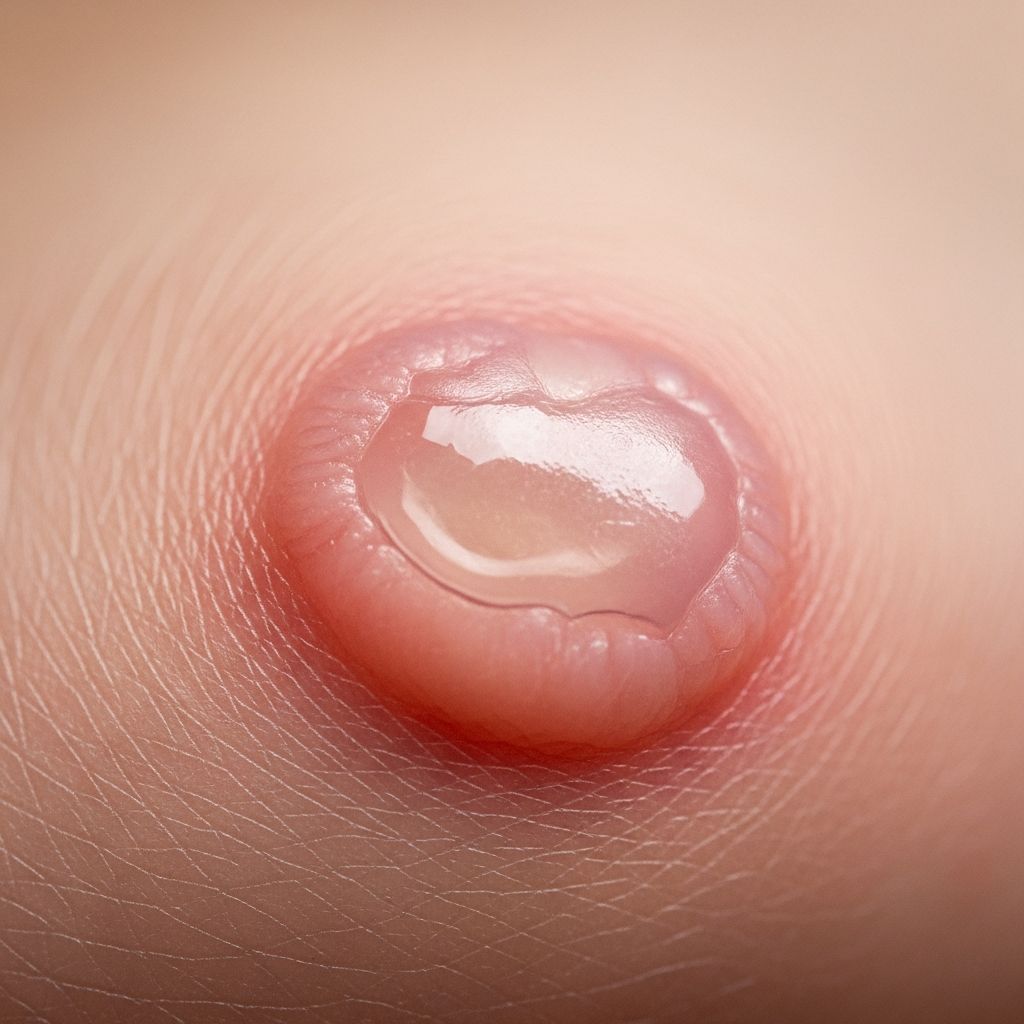
Friction blisters are common, painful skin injuries that develop when repeated rubbing or pressure separates layers of skin, filling the space with protective fluid. They most often occur on the feet, hands, or areas exposed to friction during activity, such as heels, toes, palms, or fingers.
What Are Friction Blisters?
A
friction blister
forms through mechanical shear forces that disrupt the epidermis, the skin’s outer layer. Initial rubbing peels away surface cells, causing redness, heat, and stinging. Continued pressure separates the stratum spinosum from deeper layers like the stratum basale or dermis, creating a gap that fills with clear plasma or serum to cushion underlying tissue.In thicker skin areas like soles, palms, heels, and toes, blisters raise as intact fluid-filled sacs. Thinner skin may erode into abrasions instead. Blisters typically contain clear fluid but can turn red or brown if blood vessels rupture, forming blood blisters. Most heal within 1-2 weeks without intervention, but proper care prevents complications like infection.
Symptoms of Friction Blisters
Friction blisters progress through stages, with symptoms varying by severity. Early signs indicate ‘hot spots’ warranting immediate action.
| Grade | Description | Common Signs |
|---|---|---|
| Grade 1 | Redness or mild irritation | Hot spots; no visible blister yet |
| Grade 2 | Clear fluid-filled blister | Tender bump with intact skin |
| Grade 3 | Blood-filled or cloudy blister | Increased pain, pressure, risk of infection |
Additional symptoms include:
- Bubble of skin filled with clear, straw-colored, or bloody fluid
- Redness and inflammation around the site
- Moderate to severe pain, worsened by pressure or movement
- Itching or burning sensation
- Swelling in severe cases
Pain intensifies with continued friction, making walking or gripping tools difficult.
Causes of Friction Blisters
**Friction blisters** arise from contact, pressure, and repetitive movement between skin and an object, such as shoes, tools, or clothing. Sheer forces mechanically separate epidermal layers.
Common Causes
- Ill-fitting shoes or clothing: Tight shoes compress bony areas like heels or toes; loose ones allow sliding. Rough seams, straps, or new stiff materials exacerbate rubbing.
- Physical activity: Running, hiking, dancing, or sports increase impact on feet, targeting forefoot and heels.
- Sweating or moisture: Damp skin reduces friction resistance, hastening blister formation.
- Occupational factors: Manual labor with tools or gloves causes hand blisters.
Rare Causes
- Underlying conditions: Epidermolysis bullosa (genetic skin fragility), porphyria cutanea tarda (photosensitive blistering), or post-surgical pressure on hips.
- Medications: Chemotherapy impairs skin regeneration; corticosteroids thin skin; some antibiotics trigger reactions.
Extra body weight or carrying loads amplifies pressure during movement.
Related Stories



Friction Blister Prevention
Preventing friction blisters focuses on minimizing shear forces and moisture. Key strategies include:
- Wear well-fitted shoes with cushioned soles, roomy toe boxes, and minimal seams. Break in new shoes gradually.
- Choose moisture-wicking socks (synthetic or merino wool) over cotton, which retains dampness.
- Apply lubricants like petroleum jelly, antiperspirants, or silicone gels to high-risk areas before activity.
- Use protective padding: moleskin, gel inserts, or blister bandages on hotspots.
- Keep skin dry with powders or change socks frequently during sweaty activities.
- Gradually increase exercise intensity to toughen skin.
For hands, wear padded gloves during tools use or weightlifting.
Treatment for Friction Blisters
Most friction blisters heal naturally in 1-2 weeks. Protect the intact blister to preserve its natural barrier.
Home Treatment Steps
- Leave intact blisters alone: Do not pop, as this raises infection risk.
- Clean if broken: Wash with soap and water, apply antiseptic, and cover with sterile bandage.
- Protect the area: Use moleskin doughnut padding (cut hole around blister) or hydrocolloid dressings to reduce pressure.
- Apply ointment: Petroleum jelly or antibiotic ointment keeps moist for healing.
- Elevate and rest: Reduce activity to minimize rubbing.
Do not drain unless large/painful: Sterilize needle with alcohol, puncture base (not top), press out fluid gently, then bandage. Avoid if diabetic or immunocompromised.
Infected Blisters
Infection signs: spreading redness, pus, swelling, warmth, fever. Use topical antibiotics for mild cases; seek oral antibiotics for cellulitis.
When to See a Doctor
Consult a healthcare provider if:
- Redness spreads or pus appears
- Swelling persists or worsens
- Pain increases despite care
- Fever, chills, or lymph node swelling
- Blister on face, genitals, or large area
- Doesn’t heal in 1-2 weeks
- Diabetes, poor circulation, or immunosuppression
- Sudden blisters without clear cause
Podiatrists treat foot blisters; dermatologists handle recurrent or disease-related cases.
Frequently Asked Questions (FAQs)
Should you pop a friction blister?
No, intact blisters protect against infection. Pop only if large and painful, using sterile technique.
How long do friction blisters last?
Typically 1-2 weeks with proper care. Broken ones may take longer.
Are friction blisters contagious?
No, they result from mechanical injury, not infection.
Can friction blisters get infected?
Yes, especially if popped or exposed. Watch for pus, redness, or fever.
What’s best for blister prevention during hikes?
Wear fitted boots, moisture-wicking socks, lubricants, and padding.
References
- Causes and Prevention of Friction Blisters — Port Jefferson Podiatry. 2023. https://www.portjeffersonpodiatry.com/blog/causes-and-prevention-of-friction-blisters
- Friction blisters — DermNet NZ. 2024-01-15. https://dermnetnz.org/topics/friction-blister
- What Are Friction Blisters: Causes, Symptoms, and Treatment — CPRAEDCourse. 2024. https://cpraedcourse.com/blog/friction-blister-treatment-guide/
- Friction blisters: Causes, symptoms, and treatment — Medical News Today. 2023-11-20. https://www.medicalnewstoday.com/articles/friction-blisters
- Blisters: Causes, Treatment, Prevention — Cleveland Clinic. 2024-05-10. https://my.clevelandclinic.org/health/diseases/16787-blisters
- Blisters: First aid — Mayo Clinic. 2023-09-01. https://www.mayoclinic.org/first-aid/first-aid-blisters/basics/art-20056691
Similar Articles








Read full bio of Sneha Tete