Beauty Mark To Melanoma: Spot Early Signs, Protect Your Health
Discover how a simple beauty mark can signal melanoma, the deadliest skin cancer, and learn vital signs for early detection and prevention.
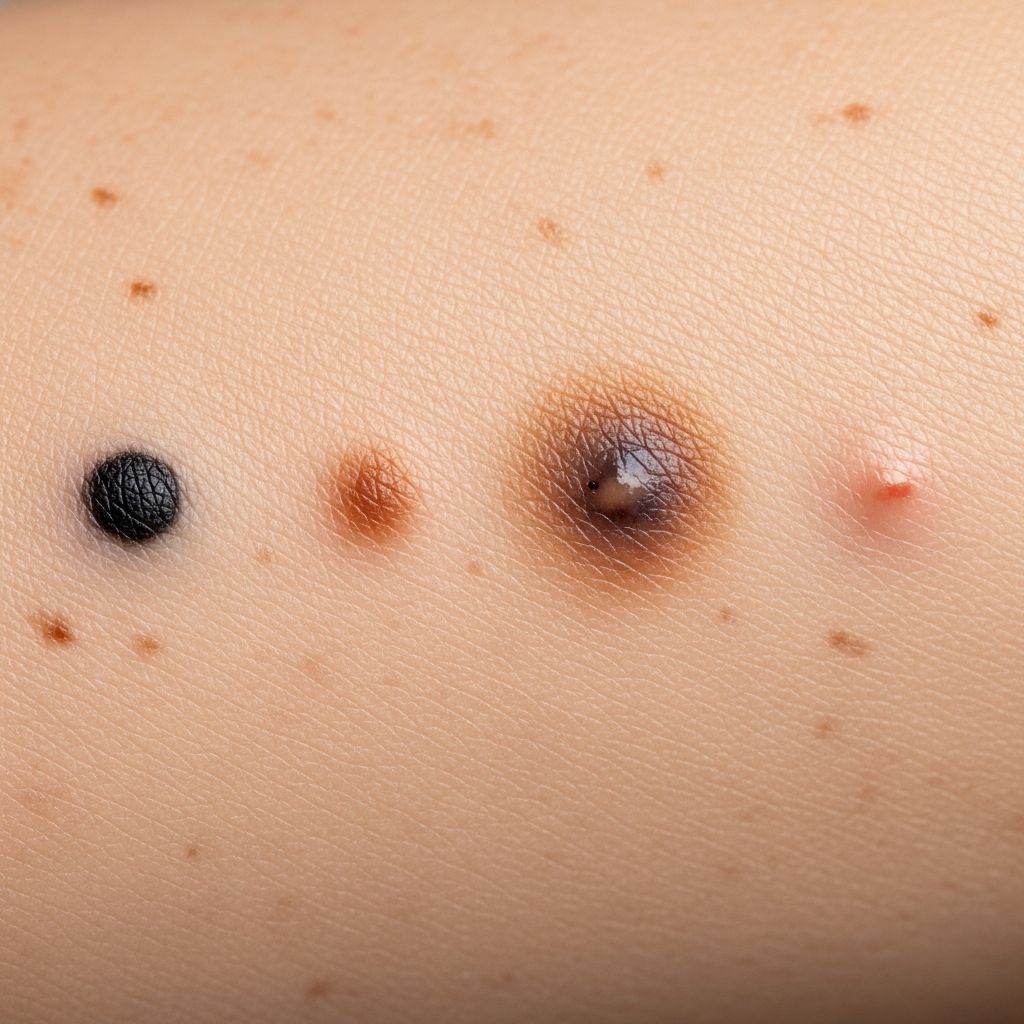
A beauty mark, often celebrated as a charming feature, can sometimes be the first sign of melanoma, the most dangerous form of skin cancer. Many people have moles, but knowing when one turns malignant is crucial for survival.
What Are Moles?
Moles, also known as nevi, are common skin growths formed by clusters of melanocytes, the pigment-producing cells in the skin. Most people develop between 10 and 40 moles during their lifetime, and they are usually harmless. These spots can be flat or raised, ranging in color from skin-toned to brown or black, and often appear during childhood or early adulthood.
Benign moles typically have smooth, even borders and uniform color. They remain stable over time without changing in size, shape, or texture. However, some moles, called dysplastic nevi, are atypical and larger with irregular features, increasing the risk of progressing to melanoma.
Understanding Melanoma: The Deadliest Skin Cancer
Melanoma originates from melanocytes and is responsible for most skin cancer deaths despite being less common than basal or squamous cell carcinomas. Unlike non-melanoma skin cancers, which rarely spread, melanoma can rapidly invade the lymphatic system or bloodstream, metastasizing to organs like the lungs, liver, or brain.
Early-stage melanoma has a 99% five-year survival rate, but this plummets to 32% if it spreads distantly. It often masquerades as a changing mole, making self-awareness essential. Melanoma can develop in existing moles or appear as new spots, frequently on the back in men and lower legs in women.
The ABCDE Rule: Spotting Suspicious Moles
The ABCDE rule is a simple, doctor-recommended guide to identify potential melanomas. Use it during monthly skin self-exams to differentiate benign moles from cancerous ones.
- A: Asymmetry – Benign moles are symmetrical; one half mirrors the other. Melanomas are asymmetrical, with uneven shapes.
- B: Border – Normal moles have smooth, even edges. Suspicious lesions show irregular, jagged, or blurred borders.
- C: Color – Benign moles are uniform in color (tan, brown, black). Melanomas display varied shades like black, brown, red, white, or blue.
- D: Diameter – Moles smaller than 6mm (pencil eraser size) are usually safe. Larger growths warrant checking.
- E: Evolving – Any change in size, shape, color, elevation, or symptoms like itching, bleeding, or crusting signals danger.
Beyond ABCDE, the ‘ugly duckling’ test helps: if a mole looks different from others on your body, consult a dermatologist.
Key Differences: Benign Moles vs. Skin Cancer
| Feature | Benign Mole | Melanoma/Skin Cancer |
|---|---|---|
| Asymmetry | Symmetrical | Asymmetrical |
| Border | Smooth, even | Irregular, jagged |
| Color | Uniform (brown/tan) | Multiple colors (black, red, blue) |
| Diameter | <6mm, stable | >6mm, growing |
| Evolving | Stable | Changing, itching, bleeding |
| Texture | Smooth, flat/raised | Scaly, oozing, ulcerated |
This table summarizes visual cues. Non-melanoma cancers like basal cell (pearly bumps) or squamous cell (red patches) differ but still require vigilance.
Risk Factors for Melanoma
Several factors elevate melanoma risk. Ultraviolet (UV) radiation from sun exposure or tanning beds is the primary environmental cause for all skin cancers. Fair-skinned individuals, those with light hair/eyes, or many freckles are more susceptible.
Related Stories



- Genetic Factors: Mutations like CDKN2A (p16) gene increase hereditary risk.
- Mole Count: More than 50 moles or presence of dysplastic nevi heightens danger.
- Family/Personal History: Previous melanoma or family cases demand extra monitoring.
- Age/Sex: More common in adults over 25; men face higher back incidence, women on legs.
Immunosuppressed individuals or those with sunburn history face amplified risks.
Self-Exams and Early Detection Strategies
Perform monthly skin checks in good lighting, using mirrors for hard-to-see areas. Examine scalp, nails, soles, and between toes. Document moles with photos for comparison.
Seek professional screening annually, especially if high-risk. Dermatologists use dermoscopy for magnified views. Early biopsy-confirmed melanomas are often cured by simple excision.
Prevention: Shield Your Skin
Prevent melanoma by minimizing UV exposure:
- Apply broad-spectrum SPF 30+ sunscreen daily, reapplying every 2 hours.
- Wear protective clothing, hats, sunglasses.
- Avoid peak sun (10 AM-4 PM); skip tanning beds.
- Check skin routinely and report changes promptly.
Treatment Options for Melanoma
Stage determines treatment. Early lesions undergo wide excision. Advanced cases may need lymph node dissection, immunotherapy, targeted therapy, or radiation. Survival hinges on early intervention.
Frequently Asked Questions (FAQs)
Can a beauty mark turn into melanoma?
Yes, melanoma can develop from existing moles or appear as new ones. Watch for ABCDE changes.
How often should I check my skin?
Monthly self-exams and annual dermatologist visits, more if high-risk.
Is melanoma only from sun exposure?
UV is primary, but genetics and mole count contribute.
What if a mole itches or bleeds?
These are evolving signs; see a doctor immediately.
Are all large moles cancerous?
No, but those over 6mm or changing need evaluation.
Conclusion: Act Early, Save Lives
Transforming a beauty mark into a melanoma threat is preventable with vigilance. Embrace the ABCDE rule, self-exams, and sun protection to stay safe.
References
- Skin Cancer vs. Benign Moles: How to Tell the Difference — Robert C. Griffith MD. Accessed 2026. https://www.robertcgriffithmd.com/blog/1302956-skin-cancer-vs-benign-moles-how-to-tell-the-difference/
- Skin Cancer Vs Mole — Forefront Dermatology. Accessed 2026. https://forefrontdermatology.com/skin-cancer-vs-mole/
- Skin cancer vs. mole: Differences and when to seek help — Medical News Today. Accessed 2026. https://www.medicalnewstoday.com/articles/skin-cancer-vs-mole
- Melanoma vs. Other Skin Cancers: Key Differences — Derm Doctors NVA. Accessed 2026. https://www.dermdoctorsnva.com/blog/1228634-melanoma-vs-other-skin-cancers-key-differences/
- How To Tell A Melanoma From A Scary Mole — Skin Analytics. Accessed 2026. https://skin-analytics.com/news/skin-cancer/how-to-tell-a-melanoma-from-a-scary-mole/
- Moles to Melanoma: Recognizing the ABCDE Features — National Cancer Institute. Accessed 2026. https://moles-melanoma-tool.cancer.gov
Similar Articles








Read full bio of Sneha Tete