Frontal Fibrosing Alopecia: 6 Treatments To Slow Loss
Progressive scarring alopecia causing receding hairline, eyebrow loss, and body hair reduction in postmenopausal women.
- Primary cicatricial alopecia — codes and images
- A variant of lichen planopilaris
Frontal fibrosing alopecia is a form of scarring hair loss, typically affecting the frontal scalp and eyebrows. It predominantly impacts postmenopausal women but can occur in men and premenopausal individuals. The condition involves irreversible destruction of hair follicles due to lymphocytic inflammation, leading to a band-like recession of the frontotemporal hairline and loss of eyebrows. Incidence is increasing worldwide, associated with factors like sunscreen use, fragrances, hypothyroidism, and autoimmune diseases.
What is frontal fibrosing alopecia?
Frontal fibrosing alopecia (FFA) is a primary scarring (cicatricial) alopecia characterised by a marginal band-like pattern of recession of the frontotemporal hairline with loss of follicular orifices. Eyebrow loss is a common and early feature. FFA is regarded as a clinical variant of lichen planopilaris because of similar histological findings. It was first described by Kossard in 1994 in five postmenopausal Australian women.
FFA primarily affects women after menopause, with average onset around 60 years, though cases in premenopausal women and men are reported. The hairline recedes symmetrically, averaging 1.8–2.6 cm, and the disease is slowly progressive but often self-limiting after several years. As a scarring alopecia, hair does not regrow without early intervention.
Who gets frontal fibrosing alopecia?
FFA mainly affects postmenopausal women, with incidence rising globally. It can occur in men (about 5% of cases) and premenopausal women. Risk factors include:
- Family history or monozygotic twins, suggesting genetic predisposition
- Hypothyroidism
- Contact allergy to fragrances
- Regular sunscreen use
- Autoimmune diseases like lupus erythematosus and rheumatoid arthritis
Affects 80–90% of patients with eyebrow loss; body hair loss common.
What causes frontal fibrosing alopecia?
The exact cause is unknown, but multifactorial pathogenesis involves:
- Genetic factors: Family histories and twin cases indicate heritability
- Hormonal influences: Predominance in postmenopausal women suggests androgen-dependent aetiology or estrogen withdrawal
- Autoimmune mechanisms: Lymphocytic inflammation destroys follicles, akin to lichen planopilaris
- Environmental triggers: Sunscreens, cosmetics, fragrances implicated
Recent research links it to genes for estrogen formation and skin barrier dysfunction.
What are the clinical features of frontal fibrosing alopecia?
Key features include:
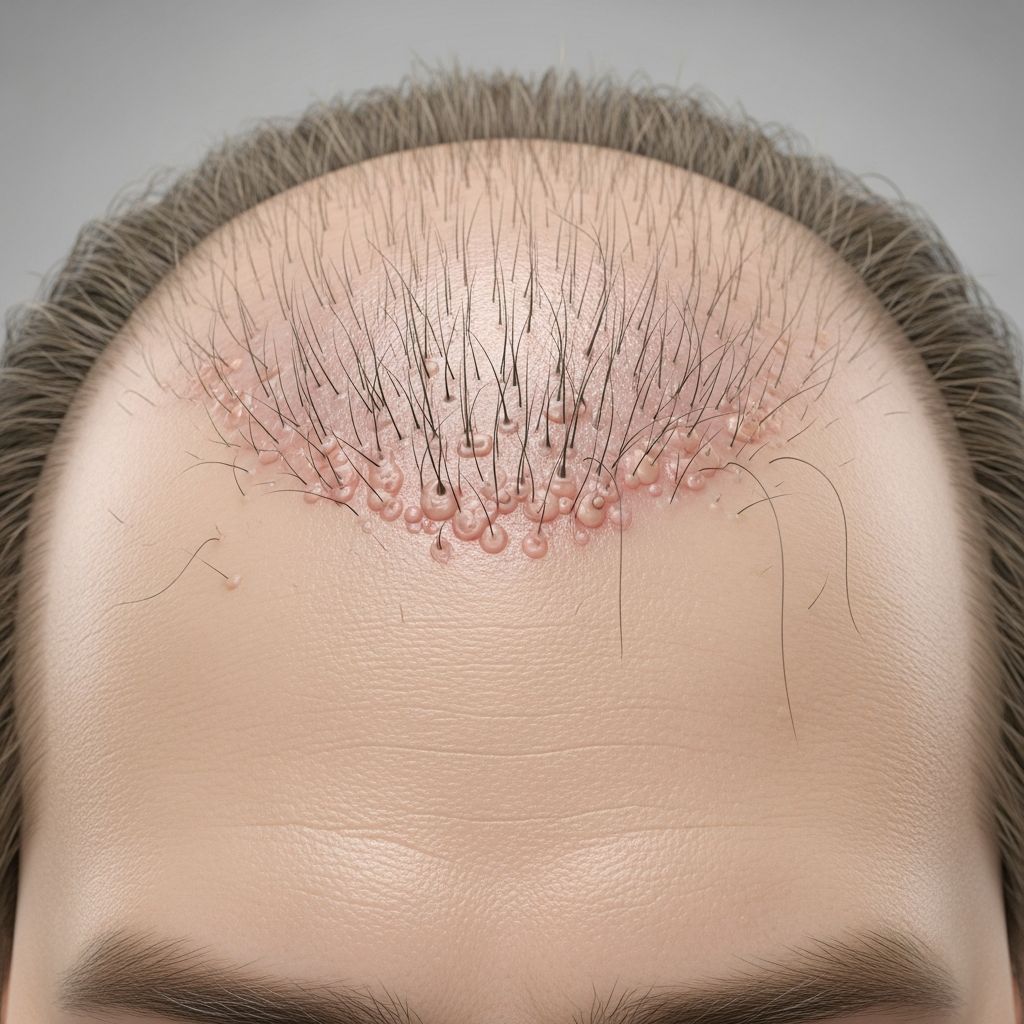
- Receding hairline: Symmetric band-like recession of frontal and temporal scalp, pale smooth band lacking follicular openings
- Eyebrow loss: Early and common (80–90%), often asymmetric initially
- Body hair loss: Axillary, pubic, limbs in 50% of cases
- Scalp symptoms: Itching, burning, pain, redness, scaling at advancing edge
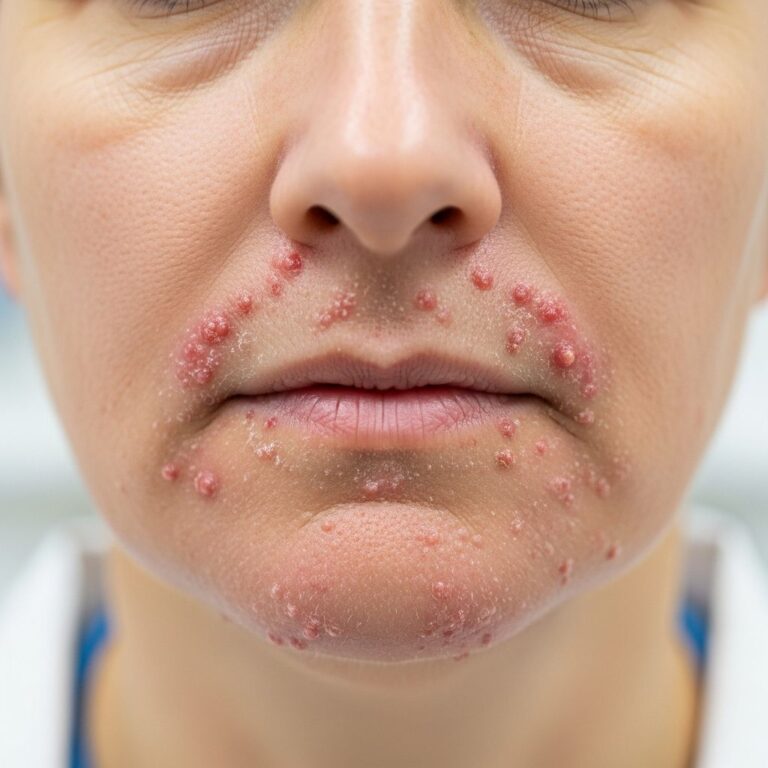
- Facial papules: Small raised bumps (follicular hyperkeratosis)
- Eyelash loss: Occasional
Skin may appear shiny and smooth post-scarring.
How is frontal fibrosing alopecia diagnosed?
Diagnosis combines clinical examination, dermoscopy, and biopsy:
- Clinical: Receding hairline, absent follicles, eyebrow loss
- Dermoscopy: Perifollicular erythema, scaling, keratin plugs
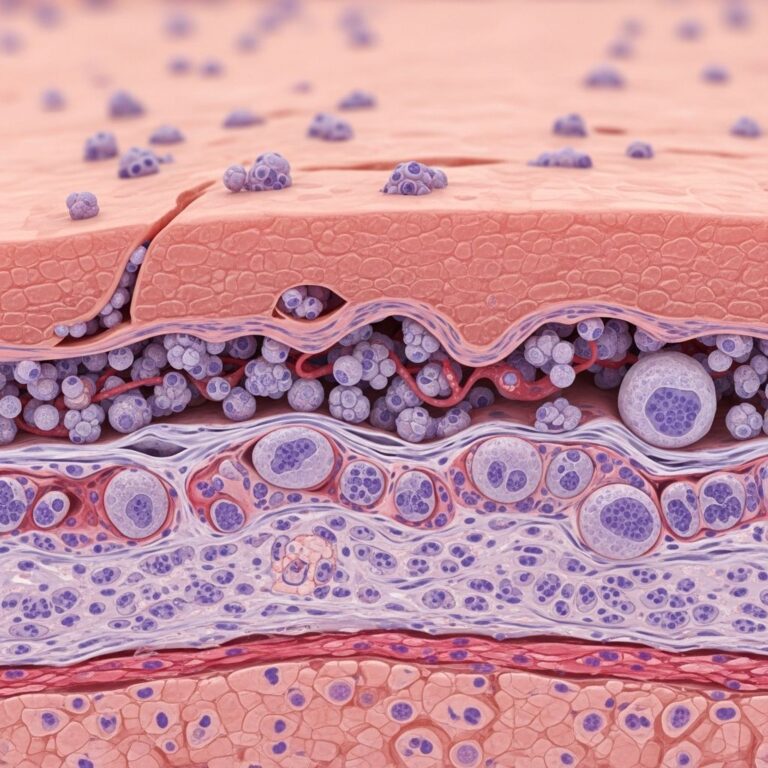
- Biopsy: Confirms scarring with lichenoid lymphocytic infiltrate around follicles
Differentiate from androgenetic alopecia or traction alopecia.
Related Stories



What is the treatment for frontal fibrosing alopecia?
No uniformly effective treatment exists; goal is to halt progression with early intervention. Options include:
| Treatment Type | Examples | Usage |
|---|---|---|
| Corticosteroids | Oral prednisone, intralesional injections | For rapid onset; short courses to reduce inflammation |
| 5-alpha-reductase inhibitors | Finasteride, dutasteride | Stabilise hair loss, especially with androgenetic component |
| Antimalarials | Hydroxychloroquine | Immunomodulatory for autoimmune activity |
| Anti-inflammatories | Tetracyclines (doxycycline) | Mild cases with inflammation |
| Immunosuppressants | Mycophenolate mofetil, tacrolimus | Refractory cases |
| Biologics | Rituximab, adalimumab, JAK inhibitors | Emerging for severe disease |
Adjuncts: Topical steroids, minoxidil for cosmetic benefit. Hair transplantation once stable. Avoid triggers like certain sunscreens.
Frequently asked questions
What is frontal fibrosing alopecia?
A scarring alopecia causing progressive recession of the frontal hairline and eyebrow loss, primarily in postmenopausal women.
Is frontal fibrosing alopecia permanent?
Yes, due to scarring; early treatment may prevent further loss but regrowth is rare.
Can frontal fibrosing alopecia be stopped?
Progression can often be slowed or halted with treatments like corticosteroids and 5ARIs, especially if started early.
Does frontal fibrosing alopecia affect men?
Yes, though less commonly than women.
Is eyebrow loss always present?
No, but occurs in 80–90% of cases and is an early sign.
What triggers FFA?
Possible triggers: sunscreen, fragrances, hormonal changes.
Clinical images
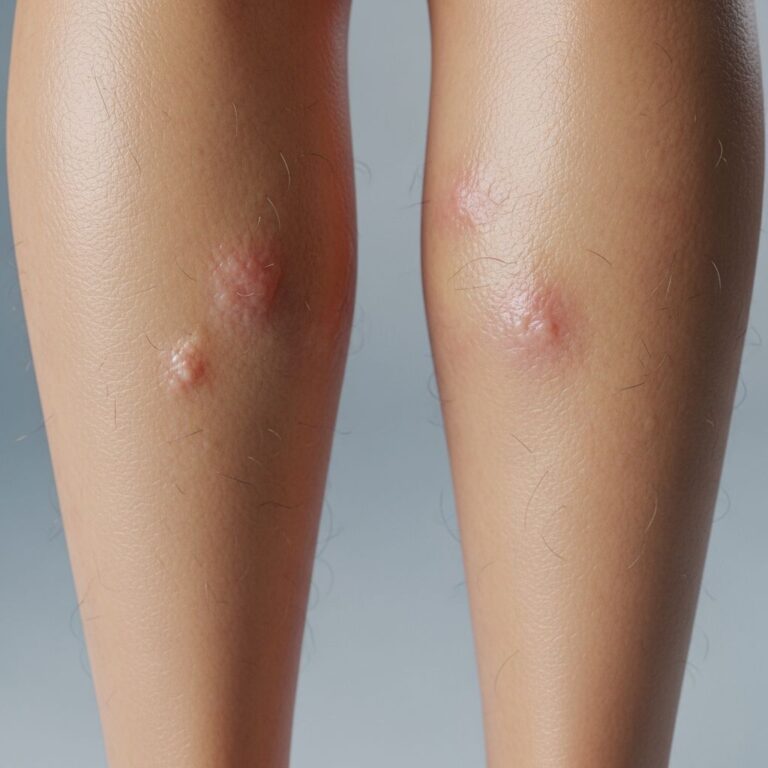
(Descriptions based on typical presentations: Image 1 shows receding frontal hairline with pale band and eyebrow loss in a woman. Image 2 depicts facial papules. Image 3 illustrates dermoscopy with perifollicular scaling.)
References
- Frontal Fibrosing Alopecia: Scarring Hair Loss Guide — Indiana University School of Medicine. 2023. https://dermatrials.medicine.iu.edu/blogs/frontal-fibrosing-alopecia-scarring-hair-loss-guide
- Frontal fibrosing alopecia – DermNet — DermNet NZ. 2024-01-15. https://dermnetnz.org/topics/frontal-fibrosing-alopecia
- Frontal Fibrosing Alopecia: Symptoms, Causes & Treatments — Cleveland Clinic. 2023-11-20. https://my.clevelandclinic.org/health/diseases/23316-frontal-fibrosing-alopecia
- Frontal Fibrosing Alopecia — ScarringAlopecia.org. 2024. https://scarringalopecia.org/frontal-fibrosing-alopecia
- Hair loss types: Frontal fibrosing alopecia signs and symptoms — American Academy of Dermatology. 2023. https://www.aad.org/public/diseases/hair-loss/types/frontal-fibrosing-alopecia/symptoms
- Frontal fibrosing alopecia – Mayo Clinic — Mayo Clinic. 2023-09-10. https://www.mayoclinic.org/diseases-conditions/hair-loss/expert-answers/frontal-fibrosing-alopecia/faq-20485259
Similar Articles








Read full bio of medha deb