Frostbite: Symptoms, Treatment, And Prevention Guide
Comprehensive guide to frostbite: causes, symptoms, stages, treatment, and prevention strategies for cold weather injuries.
Frostbite
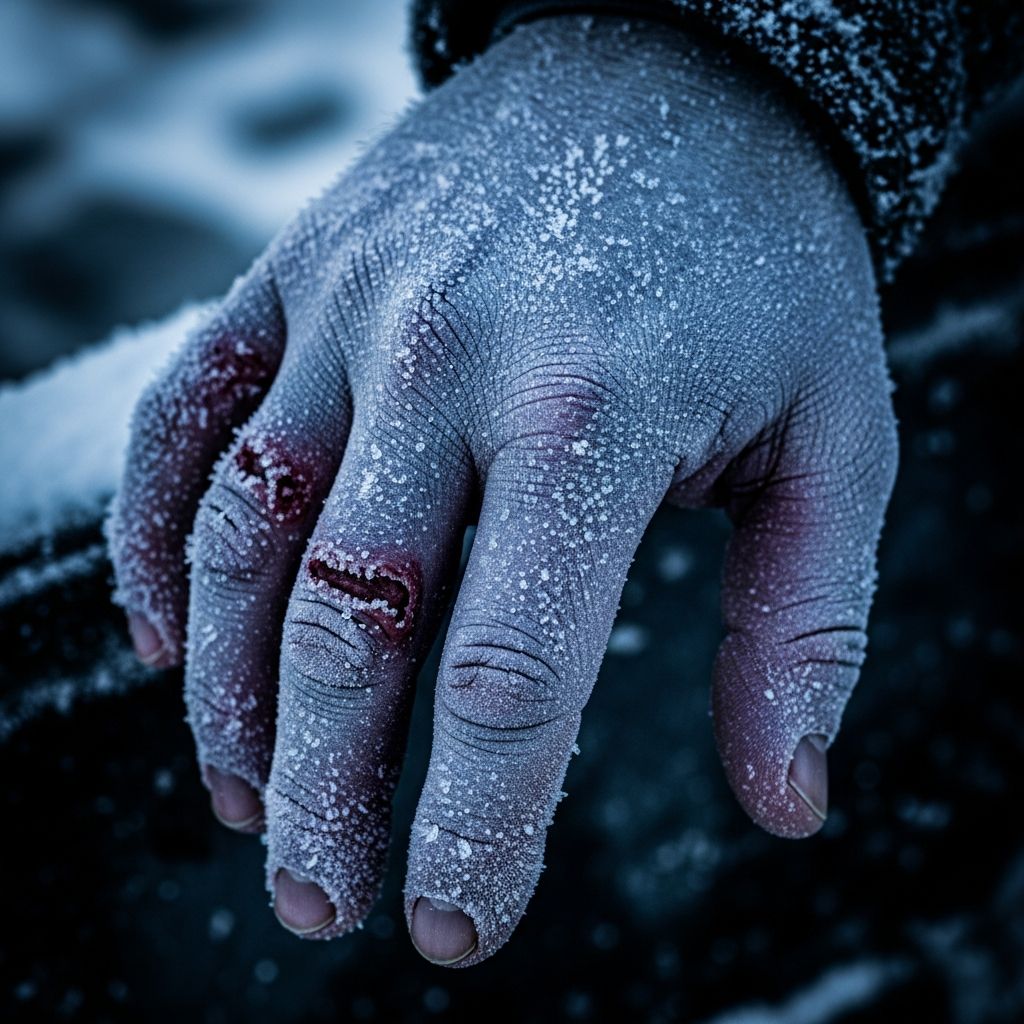
Frostbite is a severe cold-induced injury where skin and underlying tissues freeze, most commonly affecting extremities like fingers, toes, ears, nose, and cheeks due to extreme cold exposure below freezing temperatures.
Introduction
Frostbite develops when body tissues freeze solid from prolonged exposure to sub-zero temperatures, particularly in windy conditions where wind chill accelerates heat loss. It rarely occurs above -10°C in calm air but is common in mountaineers, skiers, military personnel, and outdoor workers. The injury involves ice crystal formation in cells, leading to vascular damage, inflammation, and potential tissue death. Early recognition is crucial as improper handling can worsen outcomes, including gangrene or amputation.
This condition progresses through stages based on depth: superficial affecting only skin, to deep involving muscle, tendon, and bone. Risk increases with wet clothing, fatigue, alcohol, and pre-existing circulation issues. Prompt rewarming in controlled settings prevents progression, though long-term effects like chronic pain and cold sensitivity persist in many cases.
Who gets frostbite?
Certain populations face higher frostbite risk due to occupational, recreational, or circumstantial factors:
- Mountaineers, skiers, and snowboarders exposed to high altitudes and wind chill.
- Military personnel in arctic training or combat zones.
- Homeless individuals or those sleeping outdoors in winter.
- Outdoor workers like construction, fishing, or utility repair in cold climates.
- Individuals with peripheral vascular disease, Raynaud phenomenon, or prior frostbite.
- Children and elderly due to less efficient thermoregulation.
- People under influence of alcohol, drugs, or psychiatric conditions impairing judgment.
Epidemiological data shows higher incidence in males aged 20-40 engaged in high-risk activities. Previous frostbite triples recurrence risk due to vascular hypersensitivity.
Causes
Frostbite results from direct freezing of tissues combined with physiological responses:
- Extreme cold: Tissue freezes below 0°C; wind chill below -10°C heightens risk by convective heat loss.
- Wind exposure: Increases effective temperature drop, e.g., -5°C feels like -20°C at 20 km/h wind.
- Wet skin/clothing: Accelerates conductive heat loss; sweat or immersion triples risk.
- Impaired circulation: Tight boots, gloves, fatigue, dehydration reduce blood flow.
- Toxins: Alcohol causes vasodilation then vasoconstriction; smoking narrows vessels; beta-blockers limit response.
- Physiology: Initial cold-induced vasodilation fails, leading to stasis, thrombosis, and ice crystal damage.
Ice crystals disrupt cell membranes, release prostaglandins causing vasoconstriction, and trigger reperfusion injury upon thawing with free radicals.
Signs and symptoms
Symptoms evolve with exposure duration and severity:
- Early (frostnip): Cold sensation, stinging, itching, pallor, numbness, clumsiness.
- Progressing: Firmness, burning pain, throbbing, hyperhidrosis, blue discoloration.
- Severe: Complete anesthesia, wood-like hardness, mottled blue-white skin, blisters (clear/milky or hemorrhagic).
- Post-thaw: Swelling, severe pain, vesicles, necrosis, gangrene odor.
Skin feels frozen; underlying tissue may remain pliable initially. Pain paradoxically decreases with numbness in deep cases.
Stages of frostbite
Frostbite severity is classified by tissue depth and post-thaw appearance:
| Stage | Skin Appearance | Depth | Blisters/Outcome |
|---|---|---|---|
| First-degree (Frostnip) | Pale/white, numb, soft base | Epidermis only | No blisters; resolves with rewarming |
| Second-degree (Superficial) | White/blue, hard frozen | Dermis | Clear/milky blisters in 24h; edema, pain |
| Third-degree (Deep) | Mottled blue-white, hard/mushy | Subcutaneous fat | Hemorrhagic blisters, scabs; possible amputation |
| Fourth-degree | Blackened, insensate | Muscle, tendon, bone | Necrosis, autoamputation, surgical debridement |
First-degree involves reversible epidermal damage. Second-degree blisters heal with scarring possible. Third/fourth-degree cause permanent loss.
Treatment
First aid
Until medical help:
- Protect from further freezing; do not thaw if refreezing risk exists (e.g., wilderness).
- Remove wet clothing/jewelry; insulate with dry layers.
- Immobilize/elevate; avoid walking on frostbitten feet.
- Warm core first with warm fluids, high-calorie foods.
- Do not rub, apply snow, or use dry heat (fire, stoves).
Hospital management
Rapid rewarming is cornerstone: immerse in 40-42°C water bath (painful, requires analgesia) until pink/flushed (15-60 min).
- Supportive: Tetanus prophylaxis, IV fluids, ibuprofen (400mg q6h) for prostaglandins, opioids for pain, antibiotics if infected.
- Aloes vera cream: Q6h under occlusive wraps for anti-inflammatory effects.
- Blister care: De-roof clear blisters; leave hemorrhagic intact.
- Advanced: T thrombolysis within 24h if no contraindications; hyperbaric oxygen; sympathectomy.
- Surgery: Wait 3-6 weeks for demarcation; debride eschar, amputate at viable level. Early amputation increases morbidity.
Complications
Acute: Compartment syndrome, infection, thrombosis.
Chronic: Cold intolerance (90%), pain, numbness, hyperhidrosis, Raynaud-like symptoms, nail dystrophy, joint stiffness, osteoporosis, skin cancer risk.
Sequelae worsen with depth; 35% require amputation in severe cases.
Prevention
- Layer clothing: Windproof/waterproof outer, insulating inner; wool socks, mittens > gloves.
- Check forecast: Avoid extreme wind chill; know wind chill index.
- Stay dry/hydrated: Change wet gear; drink fluids, eat carbs.
- Buddy system: Monitor each other for color changes, numbness.
- Protect extremities: Balaclava, neck gaiter, chemical warmers.
- Avoid risks: No alcohol/tobacco; limit vasoconstrictors.
Emollients do not prevent; may increase risk by trapping moisture.
Frequently Asked Questions
What is the first sign of frostbite?
Numbness, pallor, and stinging in extremities.
Can you get frostbite above freezing?
Rarely; wind chill or conductive cold (metal) can cause it near 0°C.
Should you rub frostbitten skin?
No; causes ice crystal shearing and damage.
How long for rewarming?
15-60 minutes in 40°C water until thaw.
When is amputation needed?
After 3-6 weeks when nonviable tissue demarcates.
Related topics
References
- Heat and cold — DermNet NZ. 2023. https://dermnetnz.org/topics/heat-and-cold
- Frostbite — DermNet NZ. 2005 (reviewed 2023). https://dermnetnz.org/topics/frostbite
- Cold protecting emollients and frostbite — University of Oulu. 2003. https://oulurepo.oulu.fi/bitstream/handle/10024/37281/isbn951-42-5988-2.pdf
- Frostbite Stages: Pictures, Symptoms, and Treatment — Healthline (reviewed by medical experts). 2023. https://www.healthline.com/health/frostbite-stages
- A SIMPLE GUIDE TO AVOIDING FROSTBITE — Outdoor Safety Ministry NZ. 2023. https://www.osm.nz/simple-guide-avoiding-frostbite/
Similar Articles








Read full bio of medha deb