Frostbite Symptoms: How To Spot, Treat, And Prevent
Recognize frostbite symptoms early, from mild frostnip to severe stages, and learn prevention and treatment to avoid complications like amputation.
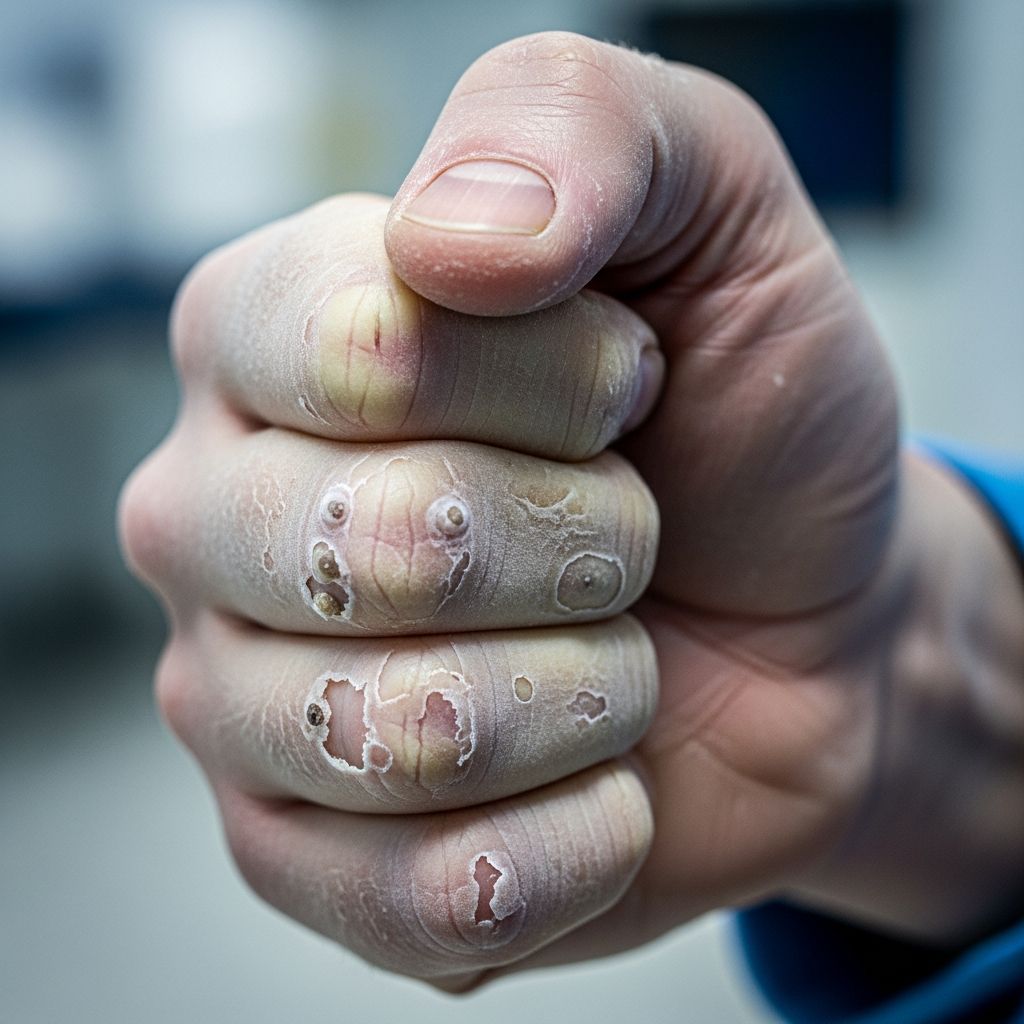
Frostbite occurs when skin and underlying tissues freeze due to extreme cold exposure, often affecting extremities like fingers, toes, ears, nose, cheeks, chin, and penis. Early recognition of symptoms is critical to prevent permanent damage, as it progresses from mild frostnip to severe cases involving gangrene or amputation.
What Is Frostbite?
Frostbite is an injury caused by freezing of the skin and deeper tissues, triggered by prolonged exposure to cold temperatures, especially below freezing, combined with wind chill. It results from ice crystal formation in cells and reduced blood flow due to vasoconstriction, leading to tissue death if untreated. Frostnip, the mildest form, is reversible, while deeper frostbite damages muscles, tendons, bones, and nerves.
The injury has two phases: initial freezing damage from ice crystals and a later inflammatory response upon rewarming, which can cause further harm like blood clots. Common in winter activities, outdoor workers, homeless individuals, and those with inadequate clothing, frostbite often accompanies hypothermia, where core body temperature drops below 95°F (35°C).
Frostbite Symptoms
Symptoms vary by stage and skin tone, making detection challenging on darker skin. Initial signs include prickling, numbness, and color changes; severe cases show waxy skin, blisters, and black tissue.
- Numbness or reduced sensation: Affected areas feel cold, tingly, or completely numb, masking further injury.
- Skin color changes: Redness in early stages; white, pale, grayish-yellow, blue-gray, purple, or brown patches later. On brown or Black skin, color shifts may be subtle.
- Texture changes: Skin feels firm, hard, waxy, or doughy; joints stiffen, causing clumsiness.
- Pain or prickling: Pins-and-needles sensation, aching, throbbing, or burning, especially during rewarming.
- Blisters: Clear fluid in superficial cases (12-36 hours post-rewarm); blood-filled or black in deep frostbite (24-48 hours).
- Advanced signs: Swelling, gangrene (blackened, dead tissue), and loss of nails or tissue.
People may not notice frostbite due to numbness until others point it out or upon rewarming, when pain intensifies.
Stages of Frostbite
Frostbite progresses in stages similar to burns, from superficial to full-thickness damage. Staging guides treatment urgency.
| Stage | Symptoms | Depth Affected | Prognosis |
|---|---|---|---|
| Frostnip (Mild) | Cold feeling, tingling, numbness, redness; no permanent damage. | Surface skin | Fully reversible with warming. |
| Superficial (1st-2nd Degree) | Skin color change (pale/white), warm sensation signaling involvement, stinging/burning, clear blisters post-rewarm, edema. | Epidermis, upper dermis | Patchy skin, possible scarring; treat promptly. |
| Deep (3rd-4th Degree) | Bluish-gray skin, large blood-filled blisters, numbness without pain/cold sense, black hard tissue weeks later, joint/muscle involvement. | Full skin thickness, muscle, bone | Risk of gangrene, amputation; poor sensation long-term. |
First-degree: Numbness, pallor with erythema. Second: Blistering. Third: Hemorrhagic blisters, full skin loss. Fourth: Deeper structure loss.
Related Stories



Risk Factors for Frostbite
Certain conditions heighten vulnerability:
- Environmental: Temperatures below 0°F (-18°C), high winds, wet clothing.
- Behavioral: Alcohol/drug use impairs judgment; smoking constricts vessels; fatigue or prior exhaustion.
- Medical: Poor circulation (diabetes, Raynaud’s), peripheral neuropathy, mental health issues limiting self-care.
- Demographic: Children, elderly, outdoor workers, military, homeless; prior frostbite increases risk.
- Other: Tight clothing, metal contact, immobility.
Frostbite Treatment
Seek medical help immediately; do not rewarm if refreezing risk exists. First aid focuses on rapid, safe rewarming.
- Get to warmth: Move to shelter; remove wet clothes.
- Rewarm: Immerse in 104-108°F (40-42°C) water (not dry heat); 30-60 minutes until pink/flushed. Avoid rubbing.
- Protect blisters: Cover loosely; elevate; ibuprofen for pain/inflammation.
- Hospital care: Tetanus shot, antibiotics if infected; surgery for dead tissue (wait 22-45 days); hyperbaric oxygen or thrombolytics in severe cases.
- Avoid: Walking on frostbitten feet pre-rewarm; hot water, fire, ointments.
Full recovery possible if superficial; deep cases may require amputation.
Complications of Frostbite
Untreated frostbite leads to:
- Immediate: Hypothermia (shivering, confusion, low energy); infection.
- Long-term: Chronic pain, cold sensitivity, hyperhidrosis, numbness, nail loss, growth plate issues in kids, gangrene/amputation.
- Rare: Tetanus.
How to Prevent Frostbite
Layer clothing, cover skin, stay dry, limit time outdoors. Monitor for symptoms; hydrate and eat well.
- Wear windproof/waterproof gear, mittens over gloves, hats, scarves.
- Avoid alcohol/tobacco; stay active.
- Buddy system: Check each other.
- Carry warm packs, emergency shelter.
When to See a Doctor for Frostbite
Any suspected frostbite warrants evaluation, especially with blisters, persistent numbness, or color changes post-rewarm. Deep frostbite requires ER; hypothermia signs need urgent care.
Frequently Asked Questions (FAQs)
What are the first signs of frostbite?
Early signs include prickling, numbness, tingling, and skin color changes like redness or pallor. Seek shelter immediately.
Can frostbite be reversed?
Frostnip and superficial frostbite can fully reverse with prompt rewarming; deep frostbite often causes permanent damage.
How long does frostbite take to develop?
Minutes in extreme cold/wind; depends on temperature, wind chill, clothing, and exposure time.
Does frostbite only affect fingers and toes?
No, ears, nose, cheeks, chin, and penis are common sites; any exposed skin.
What should you not do for frostbite?
Avoid rubbing, hot water, walking on affected feet, or thawing if refreezing possible.
References
- Frostbite | Symptoms, Diagnosis & Treatment — UCHealth. 2023. https://www.uchealth.org/diseases-conditions/frostbite/
- Frostbite – Symptoms and causes — Mayo Clinic. 2023-10-25. https://www.mayoclinic.org/diseases-conditions/frostbite/symptoms-causes/syc-20372656
- Frostbite: MedlinePlus Medical Encyclopedia — MedlinePlus (U.S. National Library of Medicine). 2023. https://medlineplus.gov/ency/article/000057.htm
- Frostbite – StatPearls — NCBI Bookshelf (National Center for Biotechnology Information). 2023-07-17. https://www.ncbi.nlm.nih.gov/books/NBK536914/
Similar Articles








Read full bio of Sneha Tete