Undefined Frozen Foods: Convenient, Nutritious Guide
Discover how frozen foods deliver convenience, superior nutrition, and year-round access to fresh-tasting meals without compromising health.
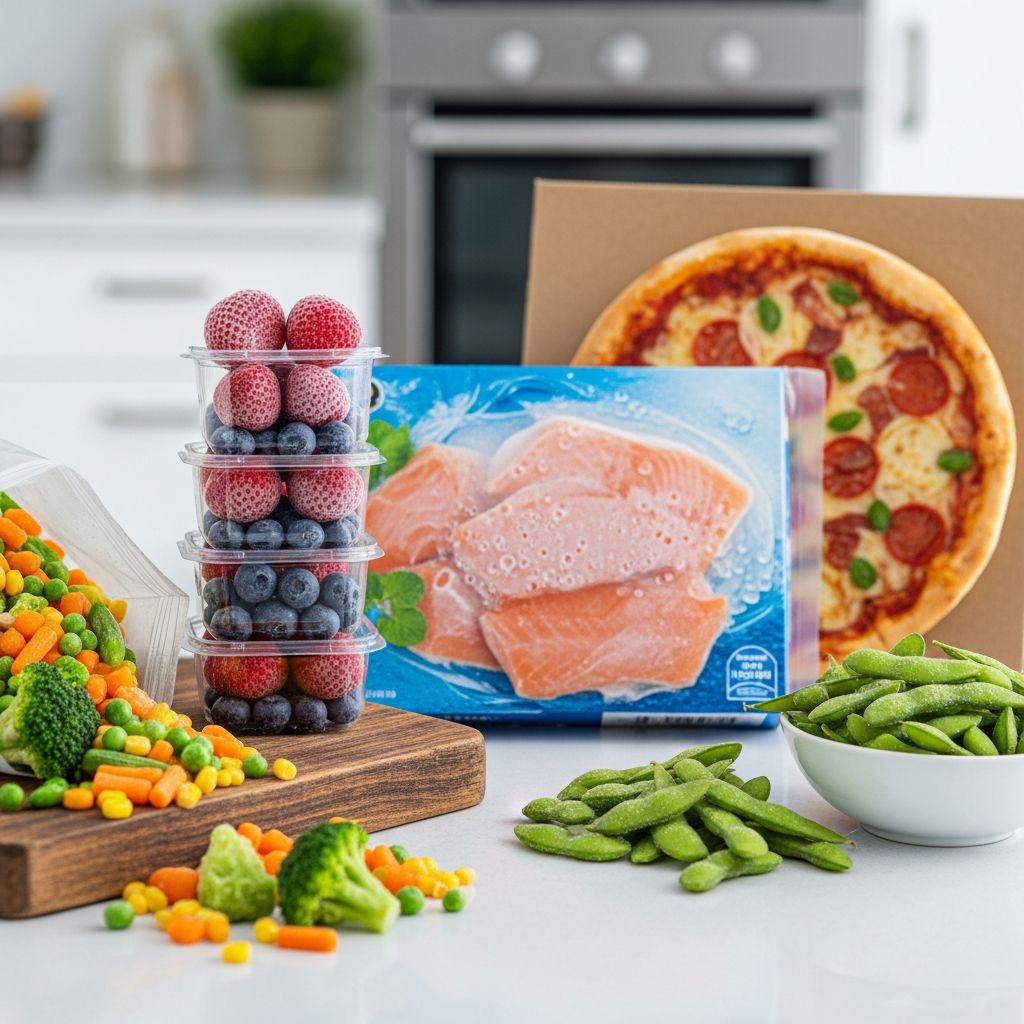
Frozen foods offer a practical solution for busy individuals seeking nutritious meals without the hassle of daily shopping or extensive preparation. Harvested at peak ripeness and flash-frozen, these foods retain vitamins, minerals, and flavor better than many fresh counterparts that lose nutrients during transport and storage.
The Advantages of Frozen Foods
Frozen foods excel in convenience, nutritional value, and versatility, making them ideal for modern lifestyles. They provide
total meal solutions
by combining proteins, vegetables, and grains in balanced portions, saving time on chopping and cooking multiple components. Theirlong shelf-life
—often months longer than fresh produce—reduces spoilage worries, allowing stockpiling without waste.Seasonal items like berries or seafood become available year-round, frozen right after harvest to preserve taste, texture, and nutrition. This diversity supports varied diets, from low-carb to plant-based, with pre-portioned options aiding
portion control
for weight management or calorie tracking.- Nutrient Preservation: Freezing locks in essentials like vitamins C and A, often surpassing store-bought fresh produce.
- Reduced Food Waste: No peels, pits, or spoilage—100% edible content maximizes value.
- Cost-Effective: Affordable access to out-of-season produce and proteins.
Nutritional Value of Frozen Fruits and Vegetables
Frozen fruits and vegetables are frequently more nutritious than fresh ones. Picked at peak ripeness and rapidly frozen, they retain higher levels of vitamins and antioxidants. A study in the Journal of Agricultural and Food Chemistry compared eight items like broccoli, spinach, and blueberries, finding frozen versions equal or superior in vitamin content after storage.
Fresh produce picked early for shipping loses up to 50% of nutrients en route to stores and in your fridge. In contrast, frozen options are flash-frozen within hours, preserving quality. The Academy of Nutrition and Dietetics affirms frozen produce matches fresh nutritional profiles, making it a budget-friendly way to boost intake.
| Nutrient | Fresh (After 5 Days Storage) | Frozen (From Peak Ripeness) |
|---|---|---|
| Vitamin C (Broccoli) | ~50% loss | Retained fully |
| Antioxidants (Blueberries) | Decreased | Higher or equal |
| Folate (Spinach) | Reduced | Preserved |
Incorporate frozen berries into smoothies, peas into stir-fries, or mixed veggies into soups for effortless nutrition.
Frozen Proteins and Seafood
Frozen seafood and lean proteins maintain quality equal to or better than fresh. Freezing preserves omega-3s in fish and muscle integrity in meats, preventing degradation. Opt for vacuum-packed fillets without ice crystals, signaling minimal quality loss.
Shrimp and scallops may contain sodium additives like tripolyphosphate—check labels. Frozen chicken breasts or turkey meatballs offer convenient protein boosts for salads or bowls.
- Flash-freezing seals freshness, ensuring tender texture upon thawing.
- Supports heart-healthy diets with low-fat options.
- Extended storage up to 8-12 months.
Smart Shopping Tips for Frozen Foods
Maximize health benefits by choosing wisely in the freezer aisle. Prioritize items with short ingredient lists, avoiding excess sodium (aim under 600mg per serving), added sugars, and saturated fats.
- Read Labels: Seek whole foods first in ingredients; ignore if over 20% daily sodium value.
- Check Portions: Pre-portioned meals aid balance—pair with fresh sides if needed.
- Avoid Additives: Skip those with preservatives or artificial flavors.
- Buy in Bulk: Stock favorites like edamame or salmon for quick meals.
- Storage Check: Ensure packages are freezer-burn free—no white patches.
Related Stories



Registered dietitians endorse frozen meals for balanced nutrition when selected thoughtfully.
Cooking and Preparation Tips
Proper handling ensures optimal taste and safety. Thaw proteins in the fridge overnight, never at room temperature. Steam or microwave veggies briefly to retain crunch—overcooking leaches nutrients.
Enhance frozen meals: Add fresh herbs, a squeeze of lemon, or extra greens. Bake instead of frying for lower fat. Follow package times precisely to avoid sogginess.
- Use steam bags for veggies—no pots needed.
- Combine frozen stir-fry mixes with tofu for plant-based twists.
- Portion leftovers immediately to maintain quality.
Portion Control and Meal Planning
Pre-portioned frozen foods simplify healthy eating. They eliminate guesswork, supporting weight goals by providing exact calories, fiber, and macros on labels. Use them for meal prep: Rotate proteins and veggies weekly for variety.
Studies show portion-controlled meals aid adherence to diets, reducing overeating. Pair a frozen entrée with a side salad for a complete, 500-calorie lunch.
Reducing Food Waste and Saving Money
Frozen foods cut waste dramatically—no wilting greens or expired fish. Their longevity means buying in season at low prices, like summer berries frozen for winter. Industry data indicates less household waste with frozen staples.
Economically, they’re unbeatable: No peels or inedible parts, plus consistent quality from chef-developed recipes.
Frequently Asked Questions (FAQs)
Are frozen foods less nutritious than fresh?
No, frozen fruits and veggies are often more nutritious, frozen at peak ripeness to lock in vitamins, unlike fresh that degrade in transit.
Do frozen foods have more sodium?
Some do—check labels and choose low-sodium options under 600mg per serving for heart health.
Can I use frozen foods for weight loss?
Yes, pre-portioned meals support portion control and balanced macros, aiding calorie management.
How long do frozen foods last?
Up to 8-12 months in a standard freezer; follow ‘best by’ dates and store at 0°F.
Are frozen meals created by dietitians?
Many are, ensuring balanced nutrition with veggies, lean proteins, and whole grains.
References
- Convenience Without Compromise: Balancing Health and Taste in Frozen Foods — Frozen Advantage. 2023. https://frozenadvantage.org/convenience-without-compromise-balancing-health-and-taste-in-frozen-foods/
- The Key Benefits of Frozen Food — Performance Kitchen. 2023. https://performancekitchen.com/blogs/blog-articles/the-key-benefits-of-frozen-food
- Frozen Foods: Myth or Fact? — NorthShore Health Centers. 2023. https://northshorehealth.org/frozenfoods/
- The Cold, Hard Facts About Frozen Foods — Center for Science in the Public Interest. 2023. https://www.cspi.org/cspi-news/cold-hard-facts-about-frozen-foods
- 12 Benefits of Frozen Foods — Easy Home Meals. 2023. https://www.easyhomemeals.com/cooking-tips-inspiration/12-reasons-frozen-foods-better/
- The Truth About Frozen Food — University of Utah Health. 2024-11-01. https://healthcare.utah.edu/healthfeed/2024/11/truth-about-frozen-food
Similar Articles








Read full bio of medha deb