Frozen Shoulder: Causes, Symptoms, and Treatment Options
Understanding frozen shoulder: comprehensive guide to symptoms, diagnosis, and effective treatment strategies.
Understanding Frozen Shoulder
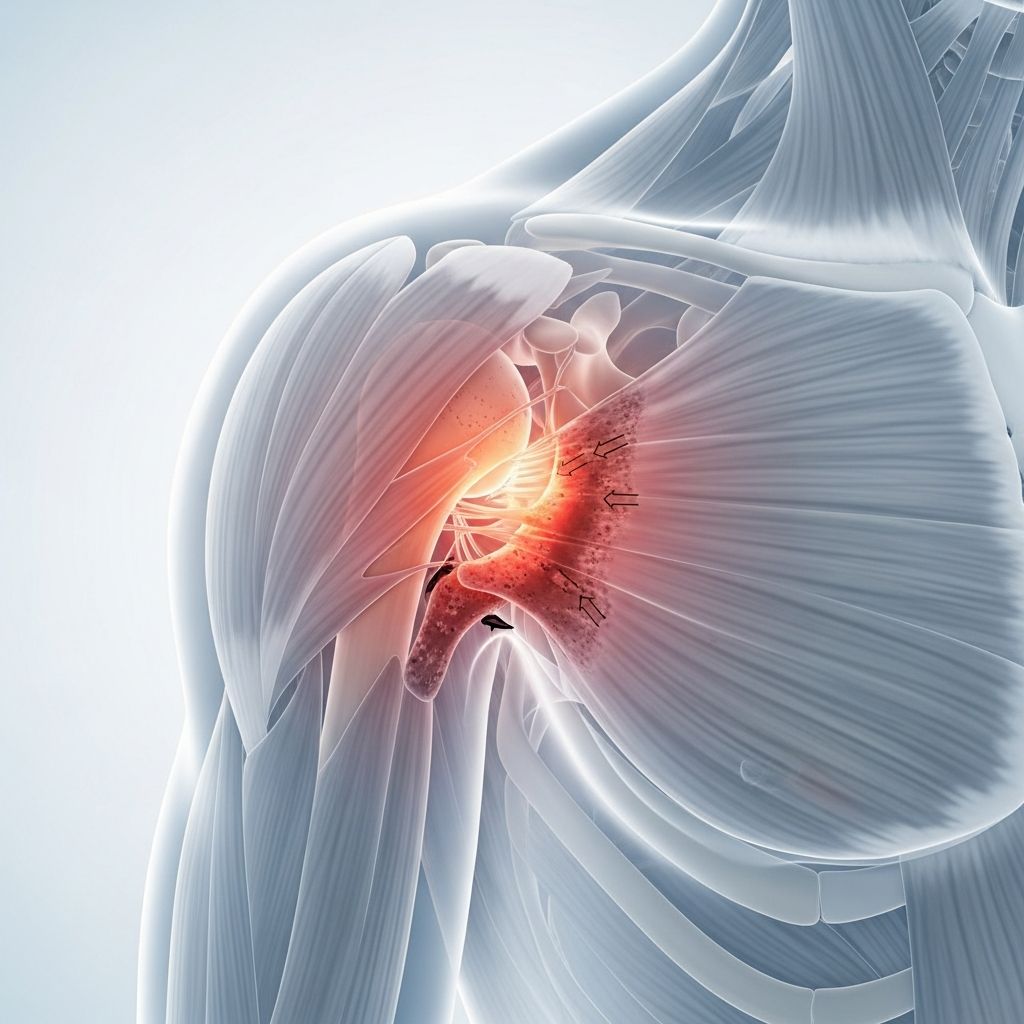
Frozen shoulder, medically known as adhesive capsulitis, is a condition characterized by pain and stiffness in the shoulder joint that develops gradually over time. This debilitating condition affects the shoulder’s range of motion and can significantly impact daily activities and quality of life. The condition typically progresses through distinct stages, each with its own characteristics and challenges.
The underlying mechanism of frozen shoulder involves the thickening and tightening of the shoulder joint capsule, which is the tissue surrounding the shoulder joint. This tissue becomes inflamed and develops scar tissue, restricting movement and causing discomfort. Understanding this condition is essential for early recognition and appropriate management.
The Three Stages of Frozen Shoulder
Frozen shoulder progresses through three distinct stages, each with characteristic symptoms and duration. Recognizing which stage you are in can help guide treatment decisions and set realistic expectations for recovery.
Stage 1: The Freezing Stage
The freezing stage marks the beginning of frozen shoulder, characterized by a slow onset of pain in the shoulder joint. This stage typically lasts from six weeks to nine months, though the duration varies among individuals. During this phase, pain gradually worsens, and the shoulder progressively loses its range of motion. Movement becomes increasingly difficult and uncomfortable, with pain often described as dull or aching in nature.
Many people experience worsening symptoms during this stage, particularly when attempting to move the shoulder. The pain may radiate to the outer shoulder or upper arm, and daily activities that require shoulder mobility become challenging. Despite the progressive nature of this stage, it is crucial to maintain gentle movement to prevent further stiffness.
Stage 2: The Frozen Stage
Following the freezing stage comes the frozen stage, which is marked by a gradual improvement in pain levels. However, this stage is defined by persistent stiffness and significantly restricted shoulder movement. This stage generally lasts between four to nine months and represents the most functionally limiting phase for most patients.
While pain may decrease during this stage, the stiffness remains pronounced, making even basic movements extremely difficult. The shoulder joint feels tight and locked, limiting the ability to reach overhead, behind the back, or across the body. This stage requires dedicated physical therapy and consistent effort to prevent permanent loss of motion.
Stage 3: The Thawing Stage
The thawing stage represents recovery and gradual restoration of shoulder movement. During this phase, shoulder motion slowly returns to normal function, though the timeline can be extended. The thawing stage typically lasts between five to 26 months, with complete recovery sometimes taking up to three years from the initial onset of symptoms.
Related Stories



During this stage, patients gradually regain their ability to move the shoulder, and pain continues to diminish. Physical therapy and home exercises remain important during this phase to facilitate complete recovery and restore full strength and flexibility to the shoulder joint.
Causes and Risk Factors
Frozen shoulder can develop for various reasons, though sometimes the exact cause remains unclear. Certain factors increase the likelihood of developing this condition and should be understood by those at risk.
Prolonged immobilization of the shoulder is a significant risk factor for developing frozen shoulder. This can occur following shoulder surgery, arm fractures, stroke, or other conditions requiring extended periods of shoulder rest. People with diabetes, thyroid disease, heart disease, or Parkinson’s disease have a higher incidence of frozen shoulder. Additionally, individuals who experience shoulder injuries and delay treatment are at increased risk for developing this condition.
Signs and Symptoms
Recognizing the symptoms of frozen shoulder is important for early diagnosis and treatment initiation. The condition presents with a characteristic pattern of symptoms that evolve throughout its progression.
The primary symptoms of frozen shoulder include:
– Dull or aching pain in the outer shoulder or upper arm- Difficulty moving the shoulder, particularly with overhead reaching or rotating movements- Stiff muscles surrounding the shoulder joint- Restricted range of motion that worsens over time- Inability to perform daily activities that require shoulder mobility
Pain is typically worse when attempting to move the shoulder and may be accompanied by a grinding or catching sensation. Nighttime pain is common and may interfere with sleep, particularly when lying on the affected shoulder. The pain and stiffness gradually worsen during the freezing stage before beginning to improve during the frozen and thawing stages.
Diagnosis of Frozen Shoulder
Diagnosing frozen shoulder typically involves a combination of clinical evaluation and imaging studies. Your healthcare provider will begin by taking a detailed history of your symptoms, including when the pain started, what movements make it worse, and any prior shoulder injuries or surgeries.
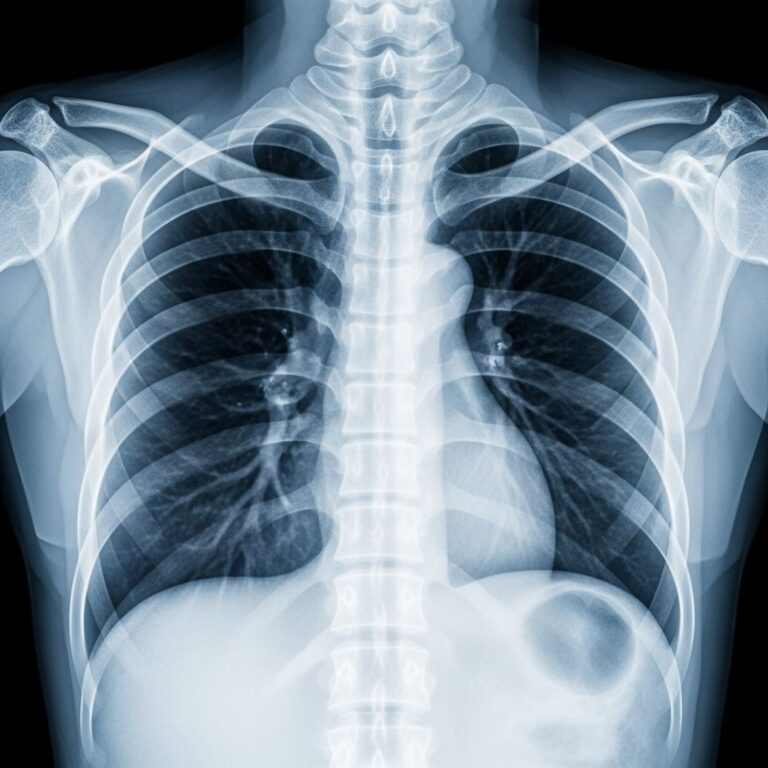
A physical examination will assess your shoulder’s range of motion, strength, and pain response to specific movements. Your doctor may perform special tests to evaluate the shoulder joint’s function and stability. Imaging studies such as X-rays or MRI may be ordered to rule out other conditions and confirm the diagnosis, particularly if the clinical presentation is unclear.
Treatment Options
The primary goals of frozen shoulder treatment are to control pain and restore shoulder motion and function. Most patients improve with relatively simple, nonsurgical treatments, though the timeline for recovery varies. A comprehensive treatment approach typically addresses pain management, restoration of motion, and prevention of recurrence.
Pain Management Strategies
Controlling shoulder pain is the first step in frozen shoulder treatment, allowing patients to participate more actively in rehabilitation. Several pain management options are available, ranging from over-the-counter medications to more advanced interventions.
Nonsteroidal Anti-Inflammatory Medications: Over-the-counter pain relievers such as aspirin and ibuprofen (Advil, Motrin IB) can help reduce pain and inflammation associated with frozen shoulder. These medications work best when taken regularly as directed, particularly in the early stages of the condition. If over-the-counter options prove insufficient, healthcare providers may prescribe stronger anti-inflammatory medications.
Heat Therapy: Applying heat to the shoulder helps decrease pain and relaxes the muscles before stretching exercises. A heat pack or hot water bottle wrapped in a towel can be applied for up to 20 minutes at a time. Heat increases blood flow to the affected area, promoting tissue healing and reducing stiffness. Many patients find heat therapy particularly beneficial before physical therapy sessions.
Cold Therapy: In some cases, cold compresses may help reduce pain and swelling, particularly if inflammation is severe. Alternating between heat and cold therapy may provide optimal pain relief for some individuals.
Steroid Injections and Advanced Interventions
When over-the-counter medications provide insufficient pain relief, healthcare providers may recommend corticosteroid injections directly into the shoulder joint. These injections can significantly decrease pain and improve shoulder mobility, particularly if administered early in the condition’s course.
Corticosteroid Injections: Steroid injections reduce inflammation within the joint capsule, providing substantial pain relief and allowing patients to participate more actively in physical therapy. Multiple injections may be administered at intervals throughout the treatment course.
Hydrodilatation: This procedure involves injecting sterile water into the joint capsule to help stretch the tightened tissue and improve joint mobility. Hydrodilatation is often combined with steroid injections to maximize effectiveness and is sometimes combined with physical therapy for optimal results.
Nerve Stimulation: Transcutaneous electrical nerve stimulation (TENS) units deliver mild electrical currents to key points along nerve pathways. This non-invasive treatment may help reduce pain by stimulating the release of pain-relieving molecules called endorphins or by blocking pain signals.
Physical Therapy and Exercise
Physical therapy is considered the primary treatment for frozen shoulder and is essential for restoring motion and function. A physical therapist will teach specific range-of-motion and stretching exercises designed to gradually restore shoulder mobility.
Physical therapy may be conducted under direct supervision of a therapist or through a home exercise program. The key to success is consistent, dedicated participation in the prescribed exercises, often performed daily. Therapy typically includes:
– Gentle range-of-motion exercises to maintain and gradually improve shoulder movement- Stretching exercises to lengthen the tight joint capsule- Strengthening exercises to restore muscle function- Progressive exercises that increase in intensity as motion improves
Many physical therapists apply heat before exercises to help loosen the shoulder and reduce pain. More than 90 percent of patients improve significantly with physical therapy and conservative treatments, making it the cornerstone of frozen shoulder management.
Surgical Treatment Options
Surgery for frozen shoulder is rarely necessary, as most cases resolve with conservative treatment. However, when nonsurgical treatments fail to provide adequate improvement after an extended period, surgical intervention may be considered.
Shoulder Manipulation Under Anesthesia: This procedure involves administering general anesthesia so you remain unconscious and pain-free while the surgeon gently moves the shoulder joint through its range of motion. This manipulation helps loosen the tightened tissue and break up scar tissue that restricts movement.
Arthroscopic Surgery: Arthroscopic procedures involve making small incisions and using a tiny camera and specialized instruments to visualize and treat the inside of the shoulder joint. The surgeon can remove scar tissue from inside the joint capsule and release the tightened tissues causing restriction. This minimally invasive approach typically results in faster recovery compared to open surgery.
Surgery is typically reserved for severe cases or situations where conservative treatment has been unsuccessful after a year or more of treatment.
Self-Care and Home Management
Managing frozen shoulder at home is an important component of treatment. Several self-care strategies can help ease pain and support recovery.
Recommended Self-Care Practices
– Follow any exercises prescribed by your healthcare provider or physical therapist consistently- Move your shoulder gently and regularly; keeping it completely still will worsen stiffness- Take pain medication as directed to manage pain effectively- Apply heat packs to your shoulder for 15-20 minutes to help reduce pain and stiffness- Perform prescribed exercises at home daily, even on days without physical therapy appointments- Avoid movements that cause significant pain- Gradually increase activity levels as pain permits
Practices to Avoid
– Do not create your own strenuous exercises without professional guidance- Avoid gym equipment or aggressive stretching that could cause additional injury- Do not immobilize the shoulder for extended periods- Avoid ignoring pain signals that suggest overexertion- Do not delay seeking medical attention if symptoms worsen significantly
Complications of Untreated Frozen Shoulder
If left untreated or if treatment is delayed, frozen shoulder can lead to serious complications that significantly impact quality of life. Potential complications include:
– Permanent loss of shoulder mobility and function- Chronic muscle weakness that persists long-term- Ongoing shoulder pain that interferes with daily activities- Complete immobilization of the shoulder joint- Significant reduction in range of motion that limits ability to perform routine tasks
Prevention Strategies
While not all cases of frozen shoulder can be prevented, certain measures can reduce your risk of developing this condition. If you sustain a shoulder injury or undergo shoulder surgery, consult with your healthcare provider immediately to begin appropriate treatment. Early intervention can prevent the development of frozen shoulder.
Maintaining shoulder mobility through regular, gentle exercise helps prevent stiffness and maintains joint health. After any shoulder injury or surgery, follow your doctor’s rehabilitation recommendations carefully. Physical therapy following shoulder procedures can significantly reduce the risk of developing adhesive capsulitis.
Prognosis and Recovery Timeline
The prognosis for frozen shoulder is generally favorable, with most patients achieving significant improvement with appropriate treatment. However, complete recovery can take considerable time. Most patients show noticeable improvement within three to six months of beginning treatment with physical therapy and pain management.
Full or nearly full recovery is typically achieved within two years from the initial onset of symptoms. In some cases, complete recovery may take up to three years. Even without treatment, frozen shoulder tends to improve over time, though the recovery may progress more slowly.
It is unusual for frozen shoulder to recur in the same shoulder, though some individuals may develop the condition in the opposite shoulder, typically within five years of the initial occurrence.
Frequently Asked Questions
Q: How long does frozen shoulder last?
A: Frozen shoulder typically progresses through three stages over 12 to 36 months. The freezing stage lasts 6 to 9 months, the frozen stage lasts 4 to 9 months, and the thawing stage can last 5 to 26 months. Complete recovery may take up to three years.
Q: Can frozen shoulder be cured without surgery?
A: Yes, more than 90 percent of frozen shoulder cases improve with nonsurgical treatments including physical therapy, pain management, and steroid injections. Surgery is rarely necessary.
Q: What exercises help frozen shoulder?
A: Gentle range-of-motion exercises, stretching exercises, and progressive strengthening exercises help restore shoulder mobility. Your physical therapist will prescribe specific exercises appropriate for your stage of recovery.
Q: Can frozen shoulder recur?
A: Recurrence in the same shoulder is unusual. However, some people may develop frozen shoulder in the opposite shoulder, typically within five years of the initial condition.
Q: When should I see a doctor for shoulder pain?
A: You should consult a healthcare provider if you experience persistent shoulder pain, stiffness that limits movement, or pain that interferes with daily activities. Early evaluation and treatment can prevent complications and accelerate recovery.
References
- Frozen Shoulder (Adhesive Capsulitis) Treatment and Diagnosis — Mayo Clinic. 2024. https://www.mayoclinic.org/diseases-conditions/frozen-shoulder/diagnosis-treatment/drc-20372690
- Frozen Shoulder: Causes, Symptoms, and Treatment — American Academy of Orthopaedic Surgeons (AAOS). 2024. https://orthoinfo.aaos.org/en/diseases–conditions/frozen-shoulder
- Treatment for Frozen Shoulder — National Health Service (NHS). 2024. https://www.nhs.uk/conditions/frozen-shoulder/
- Frozen Shoulder: Diagnosis and Treatment — UConn Health Orthopedics and Sports Medicine. 2024. https://www.uconnhealth.org/orthopedics-sports-medicine/services-specialties/frozen-shoulder
- Frozen Shoulder (Adhesive Capsulitis) — Cleveland Clinic. 2024. https://my.clevelandclinic.org/health/diseases/frozen-shoulder-adhesive-capsulitis
- Frozen Shoulder: MedlinePlus Medical Encyclopedia — National Library of Medicine. 2024. https://medlineplus.gov/ency/article/000455.htm
Similar Articles








Read full bio of Sneha Tete