Frozen vs Fresh Fruit: Which Is Better for Your Health?
Discover the nutritional differences, benefits, and risks of frozen and fresh fruit to make informed dietary choices.
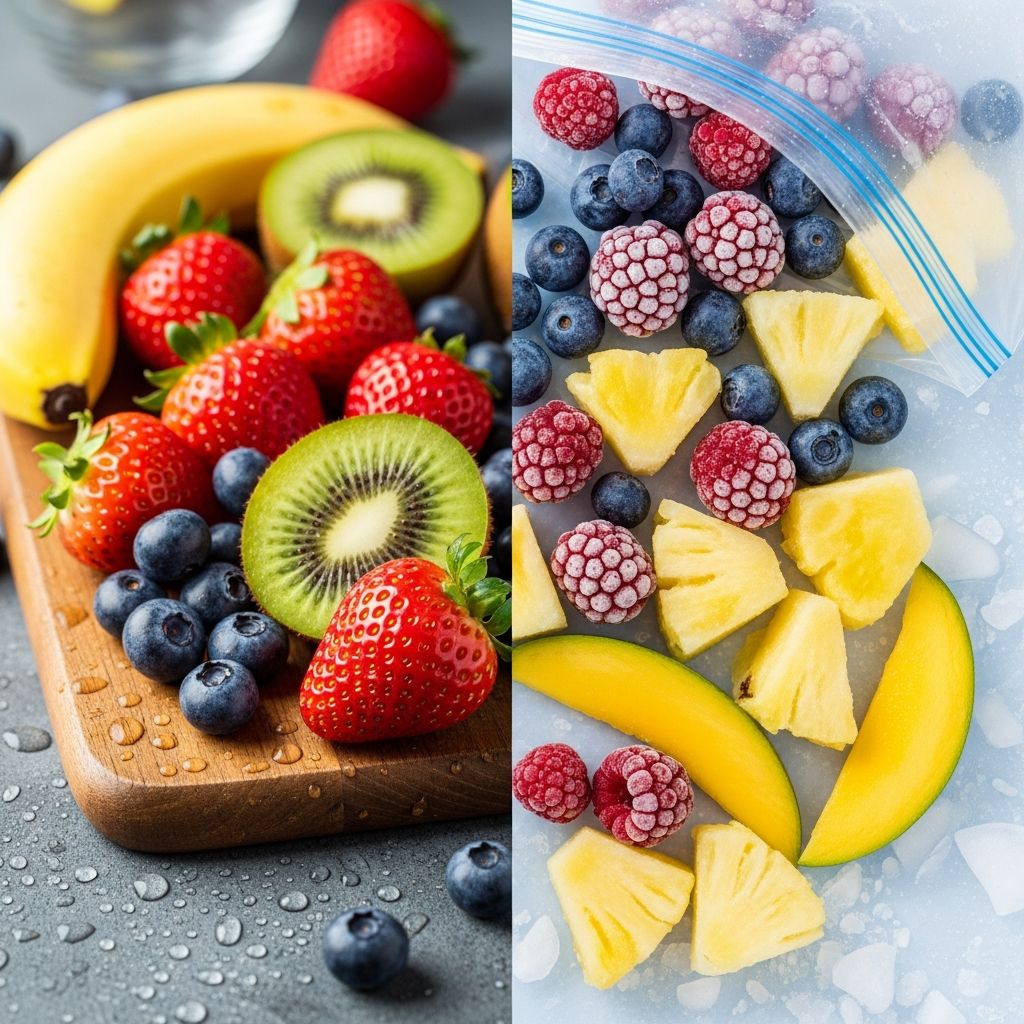
When it comes to choosing between frozen and fresh fruit, many people assume that fresh is always superior. However, the reality is more nuanced. Both frozen and fresh fruit offer significant health benefits, and the best choice often depends on your lifestyle, budget, and how the fruit will be used. Understanding the differences between these two options can help you make informed decisions that support your dietary goals.
Nutritional Value: Frozen vs Fresh
A common misconception is that frozen fruit loses its nutritional value during the freezing process. In truth, frozen fruits and vegetables are picked at peak ripeness and flash-frozen shortly after harvest to preserve optimal nutrition. This rapid freezing process locks in vitamins, minerals, and antioxidants at their highest levels.
Fresh fruit’s nutritional profile depends significantly on how long it has been stored and transported. Nutrients in fruit are at their peak right after being picked. If your fresh fruit is truly fresh—meaning it was recently harvested and consumed shortly after purchase—its nutrient value may be similar to frozen fruit. However, if your fresh fruit was shipped across long distances and sat on store shelves for an extended period, it may contain fewer nutrients than frozen alternatives.
Research has revealed that frozen fruits and vegetables can have just as many vitamins, and sometimes even more, compared to fresh produce. This is because the freezing process halts nutrient degradation, whereas fresh produce continues to lose nutrients over time due to exposure to light, heat, and oxygen.
Benefits of Frozen Fruit
Frozen fruit offers numerous practical and nutritional advantages:
- Extended shelf life: Frozen fruit often lasts several months in the freezer, reducing food waste and allowing you to purchase when prices are lower.
- Cost-effective: Frozen fruit is frequently more economical than fresh fruit, which can spoil quickly.
- Pre-prepared: Most frozen fruit comes cleaned and pre-sliced, saving you time in the kitchen.
- Year-round availability: If fruits you love are out of season, they may still be available frozen, allowing you to enjoy your favorite varieties regardless of the time of year.
- Convenient for specific uses: Frozen fruit is excellent for smoothies, yogurt parfaits, baking, and cooking, as you can grab the exact amount needed without thawing the entire package.
Benefits of Fresh Fruit
Fresh fruit also provides distinctive advantages:
- Seasonal availability: When you choose fresh fruit, it is often in season, meaning it’s more likely to be locally grown and fresher than fruit that has been stored or shipped long distances.
- Texture preservation: Fresh fruit retains its natural texture better than frozen fruit, which can become softer or mushier when thawed.
- Environmental benefits: Locally grown fresh fruits have a lower environmental impact and support regional agriculture.
- Versatility: Fresh fruit is more versatile in its uses, from eating raw to creating vibrant fruit salads and desserts.
- Reduced additives: When purchasing fresh fruit in season, you reduce the risk of fruits that rely on fertilizers or additives to grow out of season.
Food Safety Considerations
Both fresh and frozen fruit carry potential food safety risks, though the nature of these risks differs:
Fresh Fruit Risks
Fresh fruit can contain harmful germs such as Salmonella, E. coli, and Listeria if not properly handled and cleaned. The CDC estimates that a large percentage of all foodborne illnesses in the U.S. comes from fresh produce not being cleaned properly before consumption. The challenge with fresh fruit is that it is typically eaten raw, without the benefit of cooking to kill germs.
Frozen Fruit Safety
Frozen fruit is generally considered safe. Consumer Reports scientists examined over 300 samples of eight types of produce and didn’t find any harmful bacteria in frozen fruits and vegetables. The flash-freezing process itself does not eliminate existing bacteria, but the frozen state inhibits bacterial growth. However, consumers should still follow proper food safety practices when handling frozen produce.
Safe Food Handling Practices
To reduce your risk of foodborne illness from both fresh and frozen fruit, follow these guidelines:
- Wash your produce thoroughly before eating by using running water and gently scrubbing the skin.
- Choose fruit that isn’t bruised or damaged.
- Refrigerate precut fruit or fruit that you slice and store at home to reduce bacteria growth.
- Keep fruit separate from other items such as vegetables, meat, and dairy in your shopping cart.
- Clean all food preparation surfaces to prevent bacteria transfer.
- Dry your fruit with a paper towel or clean dish towel immediately after washing.
- Cut off any damaged or bruised parts of fruit before eating.
- Do not use disinfectant soap or bleach on produce.
Cost Comparison
From a financial perspective, frozen fruit typically offers better value. Frozen fruit is often less expensive than fresh fruit and lasts much longer, reducing the likelihood of waste. Fresh fruit, while potentially cheaper during peak season, may spoil quickly if not consumed promptly, leading to food waste and wasted money.
The economic advantage of frozen fruit becomes even more pronounced when you consider fruits that are out of season in your region. Purchasing frozen blueberries in winter, for example, is often significantly cheaper than buying fresh blueberries that have been imported from distant locations.
Convenience and Preparation
Convenience is another area where these two options differ:
Frozen fruit is pre-cleaned and often pre-sliced, saving you time during meal preparation. You can grab a handful of frozen berries for your yogurt or smoothie without any additional prep work. This makes frozen fruit particularly appealing for busy individuals or those with limited time for food preparation.
Fresh fruit requires washing, peeling, and sometimes chopping before use, which takes additional time and effort. However, for certain applications—such as creating an impressive fruit salad or platter—fresh fruit’s superior texture and appearance may justify the extra preparation time.
Texture and Taste
One notable difference between frozen and fresh fruit is texture. Freezing can impact the texture of fruit when it thaws. Ice crystals that form during freezing can rupture cell walls, causing frozen fruit to become softer or mushier upon thawing. This is why frozen berries are ideal for smoothies, baking, and yogurt, where texture changes are less noticeable or even beneficial.
Fresh fruit retains its natural, firm texture and crisp bite, making it superior for eating raw, adding to salads, or serving as an attractive dessert presentation. If texture is important to your intended use, fresh fruit is the better choice.
Seasonal Considerations
Understanding seasonality is crucial for maximizing both nutritional value and cost savings:
Fresh fruit: Purchasing fresh fruit when it’s in season ensures it’s fresher, more flavorful, and often less expensive. Seasonal produce also typically requires fewer pesticides and fertilizers, and it supports local agriculture when purchased from farmers markets or local growers.
Frozen fruit: Frozen fruit allows you to enjoy your favorite out-of-season fruits year-round. This is particularly valuable if you have limited access to farmers markets or local produce during winter months.
Special Considerations for Added Sugars and Sodium
When selecting both frozen and fresh fruit, be mindful of added sugars and sodium:
- Choose unsweetened frozen fruits that have been packaged in water or 100% fruit juice without added sugars.
- For fresh fruit, natural sugars are present but without the addition of extra sweeteners.
- Check nutrition labels on frozen fruit products to ensure you’re not purchasing varieties with added sauces, seasonings, or sweeteners that increase sodium and calorie content.
Who Should Be Extra Cautious?
Certain populations face higher risks from foodborne illnesses associated with fruit and should take extra precautions:
- People 65 years of age or older
- Children younger than five
- Individuals with certain health problems
- People taking medication that lowers immune response
- Pregnant individuals
Practical Recommendations
Rather than choosing exclusively between frozen and fresh fruit, consider incorporating both into your diet:
- Use fresh fruit when it’s in season, locally available, and when you plan to consume it quickly or use it in applications where texture matters.
- Use frozen fruit for smoothies, baking, cooking, and as a backup for out-of-season fruit cravings.
- Both options help you meet recommended daily servings of fruit, which is the most important factor.
- Prioritize washing and proper food handling regardless of which type you choose.
Frequently Asked Questions
Q: Does freezing fruit destroy all nutrients?
A: No. Flash-freezing preserves most nutrients in fruit. In fact, frozen fruit can retain as many vitamins—and sometimes more—than fresh fruit that has been stored and shipped for extended periods.
Q: Is frozen fruit safe to eat?
A: Yes, frozen fruit is generally safe. Consumer Reports found no harmful bacteria in hundreds of frozen fruit samples. However, proper food handling practices should still be followed.
Q: Can I get food poisoning from frozen fruit?
A: Food poisoning risk from frozen fruit is lower than from fresh fruit. However, if frozen fruit was contaminated before freezing, the pathogens remain dormant but not eliminated. Proper handling and following food safety guidelines minimizes risk.
Q: Which is more cost-effective: fresh or frozen fruit?
A: Frozen fruit is typically more cost-effective, lasting several months and reducing food waste. Fresh fruit may be cheaper during peak season but spoils quickly.
Q: Can I use frozen fruit in place of fresh fruit in recipes?
A: Yes, frozen fruit works well in smoothies, baking, yogurt, and cooking. However, thawed frozen fruit may be softer, so it’s less suitable for applications where texture is critical.
Q: Should I buy organic fresh or frozen fruit?
A: This is a personal choice based on budget and preferences. Both organic fresh and organic frozen options are available. Check labels for certifications and added sugars or sodium.
Conclusion
Both frozen and fresh fruit are excellent additions to a healthy diet. The best choice depends on your individual circumstances: your budget, lifestyle, access to seasonal produce, and how you plan to use the fruit. By understanding the benefits and considerations of each option, you can make informed decisions that align with your health goals and practical needs. The most important factor is consistently consuming adequate servings of fruit, whether fresh or frozen.
References
- Difference Between Frozen Fruit and Fresh Fruit — WebMD. Accessed January 2026. https://www.webmd.com/diet/difference-between-frozen-fruit-and-fresh-fruit
- Fresh, Frozen or Canned Fruits and Vegetables: All Can Be Healthy Choices — American Heart Association. Accessed January 2026. https://www.heart.org/en/healthy-living/healthy-eating/add-color/fresh-frozen-or-canned-fruits-and-vegetables-all-can-be-healthy-choices
- Why Frozen Fruit and Veggies May Be Better for You Than Fresh — National Library of Medicine / CNN. Accessed January 2026. https://www.ncbi.nlm.nih.gov/search/research-news/4060
Similar Articles








Read full bio of medha deb