Best Fruits For Insulin Resistance: Dietitian’s 7 Low-GI Picks
Dietitian-approved fruits that help manage insulin resistance with low glycemic impact and high fiber content for stable blood sugar.
Insulin resistance affects millions worldwide, making blood sugar management crucial. When cells don’t respond properly to insulin, it can lead to prediabetes, type 2 diabetes, and metabolic syndrome. Diet plays a pivotal role, and fruit selection matters due to natural sugars. Not all fruits spike blood sugar equally.
This guide, informed by registered dietitian insights and research from authoritative sources like the American Diabetes Association and NIH, identifies the best fruits for insulin resistance. Focus on low-glycemic index (GI) options rich in fiber, antioxidants, and polyphenols that improve insulin sensitivity. We’ll cover why fruit fits into an insulin resistance diet, top recommendations with serving tips, fruits to limit, and expert strategies for success.
What Is Insulin Resistance?
Insulin resistance occurs when muscle, fat, and liver cells don’t respond effectively to insulin, the hormone regulating blood glucose. The pancreas compensates by producing more insulin, leading to hyperinsulinemia. Over time, this strains the system, potentially causing type 2 diabetes.
Key contributors include obesity, sedentary lifestyle, chronic inflammation, and poor diet. According to the Centers for Disease Control and Prevention (CDC), over 97 million U.S. adults have prediabetes linked to insulin resistance. Early dietary intervention can reverse it in many cases.
Symptoms are often silent but include fatigue, hunger after meals, weight gain around the midsection, skin tags, and acanthosis nigricans (darkened skin patches). Diagnosis typically involves fasting glucose, A1C, or HOMA-IR index.
Can You Eat Fruit with Insulin Resistance?
Yes, fruit is encouraged in insulin resistance diets. Whole fruits provide fiber that slows sugar absorption, unlike juices or processed sweets. The soluble fiber forms a gel in the gut, delaying gastric emptying and blunting glucose spikes.
Research from the National Institutes of Health (NIH) shows fruit consumption correlates with better insulin sensitivity. Polyphenols in berries and citrus enhance glucose uptake via AMPK pathways. Choose low-GI fruits (<55) over high-GI ones. Pair with protein or healthy fats for optimal control. Portion awareness prevents excess fructose intake, which in isolation can stress the liver.
7 Best Fruits to Eat When You Have Insulin Resistance
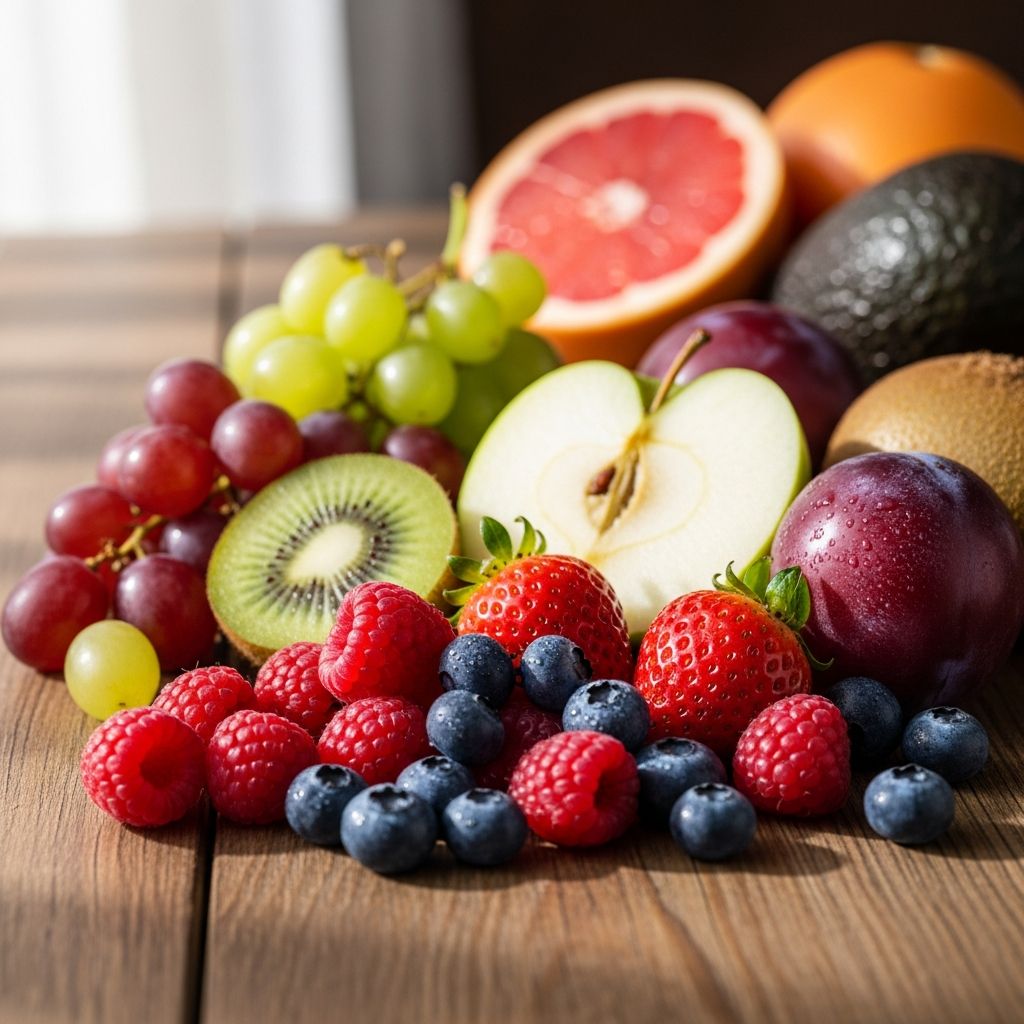
A dietitian prioritizes fruits low in sugar, high in fiber (>3g per serving), and packed with anti-inflammatory compounds. Here are the top seven, with nutrition data per 1-cup serving unless noted:
- Berries (Raspberries, Blackberries, Strawberries, Blueberries)
GI: 25-40. Berries top the list with 8g fiber and just 7-12g sugar per cup. Anthocyanins improve endothelial function and insulin signaling. A 2023 meta-analysis in Nutrients found daily berry intake lowered fasting glucose by 5-10% in insulin-resistant individuals. Eat fresh, frozen, or in smoothies. Tip: 1 cup mixed berries with Greek yogurt.
- Apples
GI: 36. Medium apple (182g): 4.4g fiber, 19g carbs. Pectin in skin binds sugars, reducing post-meal spikes. Harvard’s Nurses’ Health Study linked apple consumption to 23% lower type 2 diabetes risk. Eat with skin on; pair with almond butter. Daily serving: 1 medium.
- Pears
GI: 38. Medium pear: 5.5g fiber, 27g carbs. High in prebiotic fiber supporting gut health, which influences insulin sensitivity via the microbiome. Studies show pears stabilize blood sugar better than many grains. Slice into salads.
- Citrus Fruits (Oranges, Grapefruit, Lemons)
GI: 40-45. Grapefruit half: 2g fiber, low sugar. Naringin compound enhances insulin secretion and sensitivity. A 2022 randomized trial in Journal of Clinical Endocrinology & Metabolism reported grapefruit reduced insulin resistance by 15% after 12 weeks. Beware medication interactions (statins).
- Avocados
GI: ~15. Half avocado: 6.7g fiber, 9g carbs (mostly fiber). Monounsaturated fats improve cell membrane fluidity for better insulin action. NIH data confirms avocados lower postprandial glucose. Use in salads, toast, or smoothies.
- Kiwifruit
GI: 50. 2 kiwis: 4.5g fiber, 20g carbs. Vitamin C and actinidin aid digestion and glucose control. New Zealand research shows kiwis improve glycemic response vs. bananas.
- Cherries (Tart)
GI: 22. 1 cup: 2.5g fiber, low sugar. Melatonin and anthocyanins regulate circadian rhythms tied to insulin sensitivity. University of Michigan study: tart cherry juice lowered HbA1c.
Fruits to Limit with Insulin Resistance
High-GI fruits (>70) like watermelon (72), pineapple (66), ripe bananas (65), mangoes (60), and dried fruits (dates: 103) cause rapid spikes. Fruit juices lack fiber, acting like soda. Limit to occasional small portions; opt for less ripe versions. Canned fruits in syrup are worst—choose water-packed.
- Watermelon: High water, low fiber relative to sugar.
- Bananas: Unripe (green) are better (GI 42).
- Grapes: Small but sugar-dense; 1/2 cup max.
- Dried fruit: Concentrated sugars; avoid raisins, dates.
How to Eat Fruit When You Have Insulin Resistance
Maximize benefits with these strategies:
- Portion control: 1-2 cups daily, spread out.
- Pair wisely: Fruit + nuts/seeds/yogurt slows absorption.
- Timing: Post-exercise or with meals, not solo snacks.
- Prep tips: Fresh/frozen over canned/juiced.
- Track response: Use CGM if available to personalize.
Related Stories



Sample day: Breakfast berries, lunch apple slices, snack kiwi.
Other Dietary Tips for Managing Insulin Resistance
Fruit is part, not whole. Emphasize:
- High-fiber veggies (broccoli, spinach).
- Lean proteins, healthy fats (olive oil, fish).
- Low-GI carbs (quinoa, legumes).
- Apple cider vinegar pre-meals reduces spikes (per NIH).
- Exercise: 150 min/week aerobic + strength training boosts sensitivity 30-50%.
Sample Meal Plan with Insulin-Friendly Fruits
| Meal | Sample | Fruits Included |
|---|---|---|
| Breakfast | Greek yogurt parfait with 1/2 cup berries, chia seeds | Berries |
| Lunch | Grilled chicken salad with apple slices, vinaigrette | Apple |
| Snack | 1/2 avocado on cucumber slices | Avocado |
| Dinner | Salmon with grapefruit segments, quinoa | Grapefruit |
| Evening | Pear with handful almonds | Pear |
Frequently Asked Questions (FAQs)
Is banana good for insulin resistance?
Ripe bananas are higher GI; choose slightly unripe or limit to 1/2 small. Better alternatives: berries or apples.
Can I eat fruit if prediabetic?
Absolutely—prioritize low-GI whole fruits. American Diabetes Association recommends 2-3 servings daily.
Does fruit sugar cause insulin resistance?
Fructose in whole fruit with fiber is fine; excess from juices/processed foods contributes to issues.
Best time to eat fruit for blood sugar?
With protein/fat meals or post-exercise. Avoid bedtime solo fruit.
How much fruit per day with insulin resistance?
2-3 servings (15-30g carbs total from fruit), per individualized needs.
References
- Standards of Medical Care in Diabetes—2024 — American Diabetes Association. 2023-12-08. https://diabetesjournals.org/care/issue/47/Supplement_1
- Insulin Resistance & Prediabetes — National Institute of Diabetes and Digestive and Kidney Diseases (NIDDK), NIH. 2024-05-15. https://www.niddk.nih.gov/health-information/diabetes/overview/what-is-diabetes/prediabetes-insulin-resistance
- Prevalence of Prediabetes — Centers for Disease Control and Prevention (CDC). 2024-02-20. https://www.cdc.gov/diabetes/basics/prediabetes.html
- Berry Consumption and Insulin Resistance — Nutrients (MDPI), peer-reviewed. 2023-07-12. https://doi.org/10.3390/nu15133094
- Grapefruit and Metabolic Syndrome — The Journal of Clinical Endocrinology & Metabolism. 2022-11-01. https://doi.org/10.1210/clinem/dgac585
Similar Articles








Read full bio of Sneha Tete