Eat These Fruits for Their Anti-Inflammatory Benefits
Discover the best anti-inflammatory fruits to boost your health and reduce disease risk naturally.
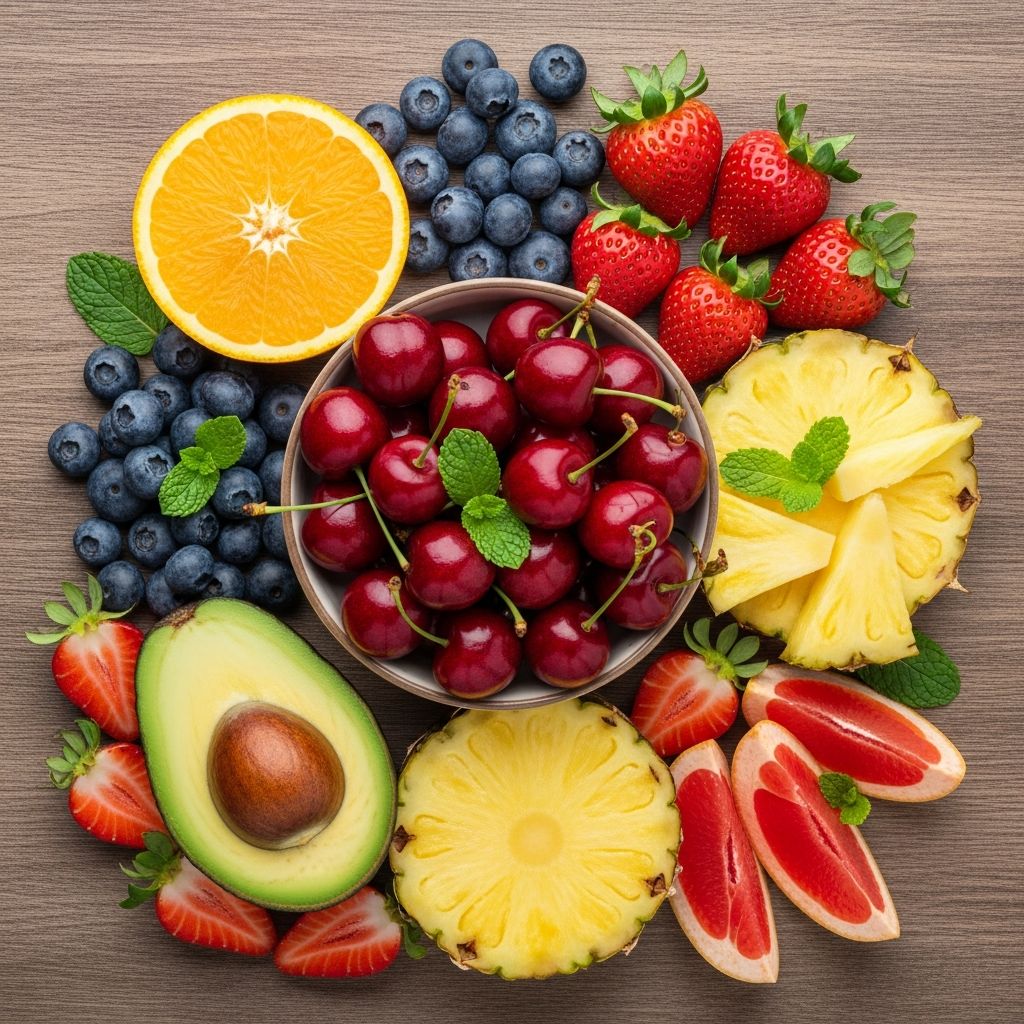
Chronic inflammation is increasingly recognized as a key driver of many serious health conditions, from cardiovascular disease to metabolic disorders. While inflammation is a natural response of the immune system to injury or infection, prolonged inflammation can contribute to the development of numerous diseases. One of the most effective ways to combat inflammation is through dietary choices. Fruits, in particular, contain powerful compounds that have been scientifically shown to reduce inflammatory markers in the body. Understanding which fruits offer the greatest anti-inflammatory benefits can help you make informed dietary decisions that support long-term health and vitality.
Understanding Dietary Inflammation and Its Health Impact
Dietary inflammation refers to how specific food categories interact with biomarkers that indicate overall health status. Research published in peer-reviewed journals has demonstrated that diets rich in anti-inflammatory foods—particularly those abundant in colorful vegetables, fruits, and whole grains—may significantly reduce the risk of cardiovascular disease. The connection between what we eat and inflammatory markers in our blood is increasingly well-established, with studies showing that food choices directly influence cholesterol levels, blood sugar regulation, and other indicators of cardiovascular health.
When the body experiences chronic inflammation, it can lead to atherosclerosis, the accumulation of plaque in the arteries that restricts blood flow. This condition increases the risk of heart attacks, strokes, and chronic kidney disease. By choosing anti-inflammatory foods, particularly fruits rich in antioxidants, vitamins, and fiber, individuals can help maintain healthier inflammatory markers and reduce their overall disease risk.
The Science Behind Anti-Inflammatory Fruits
Fruits are nutritional powerhouses that contain compounds specifically designed by nature to protect plants from oxidative stress. When we consume these fruits, we benefit from their protective properties. The key active components in anti-inflammatory fruits include:
- Anthocyanins: Pigments that give berries their deep colors and provide potent antioxidant and anti-inflammatory effects
- Polyphenols: Micronutrients found in plant foods that help reduce inflammation and oxidative stress
- Vitamin C: An essential nutrient that supports immune function and reduces inflammatory markers
- Fiber: Promotes gut health and helps regulate inflammatory responses throughout the body
- Potassium: Supports cardiovascular health and helps regulate blood pressure
Large-scale studies tracking hundreds of thousands of participants over decades have demonstrated that individuals whose diets prioritize anti-inflammatory fruits experience fewer cardiac-related events compared to those consuming higher amounts of pro-inflammatory foods. The consistency of these findings across different population groups underscores the universal importance of fruit consumption for health protection.
Top Anti-Inflammatory Fruits to Include in Your Diet
Berries: Nature’s Anti-Inflammatory Superfoods
Berries consistently rank among the most potent anti-inflammatory fruits available. This category includes blueberries, raspberries, strawberries, blackberries, and cranberries. These small but mighty fruits are packed with anthocyanins—pigments responsible for their vibrant colors and their remarkable anti-inflammatory properties. Research has shown that the anthocyanin content in berries can help reduce multiple inflammatory biomarkers simultaneously, making them an excellent choice for those seeking to combat chronic inflammation.
Blueberries, in particular, have been extensively studied for their health benefits. They contain resveratrol and other compounds that cross the blood-brain barrier and may help protect cognitive function while reducing neuroinflammation. Incorporating just one cup of fresh berries into your daily diet can provide significant anti-inflammatory benefits without adding excessive calories or sugar.
Related Stories



Cherries: The Tart Anti-Inflammatory Gem
Both sweet and tart cherries offer impressive anti-inflammatory properties, though tart cherries are particularly noteworthy for their therapeutic potential. Tart cherries contain high levels of anthocyanins and other phenolic compounds that have demonstrated significant anti-inflammatory effects in clinical research. Some studies suggest that tart cherry juice or whole tart cherries may help reduce exercise-induced inflammation and support recovery, making them particularly beneficial for individuals with an active lifestyle or those experiencing inflammatory joint conditions.
Oranges and Citrus Fruits: Vitamin C Powerhouses
Citrus fruits including oranges, lemons, limes, and grapefruits are exceptional sources of vitamin C, a nutrient essential for reducing inflammatory markers. Beyond vitamin C, citrus fruits contain flavonoids, particularly hesperidin and naringin, which have been shown to reduce inflammatory responses in the body. These fruits also provide dietary fiber, especially when consumed whole rather than as juice, which contributes to gut health and overall inflammatory regulation.
Pomegranates: Ancient Anti-Inflammatory Medicine
Pomegranates have been used medicinally for thousands of years, and modern science has validated their anti-inflammatory properties. These fruits are extraordinarily rich in polyphenols, particularly punicalagins and anthocyanins, which provide powerful antioxidant and anti-inflammatory benefits. Studies have demonstrated that pomegranate consumption can reduce inflammatory markers and improve cardiovascular health markers in various populations. The seeds and juice both offer therapeutic benefits, though whole seeds provide additional fiber benefits.
Apples: Everyday Anti-Inflammatory Fruits
While often overlooked, apples are excellent sources of quercetin, a flavonoid with significant anti-inflammatory properties. The skin of apples contains much of the beneficial compounds, so choosing to eat whole apples rather than peeled versions maximizes the anti-inflammatory benefits. The soluble fiber in apples, particularly pectin, also supports beneficial gut bacteria that help regulate systemic inflammation.
Grapes: Small Packages of Antioxidants
Both red and purple grapes contain resveratrol and other polyphenols that reduce inflammatory markers. Red wine derives many of its health benefits from the compounds in grapes, though whole grapes provide these benefits without the alcohol. The skin and seeds contain the highest concentrations of beneficial compounds, so consuming whole grapes or grape juice with pulp offers maximum anti-inflammatory benefits.
Pineapple: The Enzyme-Rich Anti-Inflammatory Fruit
Pineapple contains bromelain, a protein-digesting enzyme with documented anti-inflammatory properties. This enzyme has been studied for its potential to reduce swelling, ease joint pain, and support recovery from injuries. Fresh pineapple provides the most bromelain, as this enzyme is degraded by heat and processing. Incorporating fresh pineapple into your diet can provide both anti-inflammatory benefits and improved digestive health.
Comparing Pro-Inflammatory and Anti-Inflammatory Food Choices
The contrast between anti-inflammatory and pro-inflammatory dietary patterns is striking in terms of health outcomes. Research has consistently shown that individuals who prioritize anti-inflammatory foods experience substantially better health markers compared to those who frequently consume pro-inflammatory foods.
| Food Category | Anti-Inflammatory Examples | Pro-Inflammatory Examples | Health Impact |
|---|---|---|---|
| Fruits | Berries, cherries, citrus, pomegranates, apples | Fruit-based sugary beverages, dried fruits with added sugar | Anti-inflammatory fruits reduce biomarkers; sugary options increase inflammation |
| Proteins | Fatty fish, legumes, plant-based proteins | Red meat, processed meat, high-fat dairy | Lean proteins reduce inflammation; processed meats increase risk significantly |
| Carbohydrates | Whole grains, brown rice, oats | Refined carbohydrates, white bread, sugary cereals | Whole grains stabilize blood sugar; refined carbs spike inflammation |
| Beverages | Water, herbal tea, whole fruit juice | Sugary drinks, soda, commercial energy drinks | Water and tea support health; sugar-sweetened beverages increase disease risk |
Building an Anti-Inflammatory Diet Rich in Fruits
Daily Fruit Consumption Recommendations
Most nutritional guidelines recommend consuming two to three servings of fruit daily, with variety being essential for obtaining the full spectrum of beneficial compounds. Rather than focusing on a single fruit, rotating through different anti-inflammatory fruits throughout the week ensures maximum nutritional benefit. One serving typically equals one medium fruit, one cup of berries, or half a cup of dried fruit.
Practical Ways to Incorporate Anti-Inflammatory Fruits
- Breakfast options: Add berries to oatmeal, yogurt, or smoothie bowls; include orange slices or grapefruit halves
- Snacks: Enjoy apples with almond butter, pomegranate seeds, or fresh cherries between meals
- Meals: Incorporate grapes into salads, use pineapple in stir-fries, or add pomegranate seeds to grain bowls
- Beverages: Prepare fresh-squeezed citrus juices, blend berries into smoothies, or brew herbal teas
- Desserts: Create naturally sweet treats using anti-inflammatory fruits instead of processed sweets
Maximizing Nutritional Value
To preserve the anti-inflammatory compounds in fruits, consume them as fresh as possible. Frozen fruits retain most nutritional benefits and provide year-round access to anti-inflammatory varieties. When purchasing frozen fruits, choose options without added sugar. Avoid prolonged storage, as some beneficial compounds degrade over time. Processing fruits into juices removes some fiber benefits, so eating whole fruits provides superior anti-inflammatory advantages when possible.
The Role of Anti-Inflammatory Diet in Disease Prevention
The evidence supporting anti-inflammatory diets extends beyond theoretical benefits. Large-scale epidemiological studies following hundreds of thousands of participants over two to three decades have documented that those consuming higher amounts of anti-inflammatory foods experience dramatically lower rates of heart attacks, strokes, and cardiovascular-related deaths. These protective effects persist even after controlling for other factors like age, body weight, medical conditions, and smoking status, indicating that diet plays an independent and significant role in disease prevention.
The mechanism involves fruits’ ability to reduce multiple inflammatory biomarkers simultaneously—from C-reactive protein to interleukin-6—which are recognized as early indicators of cardiovascular and metabolic disease. By including anti-inflammatory fruits in daily dietary patterns, individuals can work proactively to reduce their disease risk long before symptoms emerge.
Frequently Asked Questions About Anti-Inflammatory Fruits
Q: How quickly do anti-inflammatory fruits reduce inflammation in the body?
A: Some individuals notice improvements in energy and reduced joint discomfort within days to weeks of increasing fruit consumption. However, measurable changes in inflammatory biomarkers typically appear within 4-12 weeks of consistent dietary modification. Long-term disease risk reduction becomes apparent over years of maintaining an anti-inflammatory diet.
Q: Can I get the same benefits from fruit juice as from whole fruits?
A: While freshly pressed fruit juices retain many beneficial compounds, whole fruits provide additional fiber that contributes to gut health and sustained anti-inflammatory effects. Commercially processed juices often contain added sugars that can negate anti-inflammatory benefits. Whenever possible, consume whole fruits to maximize benefits.
Q: Are frozen fruits as beneficial as fresh fruits?
A: Yes, frozen fruits are excellent choices because they are typically frozen at peak ripeness, locking in beneficial compounds. They provide year-round access to anti-inflammatory fruits and are often more affordable than fresh options. Choose varieties without added sugar for maximum health benefit.
Q: How much fruit is necessary to achieve anti-inflammatory benefits?
A: Research suggests that consuming at least two servings of fruit daily, as part of an overall anti-inflammatory dietary pattern, provides significant health benefits. However, incorporating more variety and higher quantities amplifies the protective effects. Individual responses may vary based on overall diet quality and lifestyle factors.
Q: Can anti-inflammatory fruits replace medical treatment for cardiovascular disease?
A: Anti-inflammatory fruits are an important component of disease prevention and management but should complement rather than replace prescribed medical treatments. Consult with healthcare providers about integrating these fruits into your overall health strategy, particularly if you have existing cardiovascular conditions.
Q: Which anti-inflammatory fruits are best for specific health concerns?
A: Berries and tart cherries are particularly beneficial for joint inflammation, citrus fruits excel for cardiovascular support, pomegranates offer comprehensive antioxidant benefits, and pineapple is beneficial for digestive and inflammatory support. A varied approach incorporating multiple fruits provides the broadest spectrum of benefits.
References
- Anti-inflammatory diets may reduce the risk of cardiovascular disease — National Heart, Lung, and Blood Institute (NHLBI). 2020. https://www.nhlbi.nih.gov/news/2020/anti-inflammatory-diets-may-reduce-risk-cardiovascular-disease
Similar Articles








Read full bio of Sneha Tete