13 Fruits Good For Diabetes: Low-GI, High-Fiber Picks
Discover the best fruits for diabetes management, including portion sizes, benefits, and expert tips for stable blood sugar.
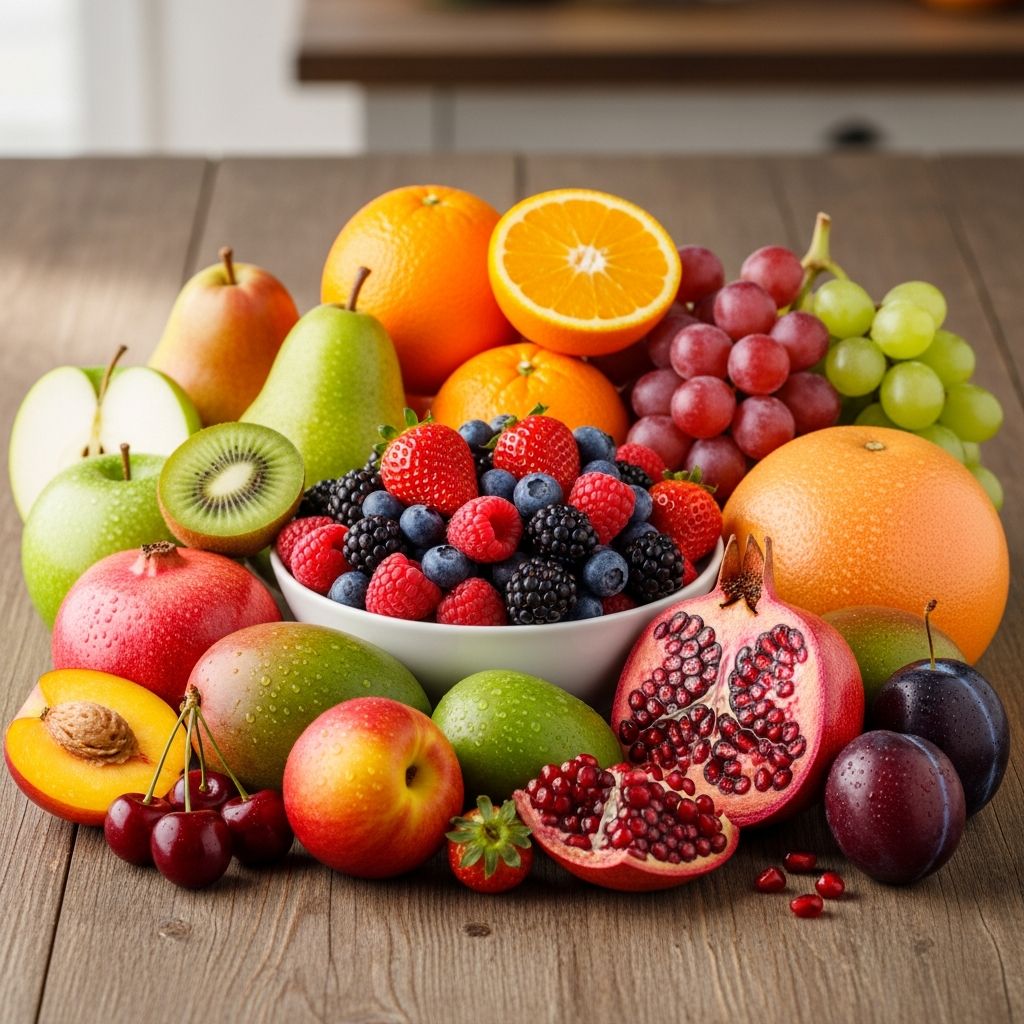
People with diabetes can safely enjoy a variety of fruits as part of a balanced diet. Whole fruits provide essential fiber, vitamins, minerals, and antioxidants that help stabilize blood sugar levels, unlike processed sweets. Research shows that moderate fruit intake lowers the risk of cardiovascular disease and supports overall health in diabetics.
Can People With Diabetes Eat Fruit?
Yes, fruit is recommended for diabetes management. A systematic review in Nutrition Reviews found that higher fruit consumption correlates with reduced mortality from cardiovascular causes. The fiber in whole fruits slows sugar absorption, preventing sharp blood sugar spikes seen with sugary drinks or snacks. Studies, including a meta-analysis in Frontiers in Endocrinology, confirm that moderate whole fruit intake can even lower fasting blood sugar in diabetics.
However, portion control is key—limit to about three servings daily, spaced out. Individual responses vary, so monitor blood sugar 1-2 hours post-meal or use a continuous glucose monitor. Opt for fresh or frozen whole fruits over juices, as processing removes fiber.
How Fruit Affects Blood Sugar—and What Makes a Fruit Diabetes-Friendly
Fruits contain natural sugars (fructose) paired with fiber, water, and polyphenols, leading to gradual blood sugar rises. Berries and citrus are particularly diabetes-friendly due to low glycemic index (GI) values and high fiber.
Key factors for diabetes-friendly fruits:
- Low to moderate GI: Below 55 prevents rapid spikes.
- High fiber: Slows digestion; aim for fruits with >3g fiber per serving.
- Low glycemic load (GL): Accounts for portion size; GL <10 is ideal.
- Antioxidants: Reduce inflammation and support heart health.
Avoid overripe fruits or large portions, which increase sugar content. Pair with protein or fats for better control.
13 Fruits Good for Diabetes
Here are 13 top fruits, selected for low sugar impact, nutrient density, and research-backed benefits. Includes serving sizes, carbs, and tips.
1. Berries (Strawberries, Blueberries, Raspberries, Blackberries)
Berries top the list with GI 25-53, high fiber (3-8g/cup), and antioxidants like anthocyanins that improve insulin sensitivity. A study linked 3 weekly servings of blueberries to 25% lower T2D risk. 1 cup = 15g carbs. Add to yogurt.
2. Apples
GI 36; pectin fiber lowers cholesterol and stabilizes glucose. Associated with 7% T2D risk reduction per 3 servings/week. 1 small apple = 21g carbs. Eat with skin and pair with nuts.
3. Pears
GI 38; 6g fiber/medium fruit aids digestion. Temperate fruits like pears show protective effects, especially in women. 1 medium = 27g carbs. Slice with cheese.
4. Citrus Fruits (Oranges, Grapefruit, Lemons)
GI 43-47; vitamin C and flavonoids enhance insulin action. Grapefruit linked to 5% lower T2D risk. 1 medium orange = 15g carbs. ADA-recommended.
5. Kiwi
GI 66 but low GL (6.7); vitamin C triples absorption, fiber aids control. 2 kiwis = 20g carbs. Eat with Greek yogurt.
6. Cherries
GI 22; anthocyanins reduce inflammation. Tart varieties best for blood sugar. 12 cherries = 17g carbs. Limit to 1/2 cup.
Related Stories



7. Grapes
GI 57 but 12% T2D risk reduction per 3 servings/week. Resveratrol supports heart health. 15 grapes = 15g carbs. Choose red varieties.
8. Peaches
GI 49; 2g fiber/peach. No significant T2D protection but nutrient-rich. 1 medium = 14g carbs. Fresh over canned.
9. Plums
GI 40; sorbitol acts as mild laxative, low sugar. 2 plums = 19g carbs. Great snack.
10. Apricots
GI 34; beta-carotene boosts immunity. Dried in moderation. 4 fresh = 17g carbs.
11. Pomegranate
GI 35; punicalagins improve insulin sensitivity. 1/2 cup seeds = 22g carbs. Antioxidant powerhouse.
12. Avocado
GI <15; healthy fats (monounsaturated) enhance satiety, minimal carbs. 1/2 avocado = 12g carbs (mostly fiber). Pair with tomatoes.
13. Tomatoes
GI 15; lycopene protects against complications. Technically a fruit. 1 medium = 5g carbs. Versatile in salads.
Portion Sizes and Pairings
| Fruit | Serving Size | Carbs (g) | Fiber (g) | Best Pairing |
|---|---|---|---|---|
| Berries | 1 cup | 15 | 4-8 | Yogurt |
| Apple | 1 small | 21 | 4 | Peanut butter |
| Orange | 1 medium | 15 | 3 | Almonds |
| Kiwi | 2 small | 20 | 4 | Cottage cheese |
| Grapes | 15 small | 15 | 1 | Cheese |
Limit to 1 cup or medium fruit per serving, 2-3 daily. Pair with fats/protein to blunt spikes.
Benefits of Eating Fruit With Diabetes
- 200g/day prevents T2D.
- Lowers HbA1c with low-GI fruits.
- Reduces complications/mortality up to 133g/day.
- Supports weight management, heart health.
Fruits to Limit or Avoid
High-GI fruits like watermelon (GI 72), pineapple (53), overripe bananas, or dried fruits in excess. Fruit juices spike sugar due to no fiber—avoid.
Expert Tips for Enjoying Fruit
- Monitor personal response with glucose checks.
- Space servings; don’t eat all at once.
- Choose whole over juiced.
- Incorporate into meals, not desserts.
Frequently Asked Questions (FAQs)
Can diabetics eat fruit daily?
Yes, 2-3 servings of low-GI fruits daily are recommended.
Is banana good for diabetes?
In moderation (1/2 small, unripe); GI 42-62, but higher sugar.
Does fruit raise blood sugar?
Whole fruits cause gradual rises due to fiber; monitor individually.
Best time to eat fruit for diabetics?
Mid-morning or post-meal with protein; avoid bedtime.
Are dried fruits okay?
Limited portions; concentrated sugars, but fiber remains.
References
- Top blood sugar-friendly fruits every diabetic should know — The Economic Times. 2024-10-01. https://economictimes.com/news/international/us/top-blood-sugar-friendly-fruits-every-diabetic-should-know-portion-sizes-pairings-and-how-it-affects-the-body/articleshow/124844974.cms
- Fruit Intake to Prevent and Control Hypertension and Diabetes — PMC (National Library of Medicine). 2021-02-01. https://pmc.ncbi.nlm.nih.gov/articles/PMC7884895/
Similar Articles








Read full bio of medha deb