Fruits High In Magnesium: 10 Best Sources For Your Diet
Boost your magnesium intake with these delicious fruits that support muscle function, bone health, and overall wellness.
Magnesium is an essential mineral involved in over 300 biochemical reactions in the body, including muscle and nerve function, energy production, bone health, and heart rhythm regulation. While nuts, seeds, and leafy greens are top sources, certain fruits also provide significant amounts of this vital nutrient. Incorporating magnesium-rich fruits into your diet can help meet the recommended daily allowance (RDA), which is 310–320 mg for adult women and 400–420 mg for adult men, according to the National Institutes of Health’s Office of Dietary Supplements (ODS).
What Is Magnesium?
Magnesium is a cofactor in more than 300 enzyme systems, aiding in protein synthesis, muscle and nerve function, blood glucose control, blood pressure regulation, and energy production. Deficiency, affecting up to 50% of the population in some studies, can lead to fatigue, muscle cramps, and irregular heartbeat. Fruits contribute to magnesium intake alongside other foods like legumes, nuts, seeds, and whole grains.
Why You Need Magnesium
Adequate magnesium supports cardiovascular health by relaxing blood vessels, potentially lowering blood pressure. It promotes bone density by working with calcium and vitamin D, reduces migraine frequency, improves sleep quality, and aids blood sugar control in type 2 diabetes. Diets higher in magnesium-rich fruits and vegetables have been linked to reduced systolic and diastolic blood pressure.
How Much Magnesium Do You Need?
The RDA varies by age and sex: children 1–3 years need 80 mg, 4–8 years 130 mg, 9–13 years 240 mg; teens 14–18 years (girls 360 mg, boys 410 mg); adults 19–30 years (women 310 mg, men 400 mg), 31+ years (women 320 mg, men 420 mg). Pregnant and lactating women require slightly more. About 30–40% of dietary magnesium is absorbed. The tolerable upper intake level (UL) from supplements is 350 mg/day for adults to avoid diarrhea; food sources have no UL.
Top Fruits High in Magnesium
Here are the standout fruits providing notable magnesium, based on USDA data. Percent daily value (%DV) is based on 420 mg for adults. Foods offering 20%+ DV are high sources, but even lower amounts contribute to a balanced diet.
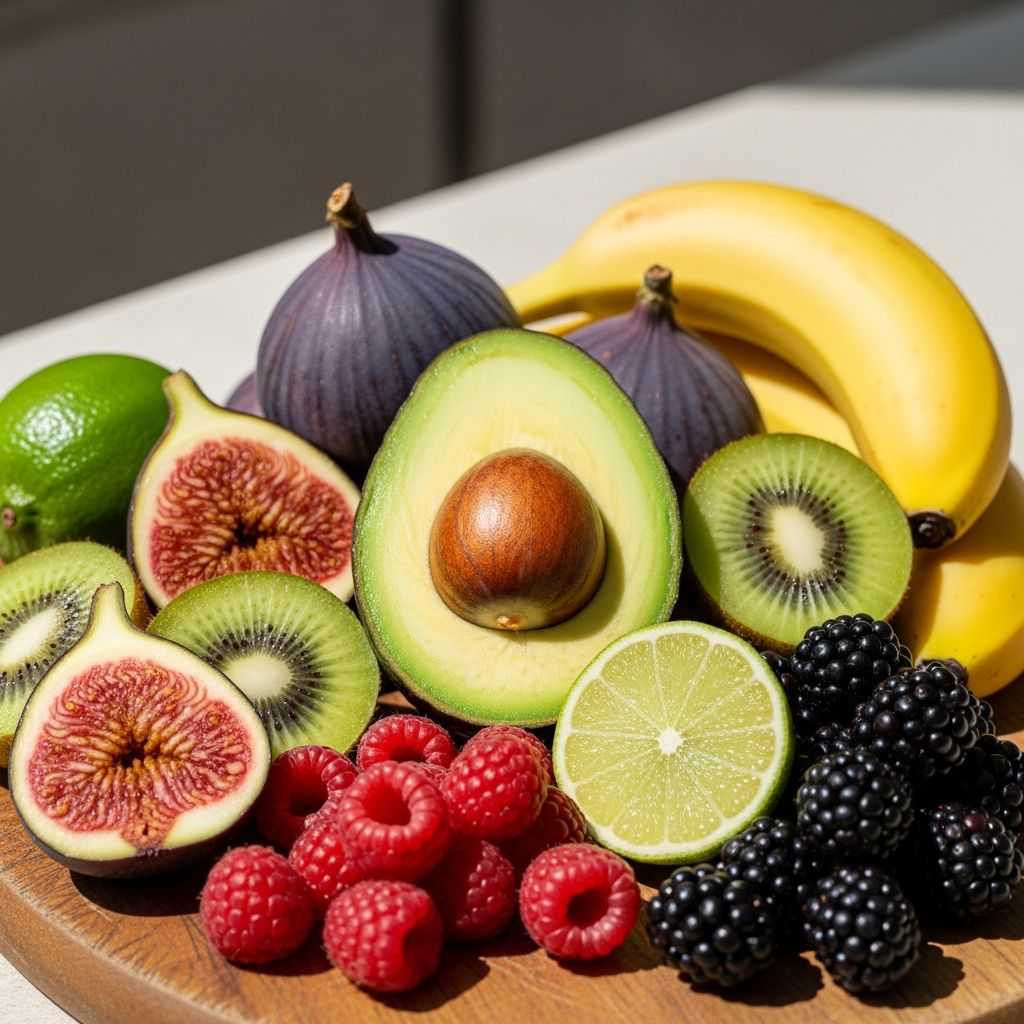
- Avocados (22 mg per ½ cup cubed, 5% DV): Creamy avocados top the list among fresh fruits. One medium avocado (about 1 cup cubed) provides around 44 mg. Rich in healthy fats, fiber, and potassium, they support heart health and satiety. Add to salads, smoothies, or toast.
- Bananas (32 mg per medium banana, 8% DV): Portable and versatile, a medium banana delivers solid magnesium alongside potassium for muscle function. Ideal for pre-workout snacks or blended into oatmeal.
- Dried Figs (23 mg per ½ cup, approx. 5% DV): Drying concentrates nutrients; ½ cup offers magnesium comparable to raisins, plus fiber for digestion and calcium for bones. Enjoy as a snack or in salads.
- Raisins (23 mg per ½ cup, 5% DV): These dried grapes pack magnesium, iron, and antioxidants. A convenient snack or addition to trail mix, yogurt, or baked goods.
- Prunes (Dried Plums) (41 mg per ½ cup, approx. 10% DV): Known for digestive benefits, prunes provide more magnesium per serving than many fresh fruits due to concentration.
- Apricots, Dried (32 mg per ½ cup, 8% DV): Sweet and chewy, they offer magnesium, vitamin A, and fiber. Great for energy boosts.
- Dates (32 mg per ½ cup chopped, 8% DV): Naturally sweet, dates are magnesium sources with quick-digesting carbs for athletes.
- Kiwi (17 mg per medium fruit, 4% DV): Fuzzy kiwi provides magnesium, vitamin C, and actinidin for digestion.
- Oranges (10 mg per medium, 2% DV): Citrus favorite adds modest magnesium with immune-boosting vitamin C.
- Blackberries (20 mg per cup, 5% DV): Berries like blackberries offer magnesium in low-calorie packages with antioxidants.
Note: Dried fruits provide higher concentrations per volume but watch portion sizes due to natural sugars and calories.
Magnesium Content Table
| Fruit | Serving Size | Magnesium (mg) | % DV* |
|---|---|---|---|
| Avocado, cubed | ½ cup | 22 | 5 |
| Banana | 1 medium | 32 | 8 |
| Raisins | ½ cup | 23 | 5 |
| Dried Figs | ½ cup | 23 | 5 |
| Prunes | ½ cup | 41 | 10 |
| Dried Apricots | ½ cup | 32 | 8 |
| Dates, chopped | ½ cup | 32 | 8 |
| Kiwi | 1 medium | 17 | 4 |
| Orange | 1 medium | 10 | 2 |
| Blackberries | 1 cup | 20 | 5 |
Health Benefits of Magnesium-Rich Fruits
Heart Health: Magnesium helps regulate heartbeat and blood pressure. Diets with more fruits and vegetables rich in magnesium lowered blood pressure by 5.5/3.0 mmHg in studies.
Related Stories



Bone Health: 60% of body magnesium is in bones; adequate intake reduces osteoporosis risk.
Muscle and Nerve Function: Prevents cramps and supports relaxation.
Migraine Prevention: 400–600 mg/day may reduce frequency.
Sleep and Mood: Promotes GABA activity for better sleep and reduced anxiety.
Blood Sugar Control: Improves insulin sensitivity.
How to Incorporate Magnesium-Rich Fruits into Your Diet
- Start the day with a smoothie blending banana, avocado, and spinach.
- Snack on a handful of raisins, dried figs, or prunes.
- Add chopped dates or apricots to oatmeal or yogurt.
- Top salads with avocado slices and blackberries.
- Enjoy kiwi or oranges post-workout.
- Bake with mashed bananas or pureed prunes as sweeteners.
Aim for variety per Dietary Guidelines: include fruits daily alongside whole grains, dairy, and proteins.
Potential Risks and Considerations
Most people get enough from food, but supplements may cause GI upset if exceeding UL. Those with kidney issues should consult doctors. Processing can reduce magnesium in fruits, so choose whole or minimally processed.
Frequently Asked Questions (FAQs)
Are bananas a good source of magnesium?
Yes, a medium banana provides 32 mg (8% DV), making it a convenient option.
Which dried fruit has the most magnesium?
Prunes offer about 41 mg per ½ cup (10% DV), higher than many others.
Can fruits alone meet my magnesium needs?
Fruits contribute but combine with nuts, seeds, legumes, and greens for full RDA.
Is avocado a fruit high in magnesium?
Yes, ½ cup cubed has 22 mg (5% DV), plus heart-healthy fats.
Do cooking or drying affect magnesium in fruits?
Drying concentrates it, while minimal loss occurs in cooking; both are effective.
References
- Magnesium – Health Professional Fact Sheet — Office of Dietary Supplements, National Institutes of Health. 2022-06-02. https://ods.od.nih.gov/factsheets/Magnesium-HealthProfessional/
Similar Articles








Read full bio of medha deb