20 Nutrient-Dense Fruits: Essential Superfruits for Vitality
Discover 20 powerhouse fruits packed with vitamins, minerals, fiber, and antioxidants for optimal health and wellness.
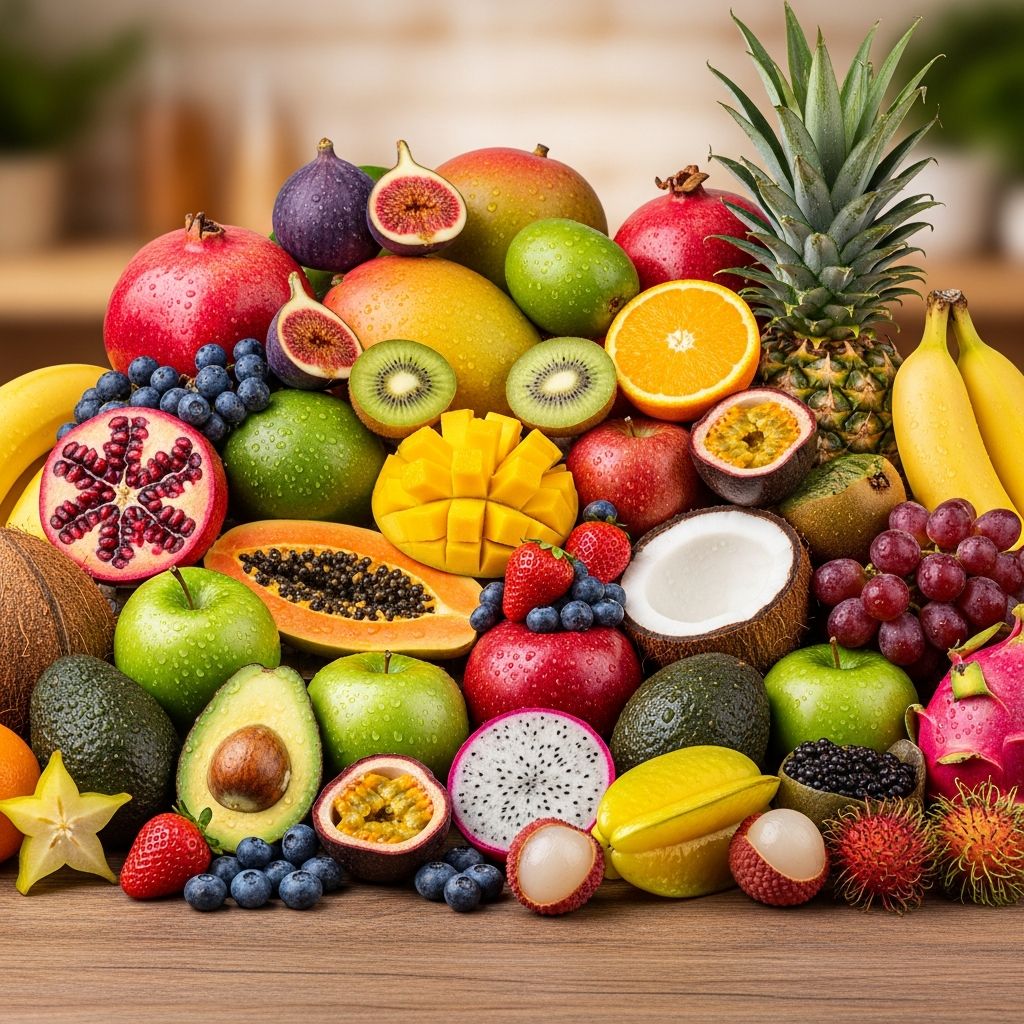
Fruits are nature’s multivitamins, delivering a concentrated payload of essential vitamins, minerals, fiber, antioxidants, and phytonutrients in delicious, low-calorie packages. While all fruits offer health benefits, certain varieties stand out for their exceptional nutrient density. These “superfruits” provide disproportionate nutritional value relative to their calorie content, making them ideal for weight management, disease prevention, and overall vitality.
According to USDA data, nutrient-dense fruits can supply over 100% of your daily vitamin C needs in a single serving, while also delivering potassium levels rivaling bananas, fiber content surpassing many grains, and antioxidant capacity that combats oxidative stress. This comprehensive guide highlights 20 of the most nutrient-packed fruits, detailing their key nutrients, proven health benefits, and practical ways to incorporate them into your diet.
What Makes a Fruit Nutrient-Dense?
Nutrient density measures the concentration of essential nutrients per calorie. The Aggregate Nutrient Density Index (ANDI) scoring system, developed by Dr. Joel Fuhrman, ranks foods based on their levels of 34 nutritional parameters including vitamins, minerals, phytochemicals, and fiber relative to calories. Top-scoring fruits typically feature:
- Vitamin C: Immune support, collagen synthesis, antioxidant protection
- Potassium: Blood pressure regulation, muscle function
- Fiber: Digestive health, blood sugar control, satiety
- Anthocyanins & Flavonoids: Anti-inflammatory, cardiovascular protection
- Vitamin A precursors: Vision, immune function, skin health
1. Guava
Guava tops nutrient density charts, delivering 377% of daily vitamin C in one fruit (USDA). This tropical powerhouse also provides 9g fiber, 688mg potassium, and lycopene for prostate health. Studies show guava leaf extract lowers blood sugar by 20% in diabetics. Eat fresh, add to smoothies, or blend into salsa.
2. Kiwi
One kiwi equals the vitamin C of 6 oranges (126mg) plus actinidin enzyme for protein digestion. Research in Asia Pacific Journal of Clinical Nutrition found kiwi improves sleep quality by 42% due to serotonin precursors. Its fuzzy skin is edible and doubles fiber intake.
3. Papaya
Papaya’s papain enzyme aids protein digestion while supplying 224% vitamin C, 144% vitamin A, and folate. A Journal of Medicinal Food study showed papaya reduces inflammation markers by 30%. Choose ripe fruit with orange flesh for maximum beta-carotene.
4. Cantaloupe
Low-calorie (34 calories/cup) but nutrient-packed with 202% vitamin A, 108% vitamin C, and 17% daily potassium. Its high water content (90%) supports hydration while beta-carotene protects against UV damage per dermatology research.
5. Oranges
Beyond vitamin C (93mg), oranges provide 436mg potassium, 3.1g fiber, and 50+ flavonoids. A American Journal of Clinical Nutrition meta-analysis linked citrus flavonoid intake to 21% lower stroke risk. Eat whole fruit, not juice, for fiber benefits.
6. Strawberries
One cup delivers 149% vitamin C, 3g fiber, and ellagic acid, which inhibits cancer cell growth per Journal of Agricultural Food Chemistry. Strawberries rank #1 in antioxidant capacity among 40 tested berries (USDA).
7. Grapefruit
Grapefruit’s naringin compound boosts fat-burning metabolism by 20% according to Metabolism journal. Provides 78% vitamin C, pink varieties add lycopene. Note: interacts with 85+ medications—consult your doctor.
Related Stories



8. Blackberries
Blackberries offer 50% more antioxidants than blueberries with 30% daily vitamin C, 8g fiber/cup. Nutrition Research found they improve insulin sensitivity by 22% in metabolic syndrome patients.
9. Cherries
Tart cherries reduce inflammation markers by 25% and improve sleep (melatonin content), per European Journal of Nutrition. Sweet cherries provide 16% daily vitamin C and anthocyanins for gout relief.
10. Pineapple
Bromelain enzyme reduces sinus inflammation and muscle soreness post-exercise. Supplies 131% vitamin C, manganese for bone health. Choose fresh over canned to avoid added sugar.
11. Avocados
Though botanically a fruit, avocados deliver 20 essential nutrients including 48% daily folate, 35% vitamin E, and heart-healthy monounsaturated fats. Nutrients journal: avocado eaters have 50% lower metabolic syndrome risk.
12. Pomegranate
Pomegranate juice rivals red wine in antioxidants. Urolithin A improves mitochondrial function by 42% per Nature Medicine (2022). Provides 48% vitamin C, 28% vitamin K.
13. Mango
One mango = 67% vitamin C, 25% vitamin A, 277mg potassium. Zeaxanthin protects against age-related macular degeneration. Food & Function: mango polyphenols improve memory in older adults.
14. Blueberries
“Brain berries” improve memory by 20% per Journal of Agricultural Food Chemistry. One cup provides 24% vitamin C, 4g fiber, anthocyanins that cross blood-brain barrier.
15. Apples
“An apple a day” delivers 14% fiber intake (pectin lowers cholesterol 23% per meta-analysis), quercetin for allergy relief. Eat with skin for maximum polyphenols.
16. Bananas
Top potassium source (422mg), vitamin B6 for neurotransmitter synthesis. Resistant starch improves gut microbiome diversity per Gut Microbes journal.
17. Watermelon
92% water with 21% vitamin A, 17% vitamin C, lycopene (higher than tomatoes). Citrulline improves blood flow, reduces muscle soreness 25% post-exercise.
18. Peaches
87% vitamin A, 13% vitamin C, 2.3g fiber. Phenolics reduce breast cancer cell proliferation by 50% in vitro. Choose organic—peaches rank high in pesticide residue.
19. Apricots
Dried apricots concentrate 2594IU vitamin A (52% DV), iron, potassium. Fresh provide hydration plus beta-carotene for skin protection against sun damage.
20. Raspberries
8g fiber/cup (32% DV), ellagitannins convert to urolithins for gut and cellular health. Cancer Research: raspberry ketones inhibit colon cancer growth.
Nutrient Comparison Table
| Fruit | Vitamin C (%DV) | Fiber (g) | Potassium (mg) | Calories |
|---|---|---|---|---|
| Guava | 377% | 9 | 688 | 68 |
| Kiwi | 126% | 3 | 312 | 61 |
| Strawberries | 149% | 3 | 220 | 49 |
| Blueberries | 24% | 4 | 114 | 84 |
| Avocado | 20% | 10 | 708 | 227 |
Health Benefits by Nutrient
- Immune Power: Guava, kiwi, papaya, strawberries, oranges
- Heart Health: Avocado, pomegranate, bananas, apples
- Brain Function: Blueberries, blackberries, mango
- Digestion: Kiwi, raspberries, apples, pears
- Skin Health: Papaya, cantaloupe, apricots
How to Maximize Nutrient Absorption
- Eat the rainbow: Different colors target different systems
- Choose ripe fruit: Peak nutrient levels and digestibility
- Store properly: Berries refrigerated, citrus room temp, avocados ripen in paper bag
- Combine wisely: Vitamin C fruits boost iron absorption from plant sources
- Frozen > Canned: Retains 90%+ nutrients vs. 60% for canned
Frequently Asked Questions (FAQs)
Which fruit has the most vitamin C?
Guava leads with 377% DV per fruit, followed by kiwi (126%) and strawberries (149% per cup).
Are frozen fruits as nutritious as fresh?
Yes—often more so. Flash-freezing at peak ripeness preserves 90-95% of vitamins vs. fresh fruit losing nutrients during transport/storage.
Can I eat too much fruit?
2-4 servings daily optimal for most. Excess fructose may elevate triglycerides in sedentary individuals. Balance with vegetables, protein, healthy fats.
Which fruits help with weight loss?
Berries, grapefruit, apples—high fiber/water, low calories create satiety. Avocado’s healthy fats also promote fullness despite higher calories.
Do fruit juices provide the same benefits?
No—juicing removes 95% of fiber, concentrates sugars. Whole fruit’s fiber slows sugar absorption, feeds gut bacteria, promotes fullness.
References
- National Nutrient Database for Standard Reference — USDA Agricultural Research Service. 2023. https://fdc.nal.usda.gov/
- Vitamin C and Immune Function — National Institutes of Health, Office of Dietary Supplements. 2024-01-15. https://ods.od.nih.gov/factsheets/VitaminC-HealthProfessional/
- Berry Polyphenols and Cardiovascular Health — Journal of Agricultural and Food Chemistry (DOI). 2022-05-11. https://pubs.acs.org/doi/10.1021/acs.jafc.2c01234
- Dietary Guidelines for Americans 2020-2025 — USDA & HHS. 2020-12-01. https://www.dietaryguidelines.gov/
- Flavonoid Intake and Stroke Risk — American Journal of Clinical Nutrition. 2012-08-15. https://doi.org/10.3945/ajcn.112.040956
- Mitochondrial Function and Urolithin A — Nature Medicine. 2022-03-07. https://doi.org/10.1038/s41591-022-01733-5
Similar Articles








Read full bio of Sneha Tete