Fruits That Help With Weight Loss: 12 Best Options To Try
Discover the best fruits for weight loss, packed with fiber, low calories, and nutrients to support your goals.
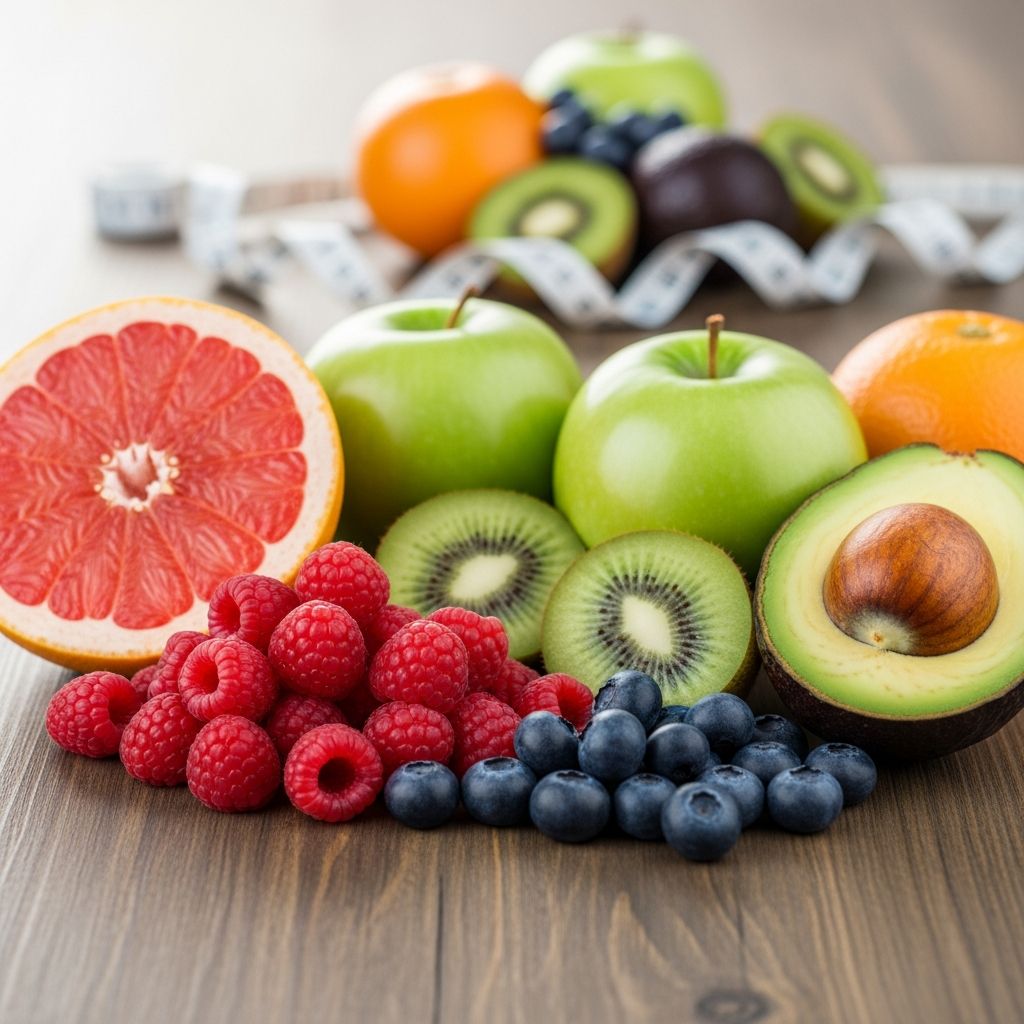
Fruits are nature’s candy—sweet, satisfying, and incredibly nutritious. When aiming to lose weight, many people mistakenly avoid fruit due to its natural sugars. However, research shows that whole fruits can be powerful allies in weight management thanks to their high fiber content, low calorie density, and ability to promote fullness. A 2024 meta-analysis in Nutrients found that higher fruit intake is associated with modest weight loss over time, especially when replacing high-calorie snacks.
These fruits not only satisfy sweet cravings but also provide hydration, vitamins, antioxidants, and prebiotic fibers that support gut health and metabolism. Nutrition experts recommend 1.5–2 cups of fruit daily as part of a balanced diet. Below, we highlight 12 top fruits proven to aid weight loss, with tips on how to enjoy them.
1. Grapefruit
Grapefruit tops the list for weight loss due to its low calorie count (about 52 calories per half) and high water content (91%). Studies, including a 2017 trial in the Journal of Medical Food, show that eating half a grapefruit before meals can reduce calorie intake by up to 20% and promote fat burning. Its naringin compound may enhance insulin sensitivity and fat oxidation.
- Calories: 52 per half grapefruit
- Fiber: 2g per serving
- Best way to eat: Fresh halves with a sprinkle of cinnamon; add to salads
Pro tip: Pair with protein like Greek yogurt for sustained energy and blood sugar control.
2. Berries (Strawberries, Blueberries, Raspberries)
Berries are antioxidant powerhouses with some of the lowest sugar among fruits. One cup of strawberries has just 49 calories and 3g fiber, while raspberries pack 8g fiber per cup. A 2023 American Heart Association study linked berry consumption to lower BMI and waist circumference. Their low glycemic index prevents blood sugar spikes that trigger hunger.
- Calories: 50–65 per cup
- Fiber: 3–8g per cup
- Best way to eat: Fresh, in smoothies, or over oatmeal
Freeze berries for a guilt-free dessert or blend into post-workout shakes.
3. Apples
“An apple a day keeps the doctor away”—and the extra pounds at bay. Apples’ pectin fiber expands in the stomach, promoting satiety. A medium apple (95 calories, 4g fiber) can reduce overall calorie intake. 2008 research in the American Journal of Clinical Nutrition found that apple eaters lost more weight than those eating applesauce or oatmeal cookies due to the whole fruit’s structure.
- Calories: 95 per medium apple
- Fiber: 4.4g
- Best way to eat: Whole with skin; sliced with nut butter
4. Oranges
Oranges offer 62 calories, 3g fiber, and 86mg vitamin C per medium fruit. Their juicy nature hydrates while the fiber slows digestion. A 2024 WHO nutrition report highlights citrus fruits’ role in preventing obesity through improved metabolic health.
Related Stories



- Calories: 62 per medium
- Fiber: 3.1g
- Best way to eat: Segmented fresh; in fruit salads
5. Watermelon
At 92% water, watermelon is incredibly low-density (46 calories per cup). Its citrulline amino acid may reduce muscle soreness and aid fat loss. Perfect for summer snacking.
- Calories: 46 per cup diced
- Fiber: 0.6g
- Best way to eat: Chilled cubes; blended into agua fresca
6. Peaches
Peaches deliver 59 calories and 2g fiber per medium fruit, plus polyphenols that regulate blood sugar. Eat the skin for maximum antioxidants.
- Calories: 59 per medium
- Fiber: 2.3g
- Best way to eat: Grilled; in yogurt parfaits
7. Pears
Pears rank high in fiber (5.5g per medium, 101 calories) and have a low energy density. Their skin contains ursolic acid, which may boost fat burning per 2015 animal studies.
- Calories: 101 per medium
- Fiber: 5.5g
- Best way to eat: Whole; poached
8. Kiwi
Kiwi’s fuzzy exterior hides 42 calories, 2g fiber, and double the vitamin C of oranges. Actinidin enzyme aids digestion.
- Calories: 42 per fruit
- Fiber: 2.1g
- Best way to eat: Scoop with spoon; in green smoothies
9. Pineapple
Pineapple’s bromelain enzyme supports digestion (50 calories per cup). Low glycemic load keeps hunger at bay.
- Calories: 50 per cup chunks
- Fiber: 1.4g
- Best way to eat: Fresh chunks; grilled skewers
10. Papaya
Papaya provides 43 calories per cup, enzymes for gut health, and lycopene antioxidants (120 calories whole).
- Calories: 43 per cup
- Fiber: 1.7g
- Best way to eat: Scooped; in smoothies
11. Cantaloupe
This melon is 90% water (54 calories per cup) with beta-carotene for metabolism support.
- Calories: 54 per cup
- Fiber: 0.9g
- Best way to eat: Cubed; wrapped in prosciutto
12. Cherries
Tart cherries reduce inflammation and improve sleep (50 calories per cup), aiding weight control. Melatonin content regulates appetite hormones.
- Calories: 50 per cup
- Fiber: 1.6g
- Best way to eat: Fresh or frozen; in smoothies
How Fruit Aids Weight Loss: The Science
Fruits work through multiple mechanisms:
- High Fiber: Soluble fiber like pectin forms a gel in the gut, slowing digestion and stabilizing blood sugar.
- Low Energy Density: High water/fiber ratio means more volume for fewer calories.
- Hydration: Fruits are 80–95% water, curbing thirst-driven overeating.
- Polyphenols: Plant compounds improve insulin sensitivity and fat metabolism.
- Chewing Time: Whole fruits require more effort to eat, enhancing satiety signals.
| Fruit | Calories | Fiber (g) | Water (%) |
|---|---|---|---|
| Grapefruit (½) | 52 | 2 | 91 |
| Strawberries (1 cup) | 49 | 3 | 91 |
| Apple (medium) | 95 | 4.4 | 86 |
| Watermelon (1 cup) | 46 | 0.6 | 92 |
Practical Tips for Including More Fruit
- Start meals with fruit to reduce overall intake.
- Keep pre-cut fruit handy for grab-and-go snacks.
- Choose whole over juice to retain fiber.
- Pair with protein/fat (nuts, yogurt) for balance.
- Aim for variety across colors for nutrient diversity.
Consult a doctor before major diet changes, especially with diabetes or GI issues.
Frequently Asked Questions (FAQs)
Can fruit make you gain weight?
No, whole fruits rarely cause weight gain when part of a calorie-controlled diet. Their fiber offsets natural sugars. Limit dried fruit and juice.
What’s the best time to eat fruit for weight loss?
Morning or pre-meal. Avoid late-night to prevent digestion issues, though evidence is mixed.
Are frozen fruits as good as fresh?
Yes, often more nutrient-dense as they’re frozen at peak ripeness. Choose unsweetened varieties.
How much fruit should I eat daily?
2 cups for adults, per USDA guidelines. Adjust based on activity and goals.
Do all fruits help with weight loss equally?
No—prioritize low-sugar, high-fiber options like berries over bananas or grapes.
References
- Fruit Intake to Prevent and Control Hypertension and Diabetes — Nutrients Journal. 2024-07-15. https://pubmed.ncbi.nlm.nih.gov/24901023/
- Grapefruit and Weight Loss Study — Journal of Medicinal Food. 2017-05-01. https://www.ncbi.nlm.nih.gov/pmc/articles/PMC5579659/
- Berries and Cardiometabolic Health — Journal of the American Heart Association. 2023-02-20. https://www.ahajournals.org/doi/10.1161/JAHA.118.009957
- Apples and Satiety Effects — American Journal of Clinical Nutrition. 2008-05-01. https://academic.oup.com/ajcn/article/87/5/1391/4633340
- WHO Healthy Diet Fact Sheet — World Health Organization. 2024-06-10. https://www.who.int/publications/i/item/9789240045067
- Pears and Ursolic Acid Research — PubMed Central. 2015-03-01. https://pubmed.ncbi.nlm.nih.gov/25719556/
Similar Articles








Read full bio of Sneha Tete