Fruits to Add to Your Diet to Help You Lose Weight
Discover the best fruits for weight loss, backed by science, and learn how to incorporate them into your diet for sustainable results.
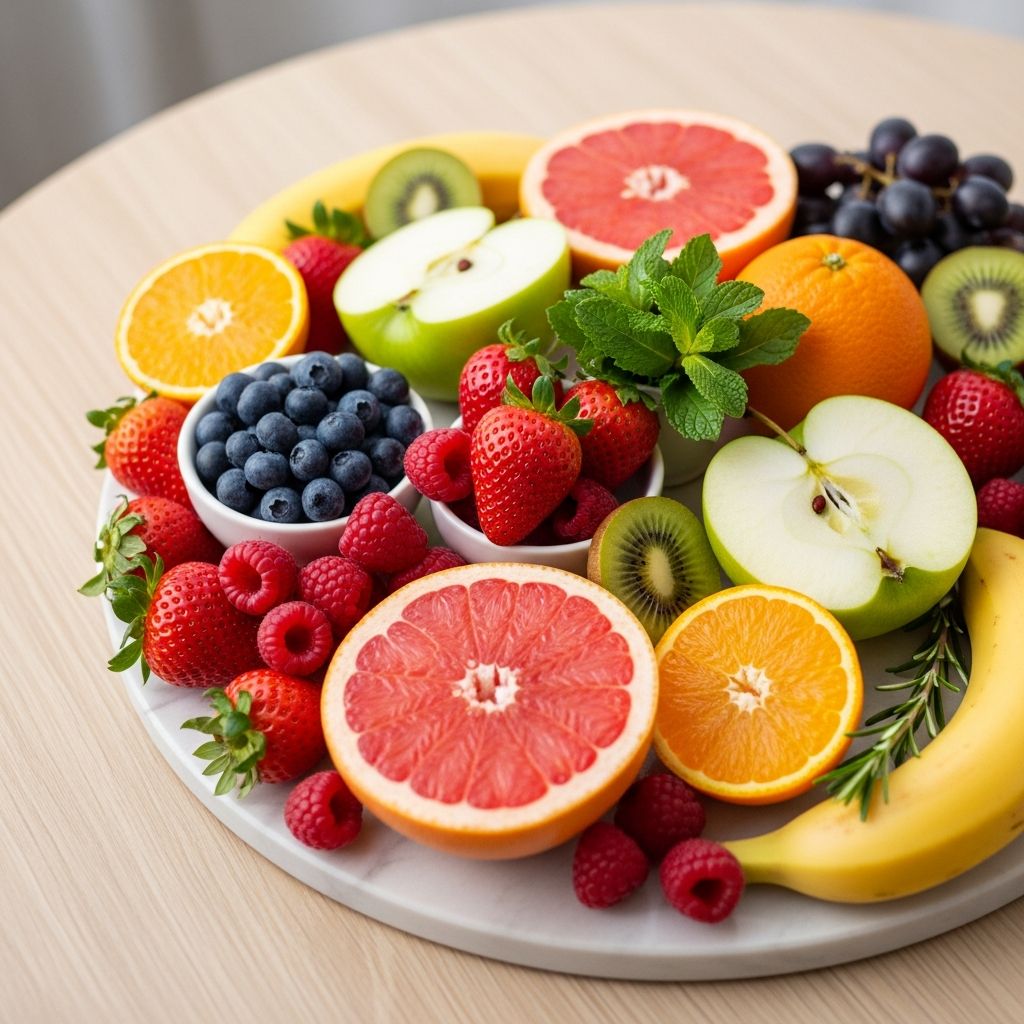
Fruits are nature’s candy, offering sweetness without the calorie overload, making them powerful allies in weight management. Low in calories yet high in fiber, water, and essential nutrients, these foods promote fullness, stabilize blood sugar, and support metabolic health. Research shows increased fruit intake contributes to weight loss, especially when replacing high-energy-density foods. This guide covers the top fruits for shedding pounds, their benefits, and practical ways to enjoy them daily.
Why Fruits Help with Weight Loss
Incorporating more fruits into your diet can lead to significant weight reduction. A comprehensive review of prospective studies and RCTs found that higher fruit and vegetable intake is a chief contributor to weight loss in women, with top fruits like blueberries, apples, pears, prunes, and strawberries linked to reductions of up to -0.70 kg. Whole fruits, excluding juices, promote loss independent of fiber or glycemic load due to their low starch content and high water volume.
Fruits excel because they are low-energy-density foods (<1.75 kcal/g), meaning you can eat larger volumes for fewer calories, enhancing satiety. Studies like the US Women’s Health Study showed >3.1 fruit servings/day reduced overweight/obesity odds by 13% over 15 years. In the EPIC studies, every 100 kcal/day fruit increase reduced waist circumference by -11 cm/year in normal-weight women. Pairing fruits with protein curbs hunger better than fruit alone, avoiding nutritional gaps from extreme fruit-only diets.
- High fiber: Slows digestion, promotes fullness.
- Low calories: Allows volume eating without excess energy.
- Antioxidants: Combat inflammation linked to obesity.
- Hydration: High water content reduces overall intake.
1. Berries (Blueberries, Strawberries, Raspberries)
Berries top the list for weight loss, with blueberries associated with -0.70 kg loss and strawberries -0.27 kg in meta-analyses. Their low calorie count (about 50-80 kcal/cup), sky-high fiber (4-8g/cup), and antioxidants like anthocyanins make them ideal. Berries lower BMI effectively, especially in genetically susceptible individuals. They stabilize blood sugar, reducing cravings.
Nutrition per cup: Blueberries: 84 kcal, 3.6g fiber; Strawberries: 49 kcal, 3g fiber.
How to Eat Berries for Weight Loss
- Add to Greek yogurt or oatmeal for protein-fiber combo.
- Blend into smoothies with spinach and protein powder.
- Top salads for low-cal crunch.
Recipe: Berry Protein Parfait – Layer 1 cup mixed berries, ¾ cup low-fat yogurt, 1 tbsp chia seeds. 200 kcal, high satiety.
2. Apples
Apples rank high, linked to -0.39 to -0.65 kg loss. One medium apple (95 kcal, 4g fiber) fills you up thanks to pectin, a soluble fiber that expands in the stomach. Eating an apple before meals reduced calorie intake by 15% in studies.
The ‘apple shape’ myth aside, their low energy density supports lean habits. Lean women consume more apples than obese counterparts.
Apple Serving Ideas
| Snack Idea | Calories | Benefits |
|---|---|---|
| Sliced with 1 tbsp peanut butter | 200 | Added protein/fat for satiety |
| Baked with cinnamon | 100 | Craving killer, no added sugar |
| Apple chicken salad | 300 | Meal replacement option |
3. Grapefruit
Grapefruit’s bitterness signals low calories to the brain, curbing appetite. Half a grapefruit (52 kcal) before meals led to 1.5 kg more loss over 12 weeks in one study. It’s rich in naringin, which may boost fat-burning enzymes.
Related Stories



Low glycemic index prevents insulin spikes.
- Breakfast: Half grapefruit + eggs.
- Snack: With cottage cheese.
4. Avocados
Though higher in calories (240/kcal medium), avocados’ monounsaturated fats promote satiety and linked to -0.26 kg loss. Half an avocado (120 kcal, 9g fiber) replaces higher-cal spreads. They lower cholesterol and support hormone balance.
Avocado Tips
- Mash on whole-grain toast with egg.
- Add to salads for creaminess.
- Guacamole with veggies.
5. Pears
Pears mirror apples: -0.39 kg loss, 5.5g fiber/medium (100 kcal). Eat skin-on for max fiber.
- Pear spinach smoothie.
- Baked pears with nuts.
6. Watermelon
92% water, 46 kcal/cup, linked to -0.32 kg loss. Hydrating and refreshing, it combats dehydration-related hunger.
- Cubed with feta and mint.
- Frozen for popsicles.
7. Oranges and Citrus Fruits
Citrus excels in BMI reduction. One orange (62 kcal, 3g fiber) provides vitamin C for metabolism.
- Segments in quinoa salad.
- Fresh-squeezed water.
8. Kiwi
Two kiwis (84 kcal, 4g fiber) match an apple’s satiety. Actinidin aids digestion.
- Sliced with yogurt.
- In fruit chaat.
9. Peaches and Stone Fruits
Low-cal (59 kcal/medium), juicy peaches fill you up. Seasonal and versatile.
- Grilled with chicken.
- Frozen blended.
10. Prunes
Dried plums: -0.33 kg loss. 7 prunes (140 kcal, 3.5g fiber) prevent constipation, common in dieting.
- Mixed with nuts.
- In oatmeal.
Other Fruits to Consider: Grapes, Pineapple, Bananas
Grapes (-0.36 kg), pineapple (bromelain for digestion), bananas (in moderation for potassium).
How Many Servings of Fruit Per Day for Weight Loss?
Aim for 2-3 servings (1 cup fresh or 1 medium fruit). >3 servings/day yields best results. Balance with veggies, protein, fats.
Fruit Pairings for Maximum Satiety
| Fruit | Pair With | Why It Works |
|---|---|---|
| Berries | Yogurt/Nuts | Protein + fat slows sugar absorption |
| Apple | Almond Butter | Balanced macros |
| Grapefruit | Eggs | Complete breakfast |
Sample 1-Day Meal Plan with Weight-Loss Fruits
- Breakfast: Greek yogurt parfait with berries, chia (300 kcal).
- Snack: Apple slices + peanut butter (200 kcal).
- Lunch: Spinach salad with grapefruit, avocado, chicken (400 kcal).
- Snack: Kiwi or orange (60 kcal).
- Dinner: Grilled fish with watermelon salsa, veggies (450 kcal).
- Total: ~1,500 kcal, high volume.
Frequently Asked Questions (FAQs)
Can eating fruit alone help me lose weight?
Short-term yes via calorie deficit, but unsustainable due to missing protein/fats, risking muscle loss and rebound. Balance is key.
Is fruit sugar bad for weight loss?
No—fiber slows fructose absorption, unlike processed sugars. Whole fruits don’t spike blood sugar.
Best time to eat fruit for weight loss?
Anytime, but pre-meal boosts satiety. Avoid late-night if sensitive to sugars.
Are dried fruits good for weight loss?
Portion-controlled yes (e.g., prunes), but calorie-dense—stick to ¼ cup.
Do fruits like bananas hinder weight loss?
No, in moderation; higher sugar but potassium aids recovery. Pair with protein.
Potential Downsides and Precautions
Fruit allergies, high FODMAPs (e.g., apples for IBS), or diabetes—monitor portions. Avoid juice; it’s calorie-dense without fiber. Fruit-only diets risk fatigue, nutrient gaps. Consult a doctor for personalized advice.
Sustainable weight loss comes from consistent habits: swap snacks for fruit, fill half your plate with produce. Track progress beyond scale—energy, measurements.
References
- A Comprehensive Critical Assessment of Increased Fruit and Vegetable Intake on Weight Loss in Women — Bes-Rastrollo M et al. PMC. 2020-07-21. https://pmc.ncbi.nlm.nih.gov/articles/PMC7399879/
- Fruit Diet for Weight Loss: Benefits, Risks + Alternatives — Knownwell. 2024. https://www.knownwell.co/blog-posts/fruit-diet-for-weight-loss-benefits-risks-alternatives
- Can eating fruits and vegetables help people to manage their weight? — CDC. 2007. https://everyonegoeshome.com/wp-content/uploads/2015/02/cdc-eating-fruit-vegs.pdf
Similar Articles








Read full bio of medha deb