Functional Dyspepsia: Causes, Treatments, and New Directions
Understanding functional dyspepsia: exploring causes, treatment options, and emerging therapeutic approaches.
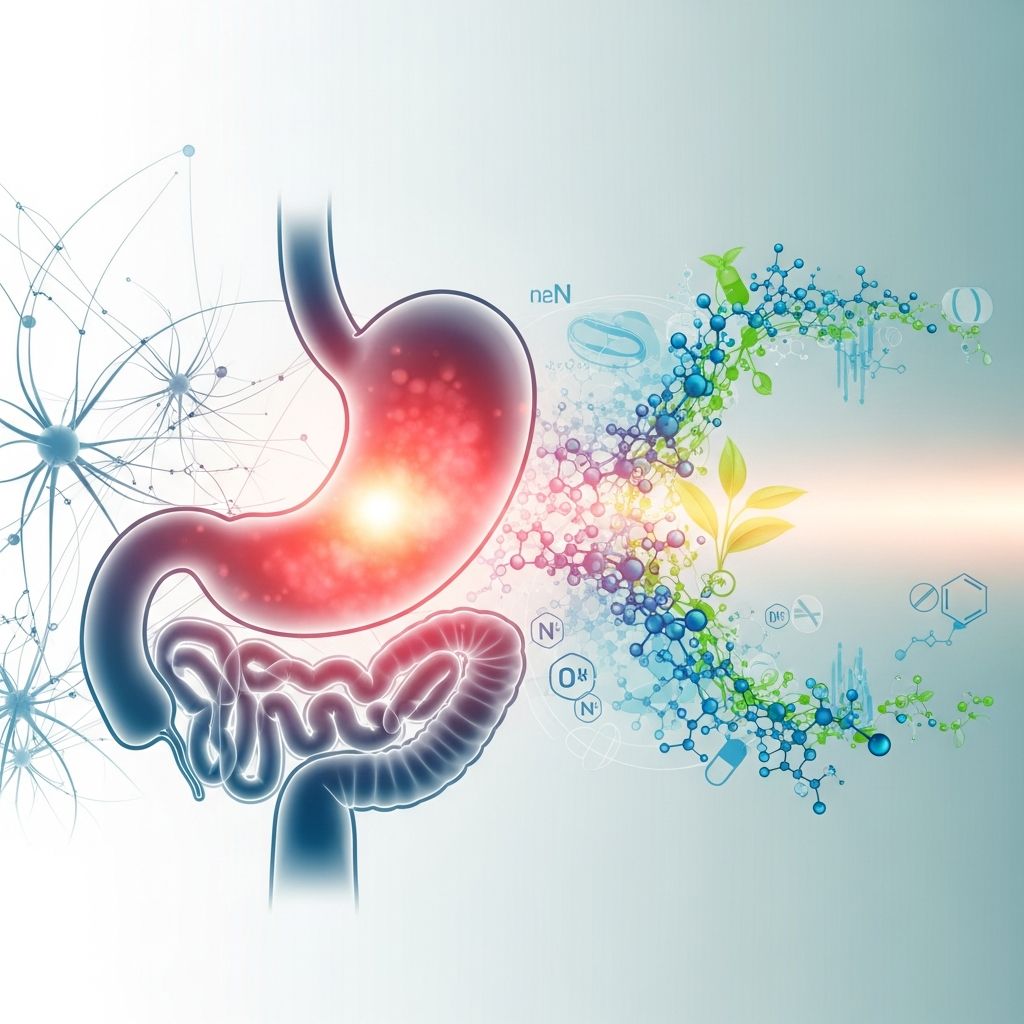
Functional dyspepsia represents one of the most common gastrointestinal disorders affecting modern populations, impacting up to 30% of the global population. Despite its prevalence, many patients suffer from this condition for years without receiving a proper diagnosis or understanding the mechanisms driving their symptoms. Unlike peptic ulcer disease or other structural gastrointestinal disorders, functional dyspepsia occurs without identifiable organic pathology on standard diagnostic imaging or endoscopy. This distinction makes diagnosis challenging and treatment necessarily focused on symptom management rather than correcting an underlying structural defect. Understanding the multifaceted nature of functional dyspepsia—its causes, symptom patterns, and evolving treatment approaches—is essential for both patients and healthcare providers seeking to improve quality of life and long-term outcomes.
What is Functional Dyspepsia?
Functional dyspepsia is a chronic digestive disorder characterized by persistent symptoms of upper abdominal discomfort occurring in the absence of identifiable structural disease. The condition manifests as a constellation of symptoms that significantly impact daily functioning and quality of life. Patients typically report experiencing postprandial bloating, early satiety (feeling full quickly after eating), or pain in the center of the upper abdomen. While some individuals may also experience nausea, vomiting, or heartburn, these symptoms are typically infrequent and secondary to the primary dyspeptic complaints.
The Rome IV diagnostic criteria define functional dyspepsia as symptoms persisting for at least three months, with onset at least six months before diagnosis. This definition emphasizes the chronic nature of the condition and distinguishes it from transient indigestion related to specific meals or acute gastroenteritis. Healthcare providers diagnose functional dyspepsia by confirming characteristic symptoms while systematically ruling out other potential causes, including chronic acid reflux (GERD), peptic ulcer disease, and structural abnormalities.
Understanding the Subtypes
Functional dyspepsia manifests in distinct clinical presentations, each potentially arising from different underlying mechanisms. Recognizing these subtypes is crucial for tailoring treatment approaches and predicting therapeutic responses.
Epigastric Pain Syndrome
This subtype is characterized by bothersome epigastric pain or burning sensations. Patients with epigastric pain syndrome experience discomfort that may worsen with eating or occur in the fasting state. The pain typically localizes to the upper central abdomen and can be severe enough to interfere with daily activities.
Postprandial Distress Syndrome
This presentation features early satiety and postprandial fullness—the sensation of uncomfortable bloating and rapid fullness after consuming normal meal volumes. Patients report feeling satisfied after eating only small portions and experiencing distension of the upper abdomen following meals.
Overlap Presentations
Many patients experience symptoms that span both categories, presenting with combinations of epigastric pain and postprandial distress. These overlap presentations suggest complex, multifactorial pathophysiology requiring comprehensive evaluation and individualized treatment planning.
Causes and Risk Factors
The pathophysiology of functional dyspepsia remains incompletely understood, though research has identified multiple contributing mechanisms operating independently or in combination. Unlike conditions with single identifiable causes, functional dyspepsia typically results from interactions between several physiological, psychological, and environmental factors.
Gastric Motility Disturbances
One primary mechanism involves impaired gastric motor function. Inadequate fundic accommodation—the stomach’s inability to properly relax and expand to accommodate incoming food—contributes to early satiety and postprandial bloating. Delayed gastric emptying, where the stomach fails to propel its contents into the small intestine at normal rates, perpetuates these symptoms and prevents normal digestion progression.
Related Stories



Disordered Gastric Sensation
Heightened visceral sensitivity represents another crucial pathophysiological mechanism. Many patients with functional dyspepsia exhibit hypersensitivity to gastric distension and gas accumulation. The stomach’s nerves become hypersensitive to normal physiological stimuli, causing pain and discomfort that would not be perceived by individuals without this sensory dysfunction.
Gastric and Duodenal Inflammation
Emerging research demonstrates that microinflammatory changes occur in the duodenal lining of more than 40% of functional dyspepsia patients. These inflammatory changes include increased eosinophilia and alterations in the intestinal mucosal barrier. Damage to the mucosal barrier increases permeability, reducing its ability to block harmful substances and perpetuating inflammatory responses.
Environmental and Lifestyle Factors
Several environmental factors contribute to functional dyspepsia development and symptom exacerbation. Stress, food allergies, smoking, and prolonged acid exposure can impair the duodenal mucosal lining and promote inflammation. Additionally, Helicobacter pylori infection, though not causing functional dyspepsia in all infected individuals, may contribute to symptoms in susceptible populations.
Psychological Factors
Psychiatric comorbidity and psychopathological states, including anxiety and depression, may contribute to functional dyspepsia, though these factors are less pronounced and specific than in other functional gastrointestinal disorders such as irritable bowel syndrome. The interaction between psychological stress and gut physiology creates complex symptom patterns requiring holistic treatment approaches.
Genetic Predisposition
A genetic predisposition for functional dyspepsia likely exists but is less evident than in other functional gastrointestinal disorders, suggesting environmental and acquired factors play larger roles in disease development.
Diagnostic Approach
Accurate diagnosis requires comprehensive history-taking, physical examination, and targeted investigation to exclude organic pathology. Healthcare providers typically begin by evaluating symptom patterns, duration, and associated features. Initial laboratory studies may include testing for Helicobacter pylori infection, as eradication can relieve symptoms in infected patients.
Upper endoscopy is performed in patients presenting with alarming symptoms—including unintentional weight loss, dysphagia (difficulty swallowing), or frequent vomiting—to exclude peptic ulcer disease, malignancy, or other structural pathology. Once organic disease is excluded and diagnostic criteria are met, functional dyspepsia diagnosis is established.
Treatment Strategies
Because functional dyspepsia lacks a single identifiable cause, treatment focuses on symptom management through multimodal approaches combining lifestyle modification, pharmacotherapy, and behavioral interventions as indicated.
Lifestyle and Dietary Modifications
Initial management emphasizes lifestyle adjustments that can significantly reduce symptoms. Patients benefit from eating smaller, more frequent meals rather than large portions that overwhelm gastric capacity. Reducing dietary fat, which delays gastric emptying, often provides symptomatic relief. Avoiding trigger foods, limiting alcohol consumption, and minimizing caffeine intake help prevent symptom exacerbation. Additionally, eating slowly and in a relaxed environment optimizes digestion and reduces discomfort.
Pharmacological Interventions
Proton Pump Inhibitors (PPIs)
Proton pump inhibitors represent first-line pharmacological therapy for functional dyspepsia, particularly in patients testing negative for Helicobacter pylori. These medications reduce gastric acid production and are typically prescribed for an initial 2-month trial. When symptoms respond positively, treatment is tapered to the lowest effective maintenance dose or discontinued, given the potential long-term complications associated with chronic PPI use.
H2-Receptor Antagonists (H2RAs)
For patients who cannot tolerate PPIs or prefer alternative acid-suppressing therapy, H2-receptor antagonists offer an option. While further studies are required to definitively establish H2RA efficacy compared to PPIs, several investigations demonstrate their effectiveness over placebo, showing approximately 23% reduction in symptoms.
Prokinetic Agents
Prokinetic drugs enhance gastric motility and improve stomach emptying, addressing the underlying mechanism of delayed gastric emptying and inadequate accommodation. Metoclopramide, a commonly prescribed prokinetic with antidopaminergic and cholinergic properties, improved symptoms in 83% of patients experiencing regurgitation or heartburn in clinical trials. These medications are particularly effective for patients with postprandial distress syndrome.
Antidepressants
Low-dose tricyclic antidepressants (TCAs) and selective serotonin reuptake inhibitors (SSRIs) represent important treatment options for patients whose symptoms remain refractory after eight weeks of PPI monotherapy. These medications block the activity of neurons controlling intestinal pain perception, providing symptomatic relief through neuromodulation rather than acid suppression. TCAs may be used as monotherapy or combined with PPI therapy in patients demonstrating partial PPI response.
Antibiotics for H. pylori Eradication
When testing identifies Helicobacter pylori infection, antibiotic therapy should be initiated alongside acid-suppressing medication. Standard clarithromycin-based triple therapy involves administering clarithromycin, amoxicillin, and a PPI twice daily for 14 days, though eradication rates in the United States typically remain below 80%. Sequential or concomitant therapy regimens may be employed in settings with resistant organisms.
Anti-Emetic Medications
For patients experiencing troublesome nausea following meals, anti-emetic medications including promethazine, prochlorperazine, and meclizine may provide relief and improve quality of life.
Behavioral and Psychological Interventions
Psychotherapy and behavioral modification techniques address the psychological contributions to functional dyspepsia. Cognitive-behavioral therapy, stress management techniques, and relaxation training help patients develop coping strategies and reduce symptom amplification. For patients with significant psychological comorbidity, specialized mental health intervention may be necessary.
Treatment Planning and Individualization
Effective functional dyspepsia management requires individualized treatment planning based on symptom subtype, comorbidities, and response to initial interventions. Treatment typically begins with lifestyle modification and first-line pharmacotherapy, progressing to combination therapy or alternative agents when inadequate symptom control is achieved. Healthcare providers should discuss realistic treatment expectations, as functional dyspepsia often follows a relapsing-remitting course.
Prognosis and Long-Term Outcomes
Functional dyspepsia is characterized by a relapsing and remitting course, with periods of symptom relief interspersed with flare-ups. While lifestyle changes, medications, and psychotherapy can provide significant relief for some patients, others experience persistent symptoms over extended periods. Approximately half of individuals diagnosed with functional dyspepsia continue experiencing symptoms up to one year after diagnosis.
Importantly, patients with functional dyspepsia report quality of life comparable to those with peptic ulcer disease and significantly worse than healthy individuals. This observation emphasizes the substantial burden this condition imposes, even without structural disease. However, most patients experience significant symptom improvement with appropriate treatment, and only a small percentage maintain severe symptoms after intervention.
Emerging Directions and Future Therapies
Research continues exploring novel therapeutic approaches targeting previously unrecognized pathophysiological mechanisms. Advanced understanding of the gut microbiome’s role in functional dyspepsia may lead to targeted probiotic or dietary interventions. Investigation of duodenal inflammation and mucosal barrier dysfunction offers potential for anti-inflammatory therapeutic strategies. Neuromodulation techniques, including transcranial magnetic stimulation and gastric electrical stimulation, represent experimental approaches under investigation for refractory cases.
Personalized medicine approaches utilizing biomarker identification may enable clinicians to predict individual patient responses to specific therapies, optimizing treatment efficacy while minimizing unnecessary medication exposure. As mechanistic understanding advances, treatment paradigms will likely shift from nonspecific symptom suppression to mechanism-targeted intervention.
Frequently Asked Questions
Q: Is functional dyspepsia dangerous or likely to develop into a serious condition?
A: Functional dyspepsia itself is not dangerous or life-threatening. However, alarming symptoms such as significant weight loss, difficulty swallowing, or persistent vomiting warrant medical evaluation to exclude serious underlying conditions.
Q: Can functional dyspepsia be cured?
A: Currently, there is no definitive cure for functional dyspepsia. However, most therapies significantly reduce symptoms to manageable levels, and many patients experience substantial improvement with appropriate treatment combining lifestyle modifications and pharmacotherapy.
Q: How long does it take for medications to work?
A: Most medications require 2 to 8 weeks to demonstrate symptom improvement. Proton pump inhibitors are typically trialed for at least 2 months before assessing efficacy and determining whether continuation, dose adjustment, or alternative therapy is warranted.
Q: Should I avoid specific foods if I have functional dyspepsia?
A: Trigger foods vary among individuals but commonly include high-fat meals, caffeine, alcohol, and spicy foods. Keeping a food diary helps identify personal triggers and allows targeted dietary modifications.
Q: Can stress worsen functional dyspepsia symptoms?
A: Yes, psychological stress can exacerbate symptoms through complex interactions between the central nervous system and gut physiology. Stress management techniques, including relaxation training and cognitive-behavioral therapy, often provide symptomatic benefit.
Q: When should I seek specialist care?
A: If symptoms persist despite initial treatment from your primary care provider or if you experience alarming symptoms such as severe weight loss or dysphagia, specialist consultation with a gastroenterologist is warranted.
Conclusion
Functional dyspepsia represents a common, chronic condition significantly impacting quality of life despite the absence of identifiable structural pathology. Understanding its multifactorial pathophysiology—encompassing gastric motility disturbances, sensory dysfunction, inflammation, and psychological factors—enables comprehensive treatment planning. Current management strategies combining lifestyle modification, targeted pharmacotherapy, and behavioral intervention provide effective symptom relief for most patients. As research advances our mechanistic understanding and identifies novel therapeutic targets, treatment paradigms will continue evolving toward more personalized, mechanism-directed approaches. Patients experiencing functional dyspepsia should engage in collaborative dialogue with healthcare providers to develop individualized treatment plans addressing their specific symptom patterns and life circumstances.
References
- Functional Dyspepsia – StatPearls — National Center for Biotechnology Information (NCBI), National Library of Medicine. 2024. https://www.ncbi.nlm.nih.gov/books/NBK554563/
- Functional dyspepsia: How to manage the burn and the bloat — Cleveland Clinic Journal of Medicine. 2024. https://www.ccjm.org/content/91/5/301
- Functional Dyspepsia: What It Is, Symptoms & Treatment — Cleveland Clinic. 2024. https://my.clevelandclinic.org/health/diseases/22248-functional-dyspepsia
- Functional dyspepsia – Symptoms and causes — Mayo Clinic. 2024. https://www.mayoclinic.org/diseases-conditions/functional-dyspepsia/symptoms-causes/syc-20375709
- Functional dyspepsia – Diagnosis and treatment — Mayo Clinic. 2024. https://www.mayoclinic.org/diseases-conditions/functional-dyspepsia/diagnosis-treatment/drc-20375715
- Understanding Functional Dyspepsia — UMass Memorial Health. 2024. https://www.ummhealth.org/health-library/understanding-functional-dyspepsia
Similar Articles








Read full bio of Sneha Tete