Functional Endoscopic Sinus Surgery (FESS)
Minimally invasive sinus surgery to restore drainage and relieve chronic sinusitis symptoms effectively.
What is Functional Endoscopic Sinus Surgery (FESS)?
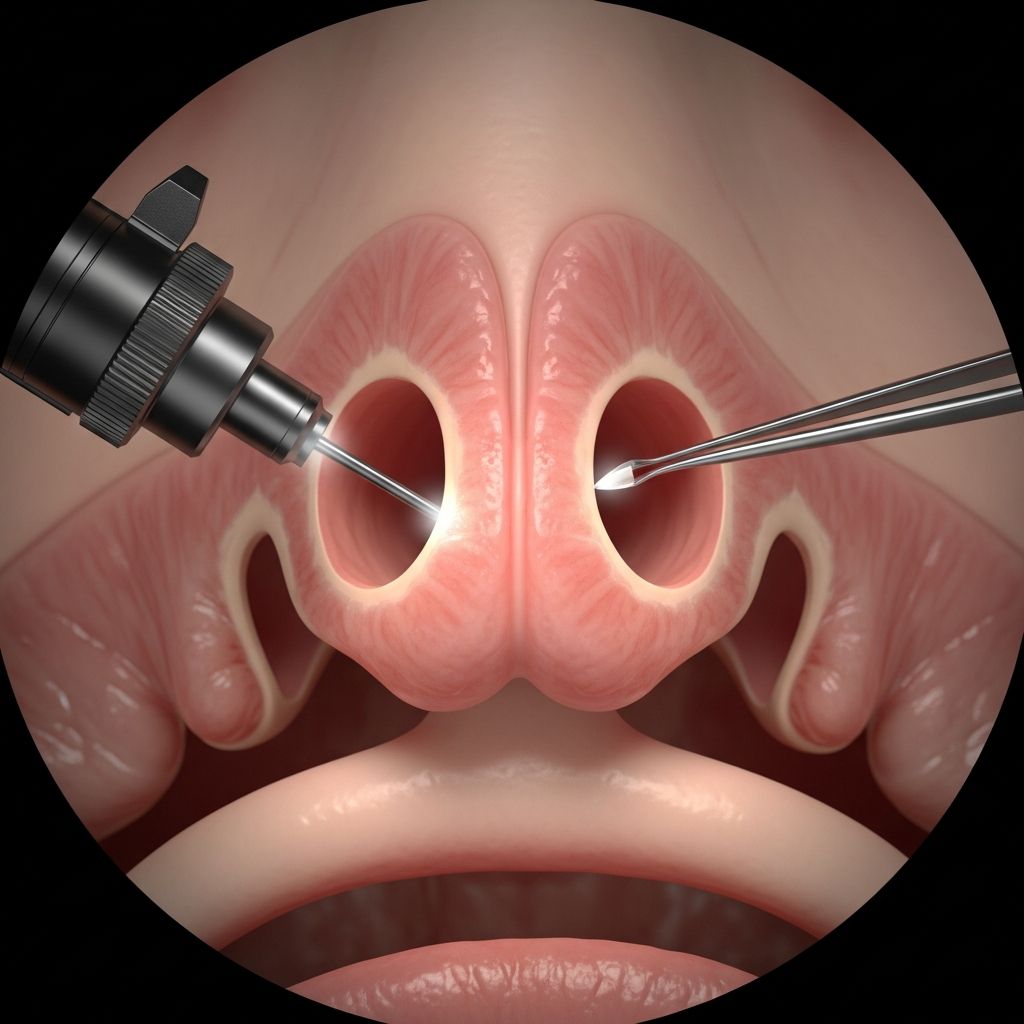
Functional endoscopic sinus surgery (FESS) is a minimally invasive procedure that unblocks your sinuses to restore drainage and airflow. It’s a surgical technique designed to treat serious sinus conditions that don’t respond well to conservative medical management. Healthcare providers use nasal endoscopes—thin tubes equipped with cameras and lights—to operate inside your nostrils, so there are no incisions in or around your nose. This approach represents a significant advancement in sinus surgery, as it eliminates the need for traditional open procedures that required incisions in the mouth or face.
The primary goal of FESS is to restore normal sinus drainage and improve airflow by removing blockages such as inflamed tissue, polyps, or other obstructions. By restoring proper drainage and ventilation of the sinuses, the procedure helps return the mucociliary transport mechanism to normal function, which is essential for maintaining sinus health. Most people who undergo FESS notice major symptom improvements and experience better breathing and quality of life.
Conditions Treated with FESS
FESS is primarily used to treat chronic sinusitis and nasal polyps. The procedure is particularly effective for patients whose sinus conditions have not responded adequately to medical management, including medications such as nasal sprays, antibiotics, and decongestants.
Chronic Rhinosinusitis (CRS)
Chronic rhinosinusitis is long-term sinus inflammation that causes persistent congestion, facial pressure, headaches, and recurring infections. When conservative treatments fail to provide relief, FESS offers a surgical solution to restore proper drainage and reduce symptoms.
Nasal Polyps
Nasal polyps are benign growths in the sinuses that can block drainage pathways and worsen breathing problems. FESS allows surgeons to remove these polyps and restore normal sinus function.
Other Sinus Conditions
FESS can also address other anatomical obstructions, including deviated septums affecting sinus drainage, enlarged turbinates, or other blockages preventing proper ventilation of the sinuses.
How the FESS Procedure Works
Understanding the step-by-step process of FESS can help patients prepare for surgery and know what to expect. The procedure is performed under general anesthesia, though local anesthesia with sedation may be used in some cases.
Pre-Operative Preparation
Before the procedure begins, your healthcare provider will insert a decongestant medication into your nose to reduce swelling and improve visibility. This preparation step helps ensure the surgeon has the best possible view of the surgical field.
Anesthesia Administration
An injection of a numbing solution is inserted into your nose to provide additional comfort during the procedure. Most FESS surgeries are performed under general anesthesia, which allows patients to remain completely unconscious and pain-free throughout the operation.
Endoscope Insertion
The surgeon gently inserts the endoscope through your nostrils. The endoscope is a thin, flexible or rigid tube with a camera on the end that provides a magnified, direct view of your sinus passages. This visualization is critical for the surgeon to navigate safely and accurately through the sinus anatomy.
Related Stories



Removal of Blockages
Using specialized surgical instruments passed through or alongside the endoscope, the surgeon removes blockages such as nasal polyps, swollen tissue, or mucus buildup. The exact surgical interventions depend on your specific condition. A standard FESS typically includes removal of the uncinate process and opening of the ethmoid air cells and other affected sinus areas to restore normal drainage pathways.
Advanced Techniques
In some cases, surgeons may use advanced techniques such as balloon sinuplasty, which involves expanding narrowed sinuses using a small balloon device. Additionally, a PROPEL sinus implant may be placed to keep the sinuses open and deliver anti-inflammatory medication over time.
Final Steps
After completing the necessary surgical work, the surgeon may scrape out additional tissue or remove residual disease. In some cases, your nose may be packed with material to absorb any blood or discharge and promote proper healing, though not all surgeries require this step.
Procedure Duration
Most functional endoscopic sinus surgeries last about two to three hours if both sides are involved, though the exact duration depends on the complexity of your condition and the extent of surgery needed. Many cases are completed within one to two hours.
Benefits of FESS
FESS offers numerous advantages for patients with chronic sinus conditions who haven’t found relief through medication alone:
Minimally Invasive Approach
No external incisions are required; surgery is performed entirely through the nostrils. This means no visible scars and significantly reduced tissue trauma compared to traditional open sinus surgery.
Improved Sinus Drainage
By opening blocked sinuses and widening natural drainage pathways, FESS reduces mucus buildup and decreases the risk of recurrent sinus infections.
Better Nasal Breathing
The procedure relieves congestion and enhances airflow through the nasal passages, allowing patients to breathe more easily.
Reduced Sinus Infections
With restored drainage, the frequency and severity of sinus infections typically decrease significantly.
Enhanced Sense of Smell and Taste
Many patients experience restoration of their sense of smell and taste following the procedure, as these senses are often diminished by chronic sinus inflammation.
Faster Recovery
Because FESS is minimally invasive, patients experience less downtime and faster recovery compared to traditional sinus surgery, allowing them to return to normal activities more quickly.
Lower Medication Dependence
FESS significantly reduces the need for long-term steroid sprays, antibiotics, or decongestants, decreasing both medication costs and potential side effects.
Customized Treatment
The procedure can be tailored to address each patient’s specific sinus issues and anatomical variations, ensuring personalized care.
Long-Term Symptom Relief
Many patients experience lasting improvements in sinus health and quality of life following FESS. Studies show between 80% and 90% of people who’ve had this surgery feel it solved their sinus issues.
Recovery After FESS
Recovery from functional endoscopic sinus surgery is relatively quick compared to traditional sinus procedures. Most patients can return home the same day after outpatient surgery. However, proper aftercare is essential for optimal healing.
Post-Operative Care Instructions
Following your surgery, your healthcare provider will give you specific instructions to promote healing. Recovery involves nasal irrigation with saline rinses to keep the surgical sites clean and prevent infection. You should avoid strenuous activities and vigorous nose blowing during the initial recovery period to prevent bleeding and allow the surgical sites to heal properly. Attending follow-up visits to monitor healing is crucial, as your surgeon will want to assess your progress and ensure that the sinuses are healing correctly and remaining open.
Expected Timeline
Most patients experience significant improvement within the first few weeks following surgery. Complete healing typically occurs within four to six weeks. However, the full benefits of FESS may continue to improve over several months as swelling resolves and tissues continue to heal.
Potential Risks and Complications
While FESS is considered a safe procedure with excellent outcomes, like any surgical intervention, potential risks and complications should be discussed with your healthcare provider.
Common Complications
Minor bleeding and infection are the most common complications, occurring in a small percentage of patients. Nasal packing helps prevent bleeding, and post-operative antibiotics may be prescribed to reduce infection risk. Scarring in the nasal passages can occur but is usually minimal and rarely causes significant problems.
Rare but Serious Complications
In rare cases, complications affecting the eyes or brain can occur due to the sinuses’ proximity to these structures. These include orbital cellulitis (infection around the eye), visual disturbances, cerebrospinal fluid leak, or meningitis. However, such complications are uncommon and typically occur when there are significant anatomical variations or surgeon inexperience. Choosing an experienced surgeon and discussing your anatomical risk factors can minimize these risks.
Individual Risk Factors
Certain patient factors may increase complication risk, including bleeding disorders, severe nasal anatomical variations, or revision surgery. Your surgeon will assess your individual risk profile before surgery.
Comparing FESS to Other Treatment Options
| Treatment Option | Approach | Recovery Time | Invasiveness |
|---|---|---|---|
| Medical Management | Medications, sprays, antibiotics | N/A | Non-invasive |
| FESS | Endoscopic surgery through nostrils | 1-2 weeks | Minimally invasive |
| Traditional Open Surgery | Incision in mouth or face | 4-6 weeks | More invasive |
Frequently Asked Questions About FESS
Q: Is FESS suitable for children?
A: Yes, FESS is appropriate for children with chronic rhinosinusitis or other sinonasal complications. Because of its less-invasive nature and reduced risk of damaging nerves compared to older surgical techniques, FESS has become a common option for pediatric patients.
Q: How long does it take to recover from FESS?
A: Most patients can return home the same day and resume light activities within a few days. Complete healing typically takes four to six weeks, though the full benefits may continue improving over several months.
Q: Will I have visible scars after FESS?
A: No, FESS leaves no external scars because the procedure is performed through the nostrils without any external incisions.
Q: What is the success rate of FESS?
A: Studies show between 80% and 90% of patients report that FESS solved their sinus issues, making it a highly effective treatment for chronic sinusitis.
Q: Can FESS be performed on both sides of the nose at once?
A: Yes, bilateral FESS (operating on both sides) is commonly performed in a single surgery session and typically takes two to three hours.
Q: Will I need medications after FESS?
A: While most patients significantly reduce their medication use after FESS, some may continue using nasal sprays or saline rinses as part of maintenance care. Your surgeon will provide specific recommendations based on your individual condition.
References
- Functional Endoscopic Sinus Surgery (FESS) — Cleveland Clinic. 2024. https://my.clevelandclinic.org/health/treatments/17478-functional-endoscopic-sinus-surgery
- Functional Endoscopic Sinus Surgery (FESS) — American Academy of Family Physicians. 1998. https://www.aafp.org/pubs/afp/issues/1998/0901/p707.html
- Functional Endoscopic Sinus Surgery — Children’s Hospital of Philadelphia. 2024. https://www.chop.edu/treatments/functional-endoscopic-sinus-surgery-fess
- CG-SURG-24 Functional Endoscopic Sinus Surgery (FESS) — Anthem Health. 2024. https://www.anthem.com/medpolicies/abc/active/gl_pw_a051164.html
- FESS Procedures – What to Expect — Medtronic. 2024. https://www.medtronic.com/en-us/l/patients/treatments-therapies/sinus-surgery/functional-endoscopic-sinus-surgery/what-to-expect.html
Similar Articles








Read full bio of medha deb