Functional Foods: Beyond Basic Nutrition
Discover how functional foods go beyond basic nutrition to support optimal health and disease prevention.
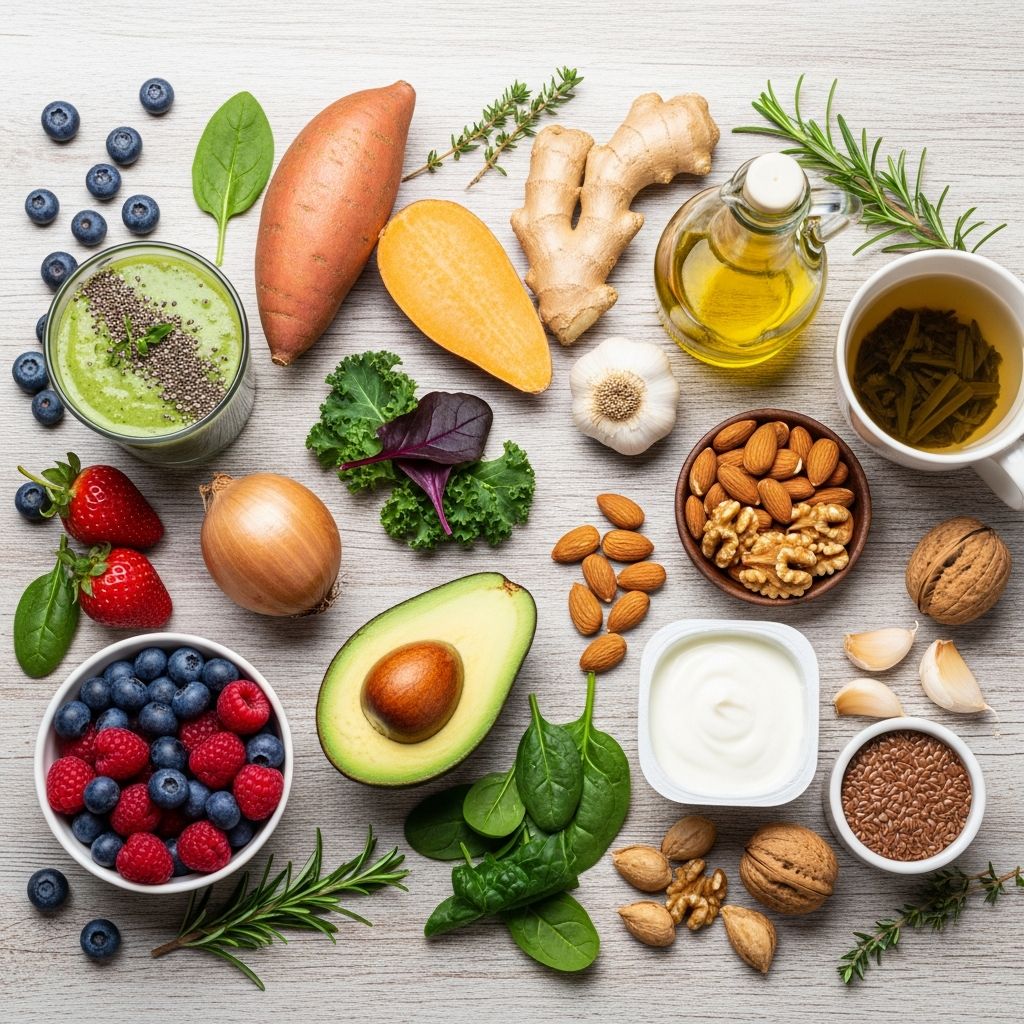
Understanding Functional Foods
Most foods are functional in some capacity. Food may provide protein for muscle repair, carbohydrates for energy, or vitamins and minerals for cell function. However, the term “functional foods” specifically refers to foods or food components that provide health benefits beyond meeting basic nutrition needs. Also known as nutraceuticals, functional foods are highly nutritious and associated with a number of powerful health benefits, including protecting against disease, preventing nutrient deficiencies, and promoting proper growth and development.
The Institute of Food Technologists defines functional foods as foods or food components that provide health benefits beyond basic nutrition. Many whole unprocessed foods containing nutrients are inherently functional, such as whole grains, which contain fiber, B vitamins, and phytochemicals that have been shown to reduce the risk of cancer and heart disease.
The health effects rendered by functional foods are typically due to bioactive compounds they contain. Different compounds can exert specific effects in the body, but most often work together to alter one or more physiological processes. To achieve the health benefits of the diverse compounds that different foods contain, it is important to consume foods in their whole form when possible.
Categories of Functional Foods
Functional foods can be divided into two main categories: conventional functional foods and modified functional foods. Understanding the difference between these categories helps consumers make informed dietary choices.
Conventional Functional Foods
Conventional functional foods include those that naturally contain health-promoting nutrients and compounds like vitamins, minerals, fiber, antioxidants, and healthy fats. This group includes fruits, vegetables, nuts, seeds, whole grains, fatty fish, and legumes. These foods have not been specially processed or fortified; instead, they provide health benefits through their natural composition.
Examples of conventional functional foods include:
- Fruits: berries, kiwi, pears, peaches, apples, oranges, and bananas
- Vegetables: broccoli, cauliflower, kale, spinach, and zucchini
- Nuts: almonds, cashews, pistachios, macadamia nuts, and Brazil nuts
- Seeds: chia seeds, flax seeds, hemp seeds, and pumpkin seeds
- Whole grains: oats, brown rice, quinoa, and whole wheat
- Herbs and spices: turmeric, cinnamon, ginger, and cayenne pepper
- Beverages: coffee, green tea, and black tea
Modified Functional Foods
Modified functional foods are those that have been specifically formulated to include the amount of a compound or nutrient that is likely to exert a benefit. These foods have been enhanced during the manufacturing process to increase their nutritional value or health-promoting properties. Since the introduction of fortified foods, the prevalence of nutrient deficiencies has significantly decreased around the globe.
Common examples of modified functional foods include:
- Fortified juices with vitamins and minerals
- Fortified dairy products, such as milk and yogurt
- Fortified milk alternatives, such as almond, rice, coconut, and cashew milk
- Fortified grains, such as bread and pasta
- Fortified cereal and granola
- Fortified eggs with omega-3 fatty acids
- Calcium and folate enriched bread
- Products enriched with plant fibers, sterols, and omega-3 fatty acids
Related Stories



Key Health Benefits of Functional Foods
Functional foods are associated with several potential health benefits that extend beyond basic nutrition.
Prevention of Nutrient Deficiencies
Functional foods are typically high in important nutrients, including vitamins, minerals, healthy fats, and fiber. Filling your diet with a variety of functional foods—including both conventional and fortified foods—can help ensure you get the nutrients you need and protect against nutrient deficiencies. The widespread adoption of fortified foods has played a significant role in reducing the global prevalence of nutritional deficiencies.
Disease Prevention and Protection
Functional foods provide important nutrients that can help protect against disease. Many are especially rich in antioxidants—molecules that help neutralize harmful compounds known as free radicals, helping prevent cell damage and certain chronic conditions, including heart disease, cancer, and diabetes.
Some functional foods are also high in omega-3 fatty acids, a healthy type of fat shown to reduce inflammation, boost brain function, and promote heart health. Research suggests that whole grain consumption may lower cancer, heart disease, and diabetes risk by reducing chronic inflammation and oxidative stress, preventing insulin resistance, reducing cholesterol levels, and improving gastrointestinal health.
Specific examples of disease-fighting functional foods include:
- Oats: Contain beta-glucan fiber, which has been shown to reduce inflammation, enhance immune function, and improve heart health. Beta-glucan may also help lower cholesterol and improve blood sugar control
- Tomatoes: High in lycopene, an antioxidant compound that provides disease-fighting benefits
- Berries: Rich in polyphenolic and anthocyanin compounds that delay aging-related changes, help fight infections and chronic diseases, and impede cancer progression
- Almonds: Rich in monounsaturated fatty acids and polyphenols; regular intake reduces chronic diseases such as diabetes and hypertension
Fruits and vegetables are packed with antioxidants, which are beneficial compounds that help protect against disease. Additionally, whole grains contain B vitamins, fiber, vitamin E, and selenium, compounds that have been shown to reduce inflammation, improve insulin resistance, lower cholesterol levels, improve gut function, and reduce cancer risk.
Support for Growth and Development
Certain nutrients are essential to proper growth and development in infants and children. Enjoying a wide range of nutrient-rich functional foods as part of a healthy diet can help ensure that nutritional needs are met. It can be particularly beneficial to include foods that are fortified with specific nutrients that are important for growth and development.
Key nutrients commonly found in functional foods that play important roles in growth and development include omega-3 fatty acids, iron, zinc, calcium, and vitamin B12.
How to Incorporate Functional Foods Into Your Diet
A well-rounded, healthy diet should be rich in a variety of functional foods, including nutrient-rich whole foods like fruits, vegetables, whole grains, and legumes. These foods not only supply your body with the vitamins and minerals it needs but also support overall health.
Modified, fortified functional foods can also fit into a balanced diet. In fact, they can help fill any gaps in your diet to prevent nutrient deficiencies, as well as enhance health by boosting your intake of important nutrients like vitamins, minerals, fiber, heart-healthy fats, or probiotics.
To reap the full benefit of functional foods, choose a wide variety as part of an overall healthy eating pattern. This diversity ensures that you receive the full spectrum of bioactive compounds and nutrients that different functional foods provide. When possible, consume foods in their whole form to benefit from the combination of bioactive compounds that work together to provide health benefits.
Why Functional Foods Matter
Functional foods play an important role in maintaining a healthy lifestyle and reducing the risk factors of various diseases. The beneficial nutrients in functional foods may be naturally present, or they may be added during manufacturing. The production of functional foods can also include the removal or substitution of some ingredients that may improve their nutritional profile—such as fat being removed from whole milk to create reduced-fat (2%), low-fat (1%), and fat-free (skim) milks.
All food substances such as fruits, vegetables, cereals, meat, fish, and dairy contain functional ingredients. A wide range of naturally occurring substances from plant and animal sources having active components play a role in physiological actions and deserve attention for their optimal use in maintaining health.
Functional foods get their name from their positive impact on health, which can include the ways they support disease management and prevention. Many functional foods boast benefits like improving gut health, cholesterol levels, blood pressure, triglycerides, and blood sugar levels.
Frequently Asked Questions
Q: What is the difference between functional foods and supplements?
A: Functional foods are whole foods or fortified foods that provide health benefits as part of a normal diet, while supplements are concentrated forms of nutrients typically taken in pill or powder form. Functional foods are preferred because they provide nutrients in their whole form with bioactive compounds that work together synergistically.
Q: Can functional foods replace medical treatment?
A: No, functional foods should not replace medical treatment. While they can support health and help prevent disease, they work best as part of an overall healthy lifestyle. Always consult with a healthcare provider for medical conditions.
Q: How many functional foods should I eat daily?
A: There is no specific number, but aim for a variety of fruits, vegetables, whole grains, nuts, and seeds throughout your day. Most dietary guidelines recommend consuming multiple servings of fruits and vegetables, whole grains, and lean proteins as part of a balanced diet.
Q: Are organic functional foods better than conventional ones?
A: Both organic and conventional functional foods provide health benefits. The most important factor is consuming a variety of functional foods regularly. Choose whichever option fits your budget and preferences while ensuring you eat enough fruits, vegetables, and whole grains.
Q: Which functional foods are best for heart health?
A: Foods rich in omega-3 fatty acids (fatty fish, flax seeds, chia seeds), whole grains (oats contain beta-glucan), fruits, and vegetables are particularly beneficial for heart health. These foods help reduce inflammation, lower cholesterol, and improve overall cardiovascular function.
Q: How long does it take to see health benefits from functional foods?
A: The timeline varies depending on the individual and the specific health benefit. Some benefits like improved digestion may be noticeable within days to weeks, while others like reduced disease risk may take months or years of consistent consumption as part of a healthy lifestyle.
References
- Functional Foods: Definition, Benefits, and Uses — Healthline. 2024. https://www.healthline.com/nutrition/functional-foods
- Functional Foods – Health Benefits Beyond Nutrients — Institute of Food Technologists. YouTube. https://www.youtube.com/watch?v=9G1wWUjkyz8
- Functional Foods for Health — Colorado State University Extension. https://extension.colostate.edu/resource/functional-foods-for-health/
- Conventional vs. Modified Functional Foods: Benefits, Examples — Healthy for Life Meals. https://www.healthyforlifemeals.com/blog/conventional-vs-modified-functional-foods
- Functional foods and their impact on health — PubMed Central. 2023. https://pmc.ncbi.nlm.nih.gov/articles/PMC9998796/
- Functional Foods: Superheroes for Health — International Food Information Council (IFIC). https://ific.org/resources/articles/eat-a-rainbow-functional-foods-and-their-colorful-components/
- Functional Foods — Academy of Nutrition and Dietetics. https://www.eatright.org/health/wellness/healthful-habits/functional-foods
Similar Articles








Read full bio of Sneha Tete