Functional Neurological Disorder: Understanding Conversion Disorder
Learn about functional neurological disorder, its symptoms, diagnosis, and evidence-based treatment approaches.
What is Functional Neurological Disorder?
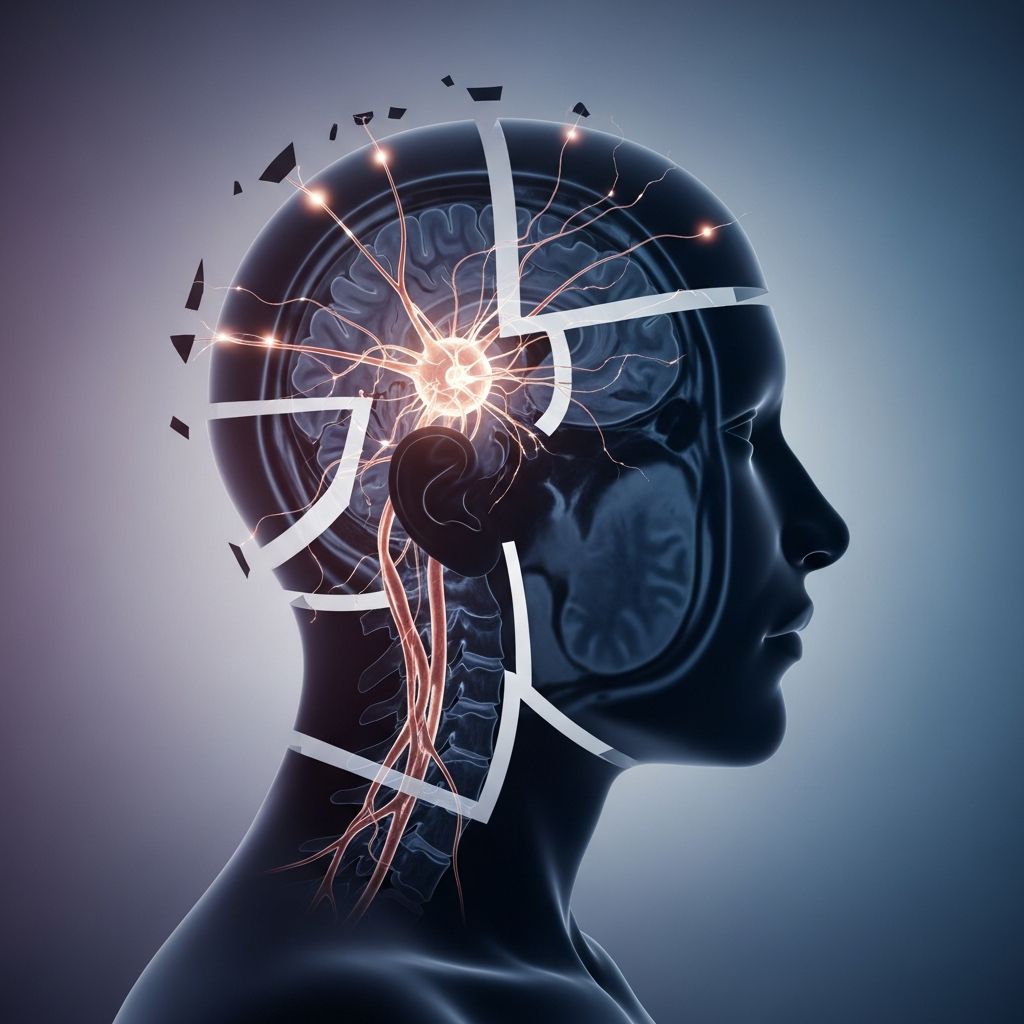
Functional neurological disorder (FND), formerly known as conversion disorder, is a neuropsychiatric condition that occurs when your brain misfires in how it sends, receives, and processes messages. When these signals become disrupted, it can affect your movement, sensation, speech, or other body functions. This creates real, physical symptoms that you cannot control, even though there is no structural damage or disease affecting your nervous system.
The condition is sometimes referred to as functional neurological symptom disorder (FNSD). Unlike the old understanding of this disorder, FND is not simply a mental health condition. Rather, it represents a complex interplay between your brain’s function and neurological processing. Research using functional MRI scans has demonstrated that people with FND show unusual patterns of brain activity in areas linked to their specific symptoms, confirming that the physical symptoms are genuinely rooted in brain function changes.
To others, FND symptoms might appear as though you are faking or seeking attention. This misconception can be extremely frustrating and invalidating, especially because the underlying cause is not visible on standard medical tests. The condition affects both your physical health and emotional well-being, making comprehensive understanding and treatment essential.
Understanding the Nature of FND
A helpful way to understand FND is to think of it like a computer with a software bug. Nothing is physically broken inside the computer, but the software doesn’t work as it should. Similarly, your brain and nervous system are structurally intact, but the communication between different brain regions and nerve pathways becomes disrupted. This disruption causes the physical symptoms you experience.
Historical perspectives on FND have evolved significantly. In the past, healthcare providers viewed functional neurological disorder strictly as a mental health disorder. They believed that people “converted” hidden stress or trauma into physical symptoms, which is how the condition earned its previous name. However, modern research has shown that this conceptualization is not entirely accurate. Not everyone with FND has a history of trauma or significant stress, and brain imaging studies reveal measurable changes in neural activity that cannot be explained by psychological factors alone.
Common Symptoms of Functional Neurological Disorder
Symptoms of FND typically appear suddenly and may significantly interfere with your daily functioning. The range of symptoms is broad and varies from person to person based on which brain pathways are affected.
Motor Symptoms
Motor symptoms involve disruptions in movement and muscle control. These may include:
– Seizure-like attacks that resemble epileptic seizures but are not caused by abnormal brain electrical activity- Muscle weakness or complete paralysis in specific body areas- Tremors, tics, or involuntary muscle spasms and twitches- Difficulty with balance and coordination- Loss of speech (aphonia) or difficulty swallowing- Muscle contractures or convulsions
Sensory Symptoms
Sensory symptoms affect your ability to perceive information from your environment. Common sensory manifestations include:
– Numbness or altered sensation in various body parts- Vision problems that can progress to blindness- Hearing difficulties that may advance to deafness- Dizziness and vertigo- Chronic fatigue- Cognitive difficulties affecting memory and concentration
Related Stories



Other Symptoms
Additional symptoms that people with FND may experience include episodes of unresponsiveness or fainting, coughing, nausea, vomiting, and hiccuping. A notable characteristic is that individuals with FND often display indifference or lack of concern about their symptoms, which differs from how people typically react to serious health conditions.
Importantly, symptoms often worsen when you pay direct attention to them and may improve when you use distraction techniques. This pattern reflects the brain’s role in generating and maintaining the symptoms.
Causes and Risk Factors
The exact mechanisms underlying FND are complex and not completely understood. However, researchers have identified several risk factors that increase the likelihood of developing this condition:
Psychological and Emotional Factors: A history of recent stressful events, emotional trauma, or physical trauma can contribute to FND development. Mental health conditions such as anxiety, depression, or post-traumatic stress disorder may also increase vulnerability.
Developmental History: Childhood abuse or adverse childhood experiences are associated with increased FND risk. These early traumatic experiences may affect how the brain develops and processes stress.
Neurological Factors: A personal or family history of neurological disease may increase the likelihood of developing FND. This suggests a potential genetic or neurobiological predisposition.
Trigger Mechanisms: Certain situations and events can trigger the onset or exacerbation of FND symptoms. Sometimes, instead of resolving, these triggers can cause symptoms to cycle in a continuous loop. This occurs because your brain becomes “stuck” on the triggers, perpetuating the symptom cycle. Experts are still studying exactly how and why this pattern develops.
Diagnosis of Functional Neurological Disorder
Diagnosing FND can be challenging because there are no specific standardized tests that directly confirm the condition. Instead, diagnosis typically involves ruling out other medical conditions that could explain your symptoms through various diagnostic tests.
Diagnostic Tests and Examinations
Your healthcare provider may order one or more of the following tests:
– Electroencephalogram (EEG) to measure electrical activity in your brain- Computerized tomography (CT) scan to visualize brain structures- Magnetic resonance imaging (MRI) to obtain detailed images of brain tissue- Functional MRI (fMRI) to observe brain activity patterns during rest and specific tasks- Blood tests to check for metabolic or systemic disorders- Evoked potentials tests to assess nerve function- Neurological examination of affected body parts
Diagnostic Criteria
After reviewing test results, your provider will use specific diagnostic criteria to establish an official FND diagnosis. These criteria focus on the characteristic pattern of symptoms, the absence of findings on standard neurological exams, and the presence of inconsistencies between your reported symptoms and neurological examination findings.
Distinguishing FND from Other Conditions
FND shares similarities with other psychiatric and neurological disorders, which can complicate diagnosis. However, important distinctions exist:
Factitious Disorder: Unlike people with factitious disorder, individuals with FND are not intentionally faking or exaggerating symptoms to deceive others. People with FND experience genuine neurological symptoms that they cannot control.
Somatic Symptom Disorder: While both conditions involve physical symptoms related to psychological factors, somatic symptom disorder differs in that symptoms are consistent with an identifiable medical diagnosis or follow expected patterns. FND symptoms, by contrast, are inconsistent with recognized neurological patterns.
Treatment Approaches for FND
Treatment for functional neurological disorder is symptom-dependent and multifaceted. The goal is to “retrain” your brain and nervous system so that signals flow normally again.
Initial Steps and Building Trust
Once you receive a diagnosis, your healthcare team will focus on building trust with you. You may have undergone a long diagnostic process, and some people may have suggested your symptoms were “made up.” This stigma can prevent people from seeking care and affects mental well-being. Your care team will reassure you that your symptoms are real and valid, explain the condition in detail, and answer your questions comprehensively.
Psychotherapy and Psychological Treatment
The primary treatment approach involves psychotherapy aimed at addressing psychological distress and bringing unconscious conflicts to your awareness. Cognitive behavioral therapy (CBT) is particularly effective for FND. Therapy focuses on identifying and modifying thought patterns and behaviors that may be contributing to or maintaining symptoms.
Physical and Occupational Therapy
Physical therapy helps retrain your muscles and nervous system to restore normal movement patterns. Occupational therapy assists with daily functioning and helps develop strategies to manage symptoms in everyday life.
Support Systems
Support and reassurance from your therapist, family, and friends are crucial components of effective treatment. A multidisciplinary team approach involving neurologists, psychiatrists, physical therapists, and other specialists often produces the best outcomes.
Recovery and Outlook
The outlook for FND varies among individuals. The good news is that FND is not life-threatening. However, it can significantly affect your mental health and overall quality of life, potentially preventing work and enjoyment of daily activities.
Duration of Symptoms
FND can last for varying lengths of time. When symptoms persist for fewer than six months, it is classified as an acute case. When symptoms continue for more than six months, it is considered a persistent case. Getting diagnosed early and starting treatment immediately can improve your chances of recovery.
For some people, symptoms may last for years or become lifelong, particularly if care is delayed or if there are interruptions to treatment. However, many people experience significant improvement with consistent, appropriate treatment.
Factors Supporting Recovery
Several factors can improve your outlook with FND:
– Early diagnosis and prompt treatment initiation- Consistent engagement in therapy and treatment recommendations- Strong support from family, friends, and healthcare providers- Positive understanding of the condition and reassurance about symptom reality- Addressing underlying mental health conditions or psychological stressors- Regular follow-up care and monitoring
The Recovery Journey
Recovery from FND is not always a straight path. You may experience periods when improvement feels difficult or when symptoms temporarily worsen before they improve. This is normal and does not indicate failure or hopelessness. Many people experience setbacks during their recovery, but continued treatment and support can help you move forward.
When to Seek Help
If you experience sudden onset of neurological symptoms such as unexplained seizures, muscle weakness, sensory loss, or movement difficulties, seek medical evaluation promptly. Early consultation with healthcare providers can facilitate timely diagnosis and treatment initiation, significantly improving your recovery prospects.
Frequently Asked Questions
Q: Is functional neurological disorder a real medical condition?
A: Yes, FND is a real medical condition with measurable changes in brain function. Functional MRI scans demonstrate abnormal brain activity patterns in people with FND, confirming that symptoms have a biological basis, not a psychological imagination.
Q: Does FND mean my symptoms are “all in my head”?
A: While FND originates from brain dysfunction rather than structural damage, the symptoms are completely real and not imagined. Your brain’s misfiring causes genuine physical symptoms that you cannot control voluntarily.
Q: Can FND be cured?
A: Many people experience significant improvement or complete recovery with appropriate treatment. The prognosis depends on symptom duration, early diagnosis, consistent treatment engagement, and access to qualified healthcare providers.
Q: Is medication effective for treating FND?
A: FND is not typically responsive to conventional medications like anti-seizure drugs. Psychotherapy, physical therapy, and occupational therapy form the foundation of treatment. Medications may help manage co-occurring mental health conditions like anxiety or depression.
Q: Can stress trigger FND symptoms?
A: While stress and traumatic events can be contributing factors, not everyone with FND has experienced significant trauma or stress. However, emotional and psychological stressors can trigger symptom onset or exacerbation in susceptible individuals.
Q: How does FND differ from epilepsy?
A: FND seizures, called psychogenic non-epileptic seizures (PNES), resemble epileptic seizures in appearance but differ fundamentally. EEG testing during an FND seizure shows normal brain electrical activity, whereas epileptic seizures show abnormal electrical patterns. Additionally, FND seizures are not responsive to anti-seizure medications.
Q: Can I work with FND?
A: Many people with FND continue working or return to work with appropriate treatment and accommodations. The ability to work depends on symptom severity, type, and your response to treatment. Discussing workplace accommodations with your healthcare provider and employer can help facilitate successful employment.
References
- Functional Neurological Disorder (Conversion Disorder) — Cleveland Clinic. 2025-09-22. https://my.clevelandclinic.org/health/diseases/17975-conversion-disorder
- Functional Neurologic Disorder — Mayo Clinic. 2024. https://www.mayoclinic.org/diseases-conditions/conversion-disorder/symptoms-causes/syc-20355197
- Conversion Disorder: Causes, Symptoms, & Treatment — Britannica. https://www.britannica.com/science/conversion-disorder
- Psychogenic Nonepileptic Seizure: An Empathetic, Practical Approach to Diagnosis — Cleveland Clinic Consult QD. https://consultqd.clevelandclinic.org/psychogenic-nonepileptic-seizure-an-empathetic-practical-approach-to-diagnosis
- Current Concepts in Diagnosis and Treatment of Functional Neurological Disorder — National Institutes of Health. https://pmc.ncbi.nlm.nih.gov/articles/PMC7293766/
- Conversion Disorder — Defeating Epilepsy Foundation. https://www.defeatingepilepsy.org/living-with-epilepsy-series/conversion-disorder/
- DSM-5: What It Is & What It Diagnoses — Cleveland Clinic. https://my.clevelandclinic.org/health/articles/24291-diagnostic-and-statistical-manual-dsm-5
Similar Articles








Read full bio of medha deb