Fungal Ear Infection (Otomycosis): Symptoms & Treatment
Understand fungal ear infections: causes, symptoms, treatment options, and prevention strategies for otomycosis.
Understanding Fungal Ear Infections (Otomycosis)
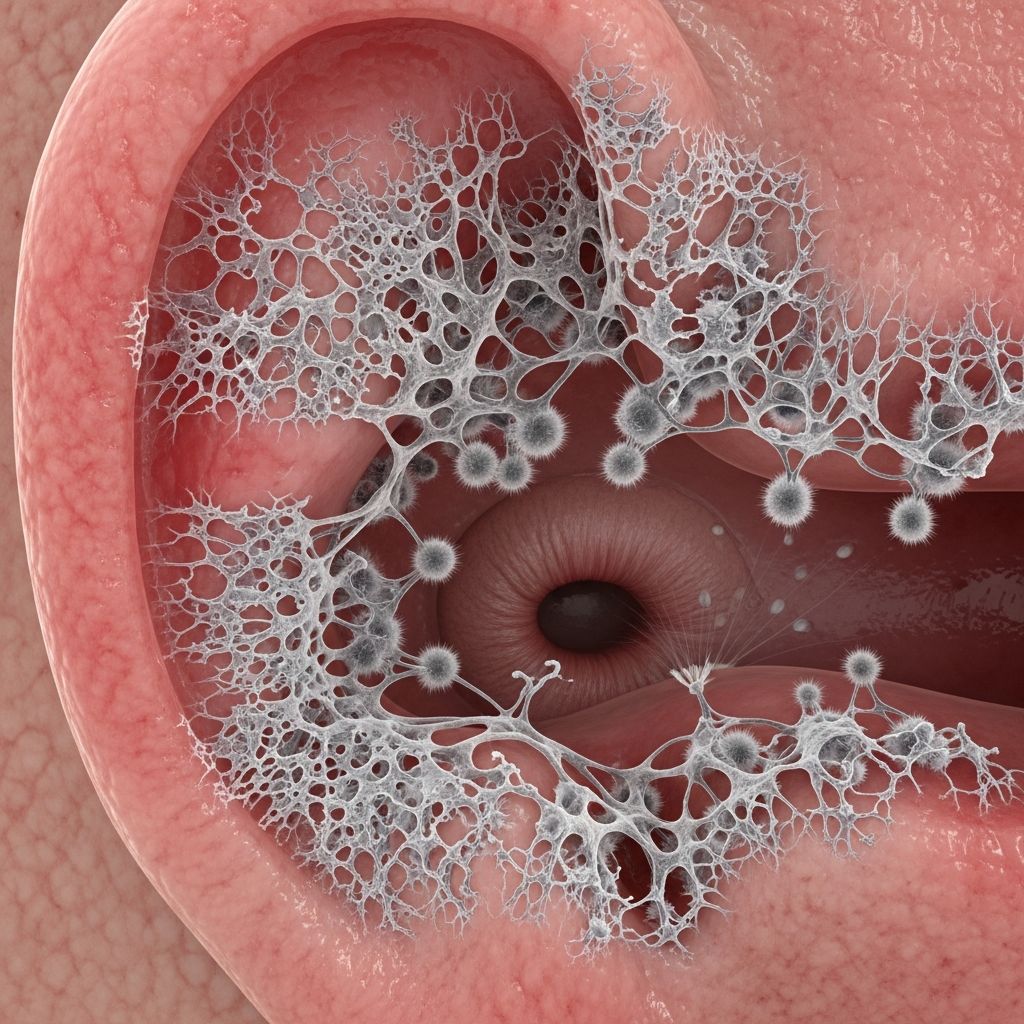
A fungal ear infection, medically known as otomycosis, is a fungal infection that develops in your ear canal. Unlike the more commonly discussed middle ear infections caused by fluid buildup behind the eardrum, otomycosis affects the outer ear canal and can cause significant discomfort if left untreated. This condition can affect one or both ears simultaneously and typically requires professional medical evaluation and treatment to resolve completely.
Fungal ear infections are not contagious from person to person, which means you can safely return to work, school, and other daily activities as soon as you feel well enough to do so. However, it’s crucial to seek prompt medical attention if you suspect you have this condition, as untreated fungal infections can potentially spread to other parts of your body, particularly in individuals with compromised immune systems.
Causes of Fungal Ear Infections
Various types of fungi can cause ear infections, but two species are predominantly responsible for the majority of cases. Aspergillus is by far the most common culprit, causing approximately 90% of all fungal ear infections, while Candida accounts for the remaining cases. Understanding the risk factors that make certain individuals more susceptible to developing these infections can help with prevention efforts.
Several environmental and lifestyle factors increase your risk of developing otomycosis. People who live in warm, tropical climates are more prone to fungal ear infections due to the favorable growing conditions for fungi in humid environments. Additionally, individuals who frequently engage in water sports or water-related activities face a higher risk, as moisture in the ear canal creates an ideal environment for fungal growth. Other risk factors include frequent use of cotton swabs in the ear canal, which can damage the protective skin barrier and introduce fungi, as well as having a weakened immune system or chronic skin conditions that compromise your body’s natural defenses.
Recognizing the Symptoms
Fungal ear infections produce a range of symptoms that can vary in severity from person to person. Recognizing these signs early is important for seeking timely treatment. Common symptoms include:
- Earache or ear pain – This can range from mild to severe discomfort
- Intense itching – Often described as one of the most bothersome symptoms
- Discoloration of the outer ear or ear canal – May appear as dark, crusty, or discolored areas
- Flaky skin around the ear canal – Similar to dermatitis or eczema
- Ringing in the ears (tinnitus) – A persistent buzzing or ringing sensation
- Ear discharge – May be clear, yellowish, or contain debris
- Feeling of fullness or pressure in the ear – A sensation of blockage or congestion
- Temporary hearing loss – Reduced hearing ability in the affected ear
If you experience any combination of these symptoms, particularly if they persist for more than a few days, it’s essential to contact a healthcare provider for evaluation. Prompt diagnosis and treatment can prevent the condition from worsening and reduce your risk of complications.
Diagnosis of Fungal Ear Infections
When you visit a healthcare provider with suspected otomycosis, they will perform a thorough examination to confirm the diagnosis. The diagnostic process typically begins with a physical examination of your ear using an otoscope, which is a handheld magnifying device that allows the provider to visualize the inside of your ear canal and eardrum. During this examination, your healthcare provider will look for characteristic signs of fungal infection, such as fungal debris, discoloration, or swelling.
Related Stories



Your provider will also ask detailed questions about your symptoms, medical history, and any recent activities that might have exposed your ear to moisture or fungi. To definitively confirm a fungal infection and identify the specific type of fungus responsible, your provider may take a sample of any fluid or discharge present in your ear. This sample is sent to a laboratory where it’s examined under a microscope or cultured to identify the causative organism. This diagnostic confirmation is important because it helps ensure you receive the most appropriate and effective treatment for your specific infection.
Treatment Options for Fungal Ear Infections
Once a fungal ear infection is confirmed, your healthcare provider will work with you to determine the most appropriate treatment plan. Several effective treatment options are available, and the choice depends on the severity of your infection, the specific fungus involved, and your individual health circumstances.
Professional Ear Cleaning
One of the first steps in treating a fungal ear infection is thorough professional cleaning. Healthcare providers use special rinses and instruments to carefully remove fungal debris, discharge, and buildup from your ear canal. This cleaning helps eliminate the infection source and allows topical medications to work more effectively. It’s crucial to avoid attempting to clean inside your ear canal at home, as this can cause further damage to the delicate skin lining and potentially worsen the infection. Cotton swabs should only be used on the external part of your ear, never inserted into the ear canal.
Oral Antifungal Medications
Many fungal ear infections require oral antifungal medications to fully resolve. Medications such as itraconazole are commonly prescribed and work by attacking the fungus from within your system. Your healthcare provider may also recommend over-the-counter pain relievers to manage any discomfort while the antifungal medication takes effect. It’s essential to take these medications exactly as prescribed and to complete the full course of treatment, even if your symptoms improve before the medication is finished. Stopping treatment prematurely can result in the infection returning and potentially becoming more resistant to treatment.
Antifungal Ear Drops
Antifungal ear drops are a primary treatment option for otomycosis and work directly where the infection is located. Common antifungal ear drops include fluconazole and clotrimazole, both of which have proven effectiveness against various fungal species. Your provider may also recommend ear drops containing aluminum acetate or acetic acid, which help reduce inflammation in the ear canal and create an environment less favorable for fungal growth. When using ear drops, it’s important to follow your provider’s instructions precisely regarding frequency and duration of use.
Topical Creams and Ointments
If the fungal infection primarily affects the outer part of your ear rather than deep in the canal, your provider may recommend topical antifungal creams or ointments. Options include clotrimazole, ketoconazole, and econazole. These medications are applied directly to the external ear surface and are particularly useful when the infection involves the skin of the outer ear. Like all prescribed treatments, these should be applied exactly as directed for optimal results.
Home Remedies and Supportive Care
While professional medical treatment is necessary for fungal ear infections, certain home remedies may help ease symptoms and support recovery. Diluted hydrogen peroxide can help remove discharge and buildup from your ears, though you should always consult with your healthcare provider before attempting any home treatments. Carbamide peroxide ear drops or a 1:1 mixture of rubbing alcohol and white vinegar may also provide symptom relief. However, these should only be used under professional guidance to ensure they don’t interfere with prescribed treatments or cause additional irritation.
Duration and Recovery
Most fungal ear infections last approximately three weeks with appropriate treatment. However, the exact duration can vary depending on factors such as the severity of the infection, the specific fungus involved, and your individual immune response. It’s important to continue using prescribed antifungal medications or ear drops for the entire duration recommended by your healthcare provider, even if symptoms resolve sooner. Premature discontinuation of treatment is a common reason for infection recurrence.
With prompt and appropriate treatment, fungal ear infections typically do not cause long-term complications. Most people respond well to antifungal therapy and experience complete resolution of symptoms. However, individuals with weakened immune systems may experience lingering infections or higher rates of recurrence, requiring extended or repeated treatment courses.
Prevention Strategies
While it’s not always possible to completely prevent fungal ear infections, there are several practical steps you can take to significantly reduce your risk of developing otomycosis:
- Wear protective earplugs when swimming or engaging in water sports – This creates a barrier against moisture and potential fungi in water
- Keep your ears dry after bathing or showering – Gently dry the outer ear with a soft towel and allow air circulation
- Avoid inserting cotton swabs into your ear canal – Cotton swabs can damage the protective skin lining and introduce bacteria or fungi
- Resist the urge to scratch your ears – Scratching can create tiny openings that allow fungi to enter
- Avoid prolonged moisture exposure – Be cautious with activities that expose your ears to water for extended periods
- Maintain overall ear hygiene – Clean only the external part of your ear with a washcloth on your finger
When to Seek Medical Attention
You should contact a healthcare provider if you experience pain, itchiness, discharge, or other symptoms suggestive of an ear infection. Additionally, if you’re already undergoing treatment for a fungal ear infection and develop severe pain, dizziness, or fever, it’s important to reach out to your provider immediately, as these could indicate complications requiring adjusted treatment. Early intervention is particularly important because treating the issue promptly helps reduce the risk of infection spreading to other parts of your body.
Why Professional Treatment is Essential
Although fungal ear infections may seem like they could resolve on their own, the reality is that most fungal ear infections do not go away without professional treatment. Self-treatment attempts often fail or result in incomplete resolution, leading to chronic symptoms and potential complications. A healthcare provider can accurately diagnose the specific type of fungal infection through examination and laboratory testing, ensuring you receive targeted, effective treatment. They can also monitor your progress and adjust your treatment plan if necessary, and provide guidance on protecting your ears during the recovery process, such as avoiding water sports and maintaining proper ear hygiene.
Important Considerations During Treatment
While undergoing treatment for a fungal ear infection, it’s best to avoid water sports and activities that expose your ear to water, as reintroduction of moisture can cause the infection to return or worsen. Additionally, avoid sharing ear products, towels, or washcloths with others to prevent potential transmission of the fungal infection, even though the infection itself is not contagious from person to person. Keep your infected ear as clean and dry as possible, being careful not to get water in your ear when bathing or showering.
Frequently Asked Questions About Fungal Ear Infections
Q: Is a fungal ear infection contagious?
A: No, fungal ear infections are not contagious from person to person. However, you should avoid sharing ear products and personal items to maintain hygiene and prevent other types of infections.
Q: Can I treat a fungal ear infection at home?
A: While certain home remedies may help ease symptoms, a fungal ear infection requires professional medical treatment for effective resolution. Home remedies should only be used under guidance from a healthcare provider.
Q: How long does it take to recover from a fungal ear infection?
A: Most fungal ear infections last about three weeks with appropriate treatment, though recovery time varies depending on infection severity and individual factors.
Q: Why does my fungal ear infection keep coming back?
A: Recurrent infections may result from incomplete treatment, continued exposure to moisture, weakened immune system, or chronic skin conditions. Discuss prevention strategies with your healthcare provider.
Q: Can I go swimming while treating a fungal ear infection?
A: It’s best to avoid swimming and water sports during treatment to prevent moisture from interfering with healing and potentially causing the infection to recur or worsen.
References
- Fungal Ear Infection (Otomycosis): Symptoms & Treatment — Cleveland Clinic. 2024. https://my.clevelandclinic.org/health/diseases/25009-fungal-ear-infection
- Ear Drops: Types & Uses — Cleveland Clinic. 2024. https://my.clevelandclinic.org/health/treatments/24654-ear-drops
- 5 Ways To Take Care of Your Ears — Cleveland Clinic Health. 2024. https://health.clevelandclinic.org/ear-care-and-hygiene
- Hydrocortisone; Acetic Acid Ear Solution — Cleveland Clinic. 2024. https://my.clevelandclinic.org/health/drugs/18986-hydrocortisone-acetic-acid-ear-solution
- Can You Get a Fungal Ear Infection? — Palmetto ENT & Allergy. 2024. https://palmettoentallergy.com/can-you-get-a-fungal-ear-infection/
Similar Articles








Read full bio of Sneha Tete