Fungal Foot Infections: Complete Health Guide
Understanding tinea pedis: causes, symptoms, treatment and prevention strategies
Fungal foot infections represent one of the most common dermatological conditions affecting people worldwide. This contagious skin condition develops when dermatophytes—specialized fungi that thrive in warm, moist environments—establish themselves on the skin of the feet. Despite being easily preventable and treatable, many individuals suffer unnecessarily due to lack of awareness about transmission, identification, and management strategies.
Recognizing the Classic Presentation of Fungal Foot Infections
The manifestation of fungal foot infections varies significantly among individuals, ranging from mild discomfort to severe debilitation. Understanding the diverse presentation patterns helps with early identification and prompt intervention.
Primary Symptom Clusters
- Discomfort and sensation changes: Patients frequently report intense itching sensations, particularly in interdigital spaces (between toes), that often intensifies after removing footwear. The warmth and moisture released when shoes are removed creates ideal conditions for fungal activity, explaining the delayed symptom onset. Beyond itching, individuals may experience burning sensations ranging from mild irritation to significant pain, especially after prolonged periods in enclosed shoes or following physical activity.
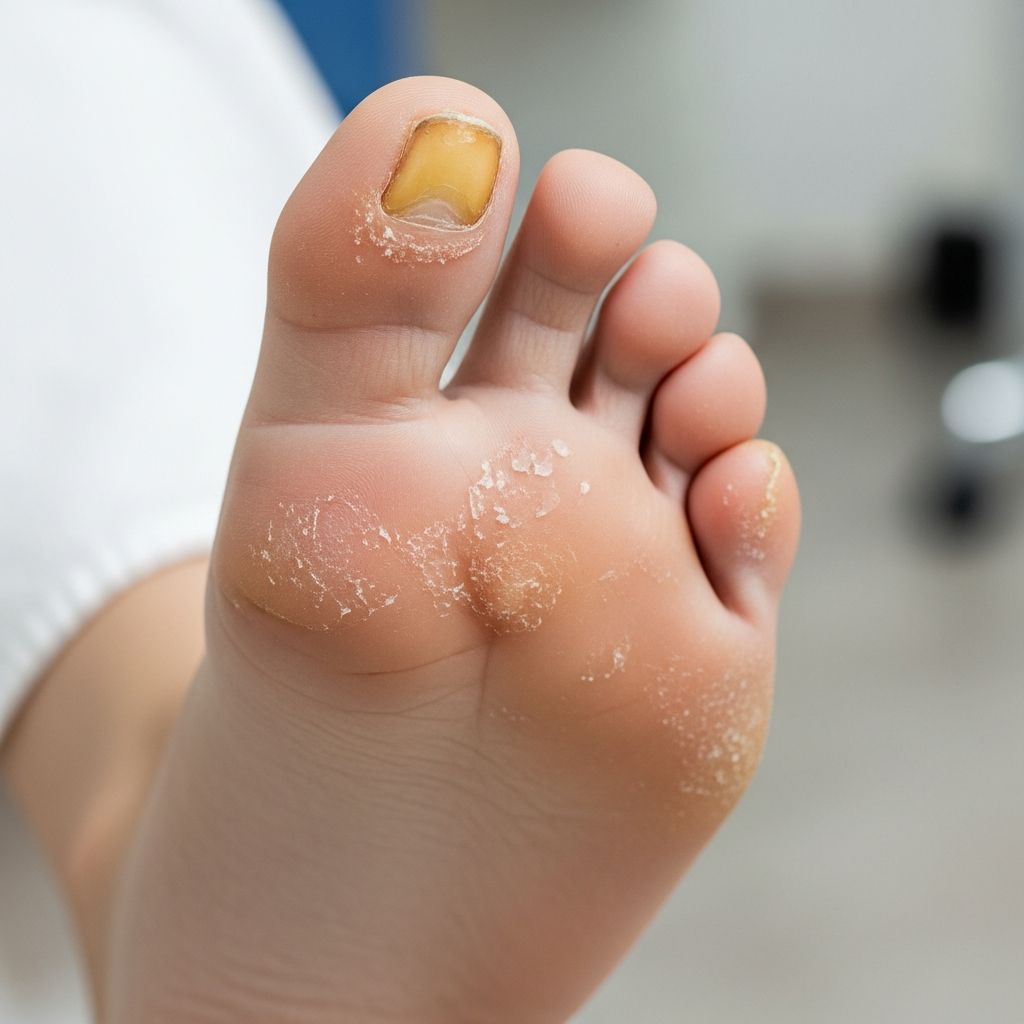
- Skin appearance modifications: The affected skin typically develops visible changes including scaling, peeling, and color alterations. Redness and inflammation are common indicators, though the intensity varies based on skin tone and individual immune response. The epidermis may appear dry and flaky, creating a textured, rough surface that contrasts with surrounding healthy skin.
- Structural skin damage: As infections progress, the skin barrier weakens considerably. Cracks and fissures develop, particularly in high-friction areas between toes and on weight-bearing surfaces. These openings create vulnerability to secondary bacterial infections, which can complicate the overall clinical picture.
- Fluid accumulation and erosions: In more severe presentations, fluid-filled blisters may emerge on soles or interdigital areas. When these blisters rupture, they leave raw, painful erosions that significantly impact mobility and comfort. Open sores represent an advanced infection stage requiring more aggressive therapeutic approaches.
Secondary Manifestations
Beyond initial foot involvement, fungal infections can extend to other anatomical areas. The toenails frequently become compromised, displaying thickening, discoloration, and brittleness as fungi penetrate the nail structure. Some patients report unpleasant foot odor resulting from skin breakdown and secondary bacterial colonization of the moist environment. This combination of factors can substantially impact quality of life and self-confidence, particularly during social situations involving barefoot exposure.
Understanding the Underlying Mechanisms: How Infections Develop
Fungal foot infections don’t develop randomly; rather, they result from specific environmental and biological conditions that favor fungal proliferation.
The Fungi Responsible for Infection
Dermatophytes constitute the primary causative agents of foot infections. These specialized fungi evolved specifically to colonize keratinized tissues including skin, hair, and nails. Unlike many microorganisms that require living cells for reproduction, dermatophytes thrive on dead keratin, allowing them to establish persistent infections on the outermost skin layers without necessarily damaging living tissue beneath.
Environmental Factors Facilitating Infection
Understanding transmission environments is crucial for prevention. The fungi thrive in specific microecological niches:
- Warm, humid settings created by enclosed footwear maintain optimal fungal growth temperatures
- Public bathing areas including showers, communal changing facilities, and pool decks provide direct contact with contaminated surfaces where fungi can survive for extended periods
- Sweaty socks and shoes create occlusive environments that elevate temperature and humidity to fungal-preferred levels
- Wet towels and shared personal items transmit fungi between individuals, particularly in household and athletic settings
Individual Risk Factors
Certain characteristics increase susceptibility to infection. Minor skin injuries from nail trimming, athlete activities, or dermatological conditions compromise the protective barrier. Individuals with compromised immune function experience higher infection rates and more severe presentations. Genetic predisposition to excessive sweating (hyperhidrosis) creates persistently moist conditions ideal for fungal establishment. Advanced age, diabetes, and circulatory compromise further increase vulnerability to both infection acquisition and persistence.
Clinical Variants: Different Presentation Patterns
Fungal foot infections manifest in distinct patterns depending on affected anatomical regions and infection severity.
Interdigital Pattern
The most common variant affects the spaces between toes, particularly the fourth interspace (between the fourth and fifth toes). This location combines warmth, moisture retention, and friction, creating optimal conditions for fungal growth. Patients typically report intense itching and visible maceration (white, soggy appearance) of skin in these areas.
Related Stories



Moccasin Distribution
This pattern involves the plantar surface, heel, and lateral foot edges, creating a moccasin-shaped involvement area. Affected skin appears dry, scaly, and hyperkeratotic rather than the maceration seen in interdigital disease. This variant often persists longer and responds more slowly to treatment due to the thicker skin layers involved.
Vesicular and Erosive Forms
When fungal infections trigger intense inflammatory responses, fluid-filled blisters develop, typically on the plantar surface and arch. These represent acute, inflammatory presentations that can be particularly painful and functionally limiting, sometimes mistaken for bacterial infections or other dermatological conditions.
Treatment Approaches: Restoring Foot Health
Multiple therapeutic modalities exist for managing fungal infections, with selection depending on infection severity, affected areas, and individual patient factors.
Topical Antifungal Therapy
For localized, uncomplicated infections limited to the skin surface, topical antifungal agents represent first-line treatment. These medications work by disrupting fungal cell wall integrity or interfering with essential metabolic processes. Common agents include azoles, allylamines, and benzylamine derivatives, each with varying activity spectra against different fungal species. Consistent application for the prescribed duration—typically 2-4 weeks—is essential for complete eradication, as premature discontinuation allows fungal regrowth.
Systemic Antifungal Medications
When infections involve toenails, extend to multiple foot regions, or fail topical therapy, systemic agents become necessary. Oral antifungals penetrate nail structures and achieve therapeutic levels throughout affected tissues. These medications require careful monitoring due to potential drug interactions and occasional hepatotoxicity, necessitating periodic liver function assessment during extended courses.
Combination and Adjunctive Strategies
Advanced cases may benefit from combining topical and systemic approaches, enhancing efficacy and reducing treatment duration. Concurrent management of predisposing conditions—controlling diabetes, addressing circulatory issues, treating excessive sweating—significantly improves outcomes and reduces recurrence risk.
Prevention: Protective Strategies for Long-Term Foot Health
Given the high recurrence rates associated with fungal infections, prevention strategies deserve equal emphasis to treatment approaches.
Environmental Exposure Reduction
- Wear protective footwear in communal bathing areas, locker rooms, and around swimming pools where fungal exposure is highest
- Avoid walking barefoot on potentially contaminated surfaces, particularly in fitness facilities and public bathing venues
- Maintain proper footwear hygiene by regularly disinfecting shoes and alternating pairs to allow complete drying between uses
- Choose breathable, moisture-wicking footwear materials that minimize the warm, moist microenvironment fungi require
Personal Hygiene Practices
Daily foot hygiene significantly reduces infection risk. Thoroughly drying feet after bathing, particularly between toes where moisture accumulates, eliminates the moist conditions fungi require. Managing nail health through proper trimming techniques prevents micro-injuries that compromise skin integrity. Regular foot inspection identifies early signs of infection before extensive spread occurs, enabling prompt intervention.
Contamination Prevention in Shared Environments
In households with infected individuals, maintaining separate towels, nail care implements, and footwear prevents transmission to family members. Similarly, athletes and fitness enthusiasts should launder towels and change socks immediately after activity, avoiding prolonged exposure to moisture-saturated clothing.
When to Seek Professional Medical Evaluation
Certain clinical circumstances warrant professional medical assessment rather than self-management attempts.
- Infections involving toenails, which typically cannot be adequately treated with topical agents alone
- Extensive involvement affecting multiple foot regions or spreading to other body areas
- Failure to respond to appropriate topical treatment after 4 weeks of consistent application
- Immunocompromised individuals, including those with diabetes or HIV infection, who face higher complication risks
- Signs of secondary bacterial infection manifested by increased redness, swelling, warmth, or purulent drainage
- Severe pain or mobility impairment interfering with daily activities or work responsibilities
Frequently Asked Questions About Fungal Foot Infections
Can fungal foot infections spread to other body areas?
Yes, fungi can spread beyond the feet if contaminated areas contact other skin regions. Transmission to hands through scratching or touching is possible, and nail infections can develop if fungi reach toenail structures. This emphasizes the importance of avoiding scratching and maintaining proper hygiene to contain infections to initial sites.
How long do fungal infections typically persist without treatment?
Untreated infections can persist indefinitely, as dermatophytes establish chronic colonization of keratinized tissues. Many individuals experience fluctuating symptoms throughout years, with periods of relative quiescence alternating with exacerbations triggered by environmental conditions or immune compromise.
Can someone reinfect themselves after successful treatment?
Reinfection is possible if environmental precautions aren’t maintained. Fungi surviving in shoes, socks, or towels can re-establish infection if exposure occurs. This explains why some individuals experience recurrent infections despite successful initial treatment—addressing both active infection and environmental contamination is essential.
Are prescription antifungals always necessary?
Not necessarily. Uncomplicated, localized skin infections often respond adequately to over-the-counter topical antifungals when consistently applied. However, nail involvement, extensive disease, immunocompromise, or treatment failures typically require prescription-strength medications for adequate efficacy.
What distinguishes fungal infections from other foot conditions?
While various conditions can affect feet, fungal infections typically present with itching, scaling, redness concentrated in specific patterns (particularly between toes), and gradual progression if untreated. Skin testing by healthcare providers can definitively confirm fungal infection versus conditions like eczema or psoriasis.
Living With Infection: Practical Management Considerations
Beyond medical treatment, successful infection management requires lifestyle adjustments and environmental modifications. Choosing appropriate footwear that balances protection with breathability remains essential, particularly during active treatment. Some individuals benefit from specialty antifungal powders or spray products that reduce moisture and fungal growth. Understanding that complete eradication may require extended treatment periods—weeks to months—helps maintain adherence when rapid resolution doesn’t occur.
The psychological impact of fungal infections, though often underestimated, deserves recognition. Social embarrassment about visible skin changes or foot odor can lead to activity avoidance and mood disturbance. Recognizing that fungal infections represent treatable conditions rather than indicators of poor hygiene helps individuals maintain perspective and engage actively in treatment plans.
Emerging Understanding and Research Directions
Ongoing research continues refining our understanding of fungal infection pathogenesis and treatment optimization. Emerging evidence suggests that specific fungal species demonstrate varying antifungal susceptibility patterns, potentially supporting diagnostic testing to guide agent selection in resistant infections. Novel delivery systems for antifungal medications may improve efficacy while reducing treatment duration and systemic exposure concerns.
Understanding fungal foot infections as preventable, treatable conditions empowers individuals to take proactive steps protecting their foot health. Through recognition of transmission risks, identification of early symptoms, and prompt intervention, most individuals can successfully resolve these infections and maintain healthy, comfortable feet for years to come.
References
- Athlete’s Foot — Symptoms and Causes — Mayo Clinic. 2024. https://www.mayoclinic.org/diseases-conditions/athletes-foot/symptoms-causes/syc-20353841
- Athlete’s Foot — National Health Service (NHS). 2024. https://www.nhs.uk/conditions/athletes-foot/
- What Is Athlete’s Foot & How Do You Treat It? — Cleveland Clinic. 2024. https://my.clevelandclinic.org/health/diseases/22139-athletes-foot-tinea-pedis
- Athlete’s Foot | Tinea Pedis — MedlinePlus. U.S. National Library of Medicine. 2024. https://medlineplus.gov/athletesfoot.html
Similar Articles








Read full bio of medha deb