Fungal Keratitis: Diagnosis, Treatment, Prevention Guide
Discover the causes, symptoms, diagnosis, and treatments for fungal keratitis, a serious corneal infection threatening vision.
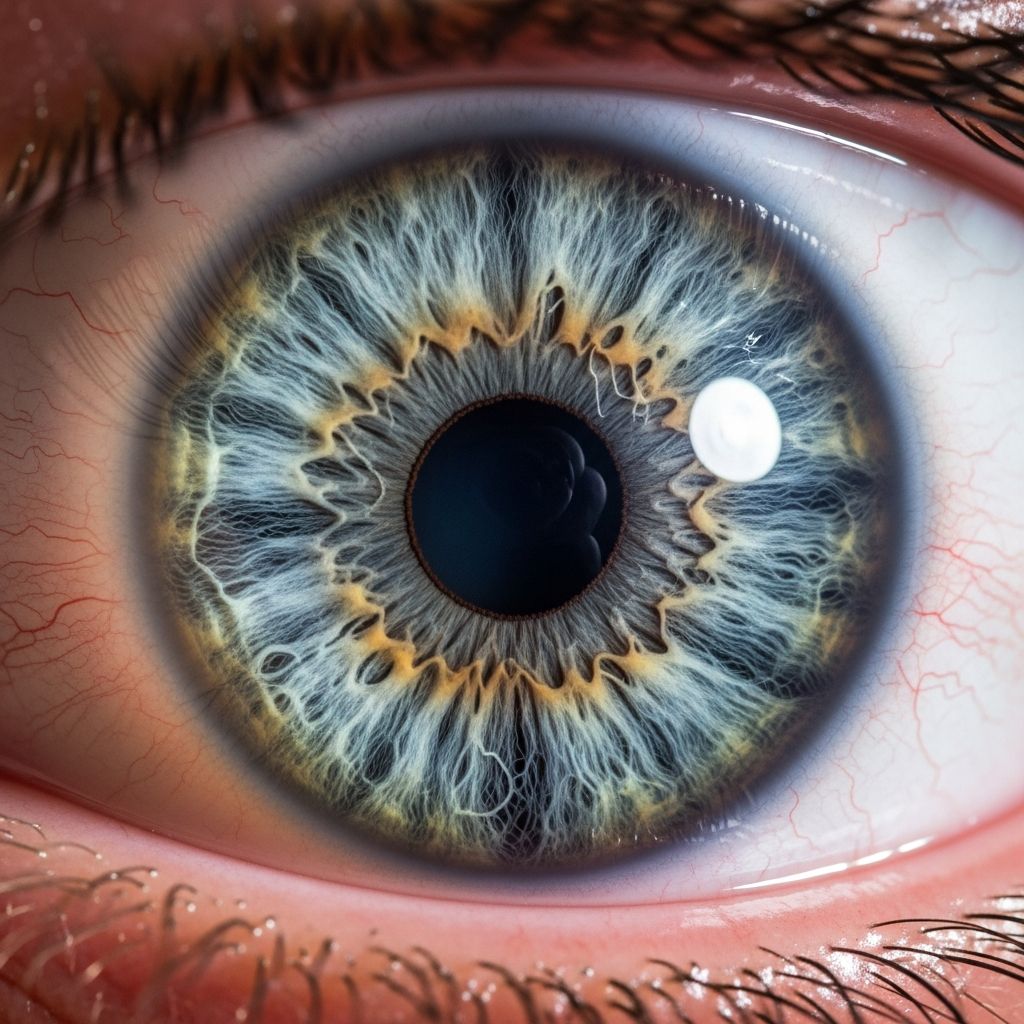
Fungal keratitis represents a significant ocular emergency where fungi infiltrate the cornea, the eye’s clear front surface, potentially leading to severe vision impairment if not addressed promptly. This condition ranks as the second most prevalent form of infectious keratitis, trailing only bacterial types, and demands swift medical intervention.
Understanding the Nature of Fungal Keratitis
The cornea serves as a protective barrier for the eye, maintaining clarity for optimal vision. When fungi breach this layer, they trigger inflammation, ulceration, and tissue destruction. Unlike bacterial infections that respond quickly to antibiotics, fungal invasions progress slowly over weeks, heightening risks of scarring, perforation, and the need for surgical replacement of the affected tissue.
Globally, fungal keratitis predominates in tropical and subtropical regions due to favorable fungal growth conditions. In the United States, it accounts for 5% to 20% of corneal infections, often linked to environmental exposures or improper lens hygiene.
Primary Culprits: Fungi Behind the Infection
Several fungal species drive this condition, categorized into filamentous and yeast forms. Filamentous fungi like Fusarium and Aspergillus thrive in soil, plant matter, and decaying vegetation, gaining entry through injuries. Candida, a yeast, resides on skin and mucous membranes, posing risks especially to immunocompromised individuals.
- Fusarium species: Common in organic debris, notorious for contact lens-related outbreaks.
- Aspergillus species: Soil and plant-associated, frequent in trauma cases.
- Candida species: Opportunistic in those with weakened immunity or prolonged steroid use.
Risk Factors That Heighten Vulnerability
Not everyone exposed to fungi develops keratitis; specific vulnerabilities amplify susceptibility. Eye trauma from vegetative material, such as branches or soil, introduces spores directly into the cornea.
| Risk Factor | Description | Prevalence Insight |
|---|---|---|
| Contact Lens Use | Improper cleaning or overnight wear fosters fungal growth on lenses. | Common in developed nations. |
| Trauma with Plant Matter | Scratches from thorns, twigs, or dirt carry fungi inward. | Leading cause in agricultural areas. |
| Immunosuppression | HIV, diabetes, or steroids impair defenses. | Increases Candida cases. |
| Warm, Humid Climates | Tropical environments boost fungal proliferation. | Higher incidence in rural tropics. |
| Chronic Steroid Use | Topical steroids suppress immunity, aiding fungal spread. | Exacerbates poor healing. |
Recognizing the Warning Signs
Symptoms emerge gradually, often mimicking other keratitis types, delaying diagnosis. Initial discomfort from minor trauma escalates to intense pain disproportionate to visible damage, reflecting deep corneal involvement.
- Eye pain and foreign body sensation.
- Redness, tearing, and light sensitivity (photophobia).
- Blurred or decreased vision.
- White, gray, or yellow corneal patches with feathery edges.
- Satellite lesions or hypopyon (pus in anterior chamber).
Clinically, slit-lamp exams reveal elevated, fluffy infiltrates, stromal edema, and circumcorneal injection. These feathery, irregular ulcers distinguish fungal from bacterial ones, which have sharper margins.
Diagnostic Approaches for Accurate Identification
Timely diagnosis hinges on clinical suspicion plus lab confirmation. History of trauma or lens use prompts fungal consideration. Corneal scrapings for microscopy (KOH prep showing hyphae) and culture remain gold standards, though yields vary (50-70%).
Related Stories



Advanced tools like confocal microscopy visualize hyphae non-invasively, while PCR offers rapid species identification. In resource-limited settings, clinical features guide presumptive therapy.
Treatment Strategies: From Drops to Surgery
Antifungal therapy forms the cornerstone, starting topically post-diagnosis confirmation. Treatment spans 4-6 weeks or longer, monitoring for ulcer resolution, infiltrate reduction, and hypopyon clearance.
Topical Antifungals: Frontline Defense
Natamycin 5% suspension, the sole FDA-approved agent, targets filamentous fungi effectively. Administer hourly initially, tapering to every 2 hours upon improvement, continuing 2 weeks post-resolution.
Compounded options include voriconazole (broad-spectrum, penetrates well) and amphotericin B (potent against yeasts). Voriconazole suits both types; amphotericin favors non-filamentous.
Systemic and Advanced Delivery Methods
For limbal involvement, deep ulcers, or endophthalmitis, oral antifungals like voriconazole or fluconazole (6-8 weeks) provide support.
Intrastromal injections (e.g., voriconazole 50 μg/0.1 mL) maintain corneal drug levels, hastening healing in resistant cases. Intracameral routes address severe posterior penetration.
Surgical Interventions
Non-responders require therapeutic keratoplasty (corneal transplant), boasting high success rates. Earlier options like conjunctival flaps or lamellar keratoplasty preserve tissue.
Emerging adjuncts, such as corneal collagen cross-linking (CXL), enhance antifungal efficacy by stiffening stroma and generating reactive oxygen species.
Prevention: Safeguarding Your Eyes
Proactive measures slash infection risks significantly. Key steps include:
- Wear protective eyewear during gardening or outdoor work.
- Follow strict contact lens hygiene: clean with fresh solution, avoid tap water, replace cases monthly.
- Discard lenses after trauma; seek prompt care for injuries.
- Avoid steroid drops without antifungal coverage in at-risk patients.
Prognosis and Potential Complications
With early intervention, most cases heal without sequelae, though scarring may impair vision. Delays elevate perforation, graft needs, and blindness risks. Filamentous fungi predict poorer outcomes than yeasts.
Poor prognosticators: large ulcers (>3mm), deep stromal involvement, elderly patients, or prior steroids.
Frequently Asked Questions (FAQs)
What should I do if I suspect fungal keratitis?
Seek immediate ophthalmologist evaluation. Delaying treatment worsens outcomes.
How long does recovery take?
Typically 4-6 weeks with antifungals; surgery extends timelines.
Can contact lenses cause this?
Yes, poor hygiene is a major risk; always use approved solutions.
Is fungal keratitis contagious?
No, it spreads via environmental fungi, not person-to-person.
Are there home remedies?
No; self-treatment risks blindness. Professional care is essential.
References
- Fungal Keratitis: Diagnosis, Management, and Recent Advances — PMC/NCBI. 2023. https://pmc.ncbi.nlm.nih.gov/articles/PMC10788054/
- What Is Fungal Keratitis? Causes, Symptoms & Treatment Options — All About Vision. 2023. https://www.allaboutvision.com/conditions/keratitis/fungal-keratitis/
- Taking a closer look at fungal keratitis — EyeWorld. 2022-10-01. https://www.eyeworld.org/2022/taking-a-closer-look-at-fungal-keratitis/
- Fungal Keratitis — EyeWiki (AAO). 2024. https://eyewiki.org/Fungal_Keratitis
- What Causes Fungal Keratitis — CDC. 2023. https://www.cdc.gov/contact-lenses/causes/what-causes-contact-lens-related-fungal-keratitis.html
- Keratitis: Types, Symptoms & Treatment — Cleveland Clinic. 2023-08-28. https://my.clevelandclinic.org/health/diseases/24500-keratitis
Similar Articles








Read full bio of medha deb