Fungal Nail Infections: Diagnosis, Treatment, Prevention
Discover causes, symptoms, effective treatments, and prevention strategies for fungal nail infections to restore healthy nails.
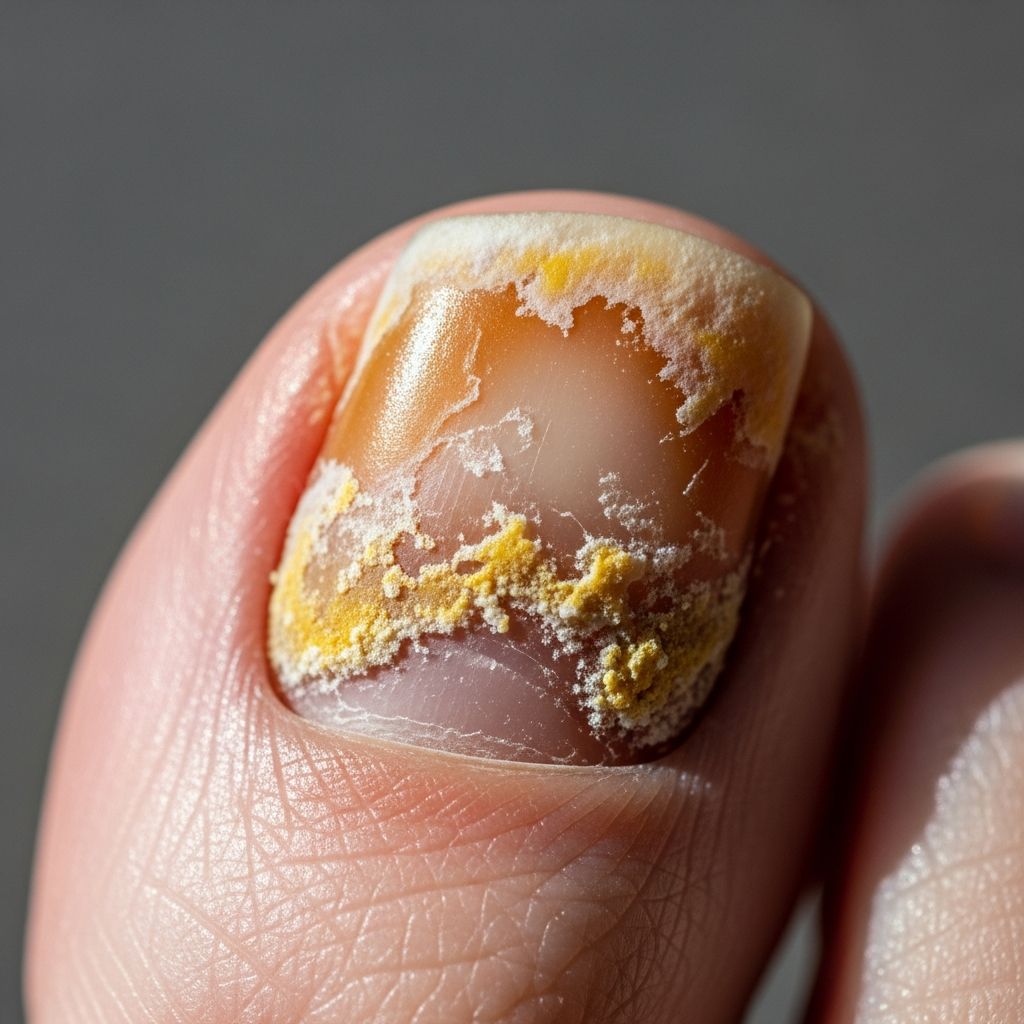
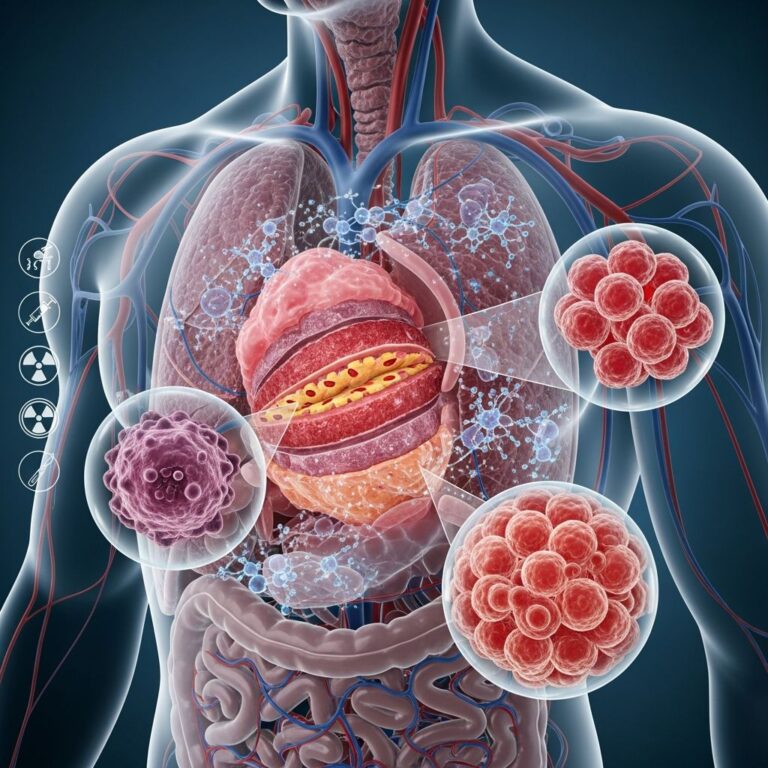
Fungal nail infections, medically termed onychomycosis, affect millions worldwide, primarily targeting toenails due to their warm, moist environment. These infections alter nail appearance and structure, often leading to discomfort if untreated.
Understanding the Nature of Fungal Nail Infections
Onychomycosis occurs when fungi invade the nail plate, nail bed, or surrounding skin. Dermatophytes, such as Trichophyton species, are the primary culprits, though yeasts like Candida and molds can also contribute. The infection thrives in keratin, the protein comprising nails, causing gradual deterioration. Unlike superficial skin infections, nail fungus is persistent due to the nail’s protective barrier, which hinders treatment penetration.
Prevalence is higher in adults over 60, with estimates suggesting up to 50% of nail abnormalities in older populations stem from fungus. Toenails are affected five times more often than fingernails because feet endure more moisture and pressure.
Key Causes and Risk Factors
Fungi enter through microscopic cracks in the nail or separations from trauma, such as stubbing a toe or improper trimming. Common entry points include athlete’s foot (tinea pedis), where fungus spreads from skin to nail.
Environmental exposure plays a role: public showers, pools, and gyms harbor fungi on damp surfaces. Other contributors include:
- Prolonged moisture from sweaty shoes or wet gloves.
- Weakened immunity from diabetes, HIV, or chemotherapy.
- Poor circulation in peripheral artery disease.
- Age-related nail growth slowdown.
- Shared nail tools in salons without sterilization.
Genetic predisposition may increase susceptibility, though lifestyle factors dominate.
Recognizing Early Symptoms
Initial signs are subtle, often dismissed as minor damage. A small white or yellow spot appears under the nail tip, gradually expanding. Progression includes:
- Discoloration: Yellow, white, brown, green, or black hues.
- Thickening: Nails become harder to cut, up to several times normal thickness.
- Brittleness: Crumbling edges or splitting.
- Shape distortion: Curling, lifting from the bed (onycholysis), or deformity.
- Odor: Foul smell from debris buildup.
- Pain: Pressure in shoes or sensitivity, especially in advanced cases.
Not all nail changes indicate fungus; psoriasis or trauma mimic symptoms, necessitating professional diagnosis via microscopy or culture.
Diagnostic Approaches
Self-diagnosis risks mis treatment. Clinicians clip nail samples for KOH microscopy (revealing fungal elements) or culture to identify species. PCR tests offer rapid results but are less common. Nail clippings or scrapings confirm infection, ruling out psoriasis or bacterial issues. For diabetics or immunocompromised patients, prompt evaluation prevents complications like cellulitis.
Treatment Options: From Mild to Severe
Treatment success varies by infection extent and patient health. Complete cure rates hover around 50-80% with oral drugs, lower for topicals. Patience is key; new nail growth takes 6-12 months for fingernails, 12-18 for toenails.
Topical Therapies
Suitable for early or superficial cases (<50% nail involvement). Apply daily for months:
| Treatment | Examples | Best For | Pros/Cons |
|---|---|---|---|
| Antifungal Lacquers | Ciclopirox, Amorolfine, Efinaconazole | Mild infections | Non-invasive; poor penetration in thick nails |
| Solutions/Gels | Tavaborole | Early distal involvement | Easier application; moderate efficacy |
Combine with nail filing for better absorption.
Oral Antifungals
Gold standard for moderate-severe cases (>50% involvement or multiple nails). Terbinafine (250mg daily, 12 weeks toenails) cures 70-80%; Itraconazole pulses similarly effective. Monitor liver function via blood tests pre- and during therapy. Not for pregnant patients or liver disease.
Related Stories



Advanced Interventions
For resistant cases:
- Laser Therapy: Nd:YAG or photodynamic light targets fungus; FDA-cleared for clearance post-infection. Multiple sessions needed; emerging evidence shows 60-70% improvement.
- Nail Removal: Partial (avulsion) or full, followed by topicals; chemical (urea) or surgical. Recurrence risk persists without addressing source.
Combination therapy (oral + topical) boosts outcomes.
Self-Care and Home Management
Support professional treatment with:
- Daily washing, thorough drying.
- Synthetic socks changed frequently; breathable leather shoes.
- Antifungal powders in shoes.
- Avoid nail polish/artificial nails during treatment.
- Tea tree oil or vinegar soaks (anecdotal; unproven).
OTC creams help mild cases but rarely cure.
Prevention Strategies for Lifelong Nail Health
Proactive habits reduce risk by 50%:
- Wear flip-flops in communal areas.
- Disinfect pedicure tools; choose hygienic salons.
- Treat athlete’s foot promptly.
- Rotate shoes; alternate open styles.
- Trim nails straight across, file edges.
For high-risk groups (diabetics), regular podiatrist checks are vital.
Potential Complications and When to Seek Help
Untreated infections spread to skin, cause pain, or lead to secondary bacterial infections. Diabetics risk ulcers or amputation. Consult a doctor if:
- Nail changes persist >2 weeks.
- Pain, swelling, or pus appears.
- Diabetes or immunosuppression present.
Frequently Asked Questions (FAQs)
Can fungal nail infections go away on their own?
Rarely; nails grow slowly, allowing persistence. Treatment accelerates clearance.
How long do treatments take?
6-18 months for full regrowth; consistency matters.
Are home remedies effective?
Limited; they soothe but don’t eradicate fungus. Medical options superior.
Does nail polish worsen infections?
It traps moisture; avoid during active infection.
Is laser treatment permanent?
Improves appearance; recurrence possible without prevention.
Outlook and Long-Term Management
With adherence, most achieve clear nails. Recurrence (20-50%) demands ongoing prevention. Consult dermatologists or podiatrists for tailored plans. Healthy habits ensure lasting results.
References
- Fungal Nail Infections: Symptoms Causes, Treatment, and Prevention — WebMD. 2024. https://www.webmd.com/skin-problems-and-treatments/fungal-nail-infections
- Fungal Nail Infections Information & Treatment — Columbia Doctors. 2024. https://www.columbiadoctors.org/health-library/condition/fungal-nail-infections/
- Nail fungus – Symptoms and causes — Mayo Clinic Staff. 2024-05-15. https://www.mayoclinic.org/diseases-conditions/nail-fungus/symptoms-causes/syc-20353294
- What Is Onychomycosis (Nail Fungus), and What Does It Look Like? — GoodRx. 2024. https://www.goodrx.com/conditions/fungal-infection/onychomycosis
- Onychomycosis: Pathogenesis, Diagnosis, and Management — PMC (NCBI). 2024. https://pmc.ncbi.nlm.nih.gov/articles/PMC88888/
Similar Articles








Read full bio of medha deb