Fungal Sinus Infection Symptoms: 10 Key Signs To Spot
Recognize the signs of fungal sinus infections, from common pressure and congestion to severe invasive symptoms requiring urgent care.
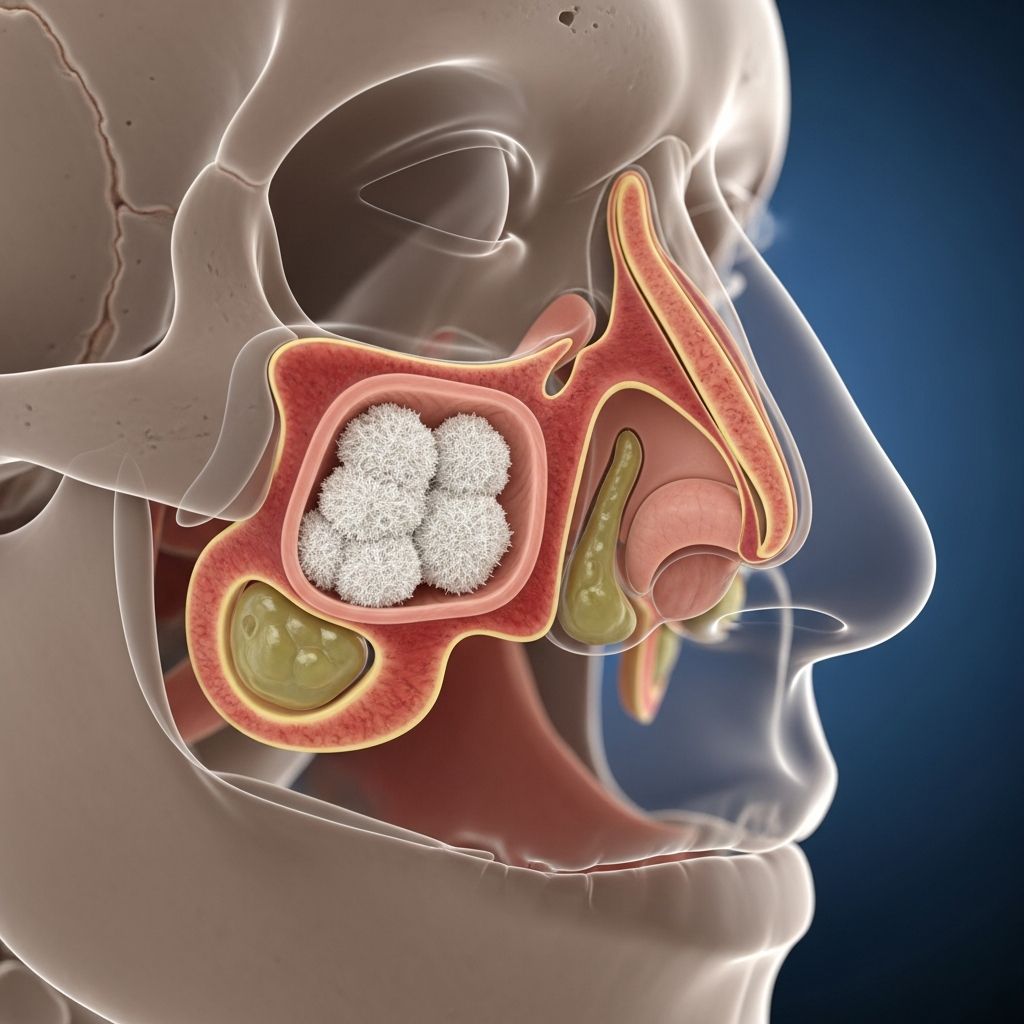
Fungal sinus infections, also known as fungal sinusitis, occur when fungi invade the sinuses, leading to inflammation and a range of symptoms from mild congestion to life-threatening complications. Unlike bacterial or viral sinusitis, these infections stem from fungal overgrowth and can be noninvasive or invasive, particularly affecting immunocompromised individuals.
What Is a Fungal Sinus Infection?
A fungal sinus infection involves fungi entering the nasal passages and sinuses, causing inflammation. Fungi are ubiquitous in the environment, but certain conditions allow them to proliferate in the sinuses. There are several types: noninvasive forms like allergic fungal rhinosinusitis (AFS), fungal balls, and saprophytic fungal sinusitis; and invasive forms, including acute and chronic invasive fungal sinusitis.
In AFS, an allergic reaction to fungi leads to thick mucus and polyps. Fungal balls are dense masses of fungal elements, often Aspergillus, trapped in sinuses. Invasive types penetrate sinus tissues, potentially spreading to the brain or eyes, especially in diabetics or transplant patients.
Fungal Sinus Infection Symptoms
Symptoms mimic bacterial sinusitis but can escalate rapidly in invasive cases. Common signs include:
- **Facial pressure or pain**, often around the cheeks, eyes, or forehead.
- **Headache**, which may worsen with bending or lying down.
- **Nasal congestion or obstruction**, making breathing difficult.
- **Discolored nasal drainage**, thick, yellow-green, or brown mucus.
- **Postnasal drip** with foul taste.
- **Reduced sense of smell or taste**, common in allergic forms.
In more severe invasive fungal sinusitis, symptoms progress to:
- **Fever** and fatigue.
- **Facial swelling, numbness, or redness** above sinuses.
- **Vision changes**, proptosis (bulging eyes), or diplopia.
- **Altered mental status**, cranial nerve weaknesses, or black necrotic tissue in nose.
Sphenoid sinus involvement may present with vague headaches. Saprophytic forms are often asymptomatic.
Types of Fungal Sinus Infections
Fungal sinusitis is classified into noninvasive and invasive categories.
Noninvasive Fungal Sinusitis
- Allergic Fungal Rhinosinusitis (AFS): Most common, triggered by allergy to environmental fungi like Aspergillus or Curvularia. Features eosinophilic mucin, polyps, high IgE. Common in young adults from humid regions.
- Fungal Ball (Mycetoma): Noninvasive clump in maxillary sinus (94% cases), causing pain, pressure, congestion. No allergy or invasion.
- Saprophytic Fungal Sinusitis: Superficial mold on mucus, usually asymptomatic, no tissue invasion.
Invasive Fungal Sinusitis
- Acute Invasive: Rapid progression in immunocompromised (e.g., neutropenia, diabetes). Angioinvasion leads to necrosis, black turbinates, orbital/cerebral spread. High mortality.
- Chronic Invasive: Slower in mildly immunocompromised, granulomatous inflammation, mass-like. Emerging in U.S. with Curvularia.
- Chronic Granulomatous: Rare, with giant cells, hyphae; seen in subtropical areas but rising in Southeast U.S.
Causes and Risk Factors
Fungi like Aspergillus, Mucor, Rhizopus, Curvularia enter via inhalation. Noninvasive types affect healthy people with allergies or sinus blockages. Invasive forms target those with:
- Diabetes (ketoacidosis).
- Immunosuppression (chemotherapy, transplants, HIV).
- Corticosteroid use.
- Humidity, mold exposure.
Blockages from polyps or deviated septum trap fungi.
How Are Fungal Sinus Infections Diagnosed?
Related Stories



Diagnosis combines history, imaging, endoscopy, biopsy.
- CT/MRI: Heterogeneous opacification, hyperdense areas for fungal balls, bone erosion in invasive.
- Nasal Endoscopy: Polyps, mucin, necrosis.
- Biopsy/Culture: Confirms fungi, hyphae; histopathology shows eosinophils, Charcot-Layden crystals in AFS.
- Imaging Signs: Double-density, expanded sinuses.
High suspicion in at-risk patients with proptosis, fever.
Fungal Sinus Infection Treatment
Treatment varies by type.
Noninvasive
- Surgery: Essential for fungal balls (endoscopic removal), AFS (debridement, polyps).
- Medications: Steroids for AFS inflammation; antifungals if residual.
Invasive
- Urgent Surgery: Debridement of necrotic tissue.
- Antifungals: Amphotericin B IV for acute; voriconazole for chronic.
- Manage Underlying: Control diabetes, reverse immunosuppression.
Multidisciplinary: ENT, infectious disease.
Complications of Fungal Sinus Infections
Noninvasive: Chronic inflammation, polyps. Invasive: Orbital cellulitis, cavernous sinus thrombosis, meningitis, cerebral abscess, death (50-80% acute). Early intervention critical.
Prevention of Fungal Sinus Infections
- Control diabetes, avoid steroids if possible.
- Use HEPA filters, dehumidifiers in mold-prone areas.
- Prompt treat sinusitis, allergies.
- Immunocompromised: Prophylactic antifungals, hygiene.
When to See a Doctor
Seek care for persistent symptoms >10 days, worsening pain, fever, vision changes, swelling. Urgent for immunocompromised with rapid progression.
Frequently Asked Questions
Are fungal sinus infections contagious?
No, they result from environmental fungi overgrowth, not person-to-person.
Can fungal sinusitis affect healthy people?
Yes, noninvasive types like AFS or fungal balls occur in immunocompetent individuals.
How long do fungal sinus infection symptoms last?
Noninvasive: Chronic until treated. Invasive: Days to weeks if untreated, rapidly fatal.
Is surgery always needed for fungal sinusitis?
Often yes for noninvasive (removal), essential for invasive (debridement).
What’s the difference between bacterial and fungal sinusitis?
Bacterial responds to antibiotics; fungal requires antifungals/surgery, confirmed by biopsy.
References
- Treatment Options for Fungal Sinus Infections — Banner Health. 2023. https://www.bannerhealth.com/healthcareblog/better-me/how-to-treat-fungal-sinus-infections
- Sinus Infection | Causes, Symptoms & Treatment — ACAAI Public Website. 2024. https://acaai.org/allergies/allergic-conditions/sinus-infection/
- Fungal Sinusitis — NCBI Bookshelf, StatPearls. 2023-10-01. https://www.ncbi.nlm.nih.gov/books/NBK551496/
- Sinusitis — Merck Manuals Professional Edition. 2024. https://www.merckmanuals.com/home/ear-nose-and-throat-disorders/nose-and-sinus-disorders/sinusitis
- Mucormycosis — MedlinePlus Medical Encyclopedia. 2024. https://medlineplus.gov/ency/article/000649.htm
- Fungal sinusitis: Symptoms, causes, types, and treatments — Medical News Today. 2023. https://www.medicalnewstoday.com/articles/fungal-sinusitis
- Emerging pathogen found to cause invasive fungal sinusitis — UAB News. 2023-08-14. https://www.uab.edu/news/health-medicine/emerging-pathogen-found-to-cause-invasive-fungal-sinusitis-in-southeastern-united-states
Similar Articles








Read full bio of medha deb