Fungal Skin Infections: Types, Causes, And Best Treatments
Comprehensive guide to fungal skin infections: causes, types, symptoms, diagnosis, and effective treatments for common mycoses.
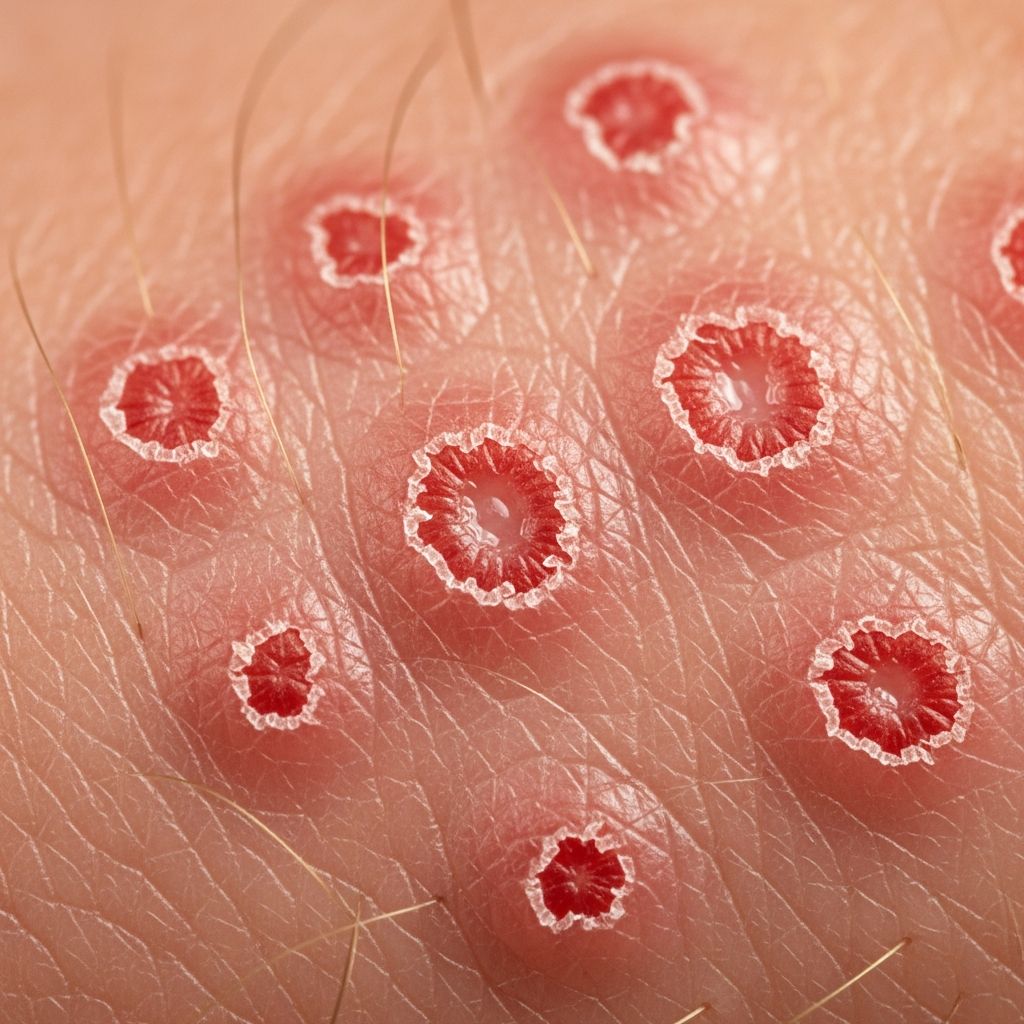
Fungal skin infections, known as mycoses, are common superficial conditions caused by fungi invading the outer layers of the skin, nails, or hair. While generally mild in healthy individuals, they can become severe in immunocompromised patients.
What are fungal skin infections?
Fungi are parasites or saprophytes that thrive on living or dead organic matter. Superficial fungal infections primarily affect the epidermis, nails, and hair follicles. These are distinguished from deeper infections involving dermis or subcutaneous tissue, and systemic mycoses from inhaled spores.
The main pathogens include dermatophytes (Trichophyton, Microsporum, Epidermophyton genera), yeasts (Candida, Malassezia), and dimorphic fungi for deeper or systemic disease.
Who gets fungal skin infections?
These infections affect people worldwide, more commonly in warm, humid climates. Risk factors include:
- Immunosuppression (HIV, diabetes, chemotherapy)
- Warm, moist skin environments (sweating, occlusion)
- Contact with infected humans, animals, or soil
- Close living conditions (sports, dormitories)
- Age extremes (children, elderly)
Healthy individuals often develop mild, self-limiting infections leading to immunity.
What causes fungal skin infections?
Dermatophytes cause tinea infections by invading keratin in stratum corneum, hair, and nails. Anthropophilic species like Trichophyton rubrum spread person-to-person; zoophilic from animals; geophilic from soil.
Yeasts like Candida albicans proliferate in moist areas, especially with antibiotic use or diabetes.
Deep fungi (e.g., Sporothrix schenckii) enter via trauma from soil or plants.
What are the types of fungal skin infections?
Dermatophyte infections (tinea or ringworm)
Tinea is named by body site:
- Tinea pedis (athlete’s foot): Toe webs, soles; scaly, itchy, macerated.
- Tinea unguium (onychomycosis): Nail dystrophy, thickening, onycholysis.
- Tinea cruris (jock itch): Groin; red, scaly plaque.
- Tinea capitis: Scalp; alopecia, scaling, pustules.
- Tinea corporis: Body; annular lesions with central clearing, peripheral scaling.
- Tinea faciei: Face; similar to corporis.
- Tinea manuum: Hands; unilateral scaling.
Lesions typically show annular rings with trailing scale, advancing slowly.
Yeast infections
- Candidiasis: Intertriginous (flexures), diaper rash, paronychia; beefy red, satellite pustules.
- Pityriasis versicolor: Hypo/hyperpigmented macules on trunk; fine scale. Caused by Malassezia.
Deep fungal infections
Sporotrichosis, chromoblastomycosis, mycetoma: Nodular, verrucous from traumatic inoculation.
Other fungal infections
Tinea nigra (Hortaea werneckii): Palm/sole hyperpigmented macule. Piedra: Hair shaft nodules.
What do fungal skin infections look like?
Superficial: Erythematous annular plaques with collarette scale, vesicles, pustules peripherally. Nails: Onycholysis, hyperkeratosis, discoloration. Candida: Moist erythema with pustules. Pityriasis: Confluent patches.
| Type | Common Sites | Key Features |
|---|---|---|
| Tinea corporis | Trunk, limbs | Ring-shaped, scaly borders |
| Tinea pedis | Feet, interdigital | Maceration, fissures |
| Candidiasis | Folds, genitals | Satellite lesions |
| Onychomycosis | Nails | Thickening, debris |
How are fungal skin infections diagnosed?
Clinical suspicion confirmed by mycology: Skin scrapings, nail clippings, hair for KOH microscopy (hyphae, spores) and culture.
Wood lamp for Microsporum. Biopsy for deep infections.
Related Stories



What is the treatment for fungal skin infections?
General measures
- Keep skin clean, dry; dry folds thoroughly.
- Avoid sharing towels, clothing.
- Wear breathable fabrics.
Topical antifungals
For localized tinea: Terbinafine, clotrimazole, miconazole creams 1-2 weeks post-clearance.
Pityriasis: Ketoconazole/selenium sulfide shampoo.
Oral antifungals
Extensive, scalp/nail/hair: Terbinafine (250mg/day 2-6 weeks), itraconazole.
Candida paronychia: Fluconazole.
Note: Allylamine resistance rising; culture MIC if resistant.
What is the outcome for fungal skin infections?
Most resolve with treatment; nails slower (months). Recurrence common without hygiene. Rarely chronic in immunocompromised.
How can fungal skin infections be prevented?
- Dry skin after bathing, especially webs/folds.
- Change socks daily; alternate shoes.
- Avoid barefoot in public showers.
- Treat tinea pedis to prevent spread.
- Pet hygiene.
Differential diagnosis
- Psoriasis, eczema, pityriasis rosea (annular lesions)
- Bacterial impetigo (faster spread)
- Nummular dermatitis
- Granuloma annulare
Antifungal drug resistance
Increasing, especially T. rubrum/mentagrophytes to terbinafine. Test susceptibility.
Frequently Asked Questions
Are fungal skin infections contagious?
Yes, via direct contact or fomites; incubation 1-3 weeks.
Can fungal infections affect nails?
Yes, onychomycosis causes 50% of nail dystrophies; treat systemically.
Is ringworm from worms?
No, misnomer; caused by fungi.
How long do treatments take?
Skin: 2-4 weeks; nails: 3-12 months.
Can they be systemic?
Rarely in healthy; yes in immunocompromised.
References
- Introduction to fungal infections — DermNet NZ. 2024. https://dermnetnz.org/topics/introduction-to-fungal-infections
- Mycology – Fungal skin infections — DermNet NZ. 2024. https://dermnetnz.org/cme/fungal-infections/mycology
- Tinea corporis (Body Ringworm) — DermNet NZ. 2024. https://dermnetnz.org/topics/tinea-corporis
- Treatment of fungal infections — DermNet NZ. 2024. https://dermnetnz.org/topics/treatment-of-fungal-infection
- Tinea skin infections overview — Healthify NZ. 2024. https://healthify.nz/health-a-z/t/tinea-skin-infections-overview
- Fungal infections of the skin (video transcript) — DermNet NZ YouTube. 2024. https://www.youtube.com/watch?v=usvkbJATeo0
Similar Articles








Read full bio of Sneha Tete