Funiculitis: Causes, Symptoms, Diagnosis & Treatment
Understanding spermatic cord inflammation: causes, symptoms, and evidence-based treatment options.

What is Funiculitis?
Funiculitis (fyoo-NIK-yuh-lie-tus) is a relatively rare condition characterized by inflammation in your spermatic cord, which is the structure that supplies blood to your testicles. This condition typically does not occur in isolation and usually appears alongside inflammation in other nearby parts of your body, including your epididymis, prostate, and vas deferens. When inflammation affects your spermatic cord, it causes noticeable swelling, discomfort, and pain in and around your scrotum. While these symptoms may seem alarming, particularly because they affect a sensitive area of your body, it’s important to understand that inflammation is your body’s way of signaling that something requires medical attention. If you experience symptoms of funiculitis, reaching out to a healthcare provider is essential for proper diagnosis and treatment.
Understanding Spermatic Cord Anatomy
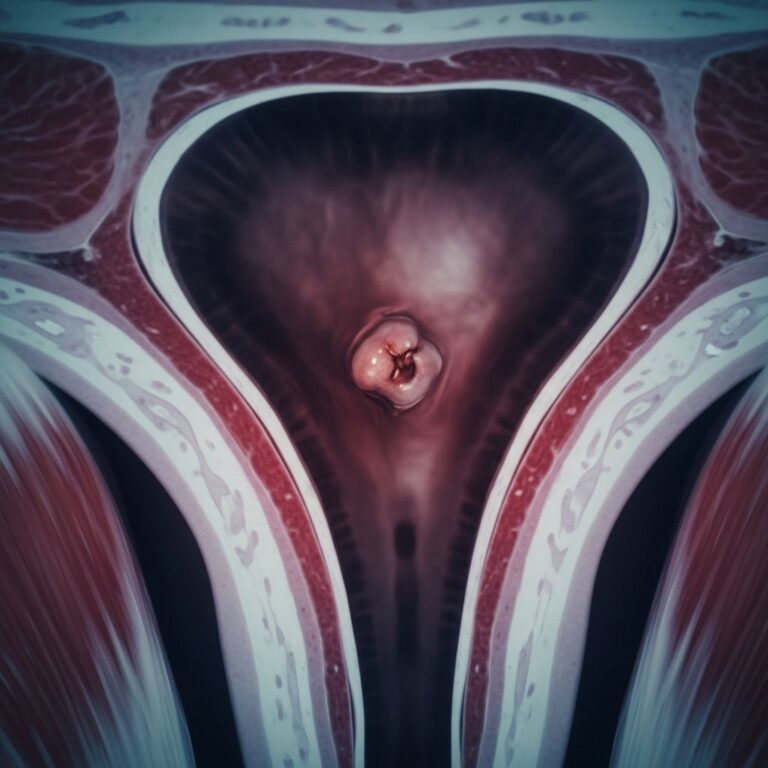
The spermatic cord is a vital structure in the male reproductive system. It’s responsible for transporting blood vessels, nerves, and the vas deferens, which carries sperm from the testicles. Located in the groin area, the spermatic cord connects your testicles to the rest of your body. Understanding this anatomy helps explain why inflammation in this area can cause significant discomfort and why prompt medical evaluation is necessary when symptoms develop.
Symptoms of Funiculitis
Recognizing the symptoms of funiculitis is important for early detection and treatment. Common symptoms include:
- Swelling in your scrotum or groin area
- Pain or tenderness in your spermatic cord
- Discomfort during urination or ejaculation
- General pain or aching in the groin region
- Fever in some cases when infection is present
- Visible redness or warmth in the affected area
These symptoms may develop gradually or appear suddenly, depending on the underlying cause. If you experience any of these signs, especially if they persist for more than a few days, schedule an appointment with your healthcare provider for evaluation.
Common Causes of Funiculitis
Funiculitis develops for various reasons, with infections being the most prevalent cause. Understanding the underlying causes helps healthcare providers develop targeted treatment plans.
Infectious Causes
Bacterial and viral infections are the leading causes of funiculitis. Common bacterial culprits include E. coli and other pathogenic organisms. These infections may originate from urinary tract infections (UTIs) or sexually transmitted infections (STIs). Common STIs associated with funiculitis include chlamydia, gonorrhea, and herpes simplex virus. Additionally, viral infections such as the mumps virus can trigger inflammation of the spermatic cord.
Non-Infectious Causes
Beyond infections, several other conditions can lead to funiculitis. Trauma or injury to the groin area may initiate inflammatory responses. Autoimmune conditions, chronic inflammation in nearby structures, or complications from urological procedures can also contribute to spermatic cord inflammation. In some cases, referred pain from adjacent organs or inflammation spreading from neighboring tissues may manifest as funiculitis.
Risk Factors for Developing Funiculitis
While anyone with a spermatic cord can potentially develop funiculitis, certain factors increase susceptibility. Your risk increases if you:
- Have a history of sexually transmitted infections
- Experience recurrent urinary tract infections
- Have recent trauma or injury to the groin area
- Have undergone urological procedures or instrumentation
- Have compromised immune function
- Engage in unprotected sexual activity
- Have a history of prostatitis or epididymitis
Understanding these risk factors allows you to take preventive measures and recognize when to seek medical evaluation.
Types of Funiculitis
Funiculitis can be categorized into different types based on its cause and characteristics. The classification helps healthcare providers determine the most appropriate treatment approach. Acute funiculitis develops suddenly and may require immediate intervention, while chronic funiculitis persists or recurs over an extended period. Bacterial funiculitis specifically results from bacterial infection, whereas non-bacterial forms may arise from other inflammatory causes.
Related Stories



Diagnosis of Funiculitis
Accurate diagnosis is crucial for effective treatment. Your healthcare provider will take a comprehensive approach to identify funiculitis and determine its underlying cause.
Medical History and Physical Examination
The diagnostic process begins with a detailed medical history review, where your provider asks about your symptoms, their onset, and any associated conditions. During the physical examination, your healthcare provider will assess your scrotum and groin area for tenderness, swelling, warmth, and other signs of inflammation. They may also perform palpation to identify the exact location and extent of involvement.
Diagnostic Tests
To confirm the diagnosis and identify the cause, your healthcare provider may recommend several tests:
- Ultrasound imaging: Scrotal ultrasound is often the first imaging study used, providing detailed visualization of the spermatic cord and surrounding structures
- Urinalysis: Examination of your urine can detect bacteria or white blood cells indicating infection
- Urine culture: This test identifies specific bacterial organisms and their antibiotic sensitivities
- Blood tests: Complete blood count and other tests can show signs of systemic infection
- STI screening: If sexually transmitted infection is suspected, specific tests for chlamydia, gonorrhea, and other STIs may be performed
- CT or MRI imaging: Advanced imaging may be ordered in complex cases or when complications are suspected
Treatment Options for Funiculitis
Treatment depends entirely on the underlying cause of your funiculitis. Your healthcare provider will develop a personalized treatment plan addressing the specific factors contributing to your condition.
Antibiotic Therapy
When bacterial infection causes funiculitis, antibiotics form the cornerstone of treatment. Your provider may prescribe antibiotics even before laboratory results return, as prompt treatment prevents complications. The specific antibiotic chosen depends on the suspected or identified organism. Common antibiotics for funiculitis include fluoroquinolones, tetracyclines, and trimethoprim-sulfamethoxazole. Most courses of antibiotic therapy last one to two weeks, though some cases may require extended treatment. If the infection is severe or you experience vomiting, intravenous antibiotics administered in a hospital setting may be necessary.
Supportive Care
Beyond antibiotics, supportive measures help manage symptoms and promote recovery. Rest is essential, particularly avoiding strenuous activity and sexual intercourse until symptoms resolve. Ice application to the affected area can reduce swelling and discomfort. Over-the-counter pain relievers and nonsteroidal anti-inflammatory drugs (NSAIDs) like ibuprofen may help manage pain and inflammation, though you should consult your healthcare provider before using these medications.
Surgical Intervention
In rare cases, funiculitis may lead to pus formation in the spermatic cord or the development of an abscess (a pocket of pus). When this occurs, surgical drainage may become necessary. During this procedure, a surgeon makes a small incision in your groin to access the spermatic cord, drains the accumulated pus, and cleanses the abscess with saline solution. In some cases, the surgeon collects a pus sample and sends it to the laboratory to identify the causative bacteria and determine the most effective antibiotic treatment. Following surgical drainage, a course of antibiotics ensures the infection doesn’t recur.
Recovery and Timeline
Recovery time varies depending on the underlying cause of your funiculitis. Your healthcare provider will give you a more specific timeline based on your individual situation. However, in general, most people begin experiencing symptom relief within a few days to a week of starting appropriate treatment. Complete resolution of swelling may take several weeks. Some individuals may experience lingering discomfort even after completing treatment, but this typically resolves with time. It’s essential to complete your full course of antibiotics as prescribed, even if you feel better, to prevent recurrence and complications.
Potential Complications
While funiculitis usually responds well to treatment, complications can occur if the condition is untreated or inadequately managed. The most significant complication is the formation of an abscess, which requires surgical intervention. Infection may spread to adjacent structures, potentially affecting the epididymis, testicle, or prostate. Chronic inflammation can occasionally lead to scarring of the spermatic cord. Untreated bacterial infections may progress to systemic infection or sepsis in severe cases. These complications underscore the importance of seeking prompt medical evaluation when symptoms develop.
Prevention Strategies
You can significantly reduce your risk of developing funiculitis by implementing several preventive measures:
- Practice safe sex and use barrier protection consistently
- Get tested regularly for sexually transmitted infections if sexually active
- Seek prompt treatment for urinary tract infections
- Maintain proper genital hygiene
- Avoid trauma to the groin area
- Follow post-procedure care instructions carefully after urological procedures
- Maintain overall immune health through proper nutrition and exercise
When to Seek Medical Care
You should contact a healthcare provider if you develop any symptoms suggesting funiculitis, particularly groin pain, scrotal swelling, or discomfort in the spermatic cord area. If you receive treatment for funiculitis and your symptoms don’t improve within a few days, contact your provider again. Seek emergency care if you develop sudden severe testicular or scrotal pain, fever above 103°F (39.4°C), or signs of systemic infection.
Living with Funiculitis
If you’re diagnosed with funiculitis caused by an STI, it’s important to refrain from sexual intercourse until the infection completely clears and your healthcare provider gives clearance. Additionally, inform your sexual partner(s) about your diagnosis so they can seek appropriate testing and treatment if necessary. Open communication with your partner(s) and your healthcare provider ensures comprehensive care and prevents reinfection.
Frequently Asked Questions
Q: Is funiculitis a common condition?
A: Funiculitis is relatively rare compared to other urological conditions, but it can affect anyone with a spermatic cord. It’s often associated with other inflammatory conditions in the genital area.
Q: Can funiculitis go away on its own?
A: While some mild cases of non-bacterial funiculitis may improve without treatment, bacterial funiculitis requires antibiotic therapy. Untreated bacterial infections can lead to serious complications, so medical evaluation is essential.
Q: How long does treatment usually take?
A: Most antibiotic courses for bacterial funiculitis last one to two weeks. However, complete resolution of symptoms and swelling may take several additional weeks. Your healthcare provider will give you a more specific timeline based on your condition.
Q: Will funiculitis cause long-term problems?
A: With proper diagnosis and treatment, the outlook for funiculitis is generally good. It usually doesn’t cause long-term complications, though untreated cases may lead to abscess formation or other issues requiring surgical intervention.
Q: Can funiculitis recur after treatment?
A: Recurrence is possible if the underlying cause isn’t fully addressed or if reinfection occurs. Completing your full antibiotic course, practicing safe sex, and addressing risk factors help minimize recurrence risk.
Q: Should I avoid sexual activity during treatment?
A: Yes, you should refrain from sexual intercourse until your symptoms resolve and your healthcare provider gives clearance. This is particularly important if an STI caused your funiculitis, as sexual activity can spread infection to partners.
Q: What should I ask my healthcare provider about funiculitis?
A: Consider asking about the specific cause of your funiculitis, the expected timeline for recovery, what activities to avoid, whether you need follow-up testing, and how to prevent recurrence in the future.
Conclusion
Funiculitis, though uncommon, requires prompt medical attention to prevent complications and ensure effective treatment. Understanding the condition, recognizing its symptoms, and seeking professional healthcare evaluation are essential steps in managing this inflammatory condition. With proper diagnosis, targeted treatment based on the underlying cause, and adherence to your healthcare provider’s recommendations, most people experience complete resolution of symptoms. Don’t hesitate to reach out to a healthcare provider if you experience any signs of spermatic cord inflammation—early intervention leads to better outcomes and faster recovery.
References
- Funiculitis: Causes, Symptoms, Diagnosis & Treatment — Cleveland Clinic. 2025-04-24. https://my.clevelandclinic.org/health/diseases/funiculitis
- Epididymitis: Causes, Symptoms, Diagnosis & Treatment — Cleveland Clinic. 2024-10-01. https://my.clevelandclinic.org/health/diseases/17697-epididymitis
- Sonography of the Scrotum — Radiology Journal (RSNA). https://pubs.rsna.org/doi/abs/10.1148/radiol.2271001744
Similar Articles








Read full bio of Sneha Tete