Furosemide: Comprehensive Guide To Uses, Dosing, Risks
Comprehensive overview of furosemide, a key diuretic for managing fluid retention and hypertension effectively.
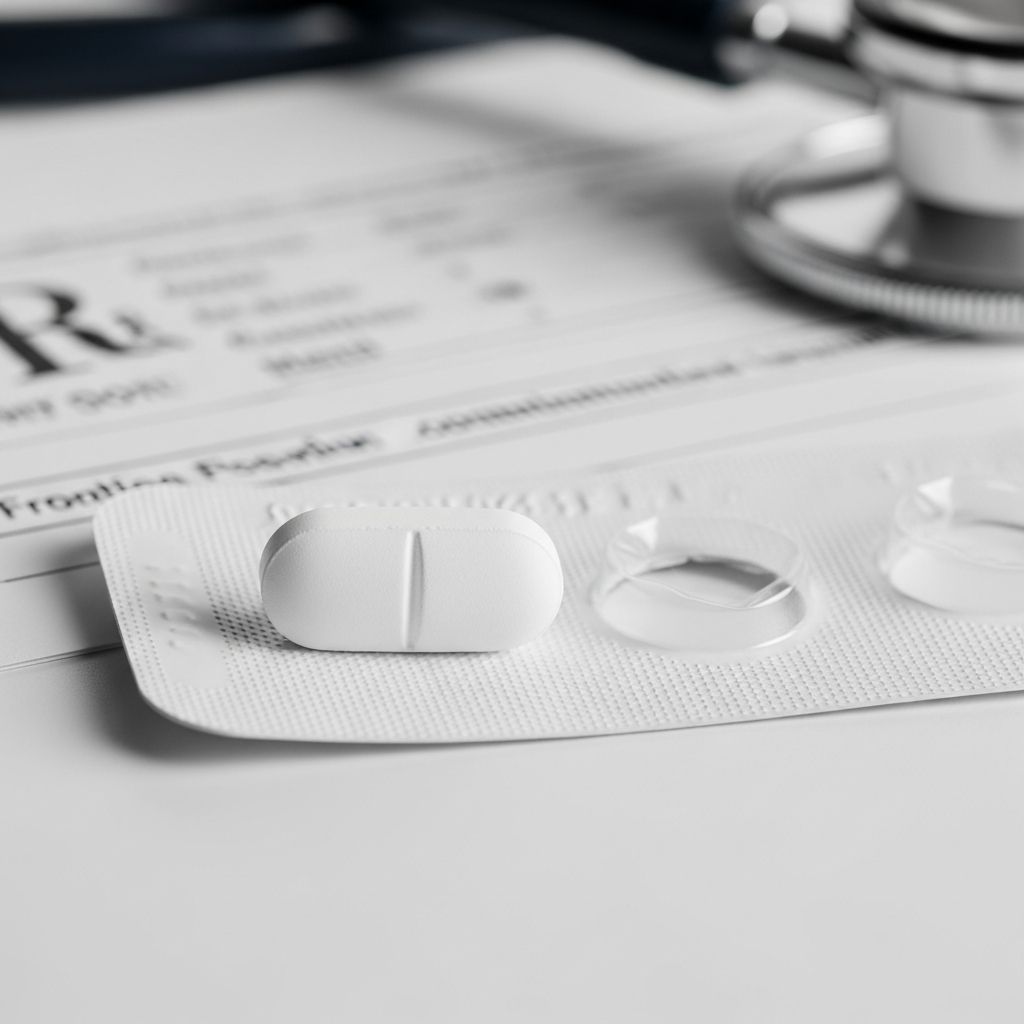
Furosemide is a widely prescribed loop diuretic that helps the body eliminate excess fluid and salt through increased urine production. It plays a crucial role in managing conditions like edema associated with heart failure, liver cirrhosis, and kidney disorders, as well as hypertension.
Understanding Furosemide’s Primary Applications
This medication addresses fluid overload in various clinical scenarios. In adults and certain pediatric cases, it effectively reduces swelling caused by congestive heart failure, where the heart struggles to pump blood efficiently, leading to fluid accumulation. For liver cirrhosis patients, it alleviates ascites, the buildup of fluid in the abdomen, while in renal diseases like nephrotic syndrome, it combats generalized edema. Additionally, furosemide serves as a standalone or adjunct therapy for mild to moderate hypertension, often combined with other antihypertensives for better control.
Beyond these, intravenous forms provide rapid relief in acute settings, such as pulmonary edema, where quick vasodilation and diuresis are vital. Its versatility extends to both oral tablets and injectable solutions, making it suitable for patients unable to swallow pills during emergencies.
How Furosemide Functions in the Body
Furosemide targets the kidneys’ nephron, specifically inhibiting the sodium-potassium-chloride cotransporter (NKCC2) in the thick ascending loop of Henle, proximal, and distal tubules. This blockade prevents sodium and chloride reabsorption, promoting their excretion along with water, magnesium, and calcium. The result is robust diuresis, reducing blood volume and pressure while easing tissue swelling.
Oral administration yields a diuretic onset within 1 hour, peaking at 1-2 hours, with effects lasting 4-6 hours, sometimes up to 8. Intravenous use acts faster—within 5 minutes, peaking at 30 minutes, and lasting about 2 hours—ideal for urgent cases. It also induces vasodilation independently of its diuretic action, countering vasoconstrictors like angiotensin II and enhancing prostaglandin release for better vascular relaxation.
Standard Dosing Protocols
Dosage varies by condition, age, and administration route. For edema in adults, oral doses start at 20-80 mg daily, adjustable up to 600 mg if needed, often split into multiple doses. Pediatric dosing for edema is weight-based, typically 2 mg/kg, not exceeding 6 mg/kg daily. Hypertension treatment begins at 40 mg twice daily, titrated as required.
| Condition | Adult Oral Dose | Pediatric Dose | IV Dose |
|---|---|---|---|
| Edema (Heart Failure) | 20-80 mg/day | 2 mg/kg/day | 20-40 mg, repeat if needed |
| Hypertension | 40 mg twice daily | N/A | N/A |
| Acute Pulmonary Edema | N/A | N/A | 40 mg, may repeat |
Timing matters: take oral doses in the morning to avoid nighttime urination. Adjustments are common in renal impairment, with monitoring for efficacy and tolerance.
Recognizing and Managing Side Effects
While effective, furosemide can cause electrolyte imbalances due to excessive fluid and mineral loss. Common issues include hypokalemia (low potassium), manifesting as muscle cramps, weakness, dry mouth, thirst, and irregular heartbeat. Other frequent effects are nausea, diarrhea, dizziness, headache, blurred vision, and increased urination.
- Gastrointestinal: Nausea, vomiting, diarrhea, constipation, abdominal cramps.
- Neurological: Dizziness, vertigo, headache.
- Skin: Rash, itching.
- Serious Risks: Dehydration, ototoxicity (hearing loss or tinnitus), severe allergic reactions like Stevens-Johnson syndrome.
Less common but critical are thyroid suppression, pancreatitis, elevated liver enzymes, and worsened kidney function. Overdose amplifies these, potentially causing hypotension, arrhythmias, or hepatic coma in cirrhotics. Mild effects often resolve, but persistent or severe symptoms warrant medical attention.
Critical Precautions and Monitoring
Regular blood tests track electrolytes, kidney function (creatinine, BUN), liver enzymes, and thyroid levels. Patients with gout, diabetes, or lupus require caution due to risks of exacerbation. Avoid in anuria or hypersensitivity.
Related Stories



Pregnancy category C: use only if benefits outweigh risks, as it crosses the placenta. Breastfeeding passes into milk, so monitor infants for diuresis or electrolyte issues. Elderly patients face heightened dehydration and orthostatic hypotension risks.
Medication Interactions to Watch
Furosemide interacts with numerous drugs. Aminoglycosides and cisplatin amplify ototoxicity; NSAIDs reduce diuretic effect; lithium toxicity rises with sodium depletion. Digitalis increases hypokalemia risk, potentially triggering arrhythmias.
- Potentiates: Other diuretics, antihypertensives (additive hypotension).
- Antagonizes: Probenecid (delays excretion), succinylcholine (prolonged action).
- Food/Alcohol: Moderate alcohol intake; no major food conflicts, but consistent potassium-rich diet advised.
Practical Tips for Daily Use
Swallow tablets whole with water, with or without food. Rise slowly from sitting/lying to prevent dizziness. Weigh daily to monitor fluid status; report gains over 2-3 pounds quickly. Maintain hydration but watch for over-diuresis signs. A potassium-rich diet (bananas, spinach) or supplements may be recommended.
Store at room temperature, away from moisture. Dispose of unused meds properly via pharmacy take-back.
When to Seek Immediate Help
Contact a doctor for severe dizziness, confusion, muscle weakness, irregular pulse, hearing changes, jaundice, or blistering rash. In overdose, symptoms like profound weakness or seizures demand emergency care.
Frequently Asked Questions
Can furosemide be crushed?
No, extended-release forms should not be crushed; consult a pharmacist for alternatives.
How long until furosemide works?
Oral: 1 hour onset; IV: 5 minutes. Full blood pressure effects may take weeks.
Does furosemide cause weight loss?
Temporary from fluid loss, not fat reduction.
Is furosemide safe long-term?
Yes, with monitoring; tolerance can develop, requiring dose adjustments.
What foods counteract furosemide?
Potassium-rich foods help balance losses.
Navigating Tolerance and Resistance
Chronic use may lead to “breaking phenomenon,” where initial strong diuresis wanes due to compensatory kidney mechanisms. Higher doses or combinations restore efficacy, but close supervision prevents rebound sodium retention.
In heart failure, furosemide’s vasodilatory properties aid beyond diuresis, improving cardiac output in acute decompensation. For pediatrics, precise dosing ensures safety without excess fluid shifts.
References
- Furosemide: Side effects, dosage, uses, and more — Medical News Today. 2023-10-01. https://www.medicalnewstoday.com/articles/furosemide-oral-tablet
- Furosemide: Uses, Interactions, Mechanism of Action — DrugBank. 2024-01-15. https://go.drugbank.com/drugs/DB00695
- Furosemide – StatPearls — NCBI Bookshelf. 2023-07-17. https://www.ncbi.nlm.nih.gov/books/NBK499921/
- About furosemide — NHS. 2023-05-12. https://www.nhs.uk/medicines/furosemide/about-furosemide/
- Furosemide: MedlinePlus Drug Information — MedlinePlus. 2024-02-01. https://medlineplus.gov/druginfo/meds/a682858.html
- Furosemide Tablets — Cleveland Clinic. 2023-11-20. https://my.clevelandclinic.org/health/drugs/18057-furosemide-tablets
Similar Articles








Read full bio of medha deb