G6PD Deficiency: Symptoms, Causes, Diagnosis & Treatment
Understanding G6PD deficiency: Learn about this genetic disorder affecting red blood cells.
Understanding G6PD Deficiency
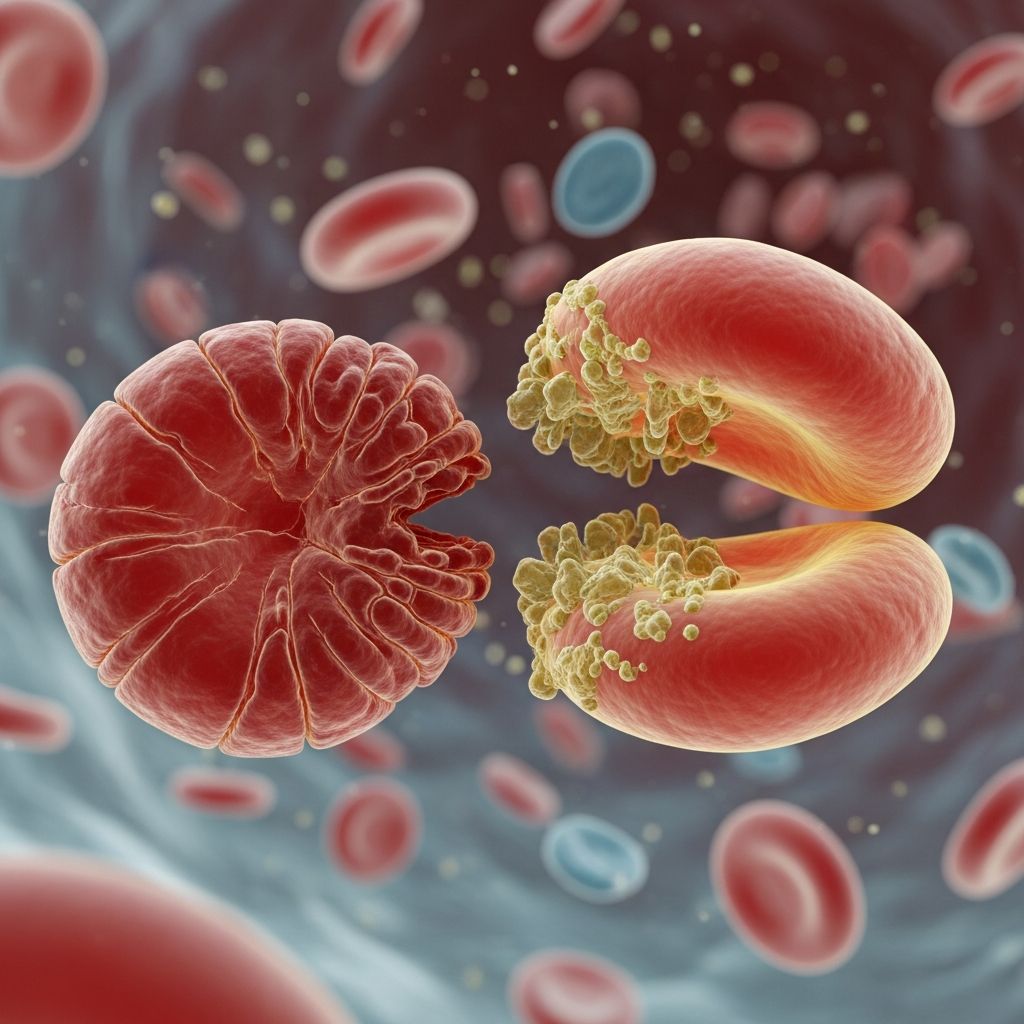
Glucose-6-phosphate dehydrogenase (G6PD) deficiency is a lifelong genetic disorder that affects the red blood cells in your body. This condition occurs when the body cannot produce enough functional G6PD enzyme, which normally protects red blood cells from oxidative stress and premature destruction. When individuals with G6PD deficiency are exposed to certain triggers, their red blood cells break down faster than the body can replace them, leading to hemolysis (the destruction of red blood cells). Most people with G6PD deficiency remain healthy throughout their lives, but they must be vigilant about avoiding specific triggers that can cause acute hemolytic anemia.
What Causes G6PD Deficiency?
G6PD deficiency is caused by a mutation in the G6PD gene, which is responsible for producing the glucose-6-phosphate dehydrogenase enzyme. This enzyme plays a critical role in protecting red blood cells from oxidative damage. When the gene is mutated, the body cannot produce adequate amounts of functional G6PD enzyme, which results in insufficient generation of NADPH (nicotinamide adenine dinucleotide phosphate). NADPH is essential for replenishing glutathione, the primary cellular antioxidant in red blood cells.
G6PD deficiency follows an X-linked inheritance pattern, meaning the gene responsible for this condition is located on the X chromosome. This is why the condition is more commonly found in males than females. Individuals inherit this disorder from their parents, and it remains with them throughout their lifetime. The deficiency of the protective G6PD enzyme leaves red blood cells vulnerable to oxidative damage, making them susceptible to hemolysis when exposed to triggering factors.
Triggers of G6PD Hemolysis
While most people with G6PD deficiency experience no symptoms under normal circumstances, exposure to certain triggers can cause acute hemolytic anemia. Understanding these triggers is crucial for managing the condition effectively.
Fava Beans and Foods
One of the most well-known triggers of G6PD hemolysis is fava beans, which gives rise to a condition called favism. Fava beans contain high amounts of oxidative substances that can trigger rapid red blood cell destruction in G6PD-deficient individuals. Symptoms of favism typically develop within 2-3 days after consuming fava beans and can include the classic symptoms of acute hemolytic anemia. Other foods containing significant oxidative compounds may also pose a risk for susceptible individuals.
Medications
Certain medications are known to trigger hemolysis in G6PD-deficient individuals. These include specific antibiotics, antimalarial agents, and various other drugs that produce oxidative stress on red blood cells. Anti-malarial medications are particularly strongly associated with inducing hemolytic anemia in patients with G6PD deficiency. Common triggering medications may include sulfonamides, aspirin at high doses, phenacetin, and certain other pain relievers. It is critical that individuals with a G6PD diagnosis inform their healthcare providers about their condition to prevent prescription of medications that could trigger hemolysis.
Infections and Stress
Certain infectious diseases can trigger hemolytic crises in G6PD-deficient individuals. Bacterial and viral infections can increase oxidative stress on red blood cells, leading to hemolysis. Additionally, physical or emotional stress, extreme fatigue, and other physiological stressors may precipitate acute hemolytic anemia in susceptible individuals. Some G6PD-deficient people may experience hemolysis during periods of intense physical exertion or severe illness.
Related Stories



Symptoms of G6PD Deficiency
Most people with G6PD deficiency live without experiencing any symptoms. However, when exposed to triggering factors, individuals may develop acute hemolytic anemia and experience various clinical manifestations.
Asymptomatic Presentation
In the majority of cases, G6PD deficiency causes no noticeable symptoms. Individuals may live their entire lives unaware that they have this genetic condition, particularly if they avoid known triggers. Many people discover their G6PD deficiency only through routine blood tests or when they experience an acute hemolytic episode.
Symptoms During Hemolytic Episodes
When individuals with G6PD deficiency are exposed to trigger factors and develop acute hemolytic anemia, they may experience the following symptoms:
– Dark-colored urine (which may resemble tea or cola)
– Yellowing of the skin, eyes, or tongue (jaundice)
– Extreme paleness of the skin
– Rapid heart rate (tachycardia)
– Shortness of breath (dyspnea)
– Fatigue and extreme tiredness
– Dizziness
– Low back pain or abdominal pain
– Fever
– Nausea, diarrhea, or gastrointestinal discomfort
– Enlarged spleen (splenomegaly)
The onset of symptoms typically occurs within 2-3 days after exposure to a trigger, though with fava beans, symptoms may appear even more rapidly. The severity of symptoms can range from mild to life-threatening, particularly in children experiencing their first hemolytic crisis.
Neonatal Presentation
Newborns with G6PD deficiency may develop severe jaundice within the first 24 hours of life, with bilirubin levels exceeding the 95th percentile. If left untreated, neonatal jaundice from G6PD deficiency can cause serious brain damage. Infants born with this condition require prompt medical intervention to prevent complications.
Diagnosis of G6PD Deficiency
G6PD deficiency is diagnosed through blood tests that detect the deficiency of the glucose-6-phosphate dehydrogenase enzyme. Several diagnostic approaches can be used to confirm the condition.
Laboratory Testing Methods
The primary diagnostic method involves specific enzyme assays that measure G6PD activity in red blood cells. Additional laboratory evaluations may include:
– Complete blood count (CBC) to assess for anemia
– Reticulocyte count, which typically increases 4-7 days after hemolysis
– Peripheral blood smear to identify Heinz bodies (precipitated hemoglobin)
– Haptoglobin levels (typically decreased during hemolysis)
– Liver function tests showing elevated indirect bilirubin
– Coombs test (typically negative in G6PD-related hemolysis)
A complete blood count may reveal mild to severe anemia depending on the timing and severity of hemolysis. The specific pattern of laboratory findings helps healthcare providers distinguish G6PD deficiency from other causes of hemolytic anemia.
Timing of Testing
It is important to note that G6PD enzyme levels may appear falsely normal during or immediately after an acute hemolytic episode, as older, enzyme-deficient red blood cells are destroyed and replaced with younger cells that may have higher enzyme activity. For accurate diagnosis, testing should ideally be performed when the patient is not actively hemolizing, or at least several weeks after an acute episode has resolved.
Treatment and Management Strategies
Most people with G6PD deficiency do not require active medical treatment. Instead, the primary management strategy involves identifying and avoiding triggers that could precipitate hemolytic episodes.
Preventive Measures
The main treatment for G6PD deficiency is avoidance of oxidative stressors. Individuals diagnosed with this condition should:
– Maintain a list of medications to avoid and share this with all healthcare providers
– Avoid consuming fava beans and potentially other foods high in oxidative compounds
– Inform dentists, pharmacists, and all medical professionals about their G6PD diagnosis
– Seek medical attention promptly if they develop symptoms of hemolysis
– Manage infections promptly with appropriate medical care
– Avoid excessive physical exertion or extreme stress when possible
Acute Hemolytic Episode Management
When individuals develop acute hemolytic anemia, treatment depends on the severity of the episode. In mild cases, supportive care and avoidance of the triggering factor may be sufficient. For more severe hemolysis, healthcare providers may recommend folic acid supplementation to support red blood cell production. In severe cases where anemia becomes life-threatening, blood transfusions may be necessary to replace destroyed red blood cells.
Neonatal Treatment
Newborns with G6PD deficiency who develop jaundice are typically treated with phototherapy, which involves placing the infant under special therapeutic lights that help break down excess bilirubin. In severe cases, exchange transfusion may be necessary, involving the removal of some of the baby’s blood and replacement with donor blood or plasma to rapidly reduce bilirubin levels and prevent brain damage.
Medications to Avoid
Individuals with G6PD deficiency should avoid several categories of medications known to trigger hemolysis, including certain antibiotics, antimalarial drugs, sulfonamides, high-dose aspirin, and methylene blue (which can cause severe hemolysis and even death in G6PD-deficient patients). Healthcare providers should screen patients for G6PD deficiency before prescribing these medications, particularly in populations where the condition is more prevalent.
Complications and Prognosis
The primary complication of G6PD deficiency is acute hemolytic anemia, which occurs after exposure to triggering factors. While this condition can be life-threatening, particularly in children experiencing their first hemolytic crisis, most people with G6PD deficiency have a favorable long-term prognosis when they successfully avoid triggers.
The severity of complications depends on the specific G6PD variant, the degree of enzyme deficiency, the intensity and duration of oxidative stress, and the age of the affected individual. Children and individuals with more severe enzyme deficiencies may be at higher risk for serious complications during hemolytic episodes.
Living with G6PD Deficiency
With proper understanding of the condition and careful trigger avoidance, most individuals with G6PD deficiency can live normal, healthy lives. Key aspects of successful management include:
– Maintaining awareness of medications and foods to avoid
– Regular communication with healthcare providers about the diagnosis
– Seeking prompt medical attention if symptoms suggestive of hemolysis develop
– Educating family members and caregivers about the condition
– For parents of affected children, genetic counseling to understand inheritance patterns and recurrence risks
Frequently Asked Questions
Q: Is G6PD deficiency curable?
A: No, G6PD deficiency is a lifelong genetic condition that cannot be cured. However, it can be effectively managed through trigger avoidance and preventive measures. Most people with G6PD deficiency live normal, healthy lives.
Q: Can women have G6PD deficiency?
A: Yes, although G6PD deficiency is more common in males due to its X-linked inheritance pattern, females can also inherit and be affected by this condition. Heterozygous females may experience milder symptoms or may be completely asymptomatic.
Q: How often do hemolytic episodes occur?
A: The frequency of hemolytic episodes varies greatly among individuals and depends on exposure to triggering factors. Many people with G6PD deficiency never experience a hemolytic episode if they successfully avoid known triggers.
Q: Can G6PD deficiency be diagnosed prenatally?
A: Yes, prenatal diagnosis is possible through genetic testing of fetal DNA. Genetic counseling is recommended for families with a known history of G6PD deficiency.
Q: What should I do if I suspect I have G6PD deficiency?
A: If you experience unexplained jaundice, dark urine, or symptoms of hemolytic anemia, particularly after exposure to fava beans or certain medications, consult your healthcare provider. A simple blood test can diagnose G6PD deficiency.
Q: Are there any foods besides fava beans I should avoid?
A: While fava beans are the most commonly implicated food, other foods containing high levels of oxidative compounds may also trigger hemolysis in susceptible individuals. Your healthcare provider can provide a comprehensive list of foods and substances to avoid based on your specific G6PD variant.
Q: Can exercise trigger a hemolytic episode?
A: Extreme physical exertion or intense stress can potentially trigger hemolysis in some G6PD-deficient individuals. However, moderate regular exercise is generally safe and beneficial. Consult your healthcare provider about appropriate activity levels.
References
- G6PD deficiency – symptoms, causes, diagnosis and treatment — Healthdirect, Australian Department of Health. 2024. https://www.healthdirect.gov.au/G6PD-deficiency
- Glucose-6-Phosphate Dehydrogenase Deficiency — National Organization for Rare Disorders (NORD). 2024. https://rarediseases.org/rare-diseases/glucose-6-phosphate-dehydrogenase-deficiency/
- Diagnosis and Management of G6PD Deficiency — American Academy of Family Physicians. 2005. https://www.aafp.org/pubs/afp/issues/2005/1001/p1277.html
- Glucose-6-Phosphate Dehydrogenase Deficiency — StatPearls, National Center for Biotechnology Information (NCBI). 2024. https://www.ncbi.nlm.nih.gov/books/NBK470315/
- Glucose-6-phosphate dehydrogenase (G6PD): Symptoms, Causes — MedPark Hospital. 2024. https://www.medparkhospital.com/en-US/disease-and-treatment/g6pd-deficiency
- Glucose-6-phosphate dehydrogenase deficiency — MedlinePlus, National Library of Medicine. 2024. https://medlineplus.gov/genetics/condition/glucose-6-phosphate-dehydrogenase-deficiency/
- Glucose-6-phosphate dehydrogenase deficiency — American Society of Hematology Publications. 2024. https://ashpublications.org/blood/article/136/11/1225/461549/
Similar Articles








Read full bio of medha deb