G6PD Test: Complete Guide To Procedure, Results, And Triggers
Complete guide to G6PD testing: Understanding enzyme deficiency diagnosis and results.
What Is a G6PD Test?
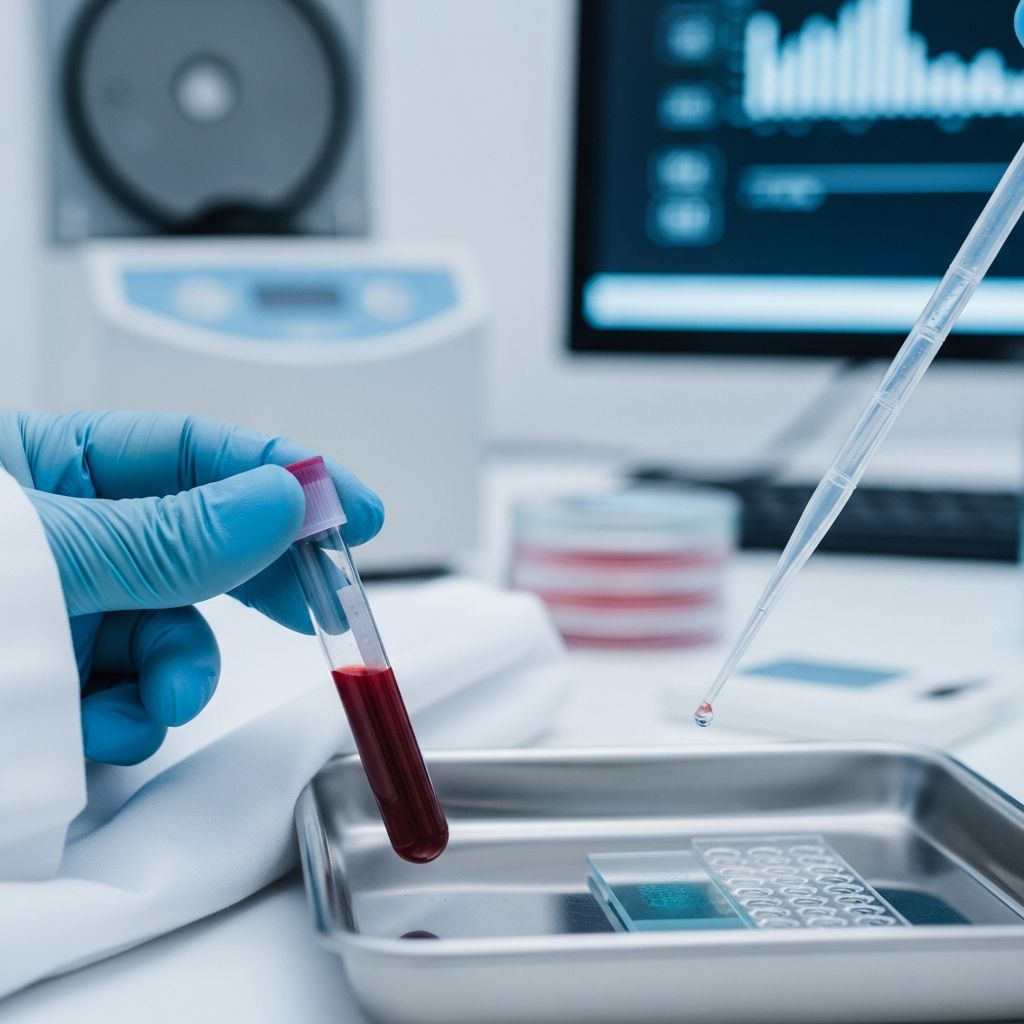
The G6PD test is a diagnostic blood test that measures the level of glucose-6-phosphate dehydrogenase (G6PD) enzyme in your bloodstream. G6PD is a critical enzyme, a type of protein that accelerates specific chemical reactions throughout your body. This enzyme plays an essential role in maintaining the health and proper function of your red blood cells. Red blood cells are responsible for transporting oxygen from your lungs to every cell in your body, enabling cells to grow, reproduce, and maintain optimal health.
When G6PD deficiency occurs, your body does not produce adequate amounts of this protective enzyme. This deficiency can lead to the premature destruction of red blood cells, a condition known as hemolytic anemia. During hemolytic anemia, red blood cells break down faster than your body can replace them, resulting in your cells not receiving sufficient oxygen. This can cause various health complications and symptoms that range from mild to severe.
What Is It Used For?
The G6PD test serves a critical diagnostic purpose in detecting inherited G6PD deficiency. Healthcare providers use this test to identify individuals who lack sufficient amounts of the G6PD enzyme. Because G6PD deficiency is an inherited genetic condition, screening is particularly important for individuals with a family history of the disorder or those showing symptoms suggestive of hemolytic anemia.
The test is especially valuable for newborn screening programs, where early detection can prevent serious complications. Additionally, the G6PD test helps healthcare providers assess enzyme capacity before prescribing certain medications that could trigger hemolytic episodes in deficient patients, such as rasburicase or other therapies that may cause hemolysis or methemoglobinemia.
Why Do I Need a G6PD Test?
Your healthcare provider may recommend a G6PD test for several important reasons. The most common indication is when you are experiencing symptoms consistent with hemolytic anemia, which can signal an underlying enzyme deficiency.
Symptoms of Hemolytic Anemia Include:
- Persistent fatigue and weakness
- Pale skin or jaundice, where the skin and eyes develop a yellowish appearance
- Rapid or irregular heart rate
- Shortness of breath or difficulty breathing
- Dark or yellow-orange colored urine
Newborns may require G6PD testing if they develop jaundice that persists beyond two weeks or if jaundice cannot be attributed to another medical condition. Infants with a family history of G6PD deficiency are also candidates for testing, as early diagnosis enables healthcare providers to implement appropriate preventive measures and management strategies.
Triggers of Hemolytic Episodes
Most individuals with G6PD deficiency remain asymptomatic until they encounter specific environmental or chemical triggers that provoke the destruction of red blood cells. Understanding these triggers is essential for managing the condition effectively. Common triggers include certain medications, infections, fava beans and other legumes, and oxidative stress. By knowing these potential triggers, individuals with G6PD deficiency can take preventive measures to avoid hemolytic crises.
What Happens During a G6PD Test?
The G6PD test procedure is straightforward and typically performed in a clinical laboratory or healthcare facility. Understanding what to expect can help ease any anxiety about the testing process.
Related Stories



Standard Blood Draw Procedure:
A qualified healthcare professional will obtain a blood sample by inserting a small needle into a vein in your arm. After the needle is properly positioned, a small quantity of blood will be collected into a test tube or sterile vial. You may experience a mild stinging sensation as the needle enters or exits your skin. The entire procedure typically takes less than five minutes to complete.
Newborn Testing Procedure:
For newborn screening, the procedure differs slightly to accommodate an infant’s needs. A healthcare provider will first cleanse the baby’s heel with alcohol to ensure a sterile site. They will then use a small lancet to prick the heel and collect a few drops of blood onto a specialized screening card. After collection, the provider will place a bandage on the puncture site. This method is minimally invasive and causes minimal discomfort to the newborn.
Specimen Requirements and Handling:
The test requires a whole blood sample collected in an EDTA (lavender-top) tube. The specimen volume is typically 3 milliliters and must be kept refrigerated immediately after collection. Critically important is that specimens should NOT be frozen, as freezing compromises the enzyme activity and invalidates test results. During transport to the laboratory, the sample must be maintained at appropriate temperatures. Grossly hemolyzed samples, clotted specimens, or frozen samples are considered unacceptable and may require recollection. The turnaround time for test results typically ranges from two to four business days.
Test Methodology and Analysis
The G6PD test employs several sophisticated laboratory methodologies to accurately measure enzyme levels. These may include automated cell counters, colorimetric kinetic analysis, and quantitative enzymatic measurements. These methods ensure precise measurement of G6PD enzyme activity in your blood.
Healthcare providers should be aware that certain conditions can interfere with test accuracy. Patients who have received recent blood transfusions may show normal or artificially elevated G6PD levels because donor cells contain normal enzyme levels that can mask the deficiency in the patient’s own red blood cells. Additionally, very high white blood cell counts can cause interference and falsely elevate G6PD activity, potentially masking a true deficiency.
Understanding G6PD Test Results
Interpreting your G6PD test results requires understanding what different enzyme levels indicate about your health status and risk of developing hemolytic anemia.
Lower Than Normal G6PD Levels:
If your test results reveal lower than normal amounts of G6PD, you have a G6PD deficiency. However, the severity of symptoms and your personal risk of developing hemolytic anemia varies significantly depending on your individual health history and exposure to specific triggers. Not everyone with a deficiency will experience hemolytic episodes.
Results for Women:
Women with slightly lower than normal G6PD levels may be carriers of G6PD deficiency. Carriers possess one defective G6PD gene and one normal G6PD gene. Due to having one functional gene, women carriers typically produce sufficient healthy red blood cells and often remain asymptomatic. However, carriers face a significant risk of passing the defective gene to their children. Male children are considerably more likely to develop G6PD symptoms than female children, as males have only one X chromosome and therefore lack a backup normal gene.
Results for Men:
Men with normal G6PD enzyme levels are unlikely to have a deficiency. If anemia is present, it likely stems from another underlying cause. Your healthcare provider may recommend repeating the G6PD test a few weeks after the initial test if the first test was performed during an acute hemolytic anemia episode, as enzyme levels can temporarily appear lower during active hemolysis.
Reference Ranges:
Reference ranges for normal G6PD activity vary depending on age, sex, and hemoglobin levels. For adult males and females aged 15 years and older, normal G6PD quantitative activity typically ranges from 9.8 to 15.5 U/g Hemoglobin. These reference ranges help clinicians determine whether your enzyme level is normal, borderline, or deficient. Your healthcare provider will compare your individual results against these established ranges to make an accurate diagnosis.
Special Considerations and Test Limitations
Several factors can affect the accuracy and interpretation of G6PD test results. Patients should be aware of these limitations when discussing their results with healthcare providers.
Recent blood transfusions represent a significant limitation, as transfused donor red blood cells containing normal G6PD enzyme levels can dilute the patient’s deficient cells, masking the deficiency and producing falsely normal results. Healthcare providers often need to account for this when evaluating transfused patients. Additionally, individuals with extremely elevated white blood cell counts may experience falsely elevated G6PD readings. Proper specimen handling is critical; hemolyzed, clotted, or frozen specimens produce unreliable results and require recollection.
Diagnosis of Related Conditions
Healthcare providers may employ additional diagnostic tests alongside the G6PD test to comprehensively evaluate suspected hemolytic anemia. These complementary tests include:
- Complete blood count (CBC) to assess overall red blood cell levels and identify anemia
- Peripheral blood smear to examine red blood cells for abnormal shapes or sizes indicative of hemolytic anemia
- Bilirubin testing to measure bilirubin levels, a waste product created when red blood cells are destroyed
- Direct antiglobulin test (Coombs test) to differentiate G6PD deficiency from immune-mediated hemolytic anemia
Genetic Inheritance Pattern
G6PD deficiency is an X-linked recessive genetic disorder, meaning the gene responsible for the condition is located on the X chromosome. This inheritance pattern has important implications for males and females. Males, who have only one X chromosome, require only one defective G6PD gene to manifest the deficiency. Females, possessing two X chromosomes, typically need defective genes on both X chromosomes to fully express the disease, though carriers with one defective gene may experience symptoms under certain circumstances. Understanding this inheritance pattern is crucial for genetic counseling and family planning.
Clinical Significance and Management
The diagnosis of G6PD deficiency carries important clinical implications. Identification of the condition allows healthcare providers to counsel patients on avoiding known triggers and to carefully monitor medication choices. Providers can recommend specific preventive measures, including maintaining adequate hydration, managing infections promptly, and avoiding oxidative stress when possible. For patients awaiting therapies that might induce hemolysis, G6PD enzyme capacity testing ensures appropriate patient monitoring for developing anemia and enables selection of safer therapeutic alternatives.
Frequently Asked Questions About G6PD Testing
Q: Is G6PD deficiency curable?
A: G6PD deficiency is a genetic condition that cannot be cured. However, it can be effectively managed through trigger avoidance, careful medication selection, and regular medical monitoring to prevent hemolytic episodes.
Q: How common is G6PD deficiency?
A: G6PD deficiency affects millions of people worldwide, with particularly high prevalence in individuals of African, Mediterranean, and Southeast Asian descent. Prevalence rates vary by population and genetic ancestry.
Q: Can women with G6PD deficiency have normal pregnancies?
A: Many women with G6PD deficiency have healthy pregnancies and deliveries. However, close monitoring is recommended, and certain medications should be avoided. Consultation with healthcare providers experienced in managing G6PD deficiency during pregnancy is advised.
Q: What should I do if I test positive for G6PD deficiency?
A: If you test positive for G6PD deficiency, discuss trigger avoidance strategies with your healthcare provider, maintain an updated list of medications to avoid, and inform all healthcare providers about your condition. Regular follow-up appointments help monitor your health and catch any complications early.
Q: Do I need genetic counseling if I have G6PD deficiency?
A: Genetic counseling can be beneficial, particularly if you plan to have children or have a family history of the condition. Genetic counselors can explain inheritance patterns and help you understand your children’s risk of inheriting the deficiency.
Q: How often should I be tested for G6PD deficiency?
A: If you have previously tested negative, you typically do not require retesting unless your symptoms change significantly or new information suggests the need for evaluation. Individuals with a diagnosis may require periodic monitoring as recommended by their healthcare provider.
References
- G6PD Test — MedlinePlus, National Library of Medicine. 2024. https://medlineplus.gov/lab-tests/g6pd-test/
- G6PD Quantitative Test — Cleveland Clinic Laboratories. 2024. https://clevelandcliniclabs.com/test/g6pd-quantitative/
- Glucose 6-Phosphate Dehydrogenase Enzyme Activity, Blood — Mayo Clinic Laboratories. 2024. https://www.mayocliniclabs.com/test-catalog/overview/607460
- Pediatric Provider Insight into Newborn Screening for G6PD Deficiency — PMC/NIH. 2016. https://pmc.ncbi.nlm.nih.gov/articles/PMC4946335/
- G6PD Deficiency: Symptoms, Causes & Treatment — Cleveland Clinic. 2024. https://my.clevelandclinic.org/health/diseases/22556-g6pd-glucose-6-phosphate-dehydrogenase-deficiency
- Severe thrombocytopenia in a patient with otherwise asymptomatic G6PD deficiency — Cleveland Clinic Journal of Medicine. 2019. https://www.ccjm.org/content/88/2/86
- What Are Heinz Bodies? — Cleveland Clinic. 2024. https://my.clevelandclinic.org/health/symptoms/25071-heinz-bodies
Similar Articles








Read full bio of medha deb