GABA Benefits: 5 Potential Health Effects
Explore the science-backed benefits of GABA for anxiety, sleep, blood pressure, and more, plus expert insights on supplements.
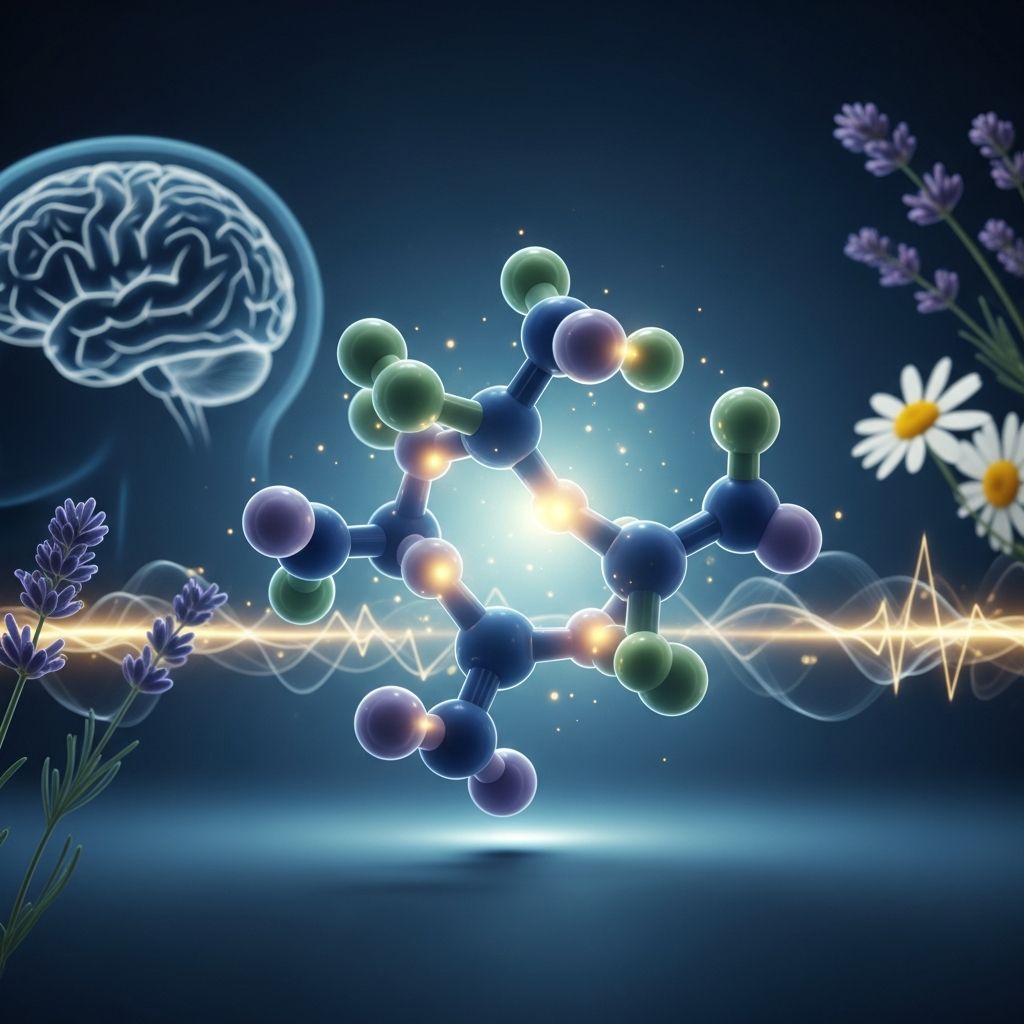
GABA (gamma-aminobutyric acid) is the primary inhibitory neurotransmitter in the central nervous system, playing a crucial role in promoting relaxation by blocking nerve impulses between brain cells.
**Key Points:**
- GABA helps regulate mood, sleep, anxiety, and stress by calming overactive neural activity.
- Low GABA levels are linked to conditions like anxiety disorders, epilepsy, chronic pain, and insomnia.
- Supplements aim to boost GABA effects, but research shows mixed results on whether oral GABA crosses the blood-brain barrier effectively.
While GABA supplements are popular for potential mental health benefits, evidence from human studies remains limited and often preliminary.
What Is GABA?
GABA is a naturally occurring amino acid acting as an inhibitory neurotransmitter, meaning it reduces neuronal excitability throughout the nervous system.
The body produces GABA from glutamate via the enzyme glutamate decarboxylase. It binds to GABA receptors (GABA-A and GABA-B), opening chloride channels to hyperpolarize neurons, producing a calming effect.
GABA is abundant in the brain, with low levels associated with anxiety, mood disorders, epilepsy, and chronic pain.
- GABA vs. Glutamate: Glutamate excites neurons (primary excitatory neurotransmitter); GABA inhibits them to maintain balance.
- Natural Production: Supported by vitamins B6, zinc, and magnesium.
Disruptions in GABA signaling contribute to various neurological conditions, making it a target for therapies like benzodiazepines.
GABA Benefits
Research suggests GABA may offer several health benefits, primarily through its calming effects on the brain and body. However, most evidence comes from small studies or animal models, with human trials needed for confirmation.
Reduces Anxiety
GABA promotes relaxation, potentially alleviating anxiety symptoms by enhancing inhibitory signaling in the brain.
Gut-derived GABA from probiotics like Lactiplantibacillus plantarum SNK12 has reduced anxiety and salivary cortisol in human studies.
- A 2022 trial showed GABA-producing probiotics lowered stress markers in participants.
- Oral GABA supplements show promise but inconsistent brain penetration.
Improves Sleep
GABA may shorten sleep latency and improve sleep quality by modulating the hypothalamic-pituitary-adrenal (HPA) axis and boosting GABA receptor expression.
Studies on GABA tea and supplements demonstrate reduced sleep onset time and increased sleep duration in animal and small human trials.
- GABA black tea decreased pentobarbital-induced sleep latency in mice.
- Probiotics restored GABA levels in sleep-deprived monkeys, normalizing cortisol.
Lowers Blood Pressure
GABA exhibits antihypertensive effects by activating central GABA receptors, reducing mean arterial pressure (MAP), heart rate, and improving baroreflex sensitivity (BRS).
In hypertensive rats, PVN injection of GABA lowered blood pressure more effectively than in normotensive controls.
- Human studies: Fermented milk with GABA reduced systolic blood pressure in mildly hypertensive individuals after 2-4 weeks.
- Chlorella supplements with GABA lowered BP in borderline hypertension cases.
GABA smooths blood pressure fluctuations, beneficial for cardiovascular protection.
Decreases Stress and Fatigue
GABA-containing beverages (25-50 mg) reduced mental and physical fatigue during problem-solving tasks in small Japanese studies.
- Chocolate with 28 mg GABA lowered stress markers.
- 100 mg GABA capsules eased stress in mental tasks.
Related Stories



Effects are promising but based on small, older trials needing replication.
Other Potential Benefits
- Mood Support: May improve mood disorders by countering low GABA linked to depression.
- ADHD/PMS: Anecdotal uses for symptom relief, lacking robust evidence.
- Exercise Tolerance: Possible fat burning and muscle growth, but unconfirmed.
- Gut-Brain Axis: Probiotic GABA influences brain GABA receptors remotely.
How to Get More GABA
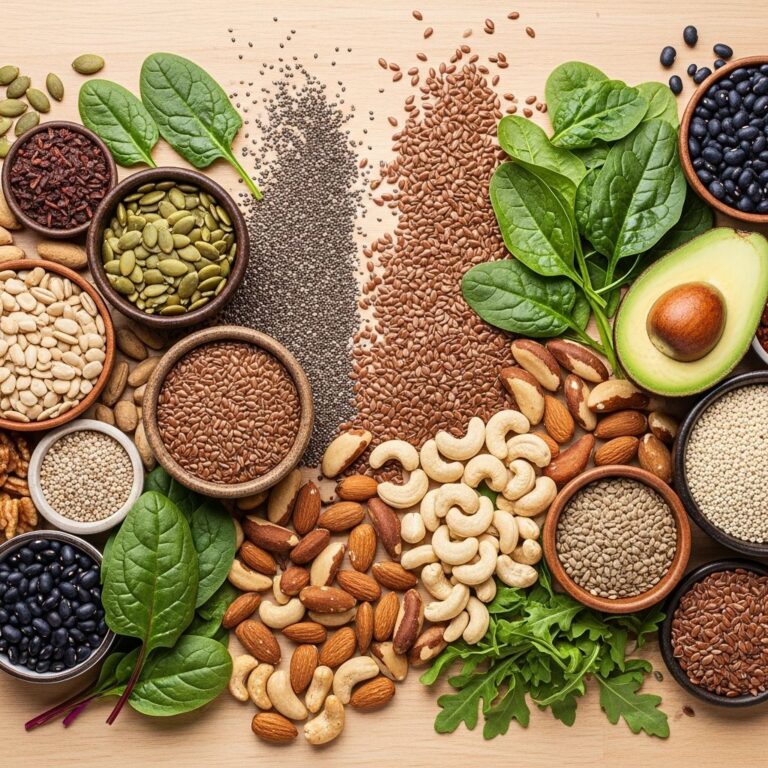
Foods High in GABA
Incorporate GABA-rich or precursor foods to naturally boost levels.
| Food | GABA Content | Notes |
|---|---|---|
| Fermented Foods (kimchi, miso, tempeh) | High | Produced by bacteria during fermentation. |
| Tea (green, black, GABA tea) | Moderate-High | GABA tea specially processed for higher levels. |
| Tomatoes, Potatoes, Mushrooms | Moderate | Stress-induced GABA accumulation. |
| Soybeans, Walnuts, Broccoli | Low-Moderate | Contain precursors like glutamate. |
GABA Supplements
Available as capsules, powders, or in fortified foods (25-100 mg doses common). Synthetic or fermented sources.
- Dosage: No standard; studies use 25-300 mg/day. Start low.
- Forms: Pharmaceutical-grade preferred over food-grade for purity.
Gut-derived via probiotics may offer sustained benefits over transient oral supplements.
GABA Dosage: How Much GABA Should You Take?
No FDA-approved dosage exists; recommendations based on studies.
- Anxiety/Stress: 25-100 mg, 1-3x daily.
- Sleep: 100-300 mg before bed.
- Blood Pressure: 10-50 mg in food products daily.
Effects may onset within 30-60 minutes, lasting 4-6 hours. Consult a doctor for personalized dosing, especially with medications.
GABA Side Effects
GABA is generally safe at typical doses, with low toxicity even at high amounts.
- Common: Mild drowsiness, tingling, shortness of breath (transient).
- Rare: Abdominal pain, headache, muscle weakness.
- Interactions: May enhance sedatives, antihypertensives, or antidepressants.
Avoid if pregnant, breastfeeding, or with depression (may worsen). Long-term safety unknown.
Precautions and Who Should Avoid GABA
- Consult healthcare provider if on blood pressure meds, sedatives, or antidepressants.
- Not recommended for children, pregnant/breastfeeding individuals without medical advice.
- Monitor blood pressure if hypertensive.
Limited data on chronic use; cycle supplements if possible.
Frequently Asked Questions (FAQs)
Does GABA really work?
GABA shows promise for anxiety, sleep, and stress in small studies, but larger trials are needed to confirm efficacy, especially for supplements.
Can you take GABA every day?
Short-term daily use appears safe; long-term effects unknown. Start with low doses and monitor response.
Is GABA safe?
Yes, at recommended doses, with minimal side effects reported in studies.
Does GABA make you sleepy?
It can cause drowsiness, making it useful before bed but avoid daytime if driving/operating machinery.
How fast does GABA work?
Effects may begin in 30 minutes for acute relaxation/stress relief.
References
- GABA: Uses and Risks — WebMD. 2023. https://www.webmd.com/vitamins-and-supplements/gaba-uses-and-risks
- GABA: Gut to Brain Mechanisms for Anxiety & Insomnia — Frontiers in Neuroscience. 2025-01-13. https://www.frontiersin.org/journals/neuroscience/articles/10.3389/fnins.2025.1570173/full
- GABA’s Effect on Blood Pressure & Dynamics in Anesthetic Rats — PMC (NCBI). 2015-09-29. https://pmc.ncbi.nlm.nih.gov/articles/PMC4613098/
- Gamma Aminobutyric Acid: Uses and Effects of GABA Supplement — Healthline. 2023. https://www.healthline.com/health/gamma-aminobutyric-acid
- Gamma-Aminobutyric Acid (GABA): What It Is, Function & Benefits — Cleveland Clinic. 2023-05-10. https://my.clevelandclinic.org/health/articles/22857-gamma-aminobutyric-acid-gaba
Similar Articles








Read full bio of medha deb