Gabapentin Capsules or Tablets: Uses, Dosage & Side Effects
Complete guide to gabapentin capsules and tablets: uses, dosage, side effects, and safety information.
Gabapentin Capsules or Tablets: A Comprehensive Guide
Gabapentin is a prescription medication available in multiple forms, including capsules and tablets, used to treat various neurological conditions. This medication belongs to a class of drugs designed to manage nerve pain and prevent seizures. Understanding how gabapentin works, its proper usage, potential side effects, and safety considerations is essential for anyone prescribed this medication or considering it as a treatment option.
What Is Gabapentin?
Gabapentin is a synthetic analog of the neurotransmitter gamma-aminobutyric acid (GABA), which plays a crucial role in regulating nerve activity in the brain and body. The medication works by affecting the way nerve signals travel through the nervous system, helping to reduce pain signals and prevent abnormal electrical activity that can trigger seizures. While the exact mechanism of how gabapentin prevents nerve pain remains not fully understood, research indicates it modulates calcium channels in nerve cells, thereby reducing the transmission of pain signals.
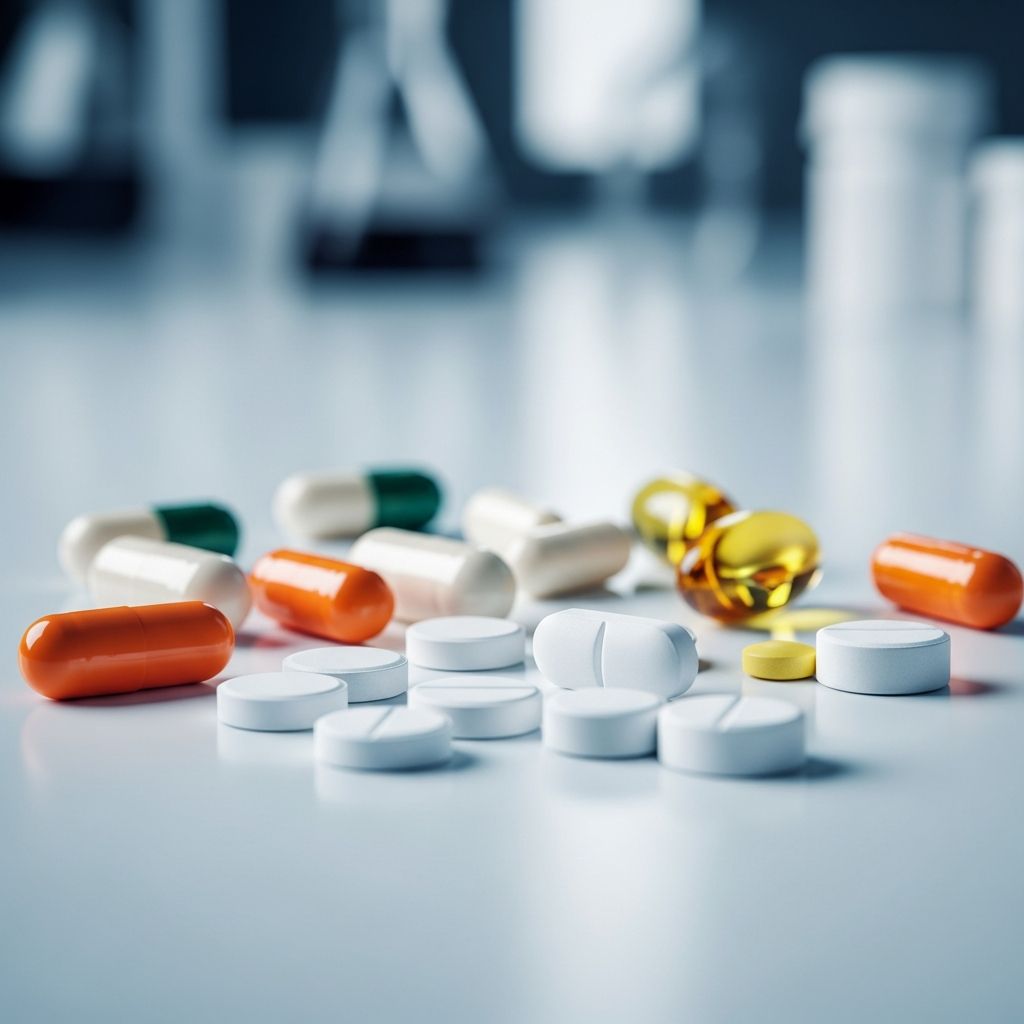
Gabapentin is available in several pharmaceutical forms to accommodate different patient needs and preferences. These include capsules, tablets, and oral solutions, each offering flexibility in dosing and administration. The medication is marketed under various brand names, most notably Neurontin, and is also available as a generic medication, making it more accessible and affordable for patients.
Medical Uses and Indications
Gabapentin is primarily prescribed for two main therapeutic purposes, though healthcare providers may recommend it for other off-label uses based on individual patient needs.
Postherpetic Neuralgia (PHN)
One of the most common uses for gabapentin is treating postherpetic neuralgia, a condition characterized by persistent nerve pain that occurs after a shingles infection. This type of pain can continue for months or even years following the initial shingles outbreak. Patients with PHN often experience burning, shooting, or stabbing sensations along the affected area. Gabapentin has demonstrated effectiveness in reducing the severity and frequency of this chronic pain condition, significantly improving quality of life for many patients.
Seizure Prevention
Gabapentin is approved as an adjunctive treatment for partial-onset seizures in patients with epilepsy. While it is typically used alongside other antiepileptic medications rather than as monotherapy, gabapentin helps reduce seizure frequency and intensity in patients whose seizures are not adequately controlled with single-agent therapy. The medication is suitable for use in both adults and children three years of age and older.
Dosage and Administration
Proper dosing of gabapentin is critical for achieving therapeutic benefits while minimizing adverse effects. The appropriate dose varies significantly based on the indication being treated, the patient’s age, kidney function, and overall health status.
Standard Dosing Guidelines
For postherpetic neuralgia, gabapentin dosing typically begins at 300 mg once daily on day one, increases to 300 mg twice daily on day two, and reaches 300 mg three times daily by day three. Many patients find effective pain relief at this baseline dose of 900 mg daily, though some may require higher doses ranging from 1,800 to 3,600 mg daily, divided into three equal doses. For seizure control, dosing generally ranges from 900 to 3,600 mg daily, also divided into three daily doses. The maximum recommended dose should not exceed 3,600 mg per day in divided doses.
Related Stories



Adjustment Considerations
Patients with impaired kidney function require dose adjustments to prevent drug accumulation and potential toxicity. Those with severe renal impairment may need substantial dose reductions. Healthcare providers carefully monitor kidney function through regular blood tests and adjust gabapentin dosing accordingly. Additionally, dosing must be individualized for pediatric patients, with careful consideration of age-appropriate dosing schedules.
Taking Your Medication
Gabapentin should be taken exactly as prescribed by your healthcare provider. Swallow capsules or tablets whole with water, with or without food. It is important to maintain consistent dosing intervals and not skip doses. If you forget to take a dose, take it as soon as you remember, unless it is almost time for your next scheduled dose. Never double doses to make up for a missed dose.
Common Side Effects
Most patients tolerate gabapentin well, though some experience mild side effects that typically diminish as the body adjusts to the medication. These common side effects are generally not serious and often resolve within a few weeks.
The most frequently reported side effects include drowsiness, dizziness, fatigue, and tiredness. Many patients also experience nausea, fever, difficulty speaking, and headaches. Other common effects include uncontrollable eye movements, swelling of the hands, legs, or feet, trouble with balance or coordination, viral infections, and aggressive behavior in some patients. In pediatric patients, viral infections, fever, nausea and vomiting, tiredness, and hostility are among the most commonly reported side effects.
If these mild side effects persist beyond one to two weeks or become bothersome, inform your healthcare provider. Often, dose adjustments or slower titration schedules can minimize these effects. Your doctor may also recommend taking the medication with food to reduce nausea or adjusting the timing of doses to manage drowsiness.
Serious Side Effects Requiring Medical Attention
While serious side effects are less common, they require immediate medical attention and should be reported to your healthcare provider right away.
Behavioral and Mood Changes
Gabapentin can cause significant behavioral and psychological changes, including suicidal thoughts or behavior, violent or aggressive behavior, anxiety, depression, irritability, hallucinations, mania, and panic attacks. These effects are particularly concerning in pediatric and adolescent patients. Parents and caregivers should monitor for changes in school performance, concentration difficulties, excessive activity or talking, crying, distrust of others, and rapidly changing moods. Any concerning behavioral changes warrant immediate professional evaluation.
Allergic Reactions
Severe allergic reactions to gabapentin, while rare, can be life-threatening. Symptoms include skin rashes, hives, difficulty breathing or wheezing, chest or throat tightness, fever, persistent gland swelling, and swelling of the face, lips, throat, tongue, or eyes. If you experience any signs of an allergic reaction, seek emergency medical care immediately. Do not take gabapentin again if you have ever had an allergic reaction to it, as a second exposure could be fatal.
Drug Reaction with Eosinophilia and Systemic Symptoms (DRESS)
Gabapentin can cause multiorgan hypersensitivity, also known as DRESS syndrome, which is potentially life-threatening. Symptoms include rash, fever, and swollen lymph nodes. Call your doctor immediately if you develop these symptoms, as early recognition and discontinuation of the medication are critical.
Additional Serious Side Effects
Other serious side effects requiring immediate medical attention include difficulty breathing, bluish-tinged skin or lips, severe confusion, extreme sleepiness, uncontrolled eye movements, seizure increases or changes, yellowing of skin or eyes, unusual bruising or bleeding, severe tiredness or weakness, unexpected muscle pain or weakness, frequent infections, long-lasting stomach pain with nausea or vomiting, and hallucinations.
Drug Interactions and Contraindications
Gabapentin can interact with various medications and substances, potentially reducing its effectiveness or increasing the risk of adverse effects. Inform your healthcare provider of all medications, supplements, and over-the-counter drugs you are taking.
Morphine and other opioid medications can increase gabapentin levels in the body, potentially enhancing side effects like drowsiness and dizziness. Antacids containing aluminum and magnesium can reduce gabapentin absorption, so space these medications at least two hours apart. CNS depressants, including alcohol, sedatives, and sleeping pills, can compound drowsiness and dizziness when combined with gabapentin. Naproxen and other NSAIDs may increase gabapentin concentrations in some patients.
Gabapentin is generally not recommended for patients with severe allergic reactions to the medication or its components. Use caution in patients with kidney disease, heart problems, or a history of substance abuse. Pregnant and breastfeeding women should consult their healthcare providers about the risks and benefits of gabapentin use.
Important Safety Warnings and Precautions
Withdrawal and Discontinuation
Never stop taking gabapentin abruptly without medical supervision, as this can lead to serious withdrawal symptoms or seizures, even in patients taking it for nerve pain. If your doctor decides to discontinue gabapentin, the dose will be gradually reduced over at least one week. This gradual tapering helps prevent withdrawal symptoms and allows your body to safely adjust.
Driving and Operating Machinery
Gabapentin can impair your thinking, judgment, motor skills, and coordination. Do not drive, operate heavy machinery, or engage in other potentially hazardous activities until you understand how this medication affects you. Drowsiness and dizziness may persist for an unpredictable duration, so exercise caution even after initially tolerating the medication.
Pregnancy and Breastfeeding
The safety of gabapentin during pregnancy has not been definitively established. Some studies suggest potential risks, while others indicate relative safety. Women of childbearing age should discuss pregnancy plans with their healthcare providers. Gabapentin does pass into breast milk, so nursing mothers should consult their doctors about potential risks to nursing infants.
Kidney Function Monitoring
Regular monitoring of kidney function through blood tests is essential, particularly for patients with preexisting kidney disease. In rare cases, patients with significant kidney impairment may experience potentially serious or fatal drug toxicity. Dose adjustments based on kidney function tests help prevent these complications.
Overdose Management
Taking more gabapentin than prescribed can result in dangerous drug levels in your body. Symptoms of overdose include double vision, slurred speech, extreme tiredness, and loose stools. If you suspect an overdose, contact your local poison control center or your doctor immediately. For severe symptoms, call 911 or proceed to the nearest emergency room without delay.
Tips for Safe and Effective Use
To maximize the benefits of gabapentin while minimizing risks, follow these practical recommendations: take your medication exactly as prescribed, maintain consistent dosing times to keep medication levels stable, do not skip doses or stop taking the medication without medical guidance, report any new or worsening side effects to your healthcare provider, keep all scheduled doctor appointments for monitoring and evaluation, inform all healthcare providers you see that you are taking gabapentin, avoid alcohol and other CNS depressants while taking gabapentin, and follow up regularly regarding kidney function monitoring if you have kidney disease or risk factors.
Frequently Asked Questions (FAQs)
Q: How long does it take for gabapentin to work?
A: The timeline varies depending on the condition being treated. For postherpetic neuralgia, some patients notice improvement within days to weeks, though it may take several weeks or months for maximum benefit. For seizure control, stabilization may take several weeks as doses are gradually increased.
Q: Can I take gabapentin with food?
A: Yes, gabapentin can be taken with or without food. Taking it with food may help reduce nausea in some patients.
Q: What should I do if I miss a dose?
A: Take the missed dose as soon as you remember, unless it is almost time for your next scheduled dose. Never double doses to make up for a missed dose.
Q: Is gabapentin addictive?
A: While gabapentin is not an opioid, it can be misused and has potential for psychological dependence. Take it exactly as prescribed and inform your doctor if you have a history of substance abuse.
Q: Can I drink alcohol while taking gabapentin?
A: Alcohol can increase CNS depression effects and should be avoided or limited. Consult your healthcare provider about alcohol use while taking gabapentin.
Q: Are there generic versions of gabapentin available?
A: Yes, generic gabapentin is available and typically more affordable than brand-name versions like Neurontin.
References
- Gabapentin (Oral): Side Effects, Uses, and More — Healthline. Accessed December 2024. https://www.healthline.com/health/gabapentin-oral-capsule
- Side Effects of Gabapentin — NHS. Accessed December 2024. https://www.nhs.uk/medicines/gabapentin/side-effects-of-gabapentin/
- What Are the Side Effects of Gabapentin? — Medical News Today. Accessed December 2024. https://www.medicalnewstoday.com/articles/323753
- Gabapentin (Gralise, Neurontin) – Uses, Side Effects, and More — WebMD. Accessed December 2024. https://www.webmd.com/drugs/2/drug-14208-8217/gabapentin-oral/gabapentin-oral/details
- Gabapentin: MedlinePlus Drug Information — MedlinePlus. U.S. National Library of Medicine. Accessed December 2024. https://medlineplus.gov/druginfo/meds/a694007.html
- Gabapentin: Uses, Side Effects, Dosages, Interactions & More — Cleveland Clinic. Accessed December 2024. https://my.clevelandclinic.org/health/drugs/21561-gabapentin
Similar Articles








Read full bio of medha deb