Gabapentin: Uses, Side Effects, Dosages & Interactions
Complete guide to gabapentin: approved uses, dosing, side effects, and drug interactions.
Understanding Gabapentin: A Comprehensive Medication Guide
Gabapentin is a prescription medication that works by calming overactive nerves in your body to relieve nerve pain and prevent seizures. This anticonvulsant drug has become increasingly important in modern medicine for managing various neurological and pain-related conditions. Understanding how gabapentin works, its approved uses, proper dosing, potential side effects, and important interactions can help patients and healthcare providers make informed treatment decisions.
What is Gabapentin and How Does It Work?
Gabapentin is an anticonvulsant medication that functions by modulating nerve activity in the central nervous system. The drug works by binding to calcium channels in nerve cells, which prevents the release of excitatory neurotransmitters and reduces the transmission of pain signals. This mechanism makes it particularly effective for treating neuropathic pain—pain caused by damaged or dysfunctional nerves—rather than inflammatory or other types of pain. The medication is highly lipophilic, meaning it dissolves well in fat, which allows it to penetrate the blood-brain barrier effectively and reach therapeutic concentrations in the nervous system.
FDA-Approved Uses of Gabapentin
Gabapentin has received FDA approval for three primary indications, each backed by clinical evidence demonstrating its effectiveness and safety.
Partial Seizure Prevention and Control
One of gabapentin’s primary approved uses is for preventing and controlling partial seizures in patients with epilepsy. It is typically used as an adjunctive therapy, meaning it is combined with other anti-epileptic medications rather than used as a standalone treatment. Clinical trials have demonstrated that gabapentin can reduce the frequency of partial seizures and help patients achieve better seizure control when added to their existing medication regimen. This use makes it valuable for patients whose seizures are not adequately controlled by single-agent therapy.
Postherpetic Neuralgia
Gabapentin is approved for relieving postherpetic neuralgia, which is chronic nerve pain that persists after a person recovers from herpes zoster infection (shingles). This condition can cause severe, burning pain in the area where the shingles rash appeared and can persist for months or even years after the acute infection resolves. Gabapentin has proven effective in reducing the intensity of this neuropathic pain and improving quality of life for patients suffering from this condition. Many patients find that gabapentin provides significant relief when other pain management approaches have been inadequate.
Restless Legs Syndrome
Moderate-to-severe restless legs syndrome is another condition for which gabapentin has received FDA approval. This neurological disorder causes uncomfortable sensations in the legs, typically in the evening or at night, creating an irresistible urge to move the legs. Gabapentin helps reduce these uncomfortable sensations and the compulsive need to move, thereby improving sleep quality and daytime functioning for affected patients. It has become a preferred treatment option for this condition, particularly for patients who cannot tolerate or do not respond well to other medications traditionally used for restless legs syndrome.
Off-Label Uses of Gabapentin
Beyond its FDA-approved indications, gabapentin is frequently prescribed off-label for various conditions where clinical evidence suggests it may be beneficial. These off-label uses include treatment of anxiety disorders, particularly social anxiety disorder and panic disorder, at doses ranging from 900 to 3,600 mg daily. Healthcare providers also use gabapentin off-label for managing alcohol withdrawal symptoms, reducing alcohol cravings, and addressing alcohol-related anxiety and insomnia. Additionally, some clinicians prescribe gabapentin for chronic pain conditions, neuropathic pain from various causes, and other neurological conditions where its mechanism of action may provide therapeutic benefit.
Dosage Information and Administration
Gabapentin dosing varies depending on the condition being treated, the patient’s age, kidney function, and individual response to therapy. Proper dosing is essential to maximize therapeutic benefit while minimizing the risk of side effects.
Related Stories



Available Forms
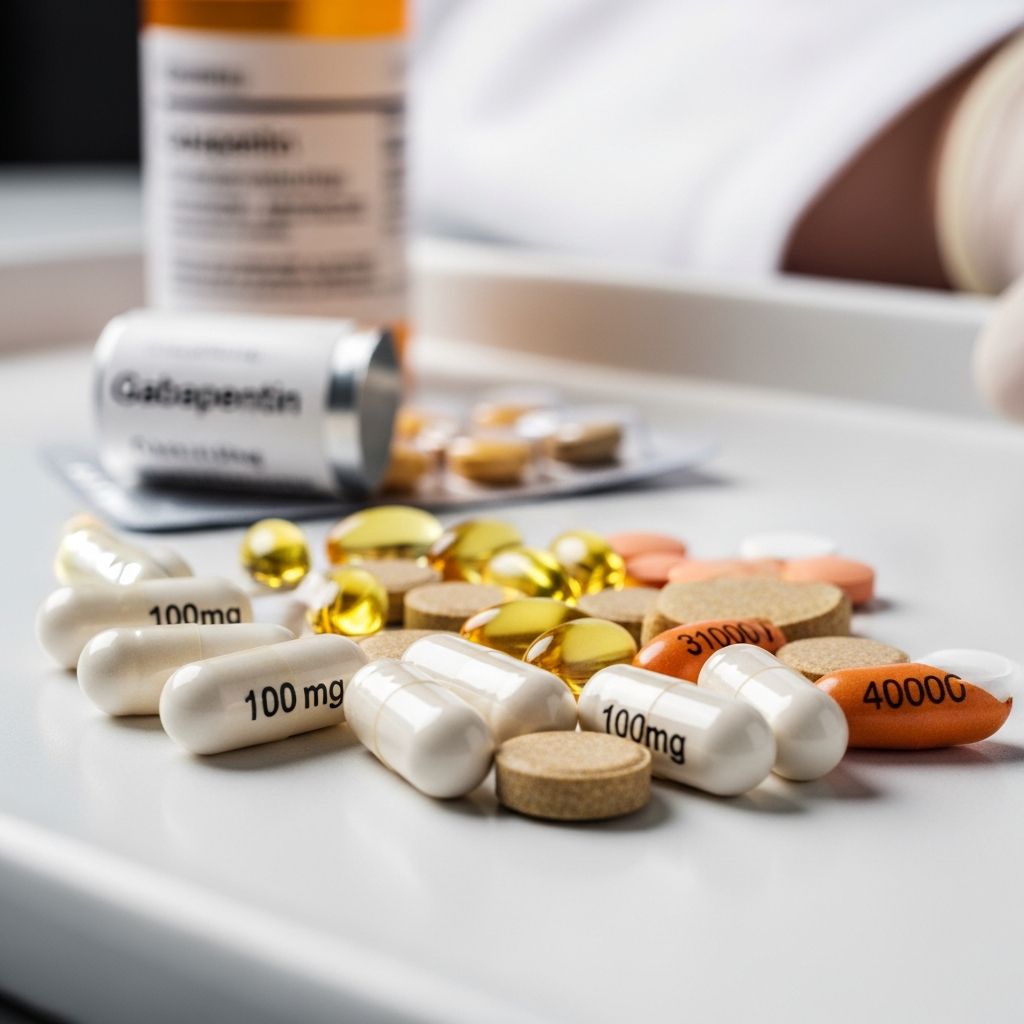
Gabapentin is available in multiple formulations to accommodate different patient needs and preferences. The medication comes as immediate-release capsules and tablets in various strengths, allowing for flexible dosing schedules. Extended-release tablet formulations are also available, which can be taken less frequently and may improve medication adherence. Additionally, oral solution formulations exist for patients who cannot swallow tablets or capsules, such as children or patients with swallowing difficulties. Generic versions of gabapentin are widely available, making the medication more affordable and accessible for many patients.
Typical Dosing Guidelines
For seizure control, gabapentin is typically initiated at lower doses and gradually increased to therapeutic levels. The usual starting dose is 300 mg once daily or divided into smaller doses throughout the day. The dose is then increased gradually based on patient response and tolerance, with maintenance doses typically ranging from 1,200 to 3,600 mg daily divided into three doses. For postherpetic neuralgia, similar titration schedules are used, with effective doses often ranging from 1,800 to 3,600 mg daily. For restless legs syndrome, lower doses may be effective, sometimes as low as 600 mg to 1,200 mg daily, typically taken in the evening. Individual patient factors, including age, weight, kidney function, and concomitant medications, may necessitate dose adjustments from these general guidelines.
Important Administration Instructions
Patients should take gabapentin by mouth with a glass of water, exactly as prescribed by their healthcare provider. It is crucial not to suddenly stop taking gabapentin, as abrupt discontinuation can cause severe withdrawal reactions. If a healthcare provider determines that gabapentin should be discontinued, the dose must be slowly lowered over time to prevent adverse effects. Patients should visit their care team regularly to monitor progress and report any concerning symptoms. If symptoms do not improve or worsen despite treatment, patients should inform their healthcare provider promptly.
Potential Side Effects and Adverse Reactions
While gabapentin is generally considered a safe medication with a favorable side effect profile compared to many alternatives, it can cause adverse effects in some patients. Understanding these potential side effects helps patients recognize warning signs and communicate effectively with their healthcare providers.
Common Side Effects
The most frequently reported side effects include dizziness, drowsiness, and lack of coordination. Patients may also experience fatigue, blurred vision, tremors, or difficulty concentrating. These effects are often mild and tend to diminish as the body adjusts to the medication. Gastrointestinal side effects such as nausea, vomiting, or constipation can occur but are generally manageable. Weight gain has been reported in some patients taking gabapentin, though the mechanism is not entirely clear.
Serious Side Effects and Mental Health Concerns
A significant warning associated with gabapentin involves the potential for new or worsening depression and increased risk of suicidal thoughts and actions. This risk exists in a small percentage of patients and can occur while taking the medication or even after stopping it. Patients taking gabapentin should be monitored closely for changes in mood or behavior, unusual thoughts, or expressions of self-harm. Any such changes should be reported to a healthcare provider immediately. Respiratory depression, including slow or shallow breathing, may occur, particularly when gabapentin is combined with other central nervous system depressants. Patients experiencing difficulty breathing, severe drowsiness, or confusion should seek emergency care.
Rare but Serious Adverse Events
In rare cases, gabapentin may cause more serious complications including angioedema (severe allergic swelling), severe rash, or other hypersensitivity reactions. Some patients may experience nystagmus (involuntary eye movements), cardiovascular changes such as bradycardia or tachycardia, or other serious neurological effects. Clinical experience in specialized populations, such as neonates in intensive care settings, has shown that gabapentin is generally well-tolerated with a low incidence of adverse reactions, though careful monitoring remains essential.
Drug Interactions and Precautions
Gabapentin’s safety profile is enhanced by its minimal drug-drug interactions, as it does not undergo hepatic metabolism and does not undergo autoinduction. However, important interactions and precautions still exist that patients should understand.
Interactions with Central Nervous System Depressants
One of the most critical warnings involves combining gabapentin with other medications that depress the central nervous system. These include opioid medications, benzodiazepines, muscle relaxants, sleep medications, and alcohol. When gabapentin is taken with these substances, the combined depressant effects can cause excessive drowsiness, difficulty breathing, dizziness, confusion, and in severe cases, coma or death. Patients must inform their healthcare provider about all medications, vitamins, and supplements they take before starting gabapentin. Healthcare providers can then assess whether the benefits of combined therapy outweigh the risks or whether alternative approaches might be safer.
Kidney Function Considerations
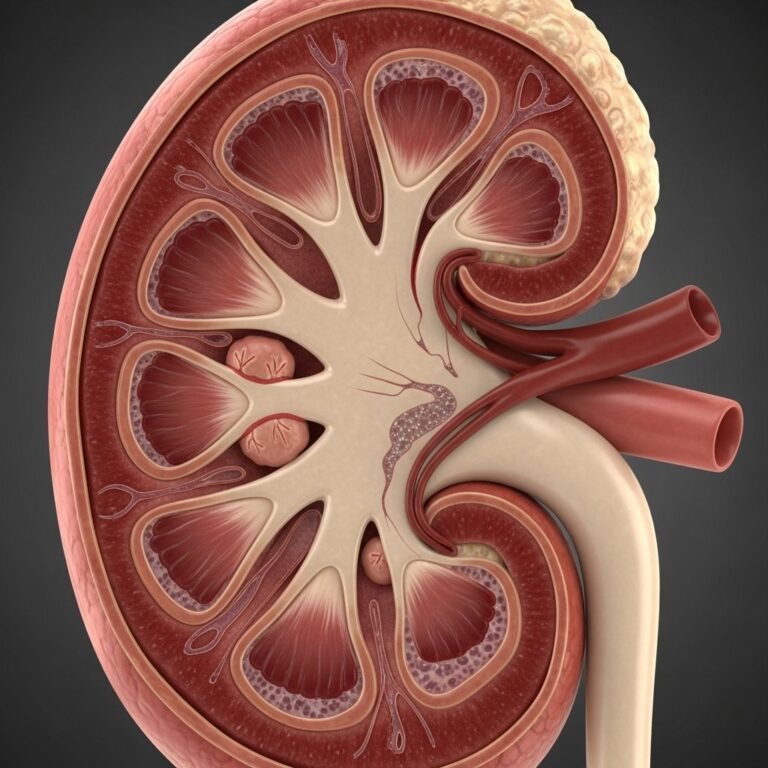
Gabapentin is primarily eliminated through the kidneys without being metabolized by the liver. This means patients with impaired kidney function may accumulate the medication in their bodies, potentially leading to toxicity. Healthcare providers often reduce gabapentin doses in patients with moderate to severe renal impairment. Patients with chronic kidney disease, on dialysis, or with other renal conditions should ensure their healthcare provider is aware of their kidney function status before starting gabapentin.
Other Important Precautions
Patients should discuss their complete medical history with their healthcare provider before taking gabapentin, including any history of substance abuse, psychiatric conditions, breathing problems, or allergic reactions to medications. Pregnant patients or those planning pregnancy should discuss gabapentin use with their healthcare provider, as the safety in pregnancy requires careful consideration. The medication can impair cognitive and motor function, so patients should avoid driving or operating machinery until they understand how gabapentin affects them personally.
Available Formulations and Brands
Gabapentin is available in both branded and generic forms, providing patients with options regarding cost and availability. The most common branded version is Neurontin, though numerous generic formulations are available from various manufacturers. Both immediate-release and extended-release formulations exist, allowing healthcare providers to select the most appropriate option for individual patients. Extended-release formulations may offer advantages in terms of dosing frequency and medication adherence, particularly for patients requiring multiple daily doses of immediate-release preparations.
Monitoring and Patient Counseling
Successful gabapentin therapy requires ongoing communication between patients and their healthcare providers. Regular follow-up appointments allow healthcare providers to assess treatment effectiveness, monitor for side effects, and adjust doses if necessary. Patients should keep all scheduled appointments and promptly report any concerning symptoms, including mood changes, unusual thoughts, respiratory difficulties, or lack of improvement in their condition. Keeping a medication diary can help patients and their healthcare providers track response to therapy and identify any patterns related to side effects or symptom improvement.
Frequently Asked Questions
Q: How long does gabapentin take to work?
A: The onset of action varies depending on the condition being treated. For seizure prevention, therapeutic effects may develop over several weeks of therapy. For pain conditions like postherpetic neuralgia, some patients notice improvement within days to weeks, while others may require several weeks to experience significant relief. Patience and consistent dosing are important for optimal results.
Q: Can gabapentin be taken with food?
A: Yes, gabapentin can be taken with or without food. Taking it with food does not significantly affect its absorption. Some patients find that taking it with food helps reduce nausea if that is an issue for them.
Q: Is gabapentin addictive?
A: Gabapentin is not considered addictive in the traditional sense, as it does not produce the euphoric effects associated with opioids or benzodiazepines. However, some individuals may experience dependence, particularly if they take higher doses or use it off-label for anxiety or other conditions. Abrupt discontinuation can cause withdrawal symptoms, which is why doses should be gradually reduced under medical supervision.
Q: What should I do if I miss a dose?
A: Take the missed dose as soon as you remember, unless it is almost time for your next dose. In that case, skip the missed dose and continue with your regular dosing schedule. Never double up on doses to make up for a missed one.
Q: Can I drink alcohol while taking gabapentin?
A: No, alcohol should be avoided while taking gabapentin. The combination of alcohol and gabapentin increases the risk of severe drowsiness, dizziness, difficulty concentrating, and impaired judgment. This combination can also increase respiratory depression risk and other serious side effects.
Q: How should I store gabapentin?
A: Store gabapentin at room temperature away from moisture and heat. Keep it in its original container with the label intact. Do not store in the bathroom or other humid environments, as moisture can affect the medication’s stability.
Conclusion
Gabapentin is an effective anticonvulsant medication with FDA approval for treating partial seizures, postherpetic neuralgia, and moderate-to-severe restless legs syndrome. Its mechanism of action—calming overactive nerves in the central nervous system—makes it a valuable option for managing various neuropathic pain conditions and seizure disorders. While gabapentin generally offers a favorable safety profile with minimal drug-drug interactions compared to many alternatives, patients must be aware of potential side effects, particularly regarding mood and respiratory effects. Close collaboration between patients and healthcare providers, proper dosing and administration, awareness of drug interactions, and regular monitoring ensure that gabapentin can be used safely and effectively. For individuals struggling with nerve pain, seizures, or restless legs syndrome, gabapentin may offer significant relief and improved quality of life when used appropriately under medical supervision.
References
- Gabapentin: Uses, Side Effects, Dosages, Interactions & More — Cleveland Clinic. 2024. https://my.clevelandclinic.org/health/drugs/21561-gabapentin
- The Use of Gabapentin for Pain and Agitation in Neonates and Infants — National Center for Biotechnology Information (NCBI). 2017. https://pmc.ncbi.nlm.nih.gov/articles/PMC5473394/
- Gabapentin Extended-Release Tablets — Cleveland Clinic. 2024. https://my.clevelandclinic.org/health/drugs/18653-gabapentin-extended-release-tablets
- Gabapentin for alcohol use disorder: A good option, or cause for concern? — Cleveland Clinic Journal of Medicine. 2018. https://www.ccjm.org/content/86/12/815.abstract
- Panel discussions: Gabapentin Clinical Applications — Cleveland Clinic Journal of Medicine. 1998. https://www.ccjm.org/content/ccjom/65/10_suppl_1/SI-45.full.pdf
- An Off-Label Guide to Gabapentin — The Carlat Report. 2023. https://www.thecarlatreport.com/articles/3628-an-off-label-guide-to-gabapentin
Similar Articles








Read full bio of Sneha Tete