Galangal Benefits: 5 Science-Backed Health Uses
Discover the powerful health benefits of galangal, from reducing inflammation and boosting digestion to fighting infections and supporting overall wellness.
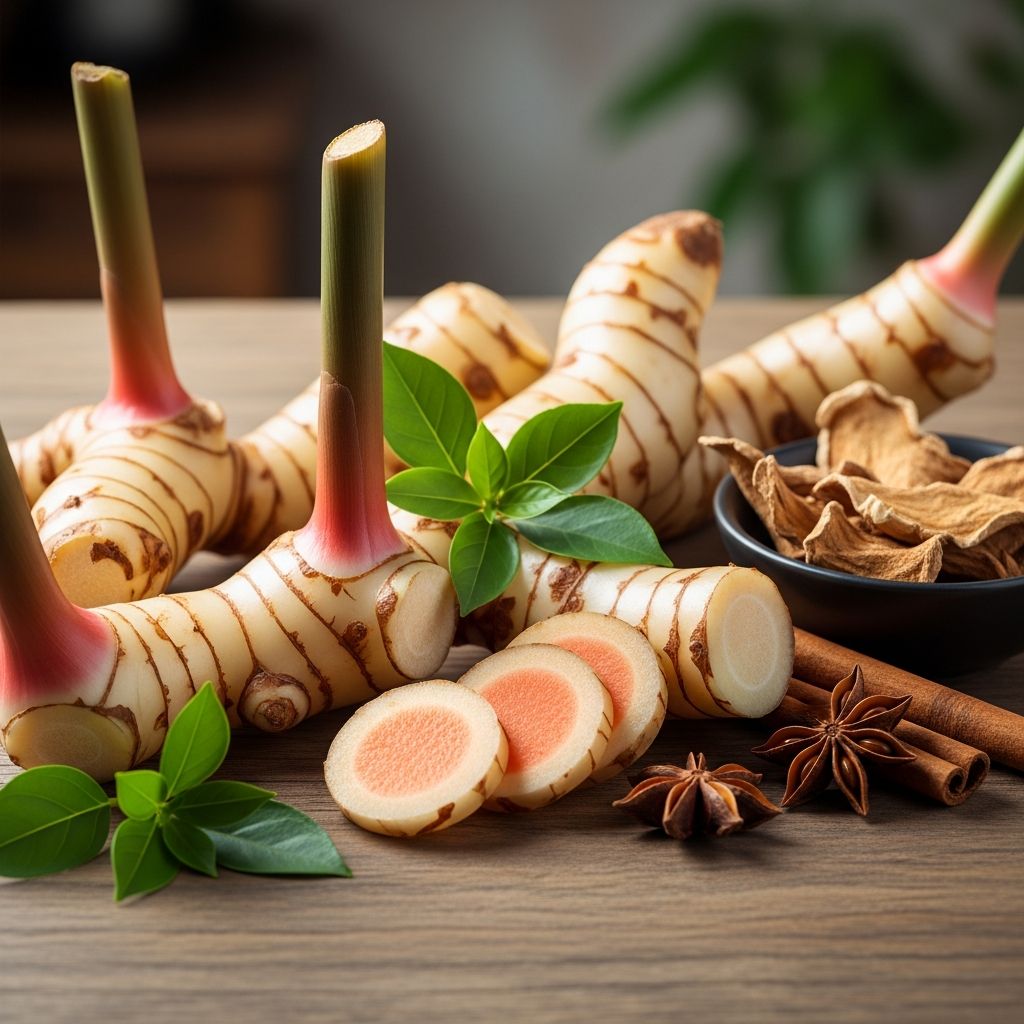
Galangal, a rhizome closely related to ginger and turmeric from the Zingiberaceae family, has been used for centuries in traditional Asian medicine to treat digestive issues, inflammation, infections, and more. Native to Southeast Asia, it’s known for its sharp, citrusy flavor and bioactive compounds like polyphenols and essential oils that deliver antioxidant, anti-inflammatory, and antimicrobial effects.
What Is Galangal?
Galangal (*Alpinia galanga*) is a perennial plant with aromatic roots used fresh, dried, powdered, or as an extract in cuisines and remedies across China, Indonesia, Malaysia, and Thailand. Unlike milder ginger, galangal has a firmer texture and piney-lemon taste, making it ideal for soups, curries, and teas. In traditional Chinese medicine, it’s applied for colds, coughs, rheumatism, and hypertension. Modern research highlights its rich phytochemical profile, including galangin, which supports health by scavenging free radicals and modulating inflammation.
5 Science-Backed Galangal Benefits
Emerging studies affirm galangal’s therapeutic potential, though human trials are limited. Here’s a breakdown of key benefits supported by research:
1. Packed With Antioxidants
Galangal is rich in
polyphenols
and other antioxidants that neutralize free radicals, protecting cells from oxidative stress linked to cancer, diabetes, and heart disease. Test-tube studies show it outperforms some fruits in antioxidant capacity, with compounds like flavonoids reducing LDL cholesterol and supporting brain health. Animal models indicate neuroprotection against decline, similar to ginger and turmeric.2. May Reduce Inflammation
Galangal contains
HMP
(1′-acetoxychavicol acetate), a potent anti-inflammatory phytochemical that downregulates cytokines like IL-6 and NF-kB pathways. Studies demonstrate it alleviates arthritis, muscle pain, and gut inflammation, with clinical trials showing reduced gastric irritation and indigestion symptoms. It’s used traditionally for rheumatism and respiratory issues like bronchitis.3. Fights Bacteria and Fungi
Essential oils in galangal exhibit broad-spectrum antimicrobial activity against *H. pylori* (linked to ulcers), *E. coli*, *Salmonella*, *Staphylococcus*, and fungi. This makes it a natural preservative for foods and a potential alternative to antibiotics, boosting immunity and preventing infections like vibriosis from shellfish. Research confirms its gastroprotective effects.
4. Supports Digestion
Galangal stimulates digestive enzymes, improves gut motility, and relieves nausea, bloating, dyspepsia, and enteritis. It enhances autophagy for gut lining repair and balances microbiota, reducing inflammation cycles. Clinical evidence supports its use for stomach pains and ulcers. Compared to bone broth, galangal broth heals the gut faster in 30-60 minutes.
5. Other Potential Benefits
- Respiratory Health: Mild expectorant for coughs, colds, asthma.
- Cancer-Fighting: In vitro studies show apoptosis induction in cancer cells.
- Metabolic Support: Antihyperlipidemic, antiobesity, blood sugar regulation.
- Autophagy Booster: Clears damaged cells for anti-aging and gut repair.
Galangal vs. Ginger: What’s the Difference?
Both roots aid digestion and inflammation but differ in profile:
Related Stories



| Aspect | Galangal | Ginger |
|---|---|---|
| Flavor | Piney, citrusy, sharp | Warm, spicy, sweet |
| Texture | Firm, hard to peel | Soft, easy to grate |
| Key Compounds | Galangin, HMP, essential oils | Gingerol, shogaol |
| Primary Uses | Infections, gut repair, antimicrobials | Nausea, motion sickness |
| Antioxidant Strength | High polyphenols | High gingerols |
Galangal excels in antimicrobial action, while ginger is milder for daily nausea relief.
How to Use Galangal
Incorporate galangal for flavor and health:
- Culinary: Slice fresh into curries, soups (e.g., Tom Yum), stir-fries; use powder in teas or rubs.
- Broth: Simmer 1-2 inches root for 30-60 min for anti-inflammatory gut tonic.
- Tea: Boil slices with ginger for digestion.
- Supplements: Extracts for targeted benefits; start low.
Find fresh at Asian markets; dried/ground online.
Galangal Side Effects and Precautions
Generally safe in food amounts, but:
- High doses may cause GI upset.
- Avoid in pregnancy (limited data); consult doctor if gallstones or blood thinners.
- Allergies rare but possible in Zingiberaceae family.
More human studies needed for long-term safety.
Frequently Asked Questions (FAQs)
Is galangal the same as ginger?
No, galangal is firmer with a citrus-pine flavor; both share anti-inflammatory benefits but galangal is stronger against infections.
Can galangal help with inflammation?
Yes, compounds like HMP reduce cytokines and pain in studies.
How do you cook with galangal?
Slice thin for soups/curries; bruise for broths. Remove before serving if tough.
Does galangal boost immunity?
Its antimicrobial properties fight pathogens, acting as an immune supporter.
Is galangal good for digestion?
Absolutely; it relieves nausea, improves motility, and heals gut lining.
References
- The (Vegan!) Anti-Inflammatory, Age-Reversing Food You Should… — mindbodygreen.com. 2023. https://www.mindbodygreen.com/articles/how-galangal-broth-can-help-fight-inflammation-heal-gut-reverse-aging-and-more
- Galangal – Dr. Christopher Hobbs, Ph.D. — christopherhobbs.com. Accessed 2026. https://christopherhobbs.com/herbal-therapeutics-database/herb/galangal/
- Chemical composition, antimicrobial properties, and antioxidant… — SciELO Brazil (scielo.br). 2020. https://www.scielo.br/j/cta/a/FDgKfdgRTkCw4F8DZMRG5zw/
- Galangal Root: Benefits, Uses, and Side Effects — Healthline. 2023. https://www.healthline.com/nutrition/galangal-root
- Galangal, Ginger and Turmeric: Benefits of Healing Roots — mrstoddystonic.com. Accessed 2026. https://mrstoddystonic.com/blogs/news/galangal-ginger-and-turmeric-the-holy-trinity-of-healing-roots
- Kaempferia galanga L.: Progresses in Phytochemistry… — PMC (pmc.ncbi.nlm.nih.gov). 2021-10-18. https://pmc.ncbi.nlm.nih.gov/articles/PMC8560697/
Similar Articles








Read full bio of medha deb