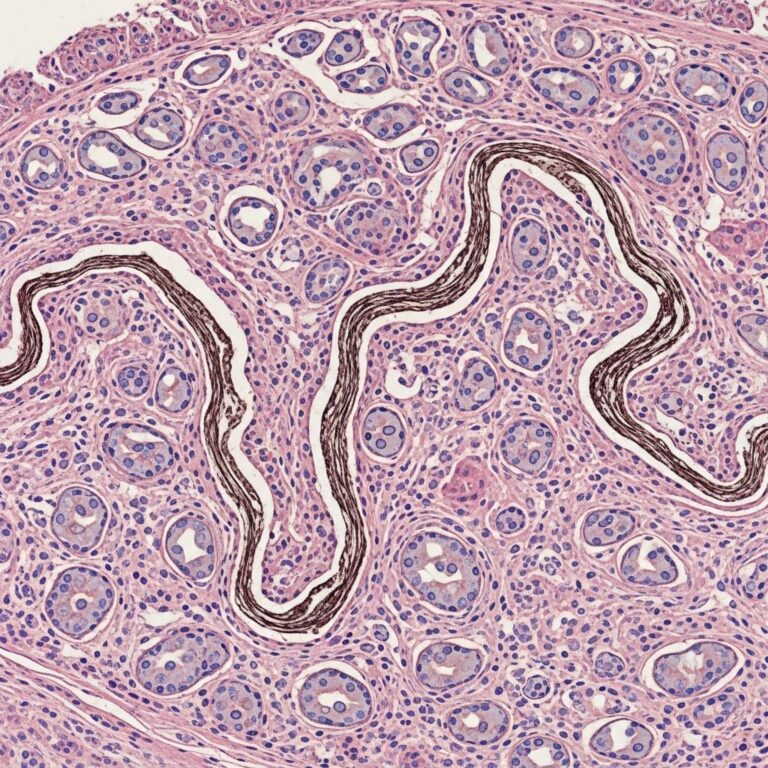
Gallbladder: Anatomy, Function & Role in Digestion
Discover the gallbladder's essential role in digestion and how this small organ stores and releases bile.
Understanding the Gallbladder: A Vital Organ for Digestion
The gallbladder is a small but remarkably important organ that plays a crucial role in your digestive system. Despite its modest size and humble appearance, this pear-shaped structure tucked beneath your liver is essential for processing the foods you eat, particularly fatty foods. Understanding what your gallbladder does and how it functions can help you appreciate the complexity of your body’s digestive processes and recognize when something might be going wrong.
Gallbladder Anatomy and Location
Where Is Your Gallbladder Located?
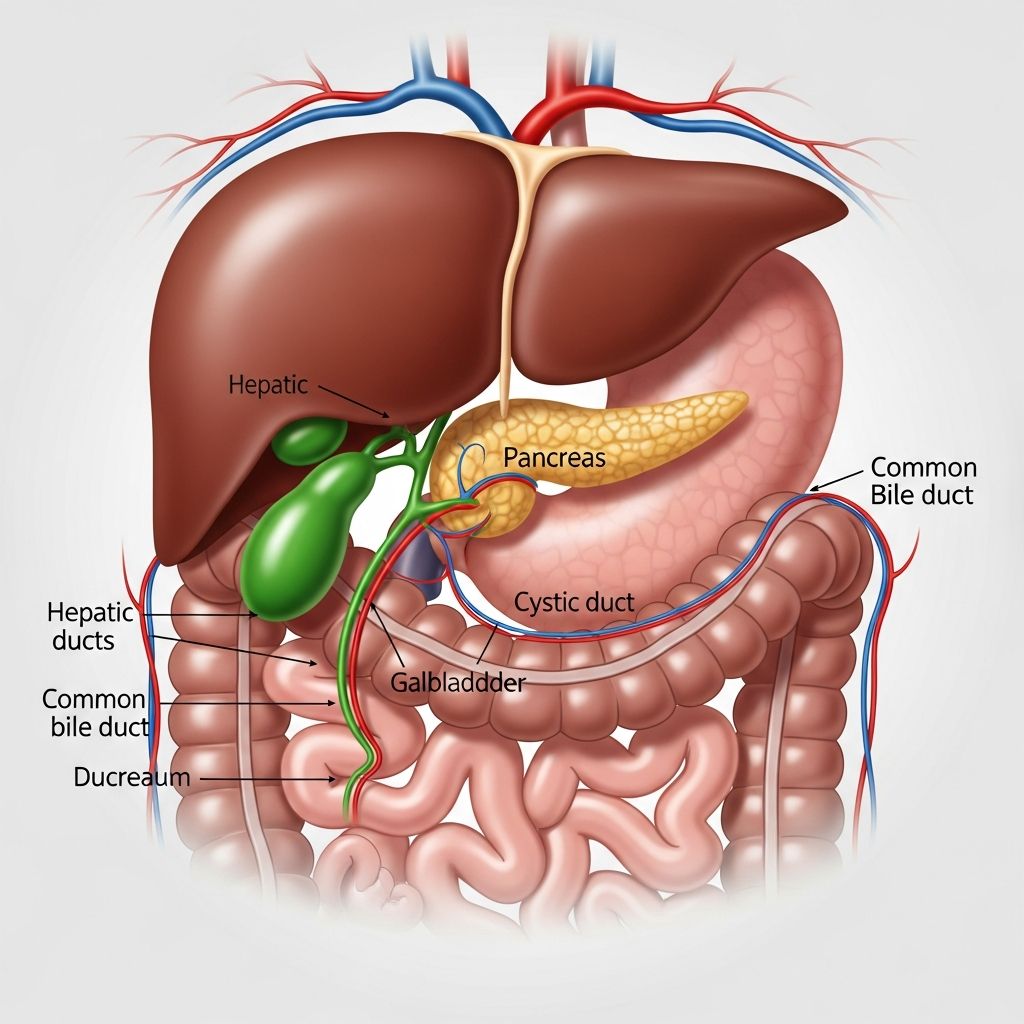
Your gallbladder is positioned in the upper right portion of your abdomen, nestled in a small hollowed-out area directly beneath your liver. This tucked-away location places it just under your right rib cage, which is why gallbladder pain is typically felt in the upper right quadrant of the abdomen. The organ’s protected position under the liver helps shield it from injury while allowing it to perform its essential digestive functions.
Size and Physical Characteristics
The gallbladder is a small organ, measuring approximately 2.7 to 3.9 inches in length and up to 2 inches across at its widest point. This hollow, pear-shaped structure contains a thin muscular wall that allows it to contract and release its contents when needed. Despite its small size, the gallbladder can hold approximately 1 to 2.7 fluid ounces of concentrated bile at any given time, making it an efficient storage facility for your body’s digestive needs.
Internal Structure and Components
The gallbladder consists of three main anatomical parts, each serving a specific purpose in bile storage and delivery:
- The Fundus: This is the rounded base of the gallbladder that faces toward the abdominal wall. It represents the widest part of the organ and serves as the primary storage chamber for bile.
- The Body: The middle section of the gallbladder lies in a depression on the liver’s surface. This area helps hold and concentrate the stored bile.
- The Neck: The narrower section that tapers down and connects to the cystic duct, which is instrumental in bile transport.
The Biliary System: Connecting Your Organs
Understanding the Duct Network
Your gallbladder is part of a sophisticated network of ducts known as the biliary system. The cystic duct connects your gallbladder to the common hepatic duct, which carries bile from your liver. These ducts join together to form the common bile duct, the main pathway through which bile travels to your small intestine. This network of channels is essential for the coordinated delivery of digestive fluids to where they’re needed most.
How Bile Travels Through Your System
The biliary system functions like an intricate highway system for bile distribution. About half of the bile produced by your liver flows directly into the common bile duct, while the other half enters your gallbladder for storage and concentration. When your small intestine signals that it needs bile to digest fats and proteins, your gallbladder contracts and releases its stored bile. This bile travels through the cystic duct into the common bile duct and finally into your small intestine, where it performs its critical digestive work.
Related Stories



What Your Gallbladder Does: Primary Functions
Storing Bile
The primary function of your gallbladder is to serve as a storage facility for bile, a yellowish-brown digestive fluid produced by your liver. Your liver continuously produces approximately 27 to 34 fluid ounces of bile daily. Between meals, when your digestive system doesn’t immediately need this bile, most of it flows into your gallbladder rather than directly into your small intestine. This storage function allows your body to have readily available bile whenever you eat fatty foods, enabling efficient digestion on demand.
Concentrating Bile
While your gallbladder stores bile, it also performs the important task of concentrating it. This concentration process involves removing water and electrolytes, particularly sodium and chloride ions, from the stored bile. Through this process, your gallbladder can concentrate bile to three to ten times its original strength, significantly enhancing its digestive capabilities. This concentrated bile is far more potent at breaking down fats than dilute bile would be, making your fat digestion more efficient and effective.
Releasing Bile During Digestion
When you consume fatty foods or foods containing proteins, specialized hormonal signals trigger your gallbladder to spring into action. The presence of fats in your small intestine causes the release of cholecystokinin (CCK), a hormone that signals your gallbladder to contract. In response to this signal, your gallbladder contracts rhythmically and releases its stored concentrated bile into the common bile duct. From there, the bile flows into the duodenum, the first part of your small intestine, where it immediately begins breaking down the fats you’ve consumed. This timely release is crucial because it coincides perfectly with the arrival of fatty food in your digestive tract.
The Role of Bile in Fat Digestion
What Is Bile?
Bile is a yellowish-green digestive fluid containing various salts, acids, and other compounds that work together to break down dietary fats. This sticky fluid is produced continuously by your liver and plays an indispensable role in your digestive process. Without adequate bile, your body would struggle to break down and absorb the fats present in the foods you eat, leading to digestive discomfort and nutritional deficiencies.
How Bile Breaks Down Fats
Bile accomplishes its fat-breaking mission through a process called emulsification. When bile enters your small intestine alongside fatty food, it works to break down large fat globules into much smaller droplets. This process dramatically increases the surface area available for digestive enzymes to work on the fats. By making fats more accessible to these enzymes, bile enables your intestines to absorb fats more efficiently, allowing your body to utilize these important nutrients for energy, hormone production, and cell function.
How Your Gallbladder Functions During and Between Meals
Between Meals: Storage Mode
When you’re not eating, your gallbladder enters storage mode. During this fasting state, bile continuously flows from your liver. Some bile goes directly to your small intestine through the common bile duct, while the majority accumulates in your gallbladder. As bile collects in your gallbladder, the organ concentrates it by removing water and electrolytes, storing increasingly potent bile for when it’s needed during your next meal.
During Meals: Active Digestion
When you consume food, particularly foods containing fats, your small intestine detects the presence of these nutrients. This detection triggers the release of CCK, which signals your gallbladder to contract. The muscular walls of your gallbladder squeeze its contents, forcing the stored concentrated bile into the common bile duct. This coordinated action ensures that bile reaches your small intestine at precisely the right moment to aid in fat digestion. After your meal is fully digested and absorbed, your gallbladder relaxes and resumes its storage function.
Common Gallbladder Problems and Conditions
Gallstones
Gallstones are solid deposits that form within your gallbladder when bile components crystallize. These stones can range from tiny grains to large pebbles and may cause no symptoms at all or lead to significant pain and complications. When a gallstone blocks the cystic duct or common bile duct, it can prevent bile from flowing normally, causing inflammation, infection, and severe pain.
Cholecystitis (Gallbladder Inflammation)
Cholecystitis refers to inflammation in your gallbladder, typically caused by gallstones obstructing the bile ducts or by infection. This condition can develop acutely with sudden severe pain or chronically over time. Chronic cholecystitis can cause scar tissue formation within the gallbladder, reducing its ability to contract effectively and disrupting normal bile flow.
Biliary Dysfunction
Sometimes your gallbladder doesn’t contract properly in response to CCK, even without gallstones present. This condition, known as biliary dyskinesia, can prevent adequate bile release and lead to digestive discomfort and pain similar to that caused by gallstones.
Living Without a Gallbladder
Gallbladder Removal Surgery
When gallbladder problems become severe or cause repeated complications, surgical removal (cholecystectomy) may be necessary. Fortunately, your body can function well without a gallbladder. Since the gallbladder is primarily a storage and concentration facility, your digestive system can adapt to its absence.
Post-Removal Adjustments
After gallbladder removal, surgeons redirect your bile ducts so that bile flows continuously from your liver directly into your small intestine rather than being stored. Your body typically takes a few weeks to several months to adapt to this change. During this adjustment period, you might experience temporary symptoms such as loose stools, urgency after meals, or mild digestive discomfort. Most people resume normal digestive function once their bodies adjust to the continuous bile flow.
Maintaining Gallbladder Health
Diet Considerations
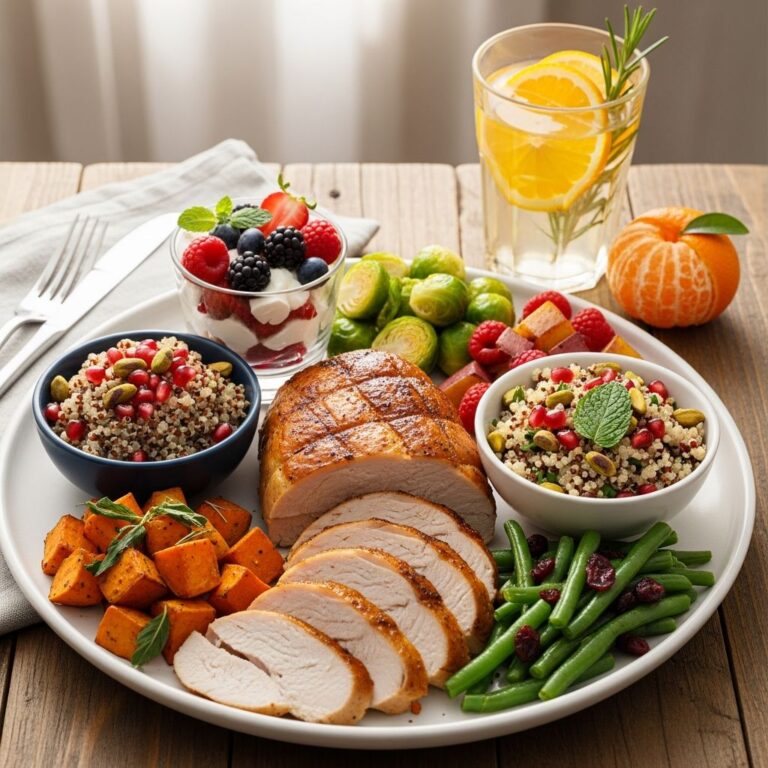
Consuming a diet high in fiber and low in saturated fats can help maintain gallbladder health. Staying hydrated, maintaining a healthy weight, and avoiding rapid weight loss are also important factors in preventing gallstone formation and other gallbladder problems.
When to Seek Medical Attention
You should consult a healthcare provider if you experience persistent pain in your upper right abdomen, nausea and vomiting accompanied by abdominal pain, yellowing of the skin or eyes, or fever combined with abdominal discomfort. Early diagnosis and treatment of gallbladder problems can prevent serious complications.
Frequently Asked Questions About the Gallbladder
Q: What is the gallbladder and why is it important?
A: The gallbladder is a small, pear-shaped organ beneath your liver that stores and concentrates bile produced by the liver. It’s important because it releases bile into your small intestine to help digest fats from the foods you eat. Without proper bile delivery, your body cannot efficiently process and absorb dietary fats.
Q: How much bile can the gallbladder hold?
A: Your gallbladder can hold approximately 1 to 2.7 fluid ounces of concentrated bile. This storage capacity is sufficient to handle the bile needed for multiple meals before your liver replenishes the supply.
Q: What causes gallbladder pain?
A: Gallbladder pain is typically caused by gallstones blocking the bile ducts, inflammation of the gallbladder, or infection. The pain usually occurs in the upper right abdomen under the rib cage and may radiate to the right shoulder blade. Episodes often occur after eating fatty foods.
Q: Can you live without a gallbladder?
A: Yes, you can live normally without a gallbladder. After removal, bile flows continuously from your liver to your small intestine instead of being stored. Most people adapt within a few weeks to months and maintain normal digestive function.
Q: How long does it take to recover from gallbladder removal surgery?
A: Recovery times vary depending on the type of surgery. Laparoscopic cholecystectomy typically involves a shorter recovery period of one to two weeks, while open surgery may require four to six weeks of recovery time.
Q: What should I eat to maintain gallbladder health?
A: A diet high in fiber, low in saturated fats, and rich in fruits and vegetables supports gallbladder health. Staying hydrated and maintaining a healthy weight are also important. Avoiding rapid weight loss and limiting cholesterol-rich foods can help prevent gallstone formation.
References
- Gallbladder Function: What It Does and Why It Matters — Ezra. 2025. https://ezra.com/blog/gallbladder-function
- What Are Bile Ducts? — Cleveland Clinic. 2025. https://my.clevelandclinic.org/health/body/24523-bile-duct
- What Is Bile: What It Is, Where It’s Made & What It Does — Cleveland Clinic. 2025. https://my.clevelandclinic.org/health/body/what-is-bile
- Gallbladder Disease: Symptoms, Treatment & What it Is — Cleveland Clinic. 2025. https://my.clevelandclinic.org/health/diseases/22976-gallbladder-disease
- Cholecystitis (Gallbladder Inflammation): Symptoms & Treatment — Cleveland Clinic. 2025. https://my.clevelandclinic.org/health/diseases/15265-gallbladder-swelling–inflammation-cholecystitis
- Biliary Tree (Tract): What It Is, Anatomy & Function — Cleveland Clinic. 2025. https://my.clevelandclinic.org/health/body/biliary-tract
Similar Articles








Read full bio of medha deb