Gallbladder Attack Symptoms: Signs, Causes, And Treatment
Recognize the warning signs of a gallbladder attack and learn when to seek immediate medical help for pain relief.
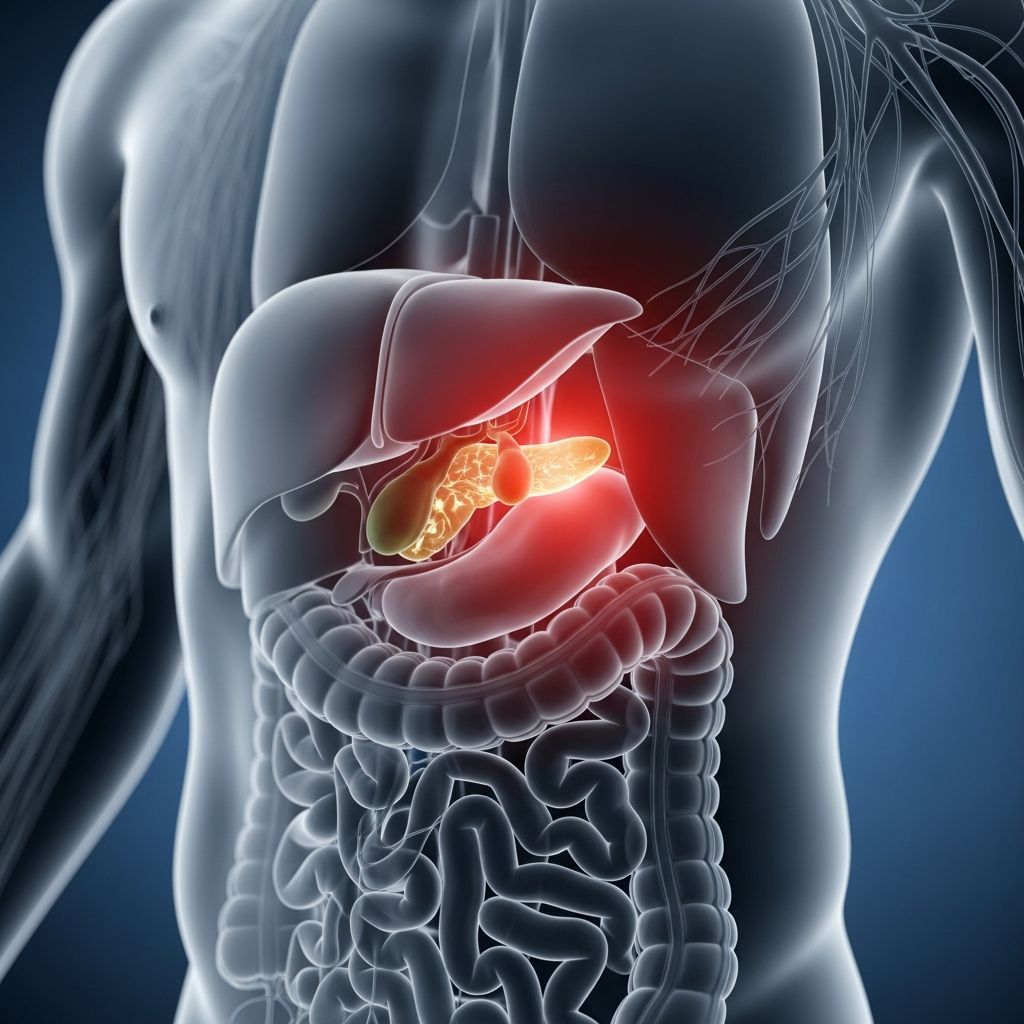
A gallbladder attack, medically termed biliary colic, occurs when gallstones block the cystic duct, causing intense pain and inflammation. Affecting millions annually, these episodes demand prompt recognition to prevent complications like acute cholecystitis or pancreatitis. This comprehensive guide details symptoms, causes, risk factors, diagnosis, treatment options, and prevention strategies, empowering you to act swiftly.
Symptoms of a Gallbladder Attack
Gallbladder attacks typically strike suddenly, often after fatty meals, lasting from minutes to hours. Pain is the hallmark symptom, but accompanying signs help differentiate it from other conditions.
Upper Abdominal Pain
The primary indicator is sharp, steady pain in the upper right or center abdomen, beneath the ribcage. It may radiate to the right shoulder or back, intensifying when lying down and easing when leaning forward. Pain peaks within 15-60 minutes and can persist 30 minutes to several hours.
- Pain severity: Often described as excruciating, rating 8-10 on pain scales.
- Triggers: Fatty foods like fried items, dairy, or red meat provoke attacks by stimulating gallbladder contraction against blocked ducts.
- Duration: Unlike heartburn, it doesn’t resolve with antacids and may recur frequently.
Nausea and Vomiting
Up to 70% of patients experience nausea, often progressing to vomiting. This results from pain signals and bile backup irritating the stomach.
Fever and Chills
Low-grade fever (100-102°F) with chills signals infection, indicating cholecystitis rather than simple colic. Temperatures above 102°F require emergency evaluation.
Jaundice
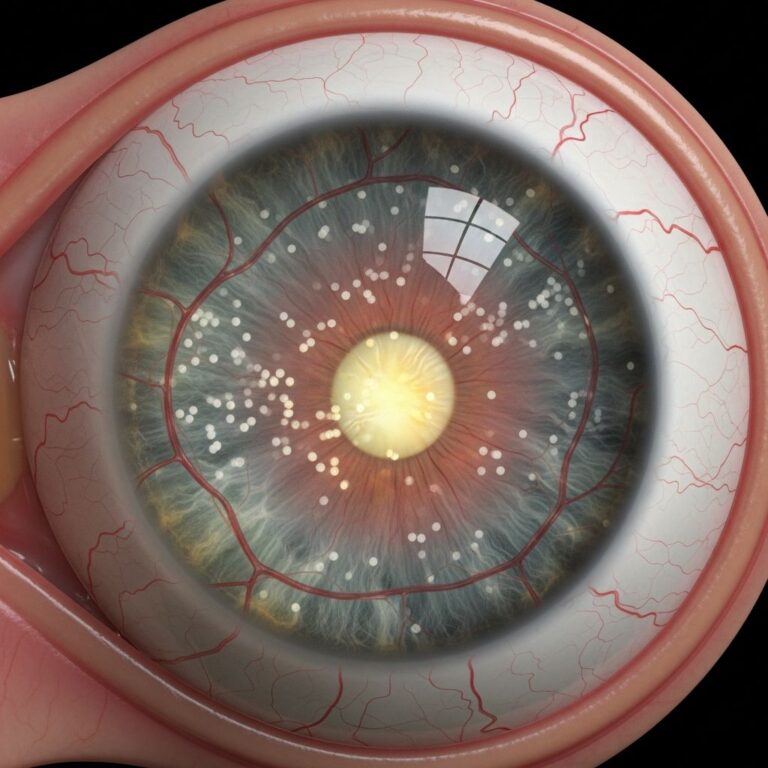
Yellowing of skin/eyes occurs if stones block the common bile duct, causing bilirubin buildup. Dark urine and pale stools accompany this.
Other Symptoms
- Indigestion, bloating, or gas post-meals.
- Heartburn or chest pain mimicking cardiac issues.
- Fat intolerance leading to diarrhea.
In chronic cases, attacks become more frequent and severe, risking gallbladder rupture or sepsis.
Causes of Gallbladder Attacks
Gallstones (cholelithiasis) cause 90-95% of attacks. These hardened bile deposits form when cholesterol exceeds solubility or bile salts decrease.
- Cholesterol Stones: Most common (80%), yellow-green, from excess liver cholesterol.
- Pigment Stones: Dark brown/black from bilirubin overproduction (e.g., cirrhosis, hemolytic anemia).
Stones lodge in the cystic duct, trapping bile and causing distension. Prolonged blockage leads to inflammation (cholecystitis), necrosis, or perforation.
Risk Factors
Certain demographics face higher risks. Women are twice as likely due to estrogen promoting cholesterol secretion.
| Risk Factor | Description | Relative Risk |
|---|---|---|
| The ‘4 Fs’ | Female, Forty, Fertile, Fat | 2-3x higher |
| Obesity | BMI >30; rapid weight loss worsens risk | 3x higher |
| Family History | Genetic predisposition to bile composition | 2x higher |
| Diabetes | Insulin resistance alters bile | 1.5-2x |
| Pregnancy/Hormonal Therapy | Estrogen spikes cholesterol saturation | 2x |
Other factors: Native American/Alaskan Native ethnicity, Crohn’s disease, prolonged fasting, and very low-fat diets.
When to See a Doctor
Seek immediate care if pain lasts >5 hours, worsens, or includes high fever (>102°F), persistent vomiting, jaundice, or confusion. These signal complications like ascending cholangitis or perforation.
Related Stories



- ER Indicators: Severe pain unrelieved by OTC meds, tachycardia, hypotension.
- Primary Care: Recurrent mild episodes for ultrasound evaluation.
Diagnosis
Diagnosis combines history, exam, labs, and imaging. Abdominal ultrasound detects stones with 95% sensitivity.
- Lab Tests: Elevated WBC (infection), bilirubin/alkaline phosphatase (duct obstruction), amylase/lipase (pancreatitis).
- Imaging:
- Ultrasound: First-line, visualizes stones, wall thickening.
- HIDA Scan: Assesses gallbladder function (ejection fraction <35% abnormal).
- CT/MRI: For complications.
- ERCP: Therapeutic for duct stones.
Treatment Options
Treatment ranges from conservative to surgical.
Conservative Management
For mild colic: NPO, IV fluids, pain control (morphine), antiemetics. Most resolve in 24-48 hours.
Medications
Ursodiol dissolves small cholesterol stones (6-24 months), but recurrence is 50% within 5 years.
Surgery: Cholecystectomy
Laparoscopic removal is gold standard (90% cases), outpatient with 1-2 tiny incisions. Open surgery for complications. Post-op diet: Low-fat initially.
Success rate: 95%; complications <1% (bile leak, infection).
Emergent Interventions
Cholecystostomy tube for high-risk patients; ERCP for choledocholithiasis.
Prevention Strategies
Lifestyle modifications reduce risk by 30-50%.
- Maintain healthy weight; lose 1-2 lbs/week max.
- High-fiber diet: Fruits, veggies, whole grains bind bile acids.
- Healthy fats: Olive oil, fish over saturated fats.
- Regular exercise: 150 min/week improves bile flow.
- Hydration: 8-10 glasses water daily.
Medications like ursodiol for high-risk patients.
Frequently Asked Questions (FAQs)
What does gallbladder attack pain feel like?
It feels like intense, constant pressure or stabbing in the upper right abdomen, radiating to back/shoulder, worse after eating fats.
How long does a gallbladder attack last?
Typically 30 minutes to 6 hours; pain peaks early and gradually subsides unless complicated.
Can you have a gallbladder attack without gallstones?
Rarely; causes include biliary dyskinesia, tumors, or sludge. Ultrasound confirms.
Is a gallbladder attack life-threatening?
Usually not, but untreated complications like perforation, sepsis, or pancreatitis can be fatal (mortality 1-5% in acute cholecystitis).
What foods trigger gallbladder attacks?
Fried foods, butter, cheese, ice cream, fatty meats, chocolate—high-fat items causing gallbladder contraction.
Can gallbladder attacks go away on their own?
Yes, 80% resolve spontaneously in hours, but recurrence risk is high without intervention.
Should I remove my gallbladder if I have one attack?
Not necessarily; elective after recurrent episodes. Surgery prevents future attacks effectively.
Complications to Watch For
Untreated attacks risk acute cholecystitis (25%), choledocholithiasis (10-15%), gallstone pancreatitis (2-5%), and gallbladder cancer (rare, 1%). Early surgery reduces these by 90%.
Monitor for worsening pain, high fever, or jaundice post-discharge.
References
- Cholecystitis and Cholelithiasis — National Institute of Diabetes and Digestive and Kidney Diseases (NIDDK). 2023-05-15. https://www.niddk.nih.gov/health-information/digestive-diseases/gallstones
- Acute Cholecystitis — American College of Gastroenterology. 2024-01-10. https://journals.lww.com/ajg/fulltext/2020/01000/acg_clinical_guideline__management_of_acute.9.aspx
- Gallstones (Cholelithiasis) — Mayo Clinic. 2025-03-22. https://www.mayoclinic.org/diseases-conditions/gallstones/symptoms-causes/syc-20354214
- Guidelines on the management of common bile duct stones — World Journal of Gastroenterology (via PubMed). 2023-11-07. https://pubmed.ncbi.nlm.nih.gov/38075561/
- Tokyo Guidelines 2018: diagnostic criteria and severity grading of acute cholecystitis — Journal of Hepato-Biliary-Pancreatic Sciences. 2022-12-15. https://doi.org/10.1002/jhbp.1043
Similar Articles








Read full bio of Sneha Tete