Gallbladder Diet: What to Eat, Avoid & 7-Day Meal Plan
Foods to eat and avoid for gallbladder health, including diet tips before and after surgery.
The gallbladder is a small organ that stores bile produced by the liver, releasing it to aid fat digestion in the small intestine. A gallbladder diet emphasizes nutrient-dense foods to support health and reduce risks like gallstones, while limiting processed and high-fat items that can exacerbate issues. This approach not only protects the gallbladder but promotes overall wellness, as supported by studies on dietary patterns.
What Is the Gallbladder and Why Does Diet Matter?
The gallbladder concentrates and stores bile, which emulsifies fats for absorption. Poor diet can lead to gallstones—hardened deposits of cholesterol or bilirubin—that cause pain, inflammation, or complications like cholecystitis. Diets high in saturated fats and sugars promote cholesterol supersaturation in bile, increasing stone formation risk. Conversely, fiber-rich, plant-based eating patterns improve bile quality, regulate contractions, and lower triglyceride levels. Research from a 2022 NIH study shows ‘healthy’ patterns with vegetables, fruits, fish, and nuts reduce gallstone odds by 67% (OR: 0.33).
Diet matters pre- and post-surgery (cholecystectomy). Before removal, it prevents attacks; after, it manages diarrhea from continuous bile flow.
Best Diets for Gallbladder Health
Certain eating patterns stand out for gallbladder protection:
- Mediterranean Diet: Emphasizes whole foods, fruits, vegetables, lean proteins, and healthy fats like olive oil; limits processed items and refined grains. A 2018 study linked it to lower symptomatic gallstone risk in men.
- DASH Diet: Focuses on whole foods, low sodium, fruits, veggies, and limits fatty meats; associated with reduced gallstone disease.
- Healthy Dietary Pattern: High in vegetable oils, veggies, fruits, fish, legumes, nuts; low in hydrogenated fats and salt. Iranian case-control study found highest adherence reduced gallstone risk significantly.
Vegetarian or plant-forward diets also help by boosting fiber, which speeds intestinal transit and binds cholesterol.
Foods to Eat on a Gallbladder Diet
Prioritize high-fiber, nutrient-rich foods to support digestion and prevent stones. Fiber shortens food transit time, reducing cholesterol absorption.
Vegetables, Fruits, and Whole Grains
These provide fiber, vitamins C and folate, which inhibit stone formation.
- Cruciferous veggies: Broccoli, cauliflower, Brussels sprouts.
- Berries: Blueberries, strawberries (high antioxidants).
- Citrus: Oranges, lemons (vitamin C reduces risk).
- Legumes: Beans, lentils, peas.
- Whole grains: Oats, quinoa, brown rice, whole wheat.
Aim for 25-30g fiber daily. Post-surgery, gradually increase to ease adjustment.
Healthy Fats
Monounsaturated and omega-3 fats improve bile quality and gallbladder emptying.
- Olive oil, avocados.
- Nuts: Almonds, walnuts, peanuts.
- Fatty fish: Salmon, mackerel, herring (omega-3s lower triglycerides).
Replace saturated fats; vegetable oils in ‘healthy’ patterns protect against stones.
Plant-Based Proteins
Lower cholesterol saturation vs. animal proteins.
- Tofu, tempeh, edamame.
- Beans, lentils, chickpeas.
- Nuts, seeds, seitan.
- Plant-based alternatives.
Vegetable protein inversely links to gallbladder disease.
Lean Proteins
Skinless poultry, low-fat dairy, eggs in moderation. Fish provides omega-3s.
Foods to Avoid or Limit
These promote gallstones by raising cholesterol in bile or impairing emptying.
- Fried and Fatty Foods: French fries, donuts (saturated/trans fats).
- Refined Sugars/Carbs: Sweets, sodas, white bread (fructose spikes triglycerides).
- Processed Meats: Bacon, sausages (in ‘unhealthy’ patterns increasing risk).
- Full-Fat Dairy: Cheese, butter.
- Fast Food/Ultra-Processed: High in unhealthy fats/sodium.
Related Stories



‘Unhealthy’ patterns with red meats, snacks, refined grains elevate gallstone odds. Limit to <10% calories from saturated fats.
Gallbladder Diet Before and After Surgery
Before Surgery (Gallstones/Cholecystitis)
Low-fat diet reduces attacks. Cut visible fat; choose skinless chicken, fish like salmon/tuna. Eat small, frequent meals to empty gallbladder regularly—avoid >16-hour fasts.
| Meal Timing | Benefits |
|---|---|
| 3-5 small meals/day | Promotes regular bile release, lowers stone risk |
| Avoid skipping meals | Prevents bile stasis |
After Cholecystectomy
No gallbladder means constant bile drip; high-fat meals cause diarrhea/bloating. Start low-fat, gradually add fiber.
- High-fiber: Whole fruits/veggies, brown rice to bind bile.
- Low-fat: Lean proteins, limit fried foods.
- Small meals help adaptation.
Most resume normal diets, but some need permanent low-fat adjustments.
Sample Gallbladder Diet Meal Plan
7-day plan emphasizes balance (1500-2000 calories, adjustable).
| Day | Breakfast | Lunch | Dinner | Snacks |
|---|---|---|---|---|
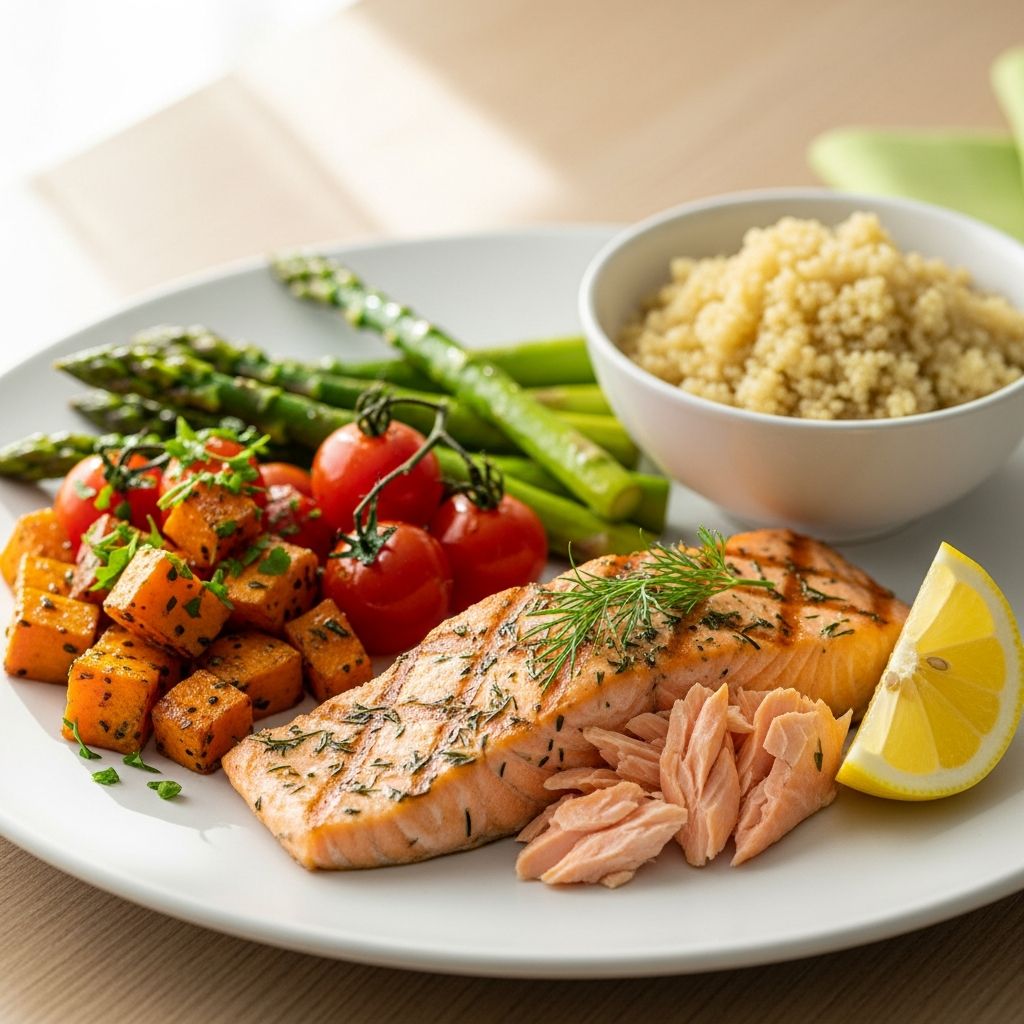
| Monday | Oatmeal w/berries, almonds | Grilled chicken salad w/olive oil | Baked salmon, quinoa, broccoli | Apple, yogurt |
| Tuesday | Smoothie: spinach, banana, tofu | Lentil soup, whole grain bread | Turkey stir-fry w/veggies | Carrots, hummus |
| Wednesday | Whole wheat toast, avocado | Bean salad w/citrus dressing | Grilled fish, brown rice, greens | Handful nuts |
| Thursday | Yogurt parfait w/fruits, chia | Quinoa bowl w/veggies | Vegetable stir-fry w/tofu | Orange |
| Friday | Oats w/apples, walnuts | Tuna salad (light mayo) | Chicken breast, sweet potato | Celery, peanut butter |
| Saturday | Berry smoothie bowl | Chickpea wrap | Baked cod, couscous, asparagus | Pear |
| Sunday | Egg whites, spinach omelet | Veggie soup, whole grain crackers | Lean pork, barley, Brussels sprouts | Yogurt, berries |
Hydrate with 8+ glasses water; herbal teas aid digestion.
Additional Tips for Gallbladder Health
- Portion Control: Smaller meals prevent overload.
- Exercise: 150 min/week moderate activity supports weight management, reducing risk.
- Weight Loss: Gradual (1-2 lbs/week); rapid loss increases stones.
- Hydration: Prevents bile concentration.
- Monitor Symptoms: Abdominal pain, nausea—consult doctor.
Frequently Asked Questions (FAQs)
What foods are good for gallbladder problems?
Focus on fiber-rich whole foods: vegetables, fruits, beans, whole grains, lean proteins like fish and plant sources.
What should you avoid eating with gallstones?
Avoid fried foods, fatty meats, refined sugars, processed items to prevent attacks.
Do you need a special diet after gallbladder removal?
Many don’t, but start low-fat, high-fiber to manage diarrhea; most adapt within weeks.
Can diet prevent gallstones?
Yes, healthy patterns with fruits, veggies, healthy fats reduce risk significantly.
Is coffee okay on a gallbladder diet?
Moderate coffee may lower risk; evidence mixed but generally fine.
References
- What to Eat and Avoid on a Gallbladder Diet — Healthline. 2023. https://www.healthline.com/health/gallbladder-diet
- Healthy Dietary Pattern Reduces Risk of Gallstones — National Institutes of Health (PMC). 2022-05-30. https://pmc.ncbi.nlm.nih.gov/articles/PMC9188884/
- Low-Fat Diet for Gallbladder Disease: Care Instructions — Kaiser Permanente. Accessed 2026. https://healthy.kaiserpermanente.org/health-wellness/health-encyclopedia/he.low-fat-diet-for-gallbladder-disease-care-instructions.uh4542
Similar Articles








Read full bio of medha deb