Gallbladder Disease: Causes, Symptoms, and Treatment
Comprehensive guide to understanding gallbladder disease, its symptoms, causes, and effective treatment options.
Understanding Gallbladder Disease
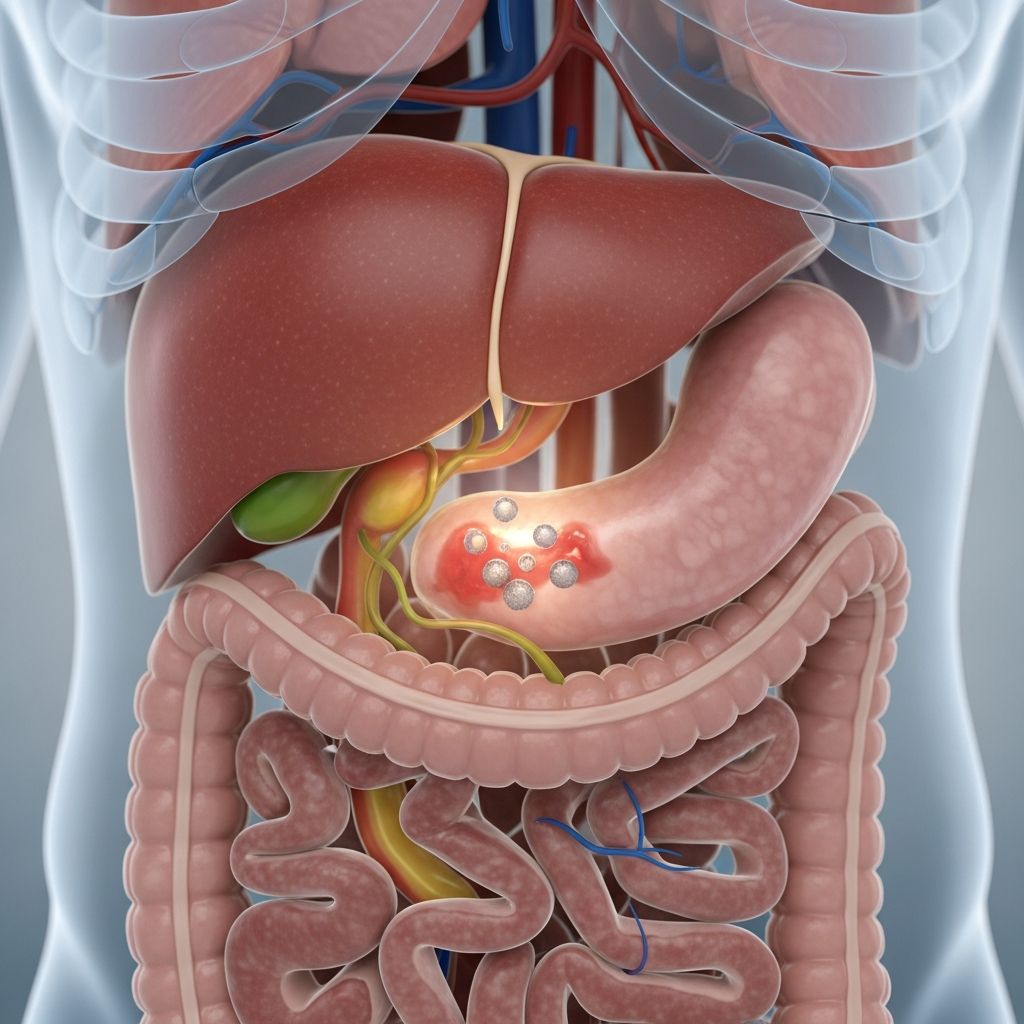
Gallbladder disease encompasses a range of conditions affecting the gallbladder, a small organ located beneath the liver in the upper right portion of the abdomen. The gallbladder plays a crucial role in digestion by storing bile, a digestive fluid produced by the liver that helps break down fats. When bile accumulates or becomes blocked, it can lead to various gallbladder conditions that require medical attention and management.
The most common form of gallbladder disease involves the formation of gallstones, which are hard deposits that can form within the gallbladder. These stones may be composed primarily of cholesterol or bilirubin, and their presence can range from asymptomatic to severely problematic, depending on their size, number, and location. Understanding the nature of gallbladder disease is essential for recognizing symptoms and seeking appropriate treatment.
What Are Gallstones?
Gallstones are crystalline structures that form in the gallbladder when bile components solidify. These stones can vary significantly in size, ranging from tiny grain-like particles to large stones several centimeters in diameter. Gallstones develop when there is an imbalance in the chemical composition of bile, typically involving excess cholesterol, bilirubin, or a combination of factors that prevent proper bile solubilization.
Research suggests that excess cholesterol and bilirubin in the bile contribute to gallstone formation, and improper gallbladder emptying is another significant factor. Not all gallstones cause problems; many people have gallstones without ever experiencing symptoms, a condition known as silent gallstones. However, when stones block the bile ducts or cause inflammation, they can trigger acute symptoms requiring immediate medical intervention.
Symptoms of Gallbladder Disease
Gallbladder disease presents with a variety of symptoms that depend on the severity and type of condition. Many individuals with gallstones experience no symptoms whatsoever and may never require treatment. However, when symptoms do develop, they can range from mild and intermittent to severe and persistent.
Acute Symptoms
Acute gallbladder disease typically presents with sudden, sharp pain in the upper right abdomen, often referred to as a gallbladder attack or biliary colic. This pain can be triggered by eating fatty foods and may be accompanied by additional symptoms:
- Sharp pain in the upper right portion of the abdomen that may radiate to the back or right shoulder
- Pain occurring after consuming fatty meals, with associated food intolerance
- Nausea and vomiting
- Loss of appetite
- Tenderness in the abdomen when touched
In cases of acute cholecystitis, or acute inflammation of the gallbladder, symptoms intensify and may include fever and chills. The pain becomes steadier and more severe, potentially necessitating emergency room care. As blocked bile accumulates in the bloodstream, jaundice may develop, causing yellowing of the skin and whites of the eyes, dark-colored urine, and pale-colored stools.
Chronic Symptoms
Chronic gallbladder disease presents with milder, more persistent symptoms that may develop gradually over time. These symptoms include digestive difficulties such as abdominal bloating and distension, chronic gas, nausea, and diarrhea after eating. Because these symptoms are vague and can indicate various gastrointestinal conditions, chronic cholecystitis often goes undiagnosed for extended periods, potentially leading to long-term organ damage.
Related Stories



Causes of Gallbladder Disease
While gallstones represent the most common cause of gallbladder disease, several other factors can contribute to gallbladder dysfunction. Understanding these causes is important for both prevention and proper medical management.
Primary Causes
The formation of gallstones, the leading cause of gallbladder disease, occurs through a multifactorial process. Medical professionals have identified that excess cholesterol and bilirubin in bile play significant roles, along with improper gallbladder emptying function. Bile stasis, or the slowing of bile movement, creates an environment conducive to stone formation.
Secondary Causes
Beyond gallstone formation, other conditions can lead to gallbladder disease. Acalculous gallbladder disease occurs when the gallbladder becomes inflamed without gallstones being present. This condition typically develops following an injury, illness, or surgical procedure, or as a consequence of autoimmune diseases such as lupus.
Biliary dyskinesia represents another relatively common cause of gallbladder dysfunction. In this condition, the gallbladder fails to contract and empty properly, leading to bile stasis and associated symptoms. Like acalculous gallbladder disease, biliary dyskinesia may occur without gallstone formation.
Infection can also cause gallbladder inflammation, with backed-up bile being the most common contributor to cholecystitis, though infection may occasionally be the primary cause. Additionally, biliary strictures, tumors, or dysfunction of the sphincter of Oddi can obstruct bile flow and precipitate gallbladder disease.
Complications of Gallbladder Disease
While many cases of gallbladder disease remain uncomplicated, serious complications can develop, particularly when diagnosis and treatment are delayed. Understanding these potential complications emphasizes the importance of timely medical intervention.
When a gallstone travels from the gallbladder into the bile ducts and reaches the opening of the pancreatic duct, it can create a blockage that backs up into the pancreatic duct. This obstruction can trigger pancreatitis, an inflammation of the pancreas that requires emergency treatment. Severe or long-lasting pancreatitis can cause permanent damage to pancreatic tissue and function.
Jaundice develops when blocked bile accumulates in the bloodstream, causing yellowing of the skin and eyes, itching, dark urine, and pale stools. Persistent obstruction, infection, or tumors can lead to acute inflammation that manifests as severe, steadily worsening pain potentially accompanied by fever, chills, and cardiovascular changes including accelerated heart rate or drops in blood pressure.
Diagnosis of Gallbladder Disease
Accurate diagnosis of gallbladder disease involves a combination of clinical evaluation and imaging studies. A healthcare provider typically begins by taking a detailed medical history and performing a physical examination to assess tenderness over the gallbladder area.
Imaging studies form the cornerstone of gallbladder disease diagnosis. Ultrasound examination provides clear images of the gallbladder, bile ducts, and liver, making it possible to visualize gallstones and detect inflammation or blockages. Computed tomography (CT) scans offer additional detailed imaging when ultrasound findings are inconclusive or when complications are suspected.
Laboratory tests may reveal elevated liver enzyme levels, elevated white blood cell counts indicating infection, or other abnormalities suggesting gallbladder dysfunction. In cases where gallstones are lodged in the bile duct, endoscopic retrograde cholangiopancreatography (ERCP) can be used both diagnostically and therapeutically to visualize and remove obstructing stones.
Treatment Approaches for Gallbladder Disease
Treatment strategies for gallbladder disease vary depending on symptom severity, frequency, and the presence of complications. Medical professionals typically consider three main approaches to management: expectant management, nonsurgical interventions, and surgical removal of the gallbladder.
Expectant Management
Many individuals with asymptomatic gallstones require no treatment. This “wait and see” approach is appropriate for patients who have never experienced symptoms or whose symptoms are minimal and infrequent. Regular monitoring and patient education about warning signs allow for timely intervention should symptoms develop.
Acute Gallbladder Attack Management
When acute symptoms develop, immediate treatment focuses on pain management and reducing inflammation. Initial management typically includes:
- Fasting to rest the gallbladder and prevent further contractions
- Intravenous fluid administration to maintain hydration
- Oxygen therapy when indicated
- Strong pain medications, with meperidine (Demerol) being commonly used; potent nonsteroidal anti-inflammatory drugs such as ketorolac may also provide significant relief
- Intravenous antibiotics for patients showing signs of infection, including fever or elevated white blood cell counts, or for those who do not improve within 12 to 24 hours of initial treatment
Medical Management
For patients who prefer to avoid surgery, ursodeoxycholic acid (ursodiol) can be prescribed to help prevent cholesterol stone formation and may provide lasting relief of gallstone attacks in some individuals. However, this medication is less effective than surgical intervention and works best for patients with small, uncomplicated gallstones.
Nonsurgical Stone Removal
Endoscopic retrograde cholangiopancreatography (ERCP) represents a minimally invasive procedure used to remove gallstones lodged in the bile duct. During ERCP, an endoscope is advanced through the mouth into the small intestine, allowing visualization of the bile duct opening. The physician can then manipulate or remove obstructing stones without requiring open surgical intervention.
Surgical Management
Cholecystectomy, surgical removal of the gallbladder, represents the definitive treatment for symptomatic gallbladder disease and is recommended for most patients with recurrent symptoms or complications. Modern surgical techniques employing laparoscopy allow for minimally invasive procedures with smaller incisions, reduced postoperative pain, shorter hospital stays, and faster recovery compared to traditional open surgery.
During laparoscopic cholecystectomy, the surgeon uses small incisions and a camera to visualize and remove the gallbladder. The bile ducts are carefully preserved, and in some cases where stones are present in the common bile duct, they are removed during the same procedure. Patients typically return to normal activities within two to four weeks following laparoscopic surgery.
It is important to understand that the human body does not require a gallbladder to function normally. After cholecystectomy, bile flows continuously from the liver into the intestines rather than being stored and released in concentrated form. Most patients experience significant symptom improvement following surgical removal and resume their normal dietary habits without restriction.
Risk Factors for Gallbladder Disease
Certain factors increase the likelihood of developing gallbladder disease and gallstone formation. Understanding these risk factors allows individuals to take preventive measures and seek timely medical evaluation if symptoms develop. Risk factors include obesity, rapid weight loss, high dietary fat intake, advanced age, female gender, family history of gallbladder disease, and certain metabolic conditions affecting bile composition.
Prevention and Lifestyle Modifications
While not all gallbladder disease can be prevented, certain lifestyle modifications may reduce the risk of gallstone formation and symptom development. Maintaining a healthy weight through regular physical activity and balanced nutrition supports optimal gallbladder function. Avoiding rapid weight loss, which can precipitate gallstone formation, is particularly important for individuals trying to lose weight. Limiting dietary fat intake, especially saturated fats, helps prevent bile composition changes that promote stone formation.
Living with Gallbladder Disease
For patients managing gallbladder disease, whether medically or post-surgically, dietary modifications and lifestyle adjustments can significantly improve quality of life. Many individuals benefit from keeping a food diary to identify specific trigger foods that precipitate symptoms. Generally, reducing fat intake, eating smaller, more frequent meals, and avoiding fried or greasy foods helps minimize symptom occurrence.
For post-surgical patients, dietary restrictions are usually temporary or minimal. Most individuals can resume their normal diet within a few weeks. Some people experience transient loose stools or mild digestive changes after gallbladder removal, but these typically resolve within weeks to months as the body adjusts to continuous bile flow.
When to Seek Medical Attention
Severe pain in the upper right abdomen warrants prompt medical evaluation. Symptoms that develop suddenly, persist despite self-care measures, or are accompanied by fever, severe vomiting, or yellowing of the skin indicate the need for emergency medical care. Even mild, intermittent symptoms should be discussed with a healthcare provider, as early diagnosis and intervention can prevent complications and long-term organ damage.
Frequently Asked Questions
Q: Can gallbladder disease be fatal?
A: While uncomplicated gallbladder disease is generally not life-threatening, serious complications such as acute pancreatitis, severe infection, or sepsis can be dangerous if not promptly treated. However, with modern medical care, most cases of gallbladder disease are successfully managed.
Q: Can gallstones dissolve on their own?
A: Most gallstones do not dissolve naturally. While medications like ursodiol may prevent new stone formation, existing stones typically require removal through surgery or ERCP if they cause problems.
Q: Is laparoscopic surgery safe for gallbladder removal?
A: Yes, laparoscopic cholecystectomy is a well-established, safe procedure with excellent outcomes. It offers advantages over open surgery including smaller incisions, reduced pain, shorter recovery time, and lower infection risk.
Q: Will I need a special diet after gallbladder removal?
A: Most patients can resume their normal diet within weeks after gallbladder removal. Some individuals may experience temporary loose stools, but dietary restrictions are usually unnecessary long-term.
Q: How long does recovery take after gallbladder surgery?
A: Laparoscopic cholecystectomy typically requires two to four weeks for return to normal activities, while open surgery may require six to eight weeks. Individual recovery times vary based on overall health and surgical complexity.
References
- Gallbladder Disease — Cleveland Clinic. 2024-06-15. https://my.clevelandclinic.org/health/diseases/22976-gallbladder-disease
- Gallstones — National Health Service (NHS). 2024-08-20. https://www.nhs.uk/conditions/gallstones/
- Gallbladder Disease: Symptoms & Causes — NewYork-Presbyterian. 2024-07-10. https://www.nyp.org/digestive/liver-diseases/gallbladder-disease
- Cholecystitis (Gallbladder Inflammation) — Healthdirect Australia. 2024-09-05. https://www.healthdirect.gov.au/cholecystitis-gallbladder-inflammation
- Gallbladder Disease — Atrium Health Wake Forest Baptist. 2024-08-12. https://www.wakehealth.edu/condition/g/gallbladder-disease
- Gallstones – Symptoms & Causes — Mayo Clinic. 2024-09-01. https://www.mayoclinic.org/diseases-conditions/gallstones/symptoms-causes/syc-20354214
Similar Articles








Read full bio of Sneha Tete