Gallbladder Removal Guide: What To Expect And Recovery Tips
Comprehensive insights into gallbladder surgery options, preparation, procedures, recovery, and long-term life without the organ.
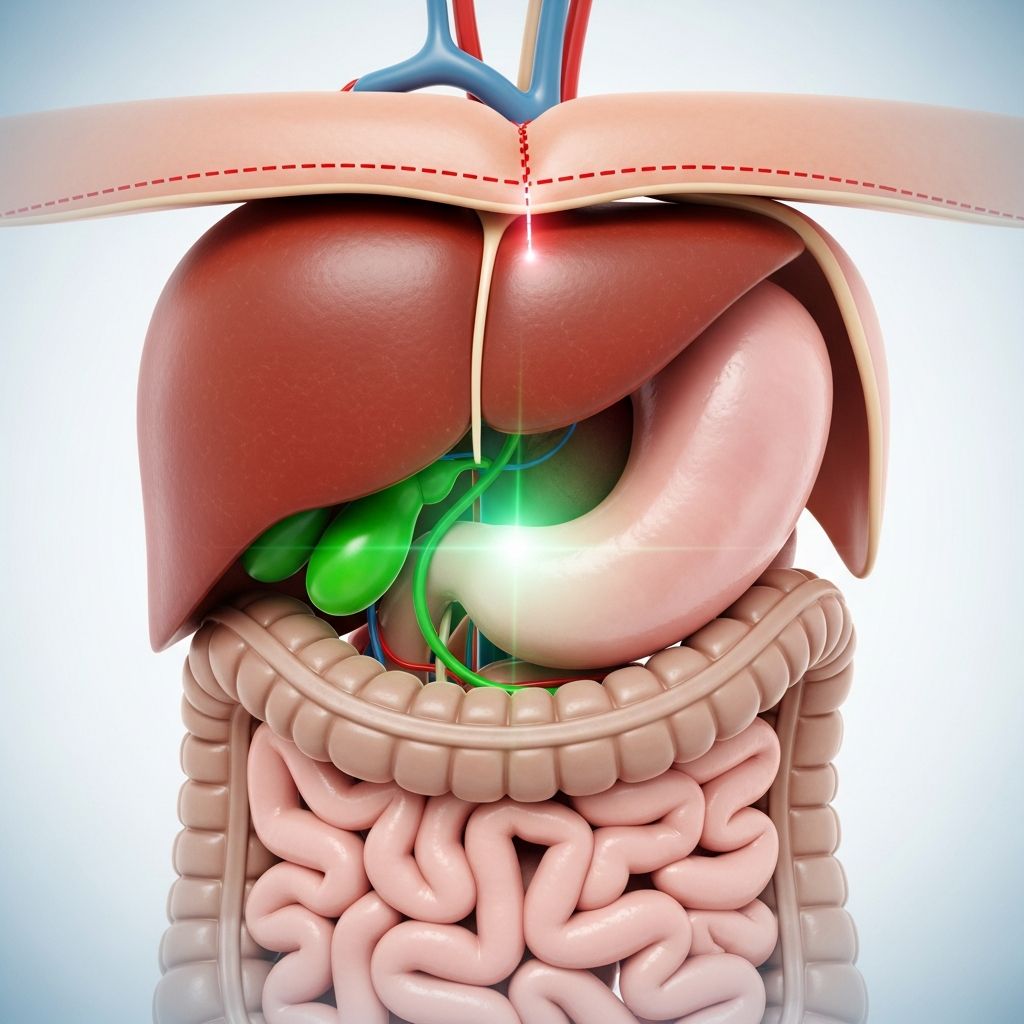
The gallbladder is a small organ under the liver that stores bile to aid digestion. When it causes problems like gallstones or inflammation, removal surgery, known as cholecystectomy, becomes necessary. This procedure is common, safe, and allows most people to live normally afterward.
Why the Gallbladder Needs Removal
Gallbladder issues often stem from gallstones, which are hardened deposits of digestive fluid that can block bile ducts, leading to intense pain, infection, or pancreatitis. Symptoms include sharp abdominal pain, nausea, vomiting, and jaundice. Chronic inflammation or polyps may also necessitate surgery to prevent complications like gallbladder cancer.
Doctors recommend removal when medications fail or emergencies arise. It’s not urgent for asymptomatic cases, but recurrent attacks warrant intervention. Risk factors include obesity, rapid weight loss, pregnancy, and family history.
Surgical Options for Gallbladder Extraction
Two main approaches exist: minimally invasive laparoscopic and traditional open surgery. Choice depends on patient health, gallbladder condition, and surgeon expertise.
Laparoscopic Cholecystectomy: The Preferred Method
This keyhole technique uses 3-4 small incisions (0.5-2.5 cm). A laparoscope with a camera guides the surgeon via a monitor. Carbon dioxide inflates the abdomen for visibility. Tools clip the cystic duct and artery, detach the gallbladder from the liver, and extract it through an incision. Procedure time: 1-2 hours. Benefits include less pain, minimal scarring, same-day discharge, and return to activities in 1 week.
- Small incisions reduce infection risk.
- Quick recovery: Resume light duties in days.
- High success rate: Over 90% of cases use this.
Not suitable if severe scarring or infection exists; surgeons may convert to open mid-procedure.
Open Cholecystectomy: When Needed
A 10-15 cm incision under the right ribs exposes the gallbladder. Surgeons separate it from surrounding tissues and remove it. Used for complicated cases like acute inflammation, adhesions from prior surgeries, or bleeding disorders. Hospital stay: 2-5 days; full recovery: 4-6 weeks.
| Aspect | Laparoscopic | Open |
|---|---|---|
| Incision Size | Small (keyhole) | Large (6 inches) |
| Hospital Stay | Same day or 1 night | 2-5 days |
| Recovery Time | 1 week | 4-6 weeks |
| Pain Level | Mild | Moderate to high |
| Complication Risk | Lower | Higher |
Preparing for Your Procedure
Pre-surgery evaluation includes blood tests, ultrasound, CT scans, or MRCP to check bile ducts. Discuss medications; stop blood thinners. Fast 8-12 hours pre-op. Arrange transport home. Mental preparation reduces anxiety—many find it straightforward.
- Medical history review for anesthesia safety.
- Imaging to detect stones in ducts.
- Quit smoking for better healing.
Step-by-Step: What Happens During Surgery
Under general anesthesia, you’re asleep. For laparoscopic: Incisions made, abdomen inflated, camera inserted, gallbladder detached and removed. Bile duct checked via X-ray if needed. Incisions closed with absorbable stitches or glue. Open follows similar detachment but via large cut.
Post-op, monitor vitals in recovery. Pain managed with meds.
Immediate Recovery After Surgery
Walk soon after to prevent clots. Diet starts liquid, progresses to low-fat. Drain if bile leaks. Home in hours (lap) or days (open). Manage pain, shoulder pain from gas common but fades.
Related Stories



- Day 1: Rest, hydrate, light walking.
- Week 1: No heavy lifting; shower after 48 hours.
- Follow-up: 1-2 weeks for stitch removal if open.
Long-Term Recovery and Lifestyle Adjustments
Most resume normal diet in weeks, but bile flows directly from liver, causing looser stools initially. Low-fat meals help: avoid fried foods, opt for grilled, veggies, fiber. Exercise gradually. 10% experience diarrhea long-term; meds available.
Drive after 1 week if off painkillers. Work: desk jobs 1 week, manual 4-6 weeks. Watch for fever, jaundice, severe pain—signs of issues.
Potential Risks and Complications
Low risk (2-5%): bleeding, infection, bile leak, injury to bile duct/liver/intestine. Rare: anesthesia issues. Conversion from lap to open: 5-10%. Long-term: post-cholecystectomy syndrome (persistent pain).
- Infection: Antibiotics prevent.
- Bile duct injury: 0.5%, may need repair.
- Clots: Early mobility counters.
Living Without a Gallbladder
Your body adapts; bile drips continuously, aiding fat digestion over time. Eat smaller, frequent meals. Weight management key—surgery doesn’t cause gain if habits good. Most symptom-free; some need bile acid binders.
Frequently Asked Questions
Will I gain weight after gallbladder removal?
Not directly; dietary changes matter. Focus on balanced eating.
Can I live normally without it?
Yes, millions do. Digestion adjusts.
How long until I drive?
1 week post-lap if no strong meds.
Is laparoscopic always possible?
90% yes; depends on case complexity.
What diet post-surgery?
Low-fat initially: lean proteins, fruits, whole grains.
Choosing the Right Surgeon and Hospital
Seek experienced laparoscopic specialists. High-volume centers have better outcomes. Ask success rates, complication stats. Second opinions wise.
References
- Understanding Gallbladder Surgery: Reasons, Types, and Recovery — Lane Regional Medical Center. 2023. https://www.lanermc.org/community/lane-health-blog/understanding-gallbladder-surgery-reasons-types-and-recovery
- 2 Types of Gallbladder Surgery: Which One is Right for You? — Desert West Surgery. 2023. https://www.desertwestsurgery.com/blog/2-types-of-gallbladder-surgery-which-one-is-right-for-you
- Cholecystectomy (gallbladder removal) – Mayo Clinic — Mayo Clinic. 2024-10-23. https://www.mayoclinic.org/tests-procedures/cholecystectomy/about/pac-20384818
- Gallbladder Removal Surgery – University of Utah Health — University of Utah Health. 2024. https://healthcare.utah.edu/general-surgery/gallbladder/removal-surgery
- Gallbladder – gallstones and surgery – Better Health Channel — Better Health Channel (Vic.gov.au). 2023. https://www.betterhealth.vic.gov.au/health/conditionsandtreatments/gallbladder-gallstones-and-surgery
- How gallbladder removal is done – NHS — NHS.uk. 2024. https://www.nhs.uk/tests-and-treatments/gallbladder-removal/how-its-done/
- Cholecystectomy (Gallbladder Removal): Surgery & Recovery — Cleveland Clinic. 2024. https://my.clevelandclinic.org/health/procedures/21614-gallbladder-removal
Similar Articles








Read full bio of medha deb