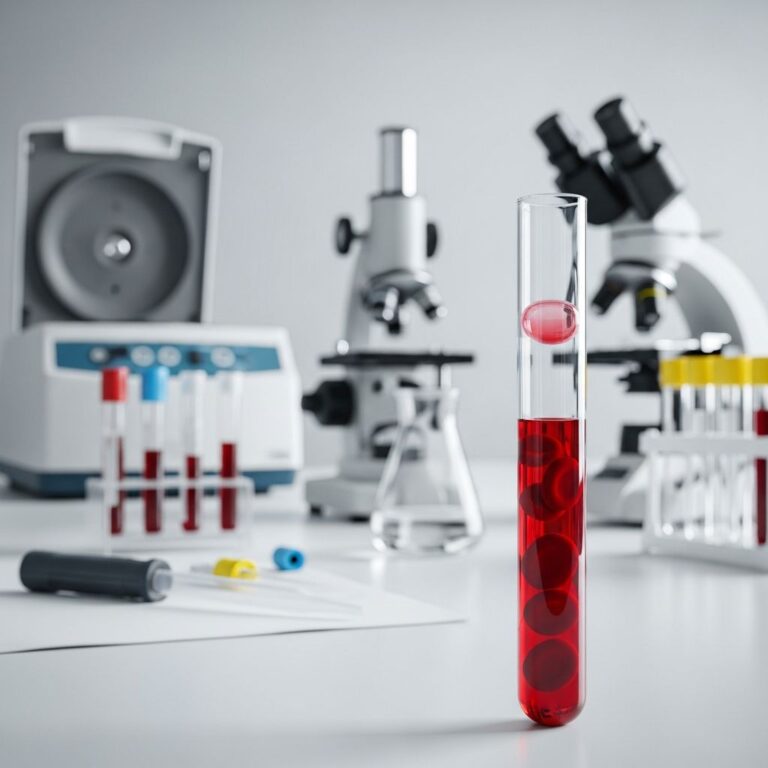
Galleri Cancer Blood Test: Early Detection for 50+ Cancer Types
Revolutionary blood test screens for 50+ cancer types with 90% accuracy in origin prediction.

What Is the Galleri Cancer Blood Test?
The Galleri test is a revolutionary multi-cancer early detection blood test designed to screen for more than 50 different types of cancer in asymptomatic adults ages 50 and older. Unlike traditional cancer screening methods that focus on detecting one specific cancer type, the Galleri test uses a single blood draw to search for signals of multiple cancers simultaneously. This innovative approach represents a significant shift in cancer detection strategy, moving from screening for individual cancers to comprehensive multi-cancer surveillance through an efficient, minimally invasive procedure.
Developed by GRAIL, the Galleri test identifies cancer signals by analyzing DNA fragments circulating in the bloodstream. The test does not diagnose cancer; rather, it serves as a screening tool that identifies potential cancer signals requiring further diagnostic evaluation. This distinction is crucial for patients to understand, as a positive result necessitates additional medical testing to confirm a cancer diagnosis.
How Does the Galleri Test Work?
The Galleri test operates on a sophisticated scientific principle involving the analysis of cell-free DNA, also known as circulating tumor DNA. Cancer cells naturally shed DNA into the bloodstream as they grow and die, creating a unique molecular signature that can be detected through advanced laboratory techniques.
The Three-Step Scientific Process
The test follows a three-step methodology:
- DNA Extraction and Sequencing: Blood samples are processed to extract DNA fragments, which are then sequenced to read their methylation patterns—essentially the molecular “fingerprints” of cancer cells.
- Machine Learning Classification: Advanced algorithms analyze whether each DNA fragment originated from healthy or cancerous cells by examining methylation patterns unique to cancer.
- Pattern Recognition and Origin Prediction: If cancer DNA fragments are identified, the test uses pattern recognition to predict which organ or tissue system the cancer originates from, called Cancer Signal Origin (CSO).
The DNA Fingerprint Concept
Each cancer type produces a distinctive methylation pattern in its DNA—essentially a unique fingerprint that differentiates lung cancer from colon cancer, breast cancer from pancreatic cancer, and so forth. The Galleri test compares detected methylation patterns against these known cancer fingerprints to identify whether cancer signals are present and, if detected, where they likely originated. This approach allows the single blood test to screen for numerous cancer types without requiring separate tests for each condition.
Which Cancers Can the Galleri Test Detect?
The Galleri test can detect signals from more than 50 different cancer types. Notably, the test demonstrates particular sensitivity to some of the deadliest and most difficult-to-detect cancers, including pancreatic, liver, and ovarian cancer. These cancers are often diagnosed at advanced stages when treatment options are more limited and survival rates are lower.
However, it is important to note that the Galleri test does not detect all cancers. The test cannot identify cancers that do not shed DNA into the bloodstream, such as brain cancer. This limitation reflects the fundamental principle on which the test operates—it can only detect cancers whose cellular DNA circulates in the blood.
Accuracy and Effectiveness of the Galleri Test
Clinical studies have established strong accuracy metrics for the Galleri test, particularly in identifying whether a cancer signal is present and predicting its origin.
Detection Rates
The Galleri test identifies approximately 51.5% of all cancers among screening populations. This overall detection rate increases significantly when examining the most lethal cancers: for the 12 cancer types accounting for two-thirds of all cancer deaths in the United States, the test detects 67% of cases. This higher detection rate for deadly cancers reflects the test’s particular sensitivity to common, highly fatal malignancies.
Related Stories



Origin Prediction Accuracy
When the test detects a cancer signal, it predicts where the cancer originated with approximately 89-93.4% accuracy. This high accuracy in origin prediction is critical because it provides physicians with directional guidance for subsequent diagnostic testing, helping to prioritize which organ systems require further evaluation.
False Positive and Negative Rates
The Galleri test demonstrates a remarkably low false-positive rate of 0.5%, substantially lower than traditional cancer screening tests, which typically have false-positive rates ranging from 10% to 40%. However, false-negative results do occur, and the test does not detect all cancers. Among individuals receiving a Cancer Signal Detected result, approximately 6 out of 10 receive a confirmed cancer diagnosis after diagnostic testing, indicating a positive predictive value of approximately 62%.
Who Should Consider the Galleri Test?
The Galleri test is intended for asymptomatic adults ages 50 and older. Current evidence and clinical guidance suggest that the test is most appropriately used as an adjunct to, rather than a replacement for, standard cancer screening recommendations provided by healthcare providers.
Individuals with a personal or family history of cancer, those with significant risk factors, or those who desire more comprehensive cancer screening may find the Galleri test particularly valuable. However, decisions about screening should be made in consultation with qualified healthcare professionals who can assess individual risk factors and determine appropriate screening strategies.
Understanding Your Galleri Test Results
The Galleri test produces one of two primary results: no cancer signal detected or cancer signal detected.
No Cancer Signal Detected
If your test results show no cancer signal, this indicates that circulating DNA patterns consistent with cancer were not identified in your blood sample at the time of testing. This result is reassuring but does not guarantee that no cancer is present, as the test cannot detect all cancers. Approximately 99% of people tested receive this result.
Cancer Signal Detected
If a cancer signal is detected, your results will include a predicted Cancer Signal Origin (CSO) indicating the tissue type or organ system most likely associated with the signal. About 1 out of every 100 tests yields a Cancer Signal Detected result. Receiving this result necessitates immediate follow-up with your healthcare provider and additional diagnostic testing to determine whether cancer is actually present.
The predicted CSO guides your physician toward specific organs requiring further evaluation through imaging studies (such as CT scans or ultrasounds), blood work, biopsies, or other diagnostic procedures appropriate to the predicted cancer type. It is crucial to understand that a Cancer Signal Detected result is not a cancer diagnosis—diagnostic confirmation requires additional medical testing.
Benefits of the Galleri Test
- Comprehensive Multi-Cancer Screening: A single blood test screens for more than 50 cancer types, eliminating the need for multiple individual screening procedures.
- Early Detection Potential: By identifying cancer signals before symptoms appear, the test enables diagnosis at earlier, potentially more treatable stages.
- Improved Outcomes for Deadly Cancers: The test demonstrates particular sensitivity to pancreatic, liver, and ovarian cancers—malignancies typically diagnosed late when treatment options are limited.
- Low False-Positive Rate: With a 0.5% false-positive rate, the test minimizes unnecessary diagnostic procedures and patient anxiety compared to traditional screening methods.
- Non-Invasive Sample Collection: The test requires only a routine blood draw, making it accessible and minimally burdensome for patients.
- Accurate Origin Prediction: When cancer signals are detected, the test provides accurate predictions of cancer origin with approximately 90% accuracy, directing subsequent diagnostic efforts.
Limitations of the Galleri Test
- Does Not Detect All Cancers: The test cannot identify cancers that do not shed DNA into the bloodstream, such as brain cancers.
- Not a Diagnostic Test: A positive result requires additional diagnostic testing; it does not confirm cancer diagnosis.
- False Negatives Occur: The test misses some cancers, particularly early-stage disease in some individuals.
- Not FDA-Approved: The Galleri test has not received FDA approval and should be used alongside standard cancer screening recommendations rather than as a replacement.
- Limited Population Data: The test is recommended for adults 50 years and older; its utility in younger populations is not yet established.
- Positive Predictive Value: Only about 60% of individuals with a Cancer Signal Detected result receive a confirmed cancer diagnosis, meaning approximately 40% of positive results are not confirmed as cancer.
Cost and Insurance Coverage
The cost of the Galleri test varies depending on whether insurance coverage applies. When ordered by a physician, the test may be partially or fully covered by some insurance plans, particularly for individuals with elevated cancer risk. For those without insurance coverage, the test is available at a cash price, though specific pricing should be obtained directly from GRAIL or your healthcare provider.
Insurance coverage decisions depend on individual plan specifications and whether the ordering physician can demonstrate medical necessity. Patients should contact their insurance provider to determine coverage status before undergoing testing.
The Future of Cancer Screening
The Galleri test represents a paradigm shift in cancer detection strategy. Rather than implementing separate screening protocols for individual cancers, the test enables comprehensive multi-cancer surveillance through a single, minimally invasive blood test. As the technology continues to improve and more clinical data accumulates, the role of such multi-cancer early detection tests in routine cancer screening protocols will likely expand.
However, current medical guidance emphasizes that the Galleri test should complement, not replace, established cancer screening recommendations. Individuals should maintain standard screening for specific cancers as recommended by their healthcare providers while considering the Galleri test as an additional screening tool.
Frequently Asked Questions
Q: Is the Galleri test approved by the FDA?
A: No, the Galleri test has not received FDA approval. It is offered as a clinical laboratory-developed test and should be used as an adjunct to standard cancer screening recommendations rather than as a replacement.
Q: What should I do if I receive a Cancer Signal Detected result?
A: Contact your healthcare provider immediately to discuss the result and the predicted Cancer Signal Origin. Your provider will recommend appropriate follow-up diagnostic testing to confirm or rule out cancer. Do not panic—approximately 40% of positive results are not confirmed as cancer.
Q: Can the Galleri test replace my routine cancer screening?
A: No. The Galleri test should be used in addition to standard cancer screening recommendations established by organizations like the American Cancer Society. Continue undergoing recommended screenings for specific cancers based on your age and risk factors.
Q: How often should I take the Galleri test?
A: The Galleri test is a point-in-time screening test. Recommendations for repeat testing frequency should be discussed with your healthcare provider based on your individual risk factors and results.
Q: Does the Galleri test check for genetic predisposition to cancer?
A: No. The Galleri test identifies DNA shed by existing cancer cells; it does not assess your genetic risk for developing cancer in the future. It is a screening test for current cancer signals, not a genetic risk assessment.
Q: What if my test shows no cancer signal? Am I definitely cancer-free?
A: A negative result is reassuring but does not guarantee the absence of cancer, as the test cannot detect all cancers. Some cancers may be present but not detectable through blood DNA analysis at the time of testing.
References
- The Galleri Test: A New Blood Test for Cancer Screening — Cleveland Clinic. 2024. https://health.clevelandclinic.org/the-galleri-test
- Galleri Test – GRAIL — GRAIL, Inc. 2024. https://grail.com/galleri-test/
- What is the Galleri Multi-Cancer Early Detection Test? — Galleri. 2024. https://www.galleri.com/what-is-galleri
- Understanding Your Galleri Test Results — Galleri. 2024. https://www.galleri.com/patient/understanding-your-results
- Blood Test to Detect Cancer Signal Presence | Galleri — Galleri. 2024. https://www.galleri.com/what-is-galleri/types-of-cancer-detected
- Galleri Cancer Test: Accuracy, Benefits, Risks, Cost — Healthline. 2024. https://www.healthline.com/health/cancer/galleri-cancer-test
- Galleri Test for the Detection of Cancer — American Academy of Family Physicians. 2022-10-00. https://www.aafp.org/pubs/afp/issues/2022/1000/diagnostic-tests-galleri-test-cancer.html
- Multi-cancer Detection (MCD) Tests — American Cancer Society. 2024. https://www.cancer.org/cancer/screening/multi-cancer-early-detection-tests.html
Similar Articles








Read full bio of Sneha Tete