Gallstone Disease Treatment: Expert Guide To Surgery, Recovery
Explore comprehensive treatment options for gallstone disease from diagnosis to recovery.
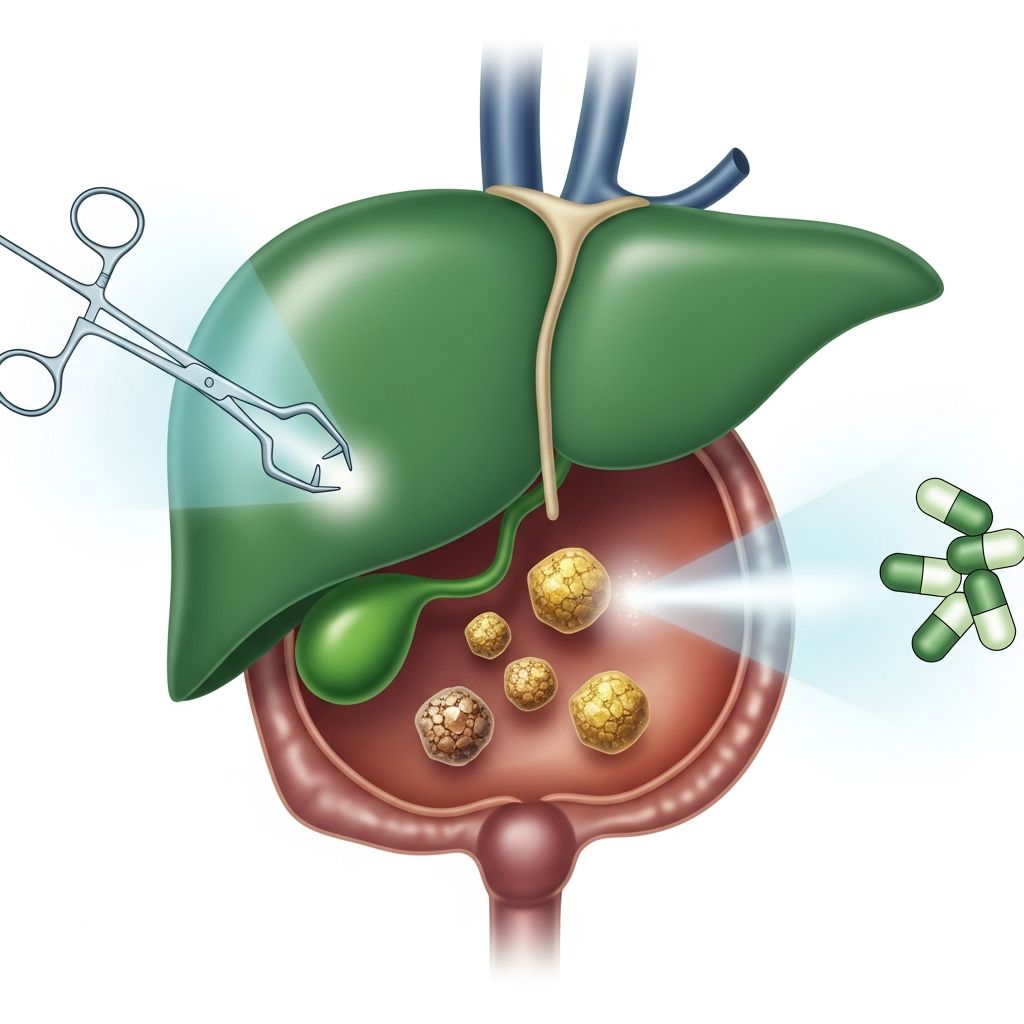
Understanding Gallstone Disease Treatment
Gallstone disease affects millions of people worldwide, yet not all cases require immediate intervention. The approach to treating gallstones depends on whether symptoms are present, the severity of the condition, and individual patient factors. Johns Hopkins Medicine offers a comprehensive range of treatment options, from conservative management to advanced surgical techniques performed by experienced specialists.
Gallstones form when bile hardens into stone-like deposits within the gallbladder. While many people have gallstones without experiencing any symptoms—a condition called asymptomatic cholelithiasis—others develop painful complications that necessitate treatment. Understanding the available treatment options helps patients make informed decisions about their care with their healthcare providers.
Asymptomatic Gallstones: When Watchful Waiting Is Appropriate
Not all gallstones require treatment. In fact, most people with asymptomatic gallstones never develop symptoms or complications. For these patients, a watchful waiting approach is often recommended. This conservative management strategy involves regular monitoring without immediate surgical intervention.
Patients with asymptomatic gallstones should be educated about warning signs that might indicate symptom development. These include right upper abdominal pain, pain between shoulder blades, right shoulder pain, or discomfort after eating fatty foods. If symptoms develop, patients should contact their healthcare provider to discuss treatment options.
Certain patient groups may benefit from prophylactic cholecystectomy (gallbladder removal before symptoms develop), including those with porcelain gallbladder, gallbladder polyps larger than 10 millimeters, or calcified gallbladder. Patients preparing for bariatric surgery may also be candidates for concurrent gallbladder removal. However, for most asymptomatic patients, observation remains the standard approach.
Medical Management of Gallstone Disease
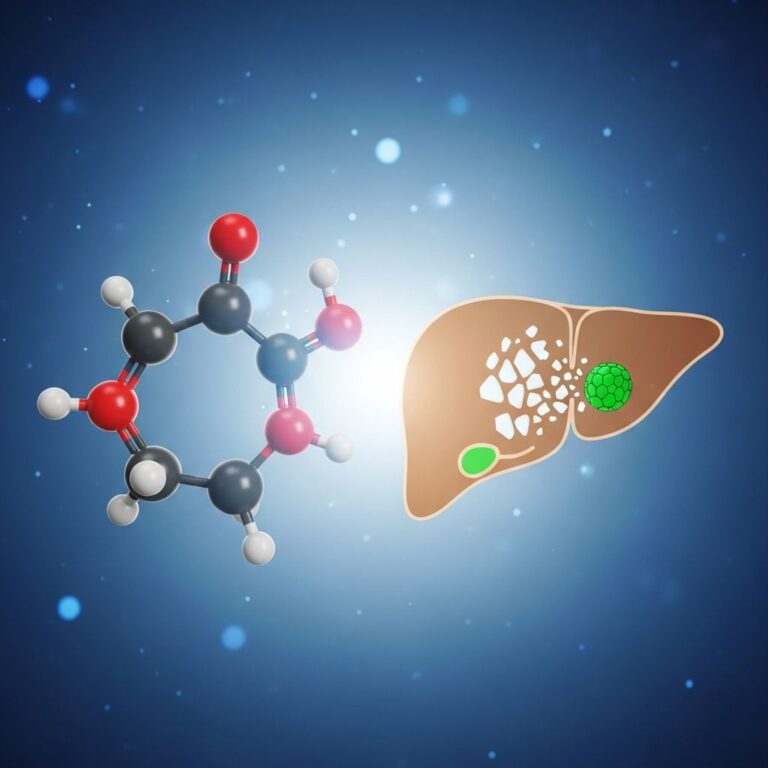
Medication therapy for gallstone disease has limited applications but remains an option in specific circumstances. Ursodeoxycholic acid (ursodiol) is a bile acid medication that can dissolve certain types of gallstones by altering bile composition. This medical therapy is most effective for patients with small, radiolucent (non-calcified) stones and preserved gallbladder function.
However, medical dissolution therapy has significant limitations. The process is slow, often requiring six months to two years of continuous therapy. Stone recurrence rates are high after discontinuation of medication, with approximately 50% of patients developing new stones within five years. Additionally, medication therapy only works for cholesterol stones, not pigmented stones, and is ineffective for most patients with symptomatic disease.
Due to these limitations and the effectiveness of surgical alternatives, medical management is rarely used in modern practice. It may be considered for patients who refuse surgery, have severe surgical risks, or meet specific criteria for stone composition and gallbladder function. Most patients with symptomatic gallstones benefit more from definitive surgical treatment.
Related Stories



Surgical Treatment: Laparoscopic Cholecystectomy
Surgical removal of the gallbladder, known as cholecystectomy, is the most effective treatment for symptomatic gallstone disease. The laparoscopic approach has become the gold standard, offering patients reduced pain, shorter recovery time, and faster return to normal activities compared to open surgery.
Laparoscopic cholecystectomy is a minimally invasive procedure in which the surgeon operates through four small incisions in the abdomen. A laparoscope—a thin tube with a camera—is inserted through one incision, allowing the surgeon to view the gallbladder and surrounding structures on a monitor. Specialized surgical instruments are introduced through the other small incisions to carefully disconnect the gallbladder from the liver, hepatic artery, and bile ducts, then remove it from the body.
The procedure is performed under general anesthesia and typically takes 30 to 60 minutes. Many patients are discharged the same day or after an overnight hospital stay. Recovery at home usually takes about 5 to 7 days, during which patients may experience mild discomfort managed with pain medications. Most people can resume light activities within one week and return to normal routines within two to three weeks.
Post-operative restrictions are minimal compared to open surgery. Patients are typically advised to avoid heavy lifting (over 10 pounds) for two weeks after laparoscopic surgery. Dietary restrictions are usually unnecessary; most patients can resume their normal diet immediately after surgery, though some may experience temporary sensitivity to fatty foods.
Success rates for laparoscopic cholecystectomy are excellent, with symptom relief achieved in approximately 80% of patients with uncomplicated gallstone disease. The complication rate is low, typically less than 2%, with bile duct injury occurring in less than 0.5% of cases.
Open Cholecystectomy: When Laparoscopy Is Not Possible
While laparoscopic cholecystectomy is successful in the vast majority of cases, some patients require conversion to open surgery during or instead of the laparoscopic approach. Open cholecystectomy involves a larger abdominal incision, typically made below the right rib cage, allowing the surgeon direct visualization of the gallbladder and surrounding structures.
Situations requiring open cholecystectomy include severe inflammation that obscures critical anatomical structures, extensive scarring from previous abdominal surgery, bile duct stones that cannot be managed laparoscopically, or accidental injury to bile ducts or blood vessels during laparoscopic surgery. Additionally, patients with very large gallbladders filled with large stones may benefit from the open approach.
The open procedure allows the surgeon to carefully dissect tissue, manage inflammation, and safely remove the gallbladder along with any associated stones. When performed for benign gallstone disease, the surgeon may also explore the common bile duct for retained stones and perform an incision closure to allow drainage of bile.
Recovery from open cholecystectomy is longer than from laparoscopic surgery. Hospital stays typically last 2 to 3 days, and full recovery takes 4 to 6 weeks. Pain management is more involved initially, though most patients transition to minimal medication by two weeks. Patients are restricted from heavy lifting and strenuous activity for 6 weeks after open surgery. Despite longer recovery time, open cholecystectomy remains an important option for ensuring patient safety in complex cases.
Managing Acute Cholecystitis and Emergencies
Acute cholecystitis, an acute inflammation of the gallbladder usually caused by a gallstone lodging in the cystic duct, is a medical emergency requiring prompt treatment. Patients typically present with severe right upper quadrant pain, fever, nausea, and vomiting. Laboratory tests show elevated white blood cell count and inflammatory markers. Ultrasound or CT imaging confirms the diagnosis by demonstrating gallbladder wall thickening and fluid around the gallbladder.
Treatment for acute cholecystitis involves hospitalization, intravenous fluids, bowel rest, antibiotics, and pain management. While historically, patients were treated conservatively for several weeks before undergoing elective cholecystectomy, current evidence supports early surgical intervention. Laparoscopic cholecystectomy performed within 72 hours of symptom onset offers excellent outcomes with lower morbidity than delayed surgery.
For patients too ill for immediate surgery or with significant operative risk, percutaneous cholecystostomy—a procedure in which a drainage catheter is placed through the skin into the gallbladder—may temporize the condition. Once the acute inflammation resolves and the patient’s health status improves, elective cholecystectomy can be performed at a safer time.
Gallstone pancreatitis, caused by a stone migrating into the pancreatic duct, is another serious complication requiring urgent attention. Cholecystectomy should be performed once acute pancreatitis resolves to prevent recurrent episodes.
Special Considerations and Patient Selection
Certain patient populations require special consideration when planning gallstone disease treatment. Elderly patients with multiple comorbidities may have higher operative risks, necessitating careful preoperative evaluation and optimization. However, age alone should not preclude surgery, as many elderly patients tolerate cholecystectomy well and benefit significantly from symptom relief.
Pregnant patients with symptomatic gallstone disease present a unique challenge. While medication and medical management are preferred during pregnancy to minimize fetal exposure to anesthesia, symptomatic patients who fail conservative management may require cholecystectomy. The second trimester is generally considered the safest time for surgery if intervention becomes necessary.
Patients with prior abdominal surgery face increased complexity due to adhesions—scar tissue that can obscure normal anatomy. While laparoscopic cholecystectomy can still be performed in most cases, surgeons must be prepared to convert to open surgery if safe dissection cannot be achieved.
Immunocompromised patients, including those with HIV/AIDS, may develop acalculous cholecystitis (inflammation without stones) and require urgent cholecystectomy. These patients often have severe disease with higher complication rates, making experienced surgical management critical.
Advanced Surgical Techniques
Johns Hopkins Medicine offers advanced surgical techniques for complex gallstone disease. For patients with gallstone-related bile duct obstruction, endoscopic retrograde cholangiopancreatography (ERCP) can remove stones from the common bile duct before or after cholecystectomy. This minimally invasive technique involves passing an endoscope through the mouth into the bile duct and extracting stones without requiring surgery.
Robotic-assisted cholecystectomy represents another advancement, offering enhanced visualization and instrument control in complex cases. While not necessary for straightforward gallstone disease, robotic surgery may benefit patients with complicated anatomy or prior surgery.
Single-incision laparoscopic surgery (SILS), performed through a single umbilical incision, is available at specialized centers. This technique offers cosmetic advantages and potentially faster recovery, though it requires significant technical expertise and may not be appropriate for all patients.
Lifestyle Modifications and Prevention
While gallstone formation cannot always be prevented, certain lifestyle modifications may reduce risk. Maintaining a healthy weight through balanced diet and regular exercise decreases gallstone development risk. Rapid weight loss, particularly from very low-calorie diets or bariatric surgery, paradoxically increases stone formation risk; patients undergoing rapid weight loss may benefit from ursodeoxycholic acid prophylaxis.
Dietary modifications emphasizing high-fiber, low-fat foods may help manage symptoms in patients with asymptomatic stones or post-cholecystectomy syndrome. However, dietary restrictions are not necessary after successful cholecystectomy.
Regular physical activity promotes healthy bile flow and reduces cholesterol levels, both factors in gallstone prevention. Alcohol consumption should be moderate, as excessive alcohol increases gallstone risk.
Outcomes and Quality of Life
Most patients experience significant improvement in quality of life following cholecystectomy for symptomatic gallstone disease. Pain relief is achieved in approximately 80% of patients, with the majority returning to normal activities within 2 to 4 weeks of laparoscopic surgery.
Post-cholecystectomy syndrome—persistent or recurrent symptoms after gallbladder removal—occurs in approximately 10 to 15% of patients. These symptoms may relate to functional disorders of the sphincter of Oddi, altered bile acid metabolism, or unrelated conditions. Most cases can be managed with dietary modifications and medications.
Serious long-term complications of cholecystectomy are rare. Bile duct strictures may develop years after surgery but are uncommon. The incidence of increased diarrhea after cholecystectomy is slightly elevated but usually mild and manageable.
Frequently Asked Questions
Q: Do all gallstones require treatment?
A: No. Asymptomatic gallstones, found in approximately 80% of people with gallstones, typically do not require treatment. Only symptomatic gallstones causing pain, inflammation, or complications need intervention.
Q: Is laparoscopic surgery always possible for gallstone disease?
A: Laparoscopic cholecystectomy is successful in approximately 95% of cases. Conversion to open surgery may be necessary for severe inflammation, extensive scarring, or complications discovered during the procedure.
Q: How long is recovery after gallbladder removal?
A: After laparoscopic surgery, most patients recover within 1 to 2 weeks for light activities and 3 to 4 weeks for full recovery. Open surgery requires 4 to 6 weeks for complete recovery.
Q: Can gallstones dissolve with medication?
A: Ursodeoxycholic acid can dissolve some cholesterol stones, but the process is slow (6-24 months) and recurrence rates are high. Surgery is more effective for symptomatic patients.
Q: What is post-cholecystectomy syndrome?
A: Persistent or recurrent symptoms after gallbladder removal occurring in approximately 10-15% of patients, usually manageable with dietary modifications and medication.
Q: Are there dietary restrictions after gallbladder removal?
A: Most patients resume normal diet immediately after surgery. Some may experience temporary sensitivity to fatty foods, but long-term restrictions are unnecessary for most patients.
References
- Gallbladder & Bile Duct Cancer Treatment — Johns Hopkins Pathology. 2024. https://pathology.jhu.edu/gbbd/treatment
- Gallstones: Symptoms and Surgical Treatment — Johns Hopkins Howard County Medical Center. 2016. https://www.youtube.com/watch?v=m9UuMMpLpVI
- General Surgery: Gallbladder Disease Management — Johns Hopkins Medicine. 2014. https://www.hcgh.org/generalsurgery
Similar Articles








Read full bio of medha deb