Gallstone Disease: Causes, Symptoms, and Treatment
Understanding gallstone disease: symptoms, diagnosis, and effective treatment options.
Understanding Gallstone Disease
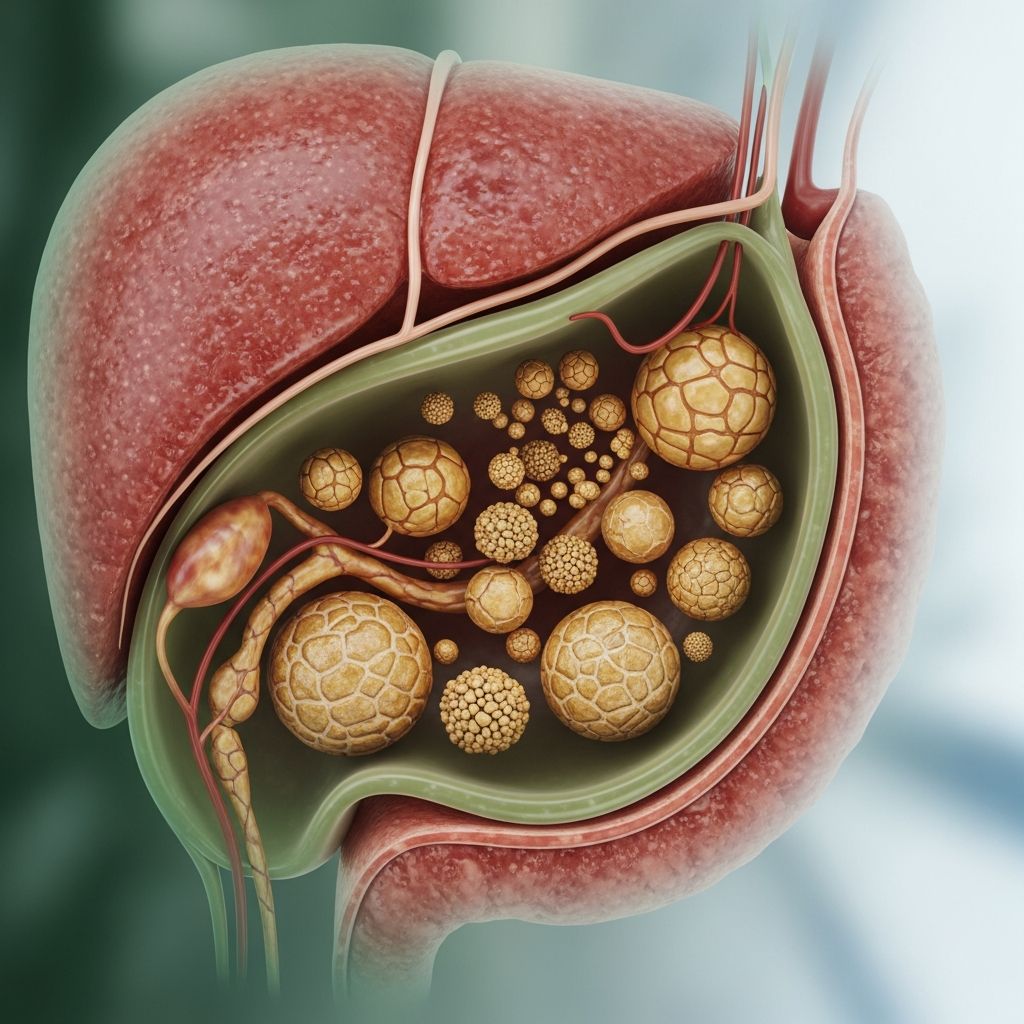
Gallstone disease occurs when solid particles form in the gallbladder, a small organ located beneath the liver that stores bile to help digest fats. These gallstones can range in size from tiny grains of sand to as large as a golf ball. While many people with gallstones never experience symptoms, others may develop complications ranging from mild discomfort to severe, life-threatening conditions.
The gallbladder plays a crucial role in the digestive process by concentrating and releasing bile into the small intestine when you eat, particularly fatty foods. When bile contains too much cholesterol, bilirubin, or bile salts, or when the gallbladder doesn’t empty properly, gallstones can form over time.
Causes and Risk Factors
Several factors increase your risk of developing gallstones. Understanding these risk factors can help you take preventive measures or recognize when you should seek medical attention.
Common Risk Factors
Gender and Age: Women are more likely to develop gallstones than men, particularly during their reproductive years. The risk increases with age, though gallstones can develop at any age.
Weight and Diet: Obesity is a significant risk factor for gallstone formation. Rapid weight loss, whether from dieting or bariatric surgery, can also increase gallstone risk. Diets high in cholesterol and fat and low in fiber may contribute to stone formation.
Hormonal Factors: Pregnancy, hormone replacement therapy, and oral contraceptives increase gallstone risk due to changes in bile composition and gallbladder function. These hormonal influences explain why gallstones are more common in women who have been pregnant.
Medical Conditions: Certain health conditions increase gallstone risk, including diabetes, cirrhosis, Crohn’s disease, and hemolytic anemia. Additionally, people with a family history of gallstones have a higher likelihood of developing them.
Metabolic Factors: Conditions affecting how your body processes cholesterol and other substances, such as metabolic syndrome, can promote gallstone formation.
Symptoms of Gallstone Disease
Many people with gallstones experience no symptoms and never require treatment. However, when gallstones cause problems, symptoms typically develop suddenly and can vary in intensity.
Biliary Colic
The most common symptomatic presentation is biliary colic, characterized by sudden pain in the upper right portion of the abdomen, just beneath the rib cage. This pain typically occurs after eating, especially fatty or greasy meals, and can last from 30 minutes to several hours. The pain may radiate to the back, between the shoulder blades, or to the right shoulder. Some patients report that the pain resembles a heart attack, leading them to seek emergency care.
Acute Cholecystitis
When a gallstone becomes trapped in the cystic duct, the exit of the gallbladder, it can cause acute inflammation and infection known as acute cholecystitis. Symptoms include persistent pain in the upper right abdomen, fever, nausea, and vomiting. Murphy’s sign—inspiratory arrest during deep palpation over the gallbladder—is a clinical indicator of this condition. This is a serious condition requiring immediate medical attention and typically necessitates gallbladder removal.
Related Stories



Other Complications
In rare cases, gallstones can migrate to the common bile duct, potentially blocking it and causing jaundice (yellowing of the skin and eyes), dark urine, and pale stools. This condition, called choledocholithiasis, requires prompt treatment. Additionally, if a gallstone blocks the pancreatic duct, it can cause acute pancreatitis, a serious and potentially life-threatening inflammation of the pancreas.
Diagnosis of Gallstone Disease
Your healthcare provider uses several diagnostic tools to confirm gallstone disease and assess for complications.
Physical Examination
During the physical exam, your doctor will assess for tenderness in the upper right abdomen and may perform Murphy’s sign test. Other physical findings may include a palpable mass in the right upper quadrant, jaundice, or fever.
Laboratory Tests
Blood tests may reveal elevated white blood cell counts, increased liver enzymes (alkaline phosphatase, bilirubin, and transaminases), and elevated amylase levels if pancreatitis is present. These tests help assess for infection and complications.
Imaging Studies
Abdominal Ultrasound: Ultrasound is the initial imaging test of choice for gallstone disease, with sensitivity approaching 98 percent and a negative predictive value of 95 percent. It can detect gallstones, assess gallbladder wall thickness, and identify signs of inflammation.
Hepatobiliary Scintigraphy (HIDA Scan): This nuclear medicine test evaluates gallbladder function by tracking the movement of a radioactive tracer through the biliary system. It has a sensitivity of 80-90 percent for acute cholecystitis and can reveal whether the cystic duct is obstructed. HIDA scans are particularly useful in diagnosing acalculous cholecystitis.
Additional Imaging: CT scans or MRI may be ordered to assess for complications or when ultrasound findings are inconclusive. Magnetic resonance cholangiopancreatography (MRCP) is particularly useful for evaluating the bile ducts.
Diagnostic Criteria
The revised Tokyo Guidelines provide standardized criteria for diagnosing acute cholecystitis with high sensitivity (91 percent) and specificity (97 percent). A suspected diagnosis requires local signs of inflammation, such as Murphy’s sign or right upper quadrant pain, plus systemic signs like fever, elevated white blood cell count, or elevated C-reactive protein. A confirmed diagnosis additionally requires imaging findings characteristic of acute cholecystitis.
Treatment Options
Treatment for gallstone disease depends on whether stones are causing symptoms and the severity of complications.
Asymptomatic Gallstones
If gallstones are discovered incidentally and cause no symptoms, treatment is typically not necessary. Regular monitoring is recommended, and you should be aware of warning symptoms that would warrant medical evaluation.
Symptomatic Gallstones Without Infection
For patients experiencing biliary colic without infection, management focuses on symptom relief and dietary modification. Avoiding fatty and greasy foods can reduce the frequency and severity of pain episodes. Pain management with over-the-counter or prescription medications provides relief during acute episodes.
Acute Cholecystitis
Acute cholecystitis requires hospitalization and antimicrobial therapy. While acute cholecystitis is usually primarily an inflammatory process rather than an infectious one, antibiotics are typically initiated upon presentation. Antibiotics may be discontinued within 24 hours if clinical improvement occurs and there is no evidence of systemic infection.
Antibiotic Regimens: Selection depends on patient factors and local resistance patterns. For uncomplicated cases, options include ampicillin/sulbactam or cephalosporins. For patients with recent surgeries, nosocomial infections, or significant comorbidities, broader spectrum coverage with agents such as piperacillin/tazobactam, meropenem, or fluoroquinolone combinations with metronidazole may be indicated. Anaerobic and enterococcal coverage is generally not required unless treating severe infections. Antibiotic duration is typically limited to 4-7 days in conjunction with adequate source control and clinical resolution of symptoms.
Surgical Treatment
Laparoscopic Cholecystectomy: This minimally invasive surgical approach is the preferred treatment for gallstone disease, performed in approximately 99 percent of cases. Early laparoscopic cholecystectomy, performed soon after hospital admission, is recommended for most patients with acute cholecystitis. The procedure involves removing the gallbladder through several small incisions using a camera and specialized instruments. Even in elderly patients, laparoscopic cholecystectomy is generally safe and well-tolerated, though it may be associated with a higher conversion rate to open surgery and increased morbidity in this population.
Open Cholecystectomy: Traditional open surgery remains an option when laparoscopic approach is not technically feasible or when complications arise during laparoscopic surgery requiring conversion to open technique.
Percutaneous Drainage: For patients too ill to tolerate surgery or with severe comorbidities, percutaneous cholecystostomy (drainage catheter placement) may provide temporary relief. This approach is particularly important in acalculous cholecystitis, where early intervention is critical due to the high risk of gangrene and perforation.
Complications of Gallstone Disease
While many gallstones cause no problems, certain complications can develop that require urgent intervention. Understanding these potential complications emphasizes the importance of prompt medical attention when symptoms occur.
Acute Cholecystitis: Infection and inflammation of the gallbladder can lead to severe pain, fever, and systemic toxicity. Without treatment, this can progress to gangrene and perforation, potentially causing life-threatening peritonitis.
Choledocholithiasis: When stones migrate to the common bile duct, they can cause obstruction leading to jaundice, pruritus, and elevated liver enzymes. This condition requires intervention to clear the duct.
Pancreatitis: Stones blocking the pancreatic duct cause severe inflammation that can be life-threatening. This complication requires immediate hospitalization and intensive supportive care.
Gallstone Ileus: In rare cases, a large stone can erode through the gallbladder wall into the intestine, potentially causing mechanical bowel obstruction.
Mirrizi Syndrome: External compression of the common bile duct or common hepatic duct by a stone in the cystic duct or gallbladder neck can cause obstructive jaundice.
Prevention and Lifestyle Management
While not all gallstones can be prevented, certain lifestyle modifications may reduce your risk of developing them or experiencing complications.
Maintain a Healthy Weight: Gradual weight loss through balanced diet and exercise reduces gallstone risk more effectively than rapid weight loss.
Dietary Choices: A diet rich in fiber, low in saturated fat and cholesterol, and incorporating healthy unsaturated fats supports gallbladder health. Regular meals help maintain consistent gallbladder function.
Physical Activity: Regular exercise contributes to weight management and overall metabolic health.
Limit Certain Medications: Discuss hormone replacement therapy and oral contraceptive use with your healthcare provider to understand individual risk factors.
When to Seek Medical Care
Seek immediate medical attention if you experience sudden severe pain in the upper right abdomen, especially accompanied by fever, persistent vomiting, or yellowing of the skin and eyes. Contact your healthcare provider if you have recurrent episodes of abdominal pain, nausea, or other concerning symptoms.
Frequently Asked Questions
Q: Can gallstones dissolve on their own?
A: Most gallstones do not dissolve without treatment. While medication can help dissolve some cholesterol-based stones in select cases, surgery remains the definitive treatment for symptomatic gallstone disease.
Q: Is gallbladder removal necessary if I have no symptoms?
A: Asymptomatic gallstones typically do not require treatment. Your doctor will monitor your condition and recommend surgery if symptoms develop or complications arise.
Q: Can I live normally without a gallbladder?
A: Yes, most people live normally after gallbladder removal. The gallbladder stores bile but is not essential for digestion. Bile flows continuously into the intestines to aid fat digestion.
Q: What is the recovery time for laparoscopic cholecystectomy?
A: Most patients recover within 1-2 weeks from laparoscopic surgery, compared to 4-6 weeks for open surgery. You can typically return to normal activities within a few weeks.
Q: Are there non-surgical treatments for gallstones?
A: Ursodeoxycholic acid medication can dissolve some cholesterol gallstones but is effective in only about 15 percent of cases and works slowly. Surgery remains the most effective treatment for symptomatic disease.
Q: Can gallstones return after surgery?
A: No, gallstones cannot recur after the gallbladder is removed since the organ no longer exists to form new stones.
References
- Johns Hopkins ABX Guide: Cholecystitis — Johns Hopkins Medicine. 2022-11-09. https://www.hopkinsguides.com/hopkins/view/Johns_Hopkins_ABX_Guide/540122/all/Cholecystitis
- Gallstones and Gallbladder Attack Symptoms & Treatment — Johns Hopkins Howard County Medical Center, James E. Harris Jr., M.D. 2014-07-21. https://www.youtube.com/watch?v=_kLqv8BFlrI
- Gallbladder and Bile Duct Cancer Overview — Johns Hopkins Pathology. https://pathology.jhu.edu/gbbd/
Similar Articles








Read full bio of Sneha Tete