Gallstone Symptoms: 10 Key Signs And When To Seek Help
Learn to recognize the warning signs of gallstones, from subtle discomfort to severe pain attacks.
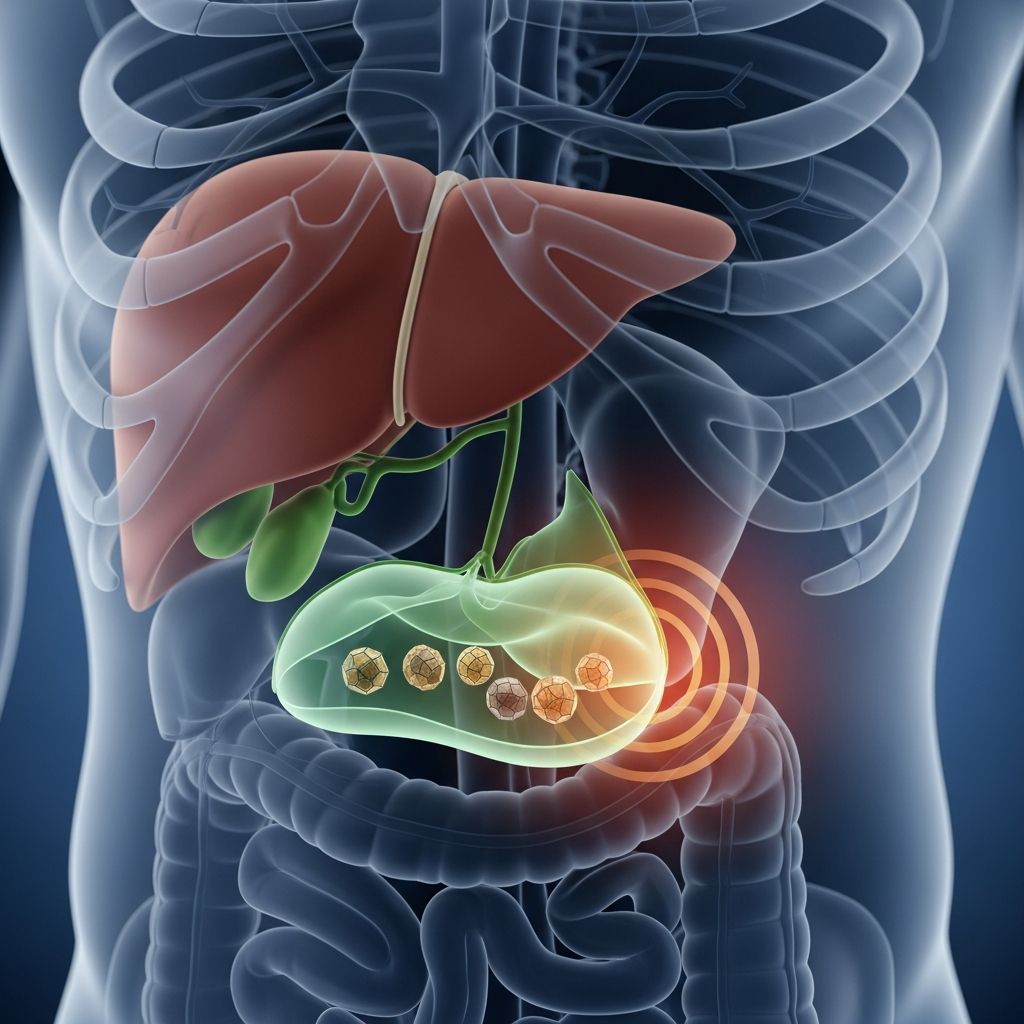
Gallstones, also known as cholelithiasis, are hardened deposits of digestive fluid that form in the gallbladder. This small, pear-shaped organ under the liver stores bile, a fluid essential for digesting fats. While many people with gallstones experience no symptoms and never require treatment, others face painful complications when stones block bile ducts.
Symptoms often arise suddenly during a gallbladder attack, triggered by stones obstructing bile flow. Understanding these signs is crucial for timely intervention, as untreated gallstones can lead to serious issues like infection, pancreatitis, or gallbladder inflammation (cholecystitis). This article explores gallstone symptoms in depth, risk factors, diagnosis, and treatment options based on medical guidelines.
What Are the Symptoms of Gallstones?
Gallstone symptoms vary from mild discomfort to excruciating pain. Most people—about 80%—remain asymptomatic, with stones discovered incidentally during imaging for other conditions. When symptoms occur, they typically stem from biliary colic, where a stone temporarily blocks the cystic duct.
Sudden, Intense Pain in the Upper Right Abdomen
The hallmark symptom is sharp, steady pain in the upper right abdomen, often under the ribcage. This biliary colic can feel like a gripping or squeezing sensation, lasting 30 minutes to several hours. Pain may radiate to the back or right shoulder blade. Attacks often follow fatty meals, as bile release triggers stone movement.
According to the National Institute of Diabetes and Digestive and Kidney Diseases (NIDDK), this pain affects 1–4% of asymptomatic gallstone carriers annually. It peaks within 15–60 minutes and subsides as the stone dislodges.
Pain in the Center of the Abdomen (Under Breastbone)
Some experience epigastric pain, centered just below the breastbone. This can mimic heartburn, ulcers, or pancreatitis, complicating self-diagnosis. Pain intensity remains constant without relief from antacids or position changes.
Back Pain Between Shoulder Blades
Radiating pain to the upper back, particularly between the shoulder blades, occurs in up to 50% of cases. This referred pain arises from shared nerve pathways between the gallbladder and back.
Pain After Eating, Especially Fatty Foods
Attacks frequently follow meals high in fat, like fried foods or creamy dishes. Fat stimulates cholecystokinin release, prompting gallbladder contraction and potential stone impaction.
Other Gallstone Symptoms
- Nausea or Vomiting: Common during attacks, affecting 50–70% of patients. Vomiting provides no pain relief.
- Bloating or Indigestion: Chronic mild symptoms like gas, belching, or fullness after meals.
- Clay-Colored Stools: Indicates bile duct obstruction, preventing bile from reaching the intestines.
- Dark Urine: From excess bilirubin buildup due to blocked bile flow.
- Jaundice: Yellowing of skin/eyes from bilirubin accumulation; signals choledocholithiasis (common bile duct stone).
- Fever/Chills: Suggests cholecystitis or cholangitis (bile duct infection).
Related Stories



Gallstone Attack: What It Feels Like and How Long It Lasts
A gallstone attack, or biliary colic, strikes abruptly, often at night. Pain builds rapidly to severe levels, described as worse than labor by some. It persists 1–5 hours before resolving, though recurrent episodes increase complication risk.
Duration varies: mild colic lasts <1 hour; prolonged pain (>6 hours) indicates complications like acute cholecystitis. Triggers include large meals, rapid weight loss, or pregnancy-related hormonal shifts.
Timeline of a Typical Attack
| Time After Onset | Symptoms |
|---|---|
| 0–15 min | Mild discomfort begins |
| 15–60 min | Pain peaks; nausea starts |
| 1–5 hours | Maximum intensity; vomiting possible |
| >6 hours | Seek emergency care—possible cholecystitis |
Silent Gallstones: When You Have No Symptoms
Most gallstones (80%) cause no issues, termed “silent stones.” Discovered via ultrasound for unrelated abdominal pain or routine checks, they rarely require intervention unless symptoms develop or complications arise.
The American College of Gastroenterology notes low progression risk (1–2% yearly), so watchful waiting suffices for asymptomatic cases. However, certain groups—like those with diabetes or undergoing weight-loss surgery—warrant closer monitoring.
Complications of Gallstones: When Symptoms Worsen
Untreated symptomatic gallstones risk serious complications:
- Acute Cholecystitis: Gallbladder inflammation from prolonged blockage; causes constant pain, fever, tenderness (Murphy’s sign).
- Choledocholithiasis: Stone in common bile duct; leads to jaundice, dark urine, pancreatitis.
- Acute Pancreatitis: Bile duct stone blocks pancreatic duct; severe epigastric pain radiating to back.
- Cholangitis: Infected bile ducts; Charcot’s triad (fever, jaundice, right upper quadrant pain).
- Galibladder Fistula or Perforation: Rare but life-threatening.
Risk Factors for Developing Gallstones
- The 4 Fs: Female, Forty, Fertile, Fat.
- Obesity: Especially rapid weight loss (>3 lbs/week).
- Family History: Genetic predisposition.
- Diabetes: Insulin resistance promotes cholesterol stones.
- Medications: Estrogen therapy, fibrates.
- Diet: High-fat, low-fiber; rapid dieting.
- Ethnicity: Higher in Native Americans, Hispanics.
Diagnosis: Tests for Gallstones
Diagnosis combines history, exam, and imaging:
- Abdominal Ultrasound: Gold standard; 95% sensitivity.
- HIDA Scan: Assesses gallbladder function.
- CT/MRI: For complications.
- ERCP: Therapeutic for duct stones.
- Blood Tests: Liver enzymes, bilirubin, amylase.
Treatment Options
Watchful Waiting: For asymptomatic stones.Surgery (Cholecystectomy): Laparoscopic removal; 90% of symptomatic cases.Medications: Ursodiol dissolves small cholesterol stones (slow, 50% recurrence).ERCP: Removes duct stones.
Prevention Tips
- Maintain healthy weight gradually.
- Eat high-fiber, moderate-fat diet.
- Exercise regularly.
- Stay hydrated.
Frequently Asked Questions About Gallstone Symptoms
Can gallstones cause back pain?
Yes, pain often radiates to the back between shoulder blades due to shared nerves.
How do you know if you have gallstones or gas?
Gallstone pain is steady/severe, lasts hours, worsens post-fatty meals; gas pain fluctuates, relieves with movement/antacids.
Do gallstones go away on their own?
Stones rarely dissolve spontaneously; symptoms may resolve temporarily, but recurrence risk remains high.
When should I go to the ER for gallstone pain?
Seek care if pain lasts >5 hours, fever, jaundice, vomiting, or severe tenderness.
Can you pass a gallstone?
Tiny stones (<3mm) may pass into intestine harmlessly; larger ones cause attacks/blockages.
References
- Gallstones — National Institute of Diabetes and Digestive and Kidney Diseases (NIDDK). 2023-05-15. https://www.niddk.nih.gov/health-information/digestive-diseases/gallstones
- ACG Clinical Guideline: Management of Gallstone Patients — American College of Gastroenterology. 2023-01-01. https://journals.lww.com/ajg/fulltext/2023/01000/acg_clinical_guideline__management_of_gallstone.13.aspx
- Gallstones (Cholelithiasis) in Adults — UpToDate (Wolters Kluwer). Updated 2025-11-20. https://www.uptodate.com/contents/gallstones-cholelithiasis-in-adults
- Cholecystitis and Cholelithiasis — Centers for Disease Control and Prevention (CDC). 2024-07-10. https://www.cdc.gov/nchs/data/icd/ICD-10-CM-Guidelines-FY2025.pdf
- Management of Gallstone Disease — World Gastroenterology Organisation. 2024-03-12. https://www.worldgastroenterology.org/guidelines
Similar Articles








Read full bio of Sneha Tete