Gallstones Causes: 5 Key Mechanisms, Risks, Prevention
Understand the key risk factors and underlying mechanisms behind gallstone formation, from obesity to genetics.
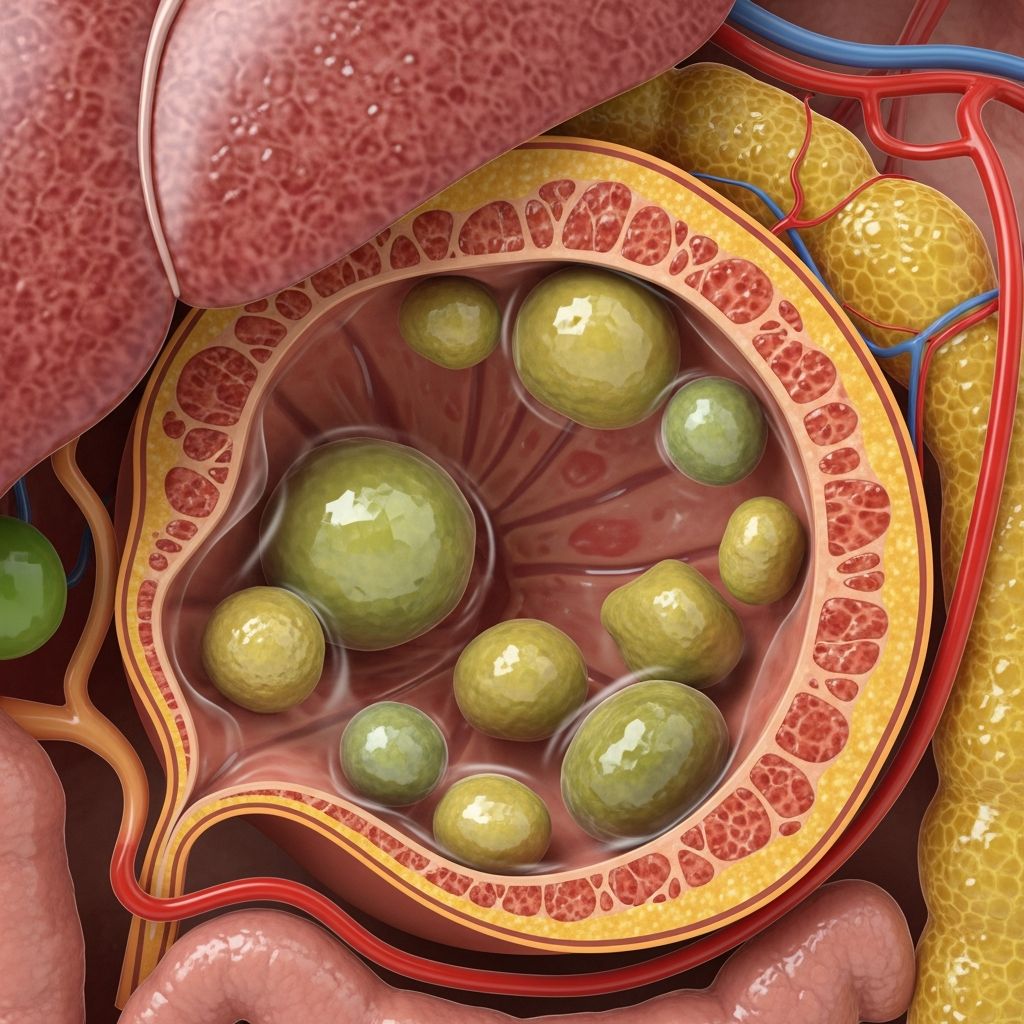
Gallstones, or cholelithiasis, develop when substances in bile harden into stone-like deposits in the gallbladder. These stones primarily consist of cholesterol or bilirubin and form due to imbalances in bile composition, influenced by metabolic, genetic, and lifestyle factors.
What Are Gallstones?
The gallbladder stores bile, a digestive fluid produced by the liver that aids fat breakdown. Gallstones occur when bile components like cholesterol, bile salts, or bilirubin become imbalanced, leading to crystal formation and stone development. About 80% of gallstones in Western populations are cholesterol-based, linked to hepatic cholesterol hypersecretion amid rising insulin resistance and obesity epidemics.
Pigment stones, comprising the rest, arise from excess bilirubin. Stones vary in size from grains of sand to golf balls and may remain asymptomatic or cause severe pain and complications.
Types of Gallstones
There are two main types:
- Cholesterol gallstones: Yellowish, comprising 80% cholesterol; result from supersaturated bile due to liver overproduction.
- Pigment gallstones: Dark brown or black; form from excess unconjugated bilirubin, often in hemolytic conditions or infections.
Cholesterol Gallstones: Primary Causes
Cholesterol gallstones stem from five key defects in bile homeostasis:
- Hepatic hypersecretion of cholesterol: The liver secretes excess biliary cholesterol, supersaturating bile. Factors include increased de novo synthesis, reverse cholesterol transport via HDL, and estrogen effects upregulating receptors.
- Impaired bile acid secretion: Reduced hepatic bile acid output fails to solubilize cholesterol.
- Altered phospholipid secretion: Phospholipids normally protect cholesterol; deficiencies promote precipitation.
- Gallbladder stasis and mucin hypersecretion: Poor motility leads to bile stagnation; mucin gels trap crystals, fostering stone growth. Cholecystokinin (CCK) deficiency from low-fat diets impairs contraction.
- Intestinal factors: Reduced bile acid reabsorption increases hepatic load.
Genetic factors, like Lith genes, predispose individuals on this background.
Risk Factors for Cholesterol Gallstones
Several modifiable and non-modifiable factors elevate risk:
Obesity and Metabolic Syndrome
Excess visceral fat drives insulin resistance, promoting hepatic cholesterol output. Obesity triples gallstone risk; metabolic syndrome (with diabetes, dyslipidemia) amplifies it.
Diabetes
Type 2 diabetes heightens risk via hyperinsulinemia and cholesterol supersaturation.
Rapid Weight Loss
Quick fat reduction mobilizes cholesterol stores, overwhelming bile solubilization. Post-bariatric surgery patients face up to 30% incidence.
Gender and Hormones
Women are twice as likely, especially pre-menopause, due to estrogen increasing cholesterol secretion. Pregnancy, oral contraceptives, and hormone therapy mimic this.
Age
Risk rises after 40, peaking in those over 60.
Diet
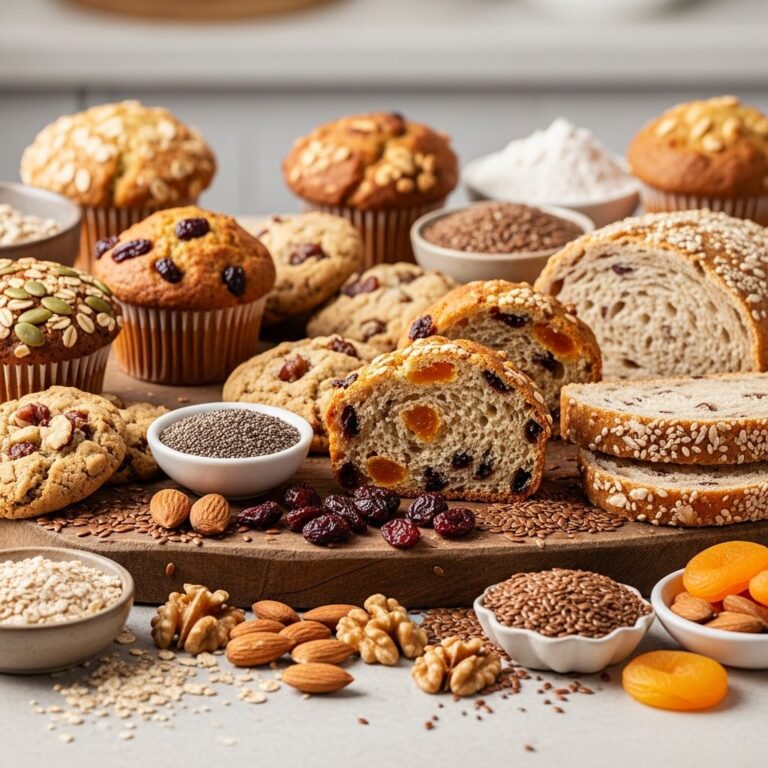
High-fat, low-fiber diets contribute; refined carbs and low healthy fats reduce gallbladder emptying.
Genetics and Ethnicity
Family history doubles risk. Higher prevalence in Native Americans, Hispanics.
Other Factors
- Low physical activity impairs motility.
- Medications like fibrates, octreotide.
- Spinal cord injuries causing stasis.
Pigment Gallstones Causes
Pigment stones form from bilirubin excess:
- Black pigment stones: In sterile gallbladders; linked to hemolysis (sickle cell, thalassemia), cirrhosis, ileal resection disrupting bilirubin cycling. UGT1A1 variants increase susceptibility.
- Brown pigment stones: Infection-related; bacteria deconjugate bilirubin, forming calcium salts. Common in bile duct stasis.
Risk factors mirror acute conditions: diabetes, hypertriglyceridemia, TPN, surgery, burns.
Related Stories



Complications from Gallstones
Silent in 80%, but symptomatic stones cause biliary colic. Serious issues include:
Acute Cholecystitis
Gallbladder inflammation from cystic duct obstruction; fever, pain ensue.
Choledocholithiasis
Stones in common bile duct block flow, causing jaundice.
Acute Cholangitis
Bacterial ascent post-obstruction; caused by calculi (28-70%), strictures, malignancy. High fever, sepsis risk.
Acute Biliary Pancreatitis
Gallstones cause 35-40% of cases; small stones pass, obstructing pancreatic duct via ampulla, inducing reflux and edema.
Other Risks
Porcelain gallbladder (cancer risk), gallstone ileus, fistula.
Prevention Strategies
Reduce risk through:
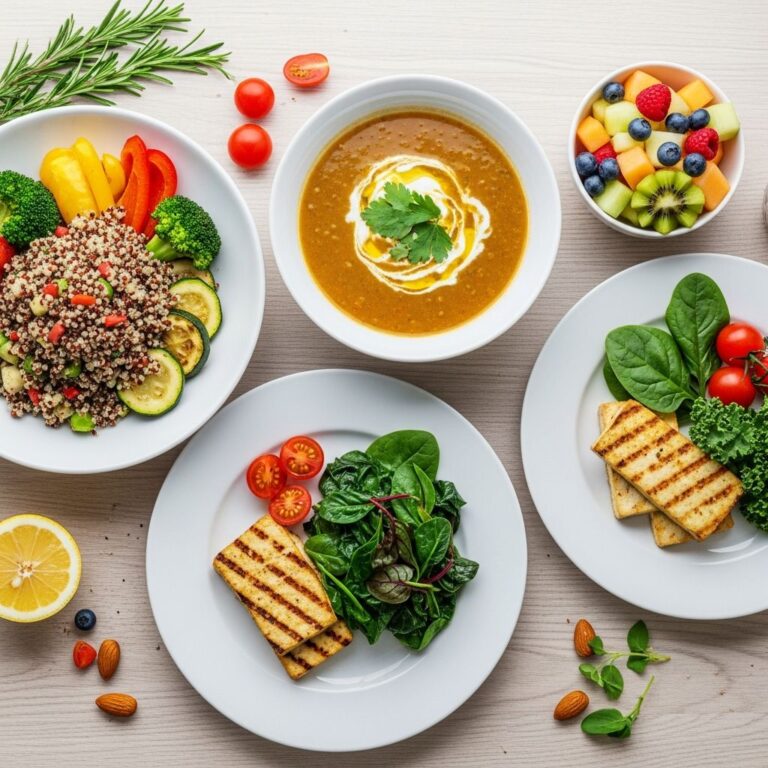
- Balanced diet: High fiber, healthy fats (olive oil, fish); limit sugars, refined carbs.
- Weight management: Gradual loss (1-2 lbs/week).
- Exercise: 150 min/week moderate activity.
- Hydration and avoidance of extreme fasting.
Medications like ursodiol may dissolve small stones in select cases.
Diagnosis and When to See a Doctor
Symptoms: Intense right-upper quadrant pain post-meals, nausea. Seek care for persistent pain, fever, jaundice. Ultrasound detects 95% of stones.
Frequently Asked Questions (FAQs)
What causes gallstones most commonly?
Cholesterol gallstones from bile supersaturation due to obesity, hormones, rapid weight loss.
Who is at highest risk for gallstones?
Obese women over 40, diabetics, those with family history or Native American/Hispanic ethnicity.
Can diet prevent gallstones?
Yes, high-fiber, moderate-fat diets promote bile flow; avoid crash diets.
Are pigment stones preventable?
Limited; manage underlying hemolysis, infections, cirrhosis.
Do all gallstones require surgery?
No, asymptomatic ones often monitored; symptomatic may need cholecystectomy.
| Type | Main Causes | Key Risk Groups |
|---|---|---|
| Cholesterol | Bile supersaturation, stasis | Obese, women, diabetics |
| Pigment | Bilirubin excess, infection | Hemolysis patients, cirrhotics |
References
- Metabolic dysfunction-associated gallstone disease — PubMed Central. 2023. https://pmc.ncbi.nlm.nih.gov/articles/PMC10543156/
- Gallstones (Cholelithiasis) — National Institute of Diabetes and Digestive and Kidney Diseases (NIDDK). 2023-10-25. https://www.niddk.nih.gov/health-information/digestive-diseases/gallstones
- Cholelithiasis — American Academy of Family Physicians (AAFP). 2024. https://www.aafp.org/pubs/afp/issues/2024/0100/cholelithiasis.html
- Gallstone Disease — World Gastroenterology Organisation. 2023. https://www.worldgastroenterology.org/guidelines/gallstone-disease
- Pathophysiology of Gallstone Formation — Mayo Clinic Proceedings (PubMed). 2022. https://pubmed.ncbi.nlm.nih.gov/35248325/
Similar Articles








Read full bio of Sneha Tete