Gallstones: Symptoms, Causes, Diagnosis, and Treatment
Comprehensive guide to gallstones: Understand causes, symptoms, diagnosis, treatment options, and prevention strategies for better gallbladder health.
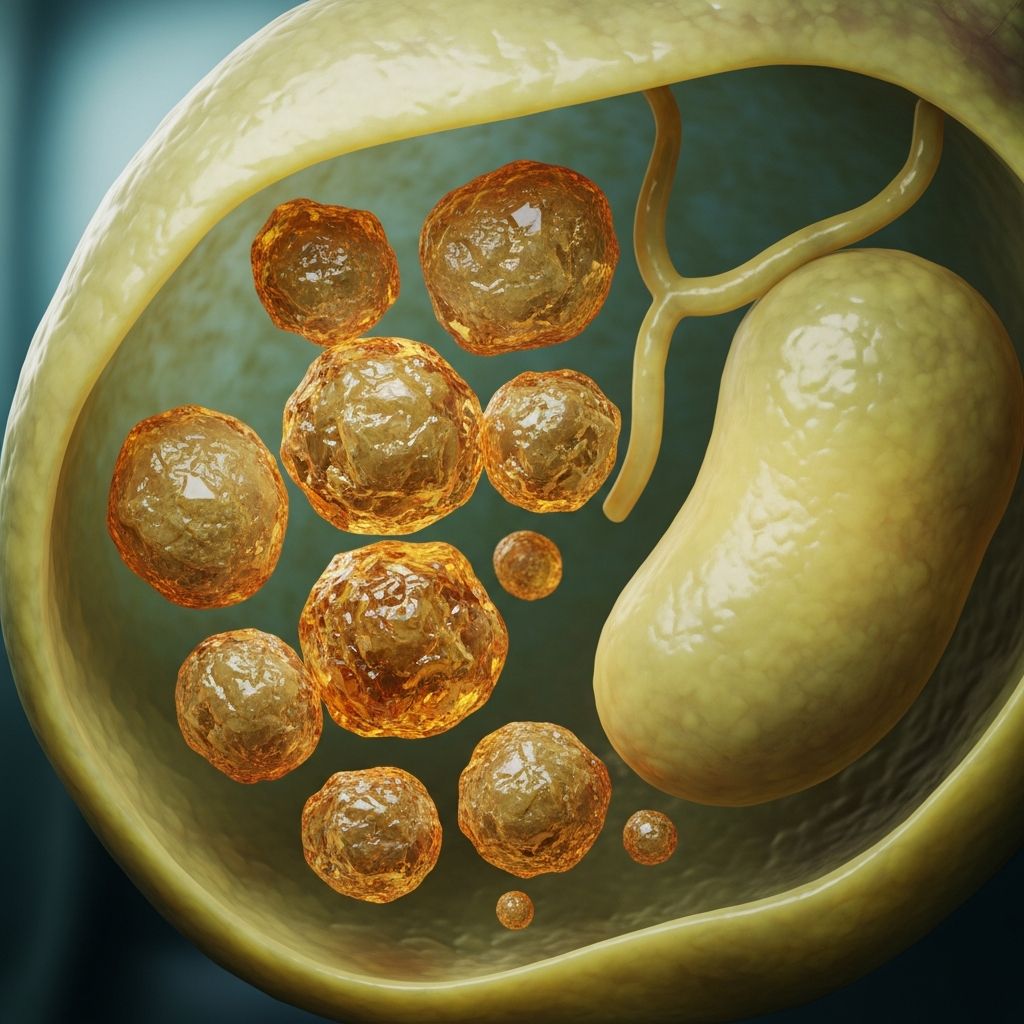
Gallstones, also known as cholelithiasis, are hardened deposits of digestive fluid that form in the gallbladder. These stones can range from tiny grains to golf ball-sized masses and may cause no symptoms or lead to severe complications like pain, inflammation, or infection.
What Are Gallstones?
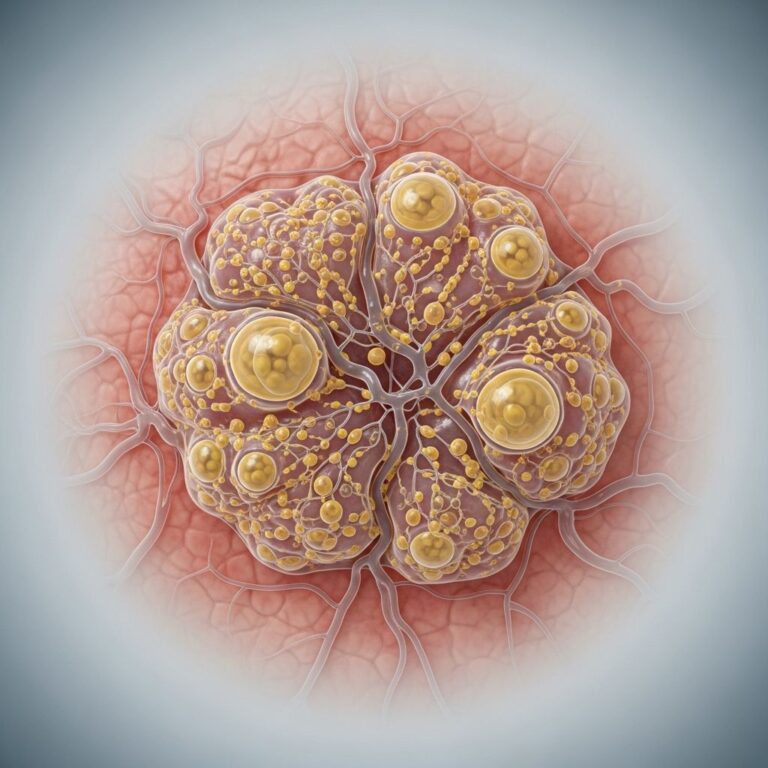
Gallstones are crystallized deposits that develop in the gallbladder or biliary tree, primarily composed of cholesterol, bilirubin, and bile salts. They form when substances in bile exceed their solubility limits, leading to precipitation and stone formation. Most gallstones are asymptomatic and discovered incidentally during imaging, but symptomatic cases affect millions annually, making them a leading cause of gastrointestinal issues in the United States.
The gallbladder stores bile produced by the liver to aid fat digestion. When bile becomes supersaturated with cholesterol or pigments, crystals form sludge that coalesces into stones. These can be mobile within the gallbladder or lodge in ducts, obstructing flow.
Symptoms of Gallstones
Many individuals with gallstones experience no symptoms, earning them the label ‘silent stones.’ However, when a stone blocks a duct, it triggers
biliary colic
, characterized by intense, cramping pain in the right upper or middle abdomen lasting at least 30 minutes. Pain may radiate to the back or shoulder, often worsening after fatty meals due to gallbladder contraction against the obstruction.Symptoms include:
- Sudden, sharp or dull pain in the upper abdomen, constant or intermittent.
- Nausea and vomiting.
- Fever, indicating infection.
- Jaundice (yellowing of skin and eyes) from bile duct blockage.
- Clay-colored stools and dark urine.
Prolonged obstruction leads to constant, progressive pain signaling complications like cholecystitis or cholangitis.
Causes of Gallstones
Gallstones arise from imbalances in bile composition due to metabolic, environmental, and genetic factors. Bile contains cholesterol, bile salts, and bilirubin suspended in a mucin matrix. Supersaturation causes crystals to precipitate.
There are three main types:
- Cholesterol stones (most common, 80% of cases): Yellowish, formed from excess cholesterol relative to bile salts. Linked to obesity, diabetes, and rapid weight loss.
- Black pigment stones: Small, dark, composed of calcium bilirubinate from excess bilirubin, seen in hemolysis (e.g., sickle cell), cirrhosis, or Crohn’s disease.
- Brown pigment stones: Soft, formed in infections or strictures, containing calcium salts, cholesterol, and bacteria.
Pathophysiology involves impaired gallbladder motility, excess mucin promoting nucleation, and stasis allowing growth. Stones can remain in the gallbladder or migrate to ducts.
Risk Factors for Gallstones
Certain factors increase susceptibility:
| Risk Factor | Description |
|---|---|
| Female sex | Estrogen increases cholesterol in bile; pregnancy and birth control pills heighten risk. |
| Age over 40 | Risk rises with age due to bile composition changes. |
| Obesity | Excess cholesterol secretion; rapid weight loss worsens it. |
| Family history | Genetic predisposition to bile imbalances. |
| Diabetes | Metabolic dysfunction promotes cholesterol stones. |
| Ethnicity | Higher in Native Americans and Hispanics. |
| Other | Liver disease, IV feeding, low-calorie diets, infections. |
These factors disrupt bile solubility, gallbladder emptying, or promote inflammation.
Diagnosis of Gallstones
Diagnosis begins with history and physical exam focusing on abdominal pain patterns. Imaging confirms stones:
- Abdominal ultrasound: Gold standard, detects 95% of stones, shows gallbladder wall thickening or dilation.
- CT scan: Useful for complications, though cholesterol stones may not show.
- MRCP: Non-invasive for duct visualization.
- ERCP: Diagnostic and therapeutic for duct stones.
- HIDA scan: Assesses gallbladder function.
Blood tests check bilirubin, liver enzymes, amylase/lipase for complications, and complete blood count for infection.
Treatment Options for Gallstones
Asymptomatic gallstones rarely need treatment unless high-risk (e.g., before bariatric surgery). Symptomatic cases require intervention.
Related Stories



Surgical Treatment: Laparoscopic cholecystectomy is first-line, removing the gallbladder via small incisions with 1-day recovery. Open surgery is rare, for complicated cases.
Non-Surgical Options:
- Ursodiol pills dissolve small cholesterol stones over 6-24 months, but recurrence is common (50%).
- ERCP with sphincterotomy removes duct stones.
- Shock wave lithotripsy (ESWL): Breaks stones with waves; rarely used due to recurrence.
- Chemical dissolution: Experimental, toxic.
Acute complications like cholecystitis need antibiotics, IV fluids, and urgent surgery.
Complications of Gallstones
Untreated stones cause:
- Acute cholecystitis: Inflamed gallbladder from cystic duct block.
- Choledocholithiasis: Common bile duct obstruction, leading to jaundice, cholangitis (infection), or pancreatitis.
- Chronic cholecystitis: Fibrosis and motility loss.
- Galstone ileus: Rare bowel obstruction.
- Gallbladder cancer: Long-term risk.
Seek care for severe pain, fever, or jaundice.
Prevention of Gallstones
Lifestyle changes reduce risk:
- Maintain healthy weight; avoid rapid loss (>3 lbs/week).
- Balanced diet: High fiber, low saturated fats; limit cholesterol.
- Regular exercise improves motility.
- For high-risk: Prophylactic ursodiol post-surgery.
Monitor at-risk groups like diabetics or pregnant individuals.
Frequently Asked Questions (FAQs)
What are gallstones?
Gallstones are solid particles forming in the gallbladder from bile components like cholesterol or bilirubin.
Do all gallstones cause symptoms?
No, most are silent; symptoms occur if stones block ducts, causing biliary colic or complications.
How are gallstones diagnosed?
Primarily via ultrasound, with blood tests and advanced imaging for confirmation.
Is surgery always needed for gallstones?
No, only for symptomatic cases; laparoscopic cholecystectomy is standard.
Can gallstones be prevented?
Yes, through healthy weight, diet, and exercise to optimize bile flow.
What happens after gallbladder removal?
Most live normally without it; bile flows directly from liver to intestine.
References
- Gallstones (Cholelithiasis) – StatPearls — NCBI Bookshelf, National Center for Biotechnology Information. 2023-07-17. https://www.ncbi.nlm.nih.gov/books/NBK459370/
- Gallstones — MedlinePlus, U.S. National Library of Medicine. 2023-10-01. https://medlineplus.gov/ency/article/000273.htm
Similar Articles








Read full bio of Sneha Tete