Gallstones: Symptoms, Causes & Treatment
Understanding gallstones: comprehensive guide to symptoms, causes, diagnosis, and treatment options.
Understanding Gallstones: A Comprehensive Guide
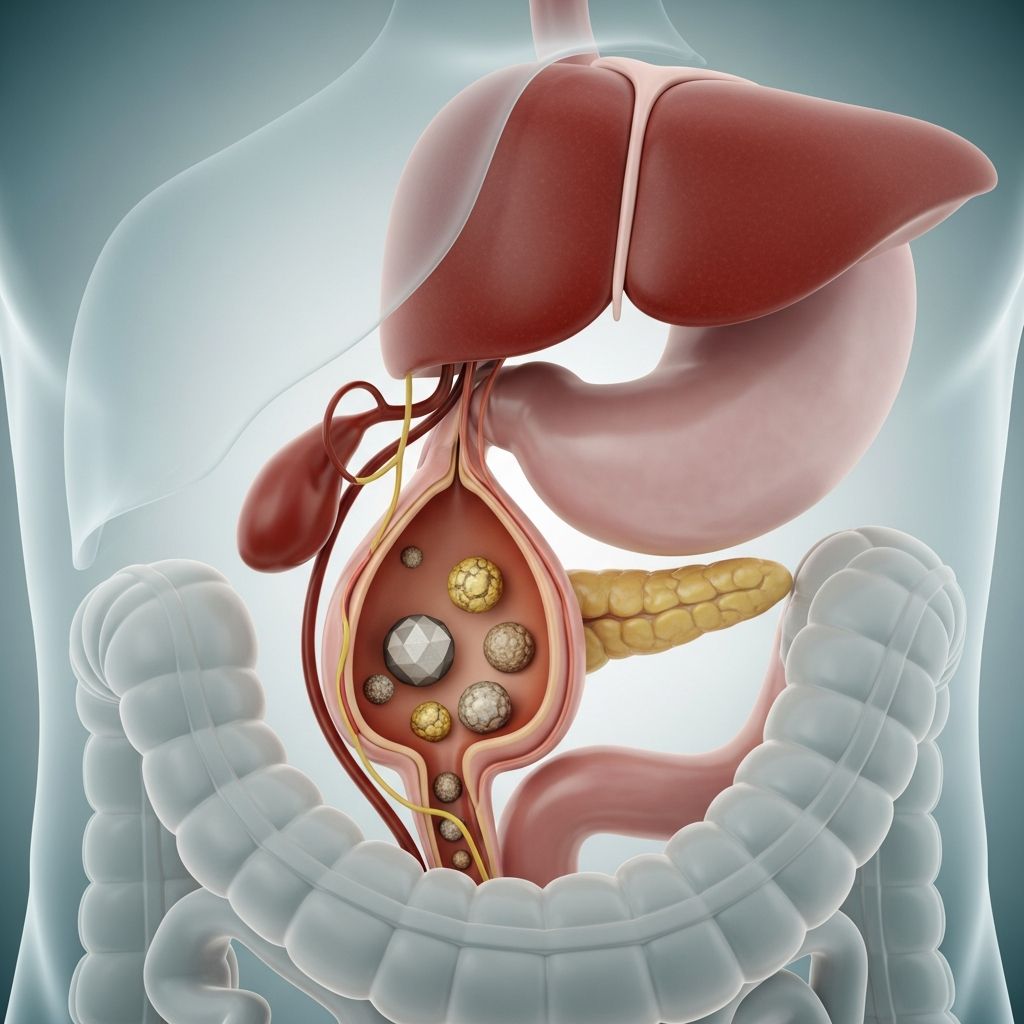
Gallstones, medically known as cholelithiasis, are hardened pieces of bile that form in your gallbladder or bile ducts. These calcified deposits are remarkably common, particularly among women, and represent one of the most frequently encountered digestive conditions in clinical practice. While many people with gallstones never experience symptoms, others may face significant complications requiring medical intervention. Understanding the nature of gallstones, their risk factors, symptoms, and treatment options is essential for anyone concerned about their gallbladder health.
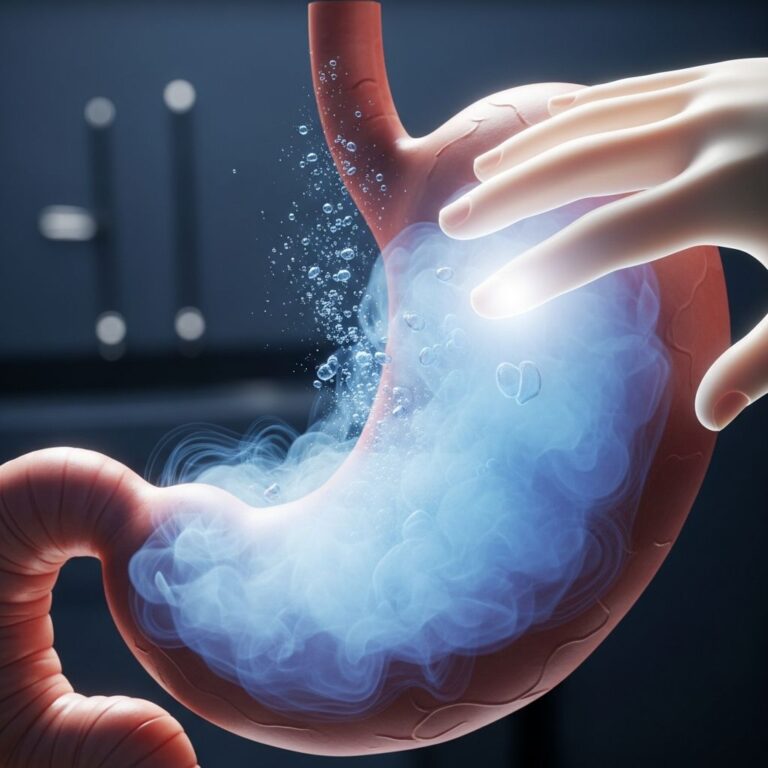
The gallbladder is a small, pear-shaped organ located beneath the liver in the upper right portion of the abdomen. Its primary function is to store bile, a digestive fluid produced by the liver that helps break down fats during digestion. When bile becomes supersaturated with cholesterol or other substances, gallstones can develop. These stones vary in size, composition, and their potential to cause problems, ranging from microscopic particles to stones larger than golf balls.
What Causes Gallstones?
Gallstone formation is a complex process influenced by multiple factors related to bile composition, gallbladder function, and individual metabolism. The development of gallstones typically results from an imbalance in the chemical composition of bile, leading to precipitation and crystallization of cholesterol or bilirubin.
Types of Gallstones
Cholesterol gallstones represent the vast majority of cases, accounting for approximately 75% of all gallstones. These stones form primarily due to cholesterol hypersecretion into the gallbladder, gallbladder hypomotility (reduced contractions), accelerated cholesterol nucleation and crystallization, and mucin gel accumulation. The mechanism involves biliary supersaturation, where the concentration of cholesterol exceeds the bile’s capacity to maintain it in solution.
Black pigment gallstones comprise 10% to 15% of all gallstones and develop through a different mechanism. These stones form as a result of chronic hemolysis, a condition where red blood cells break down prematurely, leading to supersaturation of bile with calcium hydrogen bilirubinate. Additional deposition of calcium carbonate, phosphate, and inorganic salts contributes to stone formation.
Brown pigment stones account for 5% to 10% of gallstones and typically form in association with infection in obstructed bile ducts. Bacteria that produce beta-glucuronidase, phospholipase, and slime promote the formation of these stones, which are often related to chronic biliary infection rather than primary metabolic dysfunction.
Risk Factors for Gallstone Development
Several factors increase the likelihood of developing gallstones. Understanding these risk factors can help individuals take preventive measures and recognize when medical evaluation is necessary:
- Female gender (gallstones are more common in women)
- Age over 40 years
- Family history of gallstones
- Obesity and rapid weight loss
- High-cholesterol diet
- Sedentary lifestyle
- Diabetes and metabolic disorders
- Pregnancy
- Use of certain medications, including hormone replacement therapy
- Cirrhosis and other liver diseases
Symptoms and Clinical Presentation
Most people with gallstones are asymptomatic and never experience problems related to their gallstones. However, when symptoms do develop, they can be quite dramatic and uncomfortable. The presentation of symptomatic gallstone disease varies depending on whether stones are obstructing the bile ducts and whether inflammation or infection has developed.
Related Stories



Biliary Colic and Gallstone Attacks
Abdominal pain is the primary symptom associated with gallstones and represents the hallmark of symptomatic gallbladder disease. Contrary to common medical terminology, the pain experienced with gallstones is not necessarily fluctuating or “colicky” in nature. Most patients describe a constant and often severe pain located in the right upper abdomen, epigastrium, or both, typically persisting for 30 to 120 minutes.
The pain occurs when a gallstone temporarily obstructs the cystic duct, the small tube connecting the gallbladder to the bile duct system. This obstruction is often called biliary colic or a gallstone attack. The pain may occur after eating fatty foods, as fat consumption stimulates gallbladder contraction. However, attacks can also occur unexpectedly, even at night, sometimes waking patients from sleep.
Additional symptoms that may accompany a gallstone attack include nausea, vomiting, and discomfort between the shoulder blades. Some patients report pain radiating to the right shoulder or back. These symptoms typically resolve spontaneously as the stone moves or passes back into the gallbladder.
Complications of Gallstones
When a gallstone remains lodged in the cystic duct or bile ducts, complications can develop. Acute cholecystitis occurs when prolonged obstruction causes inflammation and infection of the gallbladder wall. Symptoms include persistent right upper quadrant pain, fever, elevated white blood cell count, and signs of systemic infection. This condition requires prompt medical evaluation and treatment.
Acute cholangitis develops when gallstones obstruct the common bile duct, preventing bile drainage and leading to infection of the bile ducts themselves. Patients present with jaundice (yellowing of skin and eyes), right upper quadrant pain, fever, and potentially sepsis if untreated. This is a medical emergency requiring urgent intervention.
Gallstone pancreatitis occurs when a stone migrates into the pancreatic duct, triggering inflammation of the pancreas. This can range from mild to severe and represents one of the most common causes of acute pancreatitis.
Diagnosis of Gallstones
Laboratory Tests
When a patient presents with symptoms suggestive of gallstone disease, healthcare providers typically begin with blood tests to identify signs of inflammation, infection, or jaundice. These tests can offer important clues about which organs are affected and help guide further diagnostic imaging.
Imaging Studies
Abdominal ultrasound is the diagnostic test of choice for detecting gallstones and assessing for findings suggestive of acute cholecystitis. This quick and easy test requires no special preparation and can be performed in an outpatient setting. Transabdominal ultrasonography demonstrates a sensitivity of 84% to 89% and specificity up to 99% for detecting gallstones. The characteristic findings on ultrasound include:
- Presence of gallstones within the gallbladder
- Thickening of the gallbladder wall
- Presence of pericholecystic fluid (fluid around the gallbladder)
- Sonographic Murphy sign (tenderness elicited by ultrasound probe over the gallbladder)
- Dilation of the common bile duct
When ultrasound findings are inconclusive despite clinical suspicion of gallstone disease, additional imaging studies may be warranted. Endoscopic ultrasound (EUS) provides superior visualization of the bile ducts and can identify stones that may be missed on transabdominal ultrasound.
HIDA scan (hepatobiliary iminodiacetic acid scan) is a nuclear medicine study useful for confirming acute cholecystitis. The radionuclide material is concentrated in the liver and excreted into the bile. In cases of cystic duct obstruction, the gallbladder does not fill with the radiopharmaceutical, confirming the diagnosis of cholecystitis.
CT and MRI imaging can also be used to evaluate the bile ducts and assess for complications such as cholangitis or pancreatitis. Magnetic resonance cholangiopancreatography (MRCP) is particularly useful for visualizing the entire biliary tree and identifying stones in the common bile duct.
Treatment Options for Gallstones
Management of Asymptomatic Gallstones
The first-line therapy for asymptomatic gallstones is expectant management, also known as the “watch and wait” approach. Prophylactic surgery for silent gallstones is not warranted, as the risk of developing symptoms remains relatively low (approximately 1-3% per year). Most patients with asymptomatic gallstones can safely continue with routine follow-up without intervention.
Surgical Treatment of Symptomatic Gallstones
Cholecystectomy, or surgical removal of the gallbladder, is the standard treatment for symptomatic gallstone disease and remains the gold standard for managing complications such as acute cholecystitis and gallstone pancreatitis. The vast majority of cholecystectomies performed in the United States are done laparoscopically, a minimally invasive approach that offers several advantages over open surgery.
In laparoscopic cholecystectomy, the surgeon makes several small incisions in the abdomen and uses specialized instruments and a camera to visualize and remove the gallbladder. Most patients tolerate this procedure well, experience minimal postoperative pain, and can return to normal activities relatively quickly. Hospital stay is typically brief, often just a few hours or overnight.
For patients presenting with an acute episode of biliary colic that resolves, consultation with a surgeon within a few weeks is recommended, and elective cholecystectomy should be considered to prevent future attacks. Patients developing persistent right upper quadrant tenderness with fever or elevated white blood cell count should be seen more urgently, as these signs suggest acute cholecystitis requiring prompt intervention.
Alternative Treatments for High-Risk Patients
For patients who cannot undergo surgery or wish to avoid it, alternative options exist for specific patient populations. Oral dissolution therapy and extracorporeal shock wave lithotripsy (ESWL) are available for patients with good gallbladder function, small radiopaque stones, and mild symptoms. However, these approaches are less commonly used and have variable success rates.
Management of Common Bile Duct Stones
When gallstones migrate into the common bile duct, specialized interventions may be necessary. Risk stratification helps determine the appropriate approach:
- Low-risk patients: Require no further evaluation of the common bile duct
- High-risk patients: Should undergo preoperative ERCP (endoscopic retrograde cholangiopancreatography) and stone extraction if needed
- Intermediate-risk patients: Should undergo preoperative imaging with endoscopic ultrasound or MRCP or intraoperative bile duct evaluation
ERCP is a minimally invasive endoscopic procedure that allows visualization of the bile ducts and extraction of stones. For acute cholangitis, ERCP is the treatment of choice, often combined with intravenous fluids and broad-spectrum antibiotics to manage infection.
Managing Gallbladder Complications
Acute cholecystitis in patients deemed prohibitively high surgical risk may be managed with percutaneous cholecystostomy, a procedure where a drainage tube is placed directly into the gallbladder under ultrasound guidance. This provides temporary drainage without surgery and can be followed by delayed cholecystectomy once the acute inflammation resolves.
Choledocholithotripsy, or bile duct injury, requires prompt recognition and treatment. Patients present with jaundice, right upper quadrant pain, and fever. Ultrasound or CT scanning reveals biliary dilation above the level of obstruction. Definitive treatment usually consists of cholecystectomy with surgical repair of the bile duct if necessary.
Frequently Asked Questions
Q: Are all gallstones symptomatic?
A: No. Many people have asymptomatic gallstones that never cause problems. In fact, most gallstones are discovered incidentally during imaging studies for other reasons. Only about 15-20% of people with gallstones eventually develop symptoms.
Q: Can gallstones go away on their own?
A: Gallstones do not dissolve or pass naturally in most cases. Once formed, they typically remain in the gallbladder. However, they may not cause any problems, and many people live their entire lives with asymptomatic gallstones without needing treatment.
Q: What is the recovery time after gallbladder surgery?
A: For laparoscopic cholecystectomy, most patients experience a quick recovery, often returning home the same day or after an overnight stay. Return to normal activities typically occurs within 1-2 weeks, though complete healing takes 4-6 weeks.
Q: Can diet prevent gallstones?
A: A low-fat, high-fiber diet can help prevent gallbladder attacks in people with existing gallstones and may reduce the risk of gallstone formation. However, dietary changes alone cannot dissolve existing stones.
Q: What should I eat if I have gallstones?
A: Focus on lean proteins, whole grains, fruits, vegetables, and low-fat dairy products. Avoid fatty, fried, and greasy foods that can trigger attacks. Eating smaller, more frequent meals may also help.
Q: When is emergency treatment needed for gallstones?
A: Seek immediate medical attention if you experience severe persistent pain in the upper right abdomen, fever, persistent vomiting, or yellowing of skin and eyes, as these may indicate acute cholecystitis or cholangitis.
References
- Gallstones and Cholecystitis: Definition and Etiology — Cleveland Clinic Department of Digestive Diseases. 2024. https://my.clevelandclinic.org/departments/digestive/medical-professionals/hepatology/gallbladder-biliary-tract-disease
- Gallstones: Watch and Wait, or Intervene? — Cleveland Clinic Journal of Medicine. 2016. https://www.ccjm.org/content/85/4/323
- Gallstones (Cholelithiasis): Symptoms, Causes & Treatment — Cleveland Clinic Health Library. 2024. https://my.clevelandclinic.org/health/diseases/7313-gallstones
- Gallbladder Disease: Symptoms, Treatment & What it Is — Cleveland Clinic Health Library. 2024. https://my.clevelandclinic.org/health/diseases/22976-gallbladder-disease
- Foods To Eat and Avoid on a Gallbladder Diet — Cleveland Clinic Health & Wellness. 2024. https://health.clevelandclinic.org/gallbladder-diet
- Gallstones – Symptoms & Causes — Mayo Clinic. 2024. https://www.mayoclinic.org/diseases-conditions/gallstones/symptoms-causes/syc-20354214
Similar Articles








Read full bio of medha deb