Gallstones Treatment Options: Complete Guide
Comprehensive guide to gallstones treatments: from surgery and medications to lifestyle changes and emerging therapies.
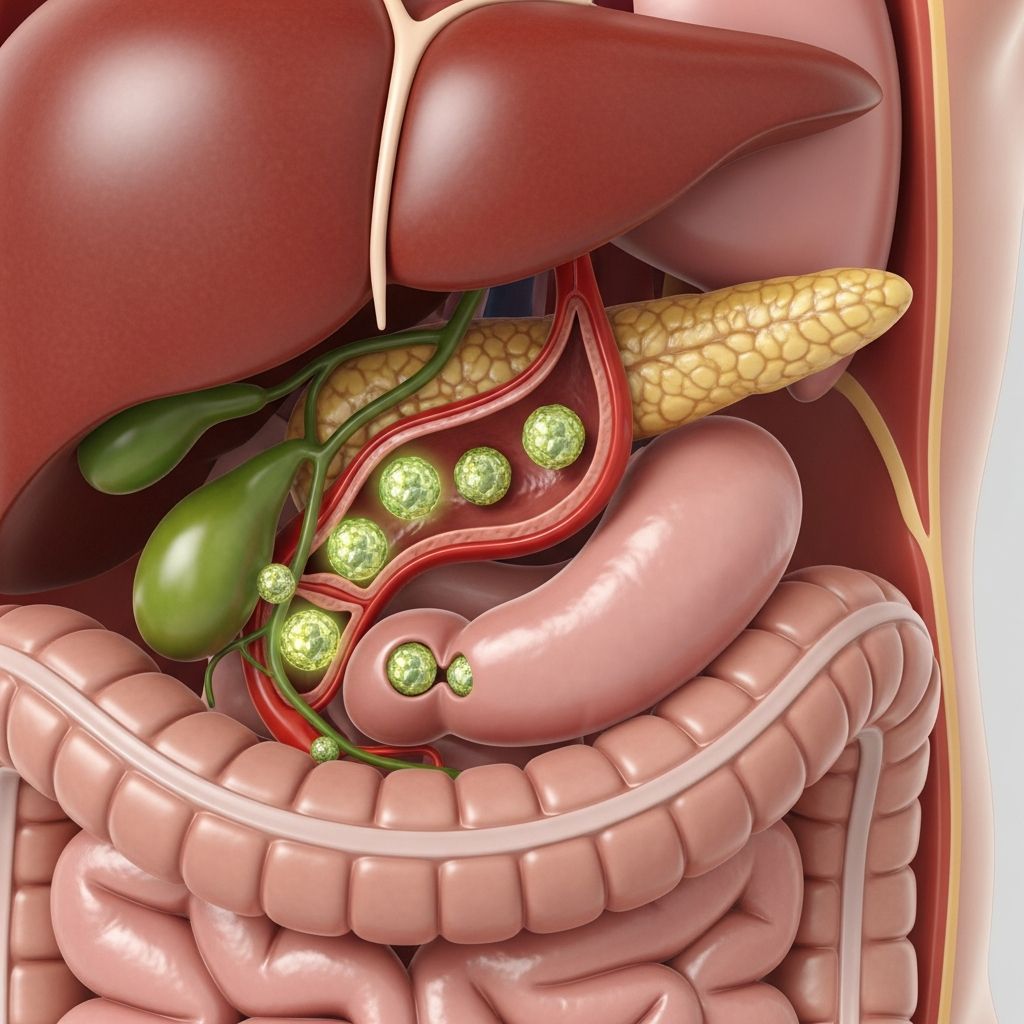
Gallstones, hardened deposits of digestive fluid in the gallbladder, affect millions worldwide and can lead to painful attacks if symptomatic. Treatment ranges from watchful waiting for asymptomatic cases to surgical removal of the gallbladder, known as cholecystectomy, which is the gold standard for symptomatic gallstones.
What Are Gallstones?
Gallstones form when bile components like cholesterol or bilirubin harden in the gallbladder.
Cholesterol gallstones
, the most common type, result from excess cholesterol in bile, whilepigment gallstones
arise from elevated bilirubin levels. Risk factors include obesity, rapid weight loss, diabetes, and family history. Many people have silent gallstones requiring no intervention, but symptomatic ones cause biliary colic—intense upper abdominal pain radiating to the back or shoulder.Symptoms often occur after fatty meals when the gallbladder contracts. Complications like cholecystitis (gallbladder inflammation), pancreatitis, or bile duct obstruction demand prompt treatment. Diagnosis typically involves ultrasound, confirming stones in over 95% of cases.
Surgical Treatments for Gallstones
Surgery is the definitive treatment for symptomatic gallstones.
Laparoscopic cholecystectomy
, a minimally invasive procedure, removes the gallbladder through small incisions using a camera and instruments. Performed under general anesthesia, it lasts 30-90 minutes with hospital discharge often the same day.- Advantages: Low complication rate (under 2%), quick recovery (1-2 weeks), prevents recurrence since no gallbladder means no new stones.
- Risks: Bile duct injury (0.5%), infection, bleeding. Open cholecystectomy is reserved for complicated cases.
For bile duct stones,
endoscopic retrograde cholangiopancreatography (ERCP)
precedes surgery. A scope through the mouth removes stones via sphincterotomy and basket extraction.| Procedure | Approach | Recovery Time | Recurrence Risk |
|---|---|---|---|
| Laparoscopic Cholecystectomy | Minimally invasive | 1-2 weeks | None |
| Open Cholecystectomy | Open surgery | 4-6 weeks | None |
| ERCP | Endoscopic | 1-2 days | Possible if gallbladder intact |
Nonsurgical Treatments for Gallstones
Nonsurgical options suit high-risk patients unfit for surgery. These target
cholesterol gallstones
and have high recurrence rates (up to 50% in 5 years).Oral Dissolution Therapy
**Ursodiol (Actigall)** and
chenodiol (Chenix)
are bile acids thinning gallbladder bile to dissolve small stones (<1 cm). Treatment spans 6-24 months, effective in 30-50% of select cases. Monitoring via ultrasound is essential; stones reform post-therapy.- Best for: Small, radiolucent cholesterol stones in functioning gallbladders.
- Side effects: Diarrhea, liver enzyme elevation.
Extracorporeal Shock Wave Lithotripsy (ESWL)
Rarely used, ESWL employs shock waves to fragment stones, combined with ursodiol for clearance. Suitable for single stones <2 cm; not widely available due to recurrence.
Other Procedures
ERCP removes common bile duct stones nonsurgically. For porcelain gallbladder (calcified wall raising cancer risk), prophylactic cholecystectomy is advised despite asymptomatics.
Medications for Symptom Relief
Pain management during attacks uses
NSAIDs
like ibuprofen, outperforming antispasmodics for biliary colic. Antiemetics address nausea; antibiotics treat infection.Natural and Home Remedies for Gallstones
While surgery and meds are evidence-based, natural approaches lack robust support but may ease symptoms.
- Gallbladder Cleanse: Olive oil, lemon juice, herbs—popular but unproven; may expel sludge, not stones. Risk of diarrhea, dehydration.
- Apple Cider Vinegar: Anecdotal for bile flow; no clinical trials.
- Yoga and Acupuncture: Small studies show pain relief and gallbladder volume reduction; more research needed.
- Gold Coin Grass: Traditional Chinese herb softens stones; limited evidence.
- Dietary Changes: Low-fat, high-fiber diet with fruits, veggies, lean proteins prevents formation.
Related Stories



Consult physicians before remedies; they don’t replace medical care.
Prevention of Gallstones
Lifestyle modifications reduce risk:
- Maintain healthy weight; avoid crash diets.
- Eat balanced: More fiber, less saturated fats/cholesterol.
- Exercise regularly: 150 minutes weekly.
- Stay hydrated; limit refined sugars.
For high-risk groups (obese, post-bariatric), ursodiol prevents stones during rapid weight loss.
When to See a Doctor
Seek immediate care for severe pain >5 hours, fever, jaundice, chills—signs of complications. Routine check for recurrent indigestion.
Life After Gallbladder Removal
Most adapt well; bile flows directly from liver to intestine. Temporary diarrhea (post-cholecystectomy syndrome) in 10-15%; managed with low-fat diet, bile acid binders. Long-term, digestion normalizes.
Frequently Asked Questions (FAQs)
What is the best treatment for gallstones?
Laparoscopic cholecystectomy is the most effective for symptomatic gallstones, preventing recurrence.
Can gallstones go away without surgery?
Yes, via oral dissolution for small cholesterol stones, but recurrence is common.
Is gallbladder removal surgery safe?
Highly safe with <1% mortality; outpatient in most cases.
Can diet dissolve gallstones?
No strong evidence; diet aids prevention, not dissolution.
What happens if gallstones are left untreated?
Silent ones often harmless; symptomatic risk cholecystitis, pancreatitis, cancer.
How long does recovery take after cholecystectomy?
1-2 weeks for laparoscopic; resume normal activities gradually.
References
- Gallstones | UCSF Department of Surgery — UCSF Surgery. Accessed 2026. https://surgery.ucsf.edu/condition/gallstones
- How to Get Rid of Gallstones: 9 Natural Treatments — Healthline. 2024-10-21. https://www.healthline.com/health/how-to-get-rid-of-gallstones
- Learn More – How can gallstones be treated? — NCBI Bookshelf, NIH. Accessed 2026. https://www.ncbi.nlm.nih.gov/books/NBK424891/
Similar Articles








Read full bio of Sneha Tete