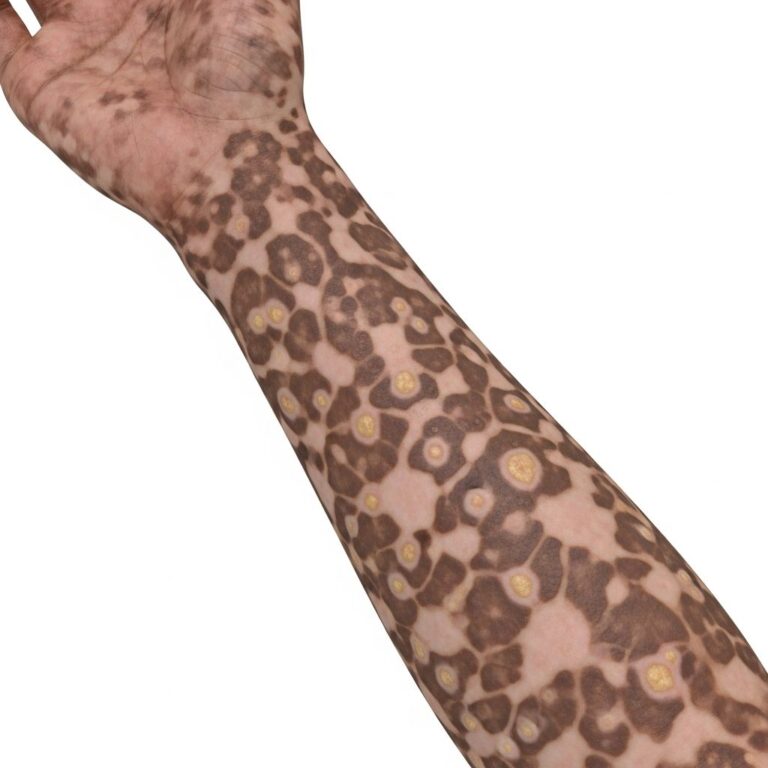
Gangrene: Causes, Symptoms, Diagnosis & Treatment
Understanding gangrene: A comprehensive guide to this serious tissue death condition and emergency care.
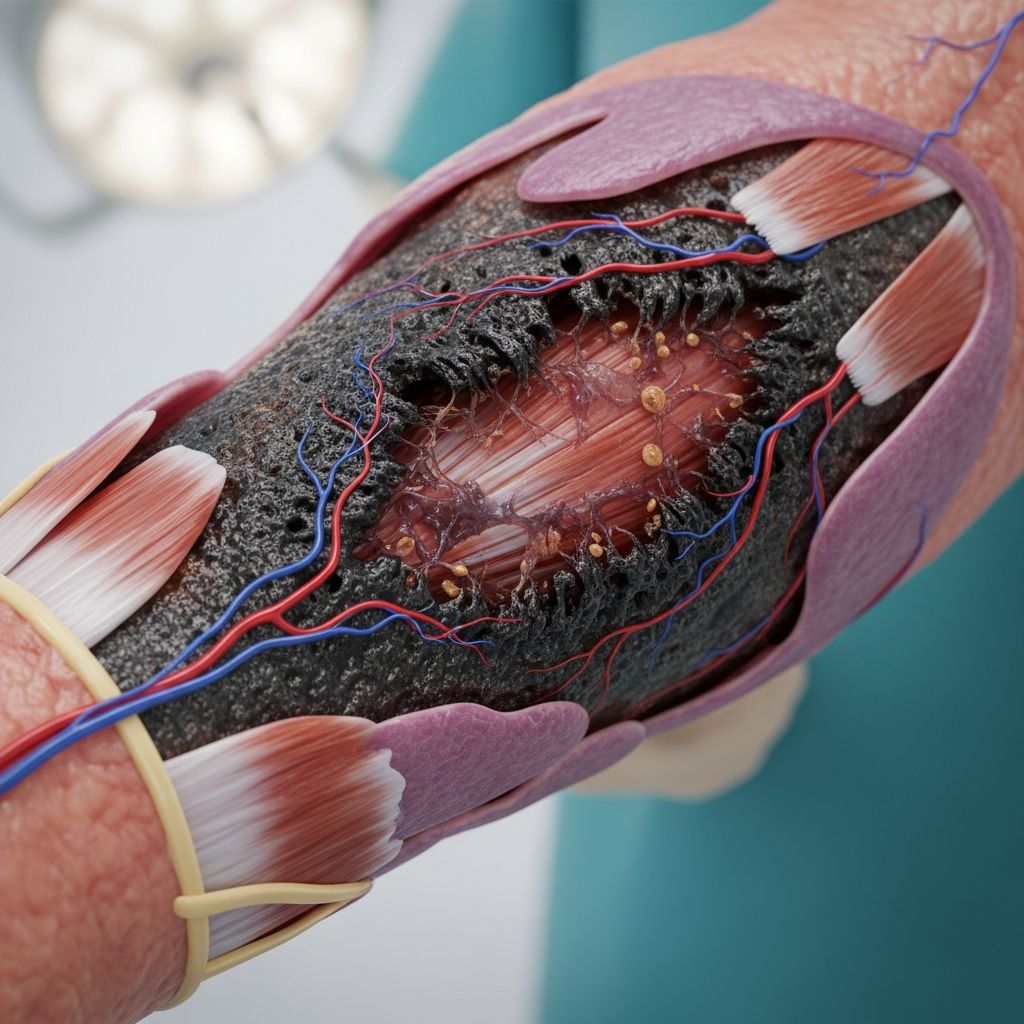
What is Gangrene?
Gangrene is a serious medical condition characterized by the death of body tissue due to inadequate blood flow or severe bacterial infection. When tissues lose their blood supply, they cannot receive the oxygen and nutrients needed to survive, resulting in tissue necrosis. This condition requires immediate medical attention, as it can spread rapidly throughout your body and lead to life-threatening complications if left untreated.
The term “gangrene” refers to any situation where a portion of your body’s tissue dies. Most commonly, gangrene affects the extremities—areas farthest from your heart— such as fingers, toes, hands, and feet. However, gangrene can develop in virtually any part of your body, including arms, legs, and even internal organs.
Types of Gangrene
Understanding the different types of gangrene is essential for recognizing symptoms and seeking appropriate treatment. Each type has distinct characteristics and causes.
Dry Gangrene
Dry gangrene occurs when blood flow to a tissue area is cut off, but the area becomes mummified and does not become infected. The affected tissue typically becomes dark, hard, and shriveled. This type of gangrene is most common in people with diabetes and those who have suffered from frostbite or burns. Dry gangrene progresses more slowly than other types, allowing for careful evaluation and treatment planning.
Wet Gangrene
Wet gangrene develops when an area lacks blood supply and becomes infected with bacteria. This type is more serious than dry gangrene because the infection can spread rapidly to healthy tissue. The affected area appears swollen, discolored, and may produce a foul-smelling discharge. Wet gangrene requires aggressive treatment and can progress to life-threatening sepsis if not managed quickly.
Gas Gangrene
Gas gangrene is a rare but severe bacterial infection caused primarily by the bacterium Clostridium perfringens. This type develops after traumatic injuries or abdominal surgery when bacteria enter deep wounds. Gas gangrene is characterized by the formation of gas bubbles and toxins within affected tissues, causing rapid tissue destruction. Approximately 1,000 people develop gas gangrene each year in the United States, and if left untreated, it has a 100 percent fatality rate. However, with proper treatment, the death rate can be reduced to as low as 5 to 10 percent.
Fournier’s Gangrene
Fournier’s gangrene is a rare, life-threatening bacterial infection that affects the genital area or perineum. This rapidly progressive condition requires immediate surgical intervention and aggressive antibiotic therapy. It predominantly affects males and can result in significant tissue loss requiring multiple surgical procedures.
Internal Gangrene
Internal gangrene affects internal organs and can develop when blood supply to organs such as the bowel, appendix, or gallbladder is compromised. This type is particularly dangerous because symptoms may not be immediately apparent, and diagnosis can be delayed.
Causes of Gangrene
Gangrene results from either insufficient blood flow or serious bacterial infection. Several factors can increase your risk of developing this condition:
Related Stories



Vascular Problems
Atherosclerosis, peripheral artery disease, and blood clots can all reduce blood flow to tissues. When arteries become narrowed or blocked, oxygen cannot reach tissues adequately, leading to tissue death. Diabetes significantly increases the risk of vascular problems and gangrene development.
Trauma and Injury
Severe injuries, such as crush injuries, burns, or freezing (frostbite), can damage blood vessels and cut off blood supply to affected areas. Deep traumatic wounds are particularly susceptible to bacterial contamination and gas gangrene development.
Surgery Complications
Post-surgical complications, including infection or inadvertent damage to blood vessels, can lead to gangrene. Abdominal surgery carries particular risk for gas gangrene development.
Autoimmune and Inflammatory Conditions
Certain autoimmune diseases and inflammatory conditions, such as pyoderma gangrenosum, can trigger tissue destruction and gangrene-like appearances.
Risk Factors
Several factors increase your susceptibility to gangrene, including diabetes, smoking, advanced age, immunosuppression, chronic kidney disease, and peripheral vascular disease.
Symptoms and Warning Signs
Recognizing gangrene symptoms early is critical for successful treatment. Contact your healthcare provider immediately if you experience any of the following:
Early Symptoms
- Persistent, unexplained pain in a body area
- Skin discoloration—ranging from pale to blue, purple, or black
- Sudden pain at the site of recent surgery or trauma
- Skin that feels cold, numb, and hard to the touch
- Persistent fever without obvious cause
- Swelling or blistering of the affected area
- Foul-smelling discharge leaking from a sore or wound
- A clear line of demarcation between affected and healthy tissue
Severe Symptoms (Medical Emergency)
Seek emergency care immediately if you develop signs of spreading infection, including chills, rapid heartbeat, generalized weakness, or signs of septic shock such as confusion, low blood pressure, or loss of consciousness.
Diagnosis of Gangrene
Your healthcare provider will use several diagnostic methods to confirm gangrene and determine its type and extent:
Medical History and Physical Examination
Your doctor will review your medical history, including any recent injuries, surgeries, or medical conditions. A thorough physical examination of the affected area helps identify characteristic signs of tissue death and infection.
Blood Tests
Blood tests reveal elevated white blood cell counts, indicating infection or immune system activation. Culture tests can identify specific bacterial organisms responsible for the infection, guiding antibiotic selection.
Imaging Tests
Various imaging techniques help assess the extent of tissue damage and infection spread:
- X-rays: Can reveal gas bubbles within tissues characteristic of gas gangrene
- CT scans: Provide detailed cross-sectional images showing tissue damage and gas accumulation
- MRI scans: Offer excellent visualization of soft tissue involvement and infection extent
- Arteriogram: Involves injecting dye into blood vessels to visualize blood flow and identify blocked arteries
Tissue and Fluid Analysis
Microscopic examination of tissue samples or wound fluid can identify the specific bacteria causing infection. This information is essential for selecting appropriate antibiotic therapy.
Treatment Options for Gangrene
Treatment depends on the type and severity of gangrene, as well as the underlying cause. Early intervention significantly improves outcomes.
Antibiotic Therapy
High-dose antibiotics form the foundation of gangrene treatment, particularly for bacterial infections. For gas gangrene, intravenous antibiotics are administered immediately and continued throughout hospitalization. The choice of antibiotic depends on the identified bacterial organism.
Surgical Debridement
Debridement—surgical removal of dead, damaged, or infected tissue—is often necessary to prevent infection spread and promote healing. Depending on the extent of tissue involvement, multiple surgical procedures may be required. Daily or twice-daily wound dressing changes follow debridement to keep the wound clean and promote healing.
Amputation
For severe cases where gangrene has extensively damaged a limb or digit, amputation may be necessary to save your life. Amputation prevents the spread of infection and allows focus on treating remaining healthy tissue. Following amputation, prosthetic fitting can help restore function and mobility.
Hyperbaric Oxygen Therapy
Hyperbaric oxygen therapy involves breathing pure oxygen in a pressurized chamber. This treatment increases oxygen levels in blood and tissues, slowing bacterial growth and promoting wound healing. It is particularly beneficial in gas gangrene management.
Vascular Surgery
When gangrene results from blocked arteries or poor blood flow, vascular surgery may restore circulation to affected tissues. Procedures such as bypass grafting or angioplasty can improve blood supply and prevent tissue death.
Wound Care
Proper wound management is essential throughout treatment. This includes regular cleaning, dressing changes, and monitoring for signs of infection spread or complications.
Prevention of Gangrene
While not all cases of gangrene are preventable, you can reduce your risk through several measures:
- Maintain good diabetes control through proper diet, exercise, and medication adherence
- Perform daily foot inspections, especially if you have diabetes or circulatory problems
- Seek prompt treatment for cuts, wounds, or infections
- Avoid smoking, which damages blood vessels and reduces circulation
- Protect extremities from cold exposure and frostbite
- Maintain healthy weight and manage cardiovascular risk factors
- Follow post-operative wound care instructions carefully after surgery
- Manage chronic conditions such as diabetes and peripheral artery disease
Recovery and Prognosis
Recovery from gangrene depends on numerous factors, including how quickly you received treatment, the type of gangrene, the extent of tissue involvement, and your overall health status. People with gangrene affecting extremities generally have better outcomes than those with abdominal or chest involvement.
Hospital stays typically last from three to six weeks, with additional recovery time needed at home. Rehabilitation may be necessary, particularly if amputation was performed. The sooner you seek medical attention, the greater your chances of recovery and preservation of function.
Frequently Asked Questions About Gangrene
Q: What is the difference between dry and wet gangrene?
A: Dry gangrene occurs when tissue dies without bacterial infection, while wet gangrene involves bacterial infection. Wet gangrene is more serious and progresses more rapidly because infection can spread quickly to healthy tissue.
Q: Is gangrene always fatal if untreated?
A: Untreated gangrene, particularly gas gangrene, has a very high fatality rate. Gas gangrene has a 100 percent fatality rate if left untreated. However, with prompt treatment including antibiotics and surgery, survival rates improve significantly.
Q: Can gangrene be prevented if I have diabetes?
A: While you cannot eliminate all risk, proper diabetes management, daily foot inspections, good foot hygiene, and prompt treatment of any cuts or infections can significantly reduce your gangrene risk.
Q: How long does recovery from gangrene take?
A: Recovery varies depending on the severity and type of gangrene. Hospitalization typically lasts three to six weeks, with additional recovery time at home. Rehabilitation may be necessary, particularly following amputation.
Q: What should I do if I suspect I have gangrene?
A: Seek emergency medical care immediately. Do not wait for symptoms to worsen. Call 911 or go to the nearest emergency room if you experience persistent unexplained pain, unusual skin discoloration, or foul-smelling discharge from a wound.
Q: Can gangrene recur after treatment?
A: While successful treatment removes the affected tissue, underlying conditions that caused gangrene (such as diabetes or poor circulation) may increase the risk of gangrene developing elsewhere. Ongoing management of these conditions is important for prevention.
References
- Gangrene: Causes, Symptoms, and Treatments — WebMD. 2024. https://www.webmd.com/skin-problems-and-treatments/guide/gangrene-causes-symptoms-treatments
- Gas Gangrene: Causes, Symptoms, Treatment & Prevention — Cleveland Clinic. 2024. https://my.clevelandclinic.org/health/diseases/24739-gas-gangrene
- Gangrene – Symptoms & causes — Mayo Clinic. 2024. https://www.mayoclinic.org/diseases-conditions/gangrene/symptoms-causes/syc-20352567
- Gangrene: Types, Symptoms, Risk Factors, and Diagnosis — Healthline. 2024. https://www.healthline.com/health/gangrene
- Fournier’s Gangrene: Causes, Symptoms & Treatment — Cleveland Clinic. 2024. https://my.clevelandclinic.org/health/diseases/22025-fourniers-gangrene
- Fournier gangrene — Cleveland Clinic Journal of Medicine. 2018. https://www.ccjm.org/content/85/9/664
Similar Articles








Read full bio of medha deb