Gardening Without Eczema Flares: Practical, Itch-Free Tips
Discover practical strategies to enjoy gardening while protecting sensitive skin from irritants, allergens, and environmental triggers.
Engaging in gardening can bring immense joy and therapeutic relief, yet for those with eczema, it poses unique challenges due to potential skin irritants like pollen, soil microbes, and plant saps. With targeted precautions, individuals can cultivate their gardens while minimizing flare risks and maintaining skin health.
Understanding Eczema Triggers in Outdoor Activities
Eczema, or atopic dermatitis, involves a compromised skin barrier that reacts adversely to environmental factors. During gardening, common culprits include pollen from flowering plants, fungal spores in damp soil, chemical residues from fertilizers, and even friction from tools or thorns. These elements can penetrate dry, cracked skin, leading to inflammation, itching, and infection. Heat, sweat, and UV exposure further exacerbate dryness, weakening the skin’s natural defenses.
Research highlights that allergens such as pollen often coincide with peak gardening seasons, linking outdoor work directly to symptom worsening in sensitive individuals. Recognizing these triggers empowers proactive management, transforming gardening from a potential hazard into a beneficial routine.
Essential Protective Gear for Sensitive Skin
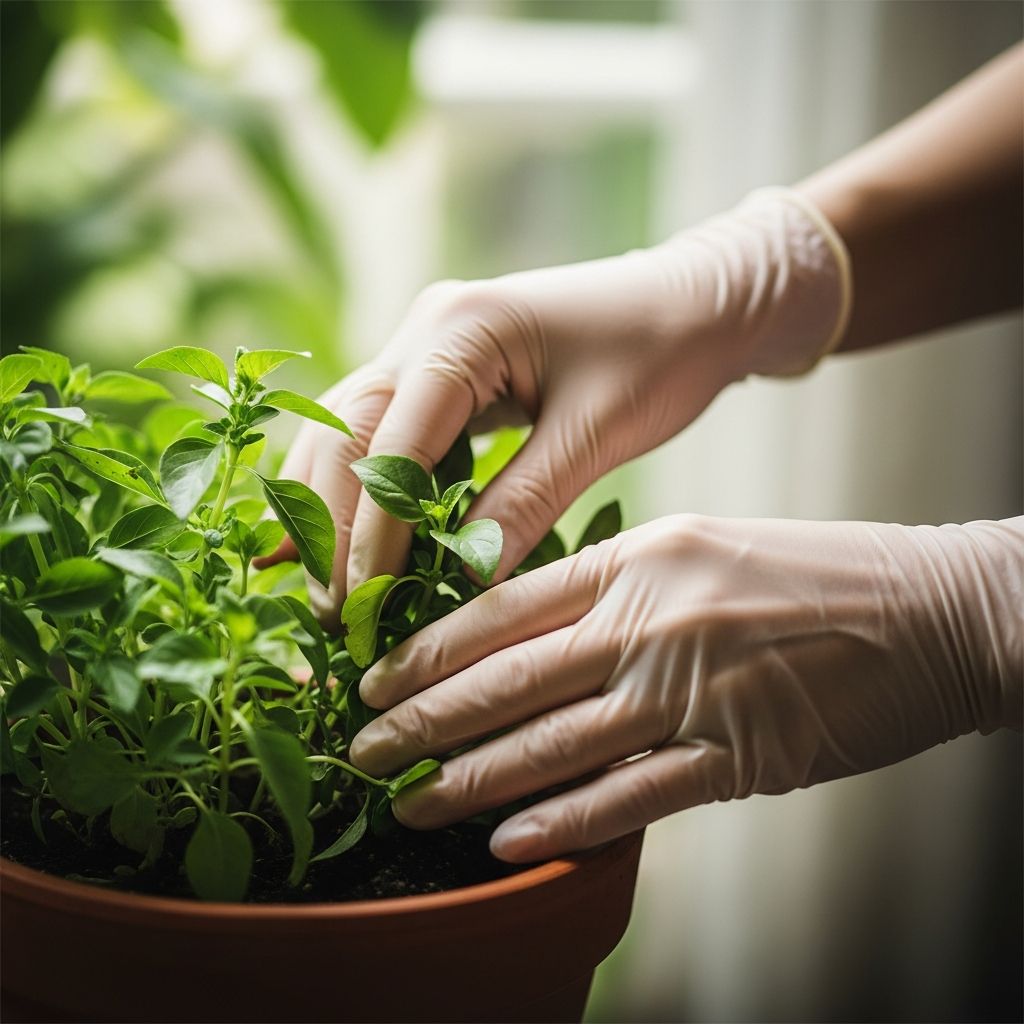
Selecting the right equipment forms the foundation of safe gardening. Start with gloves crafted from breathable, natural fibers like cotton or bamboo, which prevent sweat buildup unlike latex or synthetic options that trap moisture and irritate. Layering a soft inner glove under durable outer ones adds extra shielding against soil and thorns.
- Opt for unlined cotton gloves to avoid dye-related reactions.
- Consider arm sleeves made from organic cotton for upper limb protection during pruning.
- Choose long-sleeved, lightweight shirts and pants in breathable fabrics to block plant contact and sun.
Wear wide-brimmed hats and UV-protective eyewear to safeguard face and scalp, areas prone to ear and neck eczema. A lightweight mask during high-pollen periods or compost handling filters airborne irritants.
Pre-Gardening Skincare: Building a Strong Barrier
Fortify your skin before heading outdoors with a multi-step routine. Apply a thick emollient containing ceramides, shea butter, or castor oil-derived ingredients 30 minutes prior; these occlusives seal in moisture and repel irritants. Follow with a fragrance-free sunscreen rated SPF 30+ for broad-spectrum protection, reapplying every two hours.
| Step | Product Type | Key Ingredients | Application Time |
|---|---|---|---|
| 1. Cleanse | Gentle, soap-free | Hypoallergenic | Evening before |
| 2. Moisturize | Ointment or balm | Ceramides, petrolatum | 30 min prior |
| 3. Protect | Sunscreen | Mineral-based (zinc oxide) | Immediately before |
This layered approach mimics professional dermatological advice, preserving the skin’s lipid barrier against gardening stressors.
Selecting Low-Risk Plants and Garden Features
Not all greenery is equal for eczema-prone skin. Prioritize sterile hybrids or female dioecious plants that produce minimal pollen, such as ferns, hibiscus, roses (double-flowered varieties), and certain evergreens. Avoid high-allergen species including birch, daisies, sunflowers, and chrysanthemums, which release copious airborne particles.
- Safe choices: Hostas, impatiens, petunias, boxwood shrubs.
- High-risk to limit: Ragweed, oaks, grasses, Compositae family members.
- Groundcovers like creeping phlox or pachysandra reduce mowing and pollen from lawns.
Related Stories



Replace wood mulch, which fosters mold, with gravel or rubber alternatives for better drainage and fewer spores. Research plants via botanical databases before planting to confirm low-dermatitis potential.
Mastering Timing and Seasonal Strategies
Align activities with environmental conditions to dodge peak irritants. Garden mid-morning to midday when pollen settles post-dew, avoiding dawn and dusk highs; check daily forecasts. In spring, target cooler mornings amid fluctuating pollen from blooms. Summer demands early or late sessions to evade heat-induced sweating, with shaded breaks.
Fall focuses on leaf clearance to prevent mold, while winter limits exposure during frosty, dry air. Gradually increase session lengths from 15 minutes to build tolerance. Monitor UV index and stay indoors during midday peaks.
Navigating Chemicals and Tools Safely
Conventional fertilizers, pesticides, and herbicides often contain skin-aggravating compounds. Select organic, low-toxicity alternatives labeled for sensitive use, and apply with full coverage gear. Dilute solutions and test on small areas first.
Use ergonomic, padded tools to minimize friction blisters. For pest control, embrace natural methods like companion planting or neem oil, which pose fewer risks than synthetics.
Post-Gardening Recovery Routine
Immediate aftermath care prevents latent flares. Outdoors, shake off clothing to dislodge debris, then undress before entering. Shower with lukewarm water and a syndet bar (soap substitute) to gently remove residues without stripping oils. Pat dry and reapply emollients within three minutes to lock in hydration.
- Launder gear in hypoallergenic detergent.
- Vacuum indoor spaces with HEPA filters to trap tracked-in pollen.
- Monitor skin for 24 hours; treat early itch with cool compresses or prescribed topicals.
Stay hydrated internally and use anti-inflammatory sprays for instant cool-down during extended sessions.
Holistic Benefits of Gardening for Eczema
Beyond physical precautions, gardening reduces stress—a known flare trigger—through mindfulness and light exercise. Studies show improved mood and symptom control in children and caregivers participating together. Moderate sun exposure boosts vitamin D, aiding skin repair when balanced against burns.
View gardening as therapy: short, protected sessions yield mental health gains without compromising dermatological stability.
Frequently Asked Questions
Can I garden daily with eczema?
Yes, with protections; limit to 30-60 minutes initially, adjusting based on skin response and weather.
What if I react to all gloves?
Try bamboo or lined cotton; apply balm underneath for a custom barrier.
Are organic pesticides safe?
Generally safer, but always patch-test and follow labels; prefer mechanical weed control.
How does sun affect eczema?
Moderate exposure helps, but excess dries skin—use mineral SPF and shade.
Best plants for beginners?
Ferns, succulents, and lavender offer low maintenance and minimal allergens.
Long-Term Garden Planning for Skin Health
Design zones with eczema in mind: raised beds minimize bending and soil contact; drip irrigation cuts wet foliage handling. Integrate pollinator-friendly but low-pollen blooms to support biodiversity safely. Annual reviews of plant performance ensure ongoing suitability.
Collaborate with dermatologists for personalized advice, integrating gardening into broader management plans. This proactive ethos sustains passion for horticulture lifelong.
References
- Eczema and Gardening: Tips to Protect Sensitive Skin — NellaDerm. 2023. https://nelladerm.com/eczema-and-gardening-tips-to-protect-sensitive-skin/
- Allergy-Friendly Gardening: Top Tips for an Itch-Free Spring — Eczema Clothing. 2024. https://eczemaclothing.com/blogs/allergies-eczema-triggers/allergy-friendly-gardening-top-tips-for-an-itch-free-spring
- How to Avoid an Eczema Flare-Up When Gardening — CV Skinlabs. 2023. https://cvskinlabs.com/how-to-avoid-an-eczema-flare-up-when-gardening/
- 5 Tips for Flare-Free Gardening — National Eczema Association. 2024-03-12. https://nationaleczema.org/blog/flare-free-gardening/
- Backyard Bliss: Creating an Allergy-Friendly Oasis — Asthma & Allergy Center. 2023. https://asthmanc.com/learn/articles-resources/backyard-bliss-creating-an-allergy-friendly-oasis
Similar Articles








Read full bio of Sneha Tete