Gardening and Yard Work: Exercise with Purpose
Transform your garden into a gym: Discover how gardening provides purposeful exercise for total body fitness and wellness.
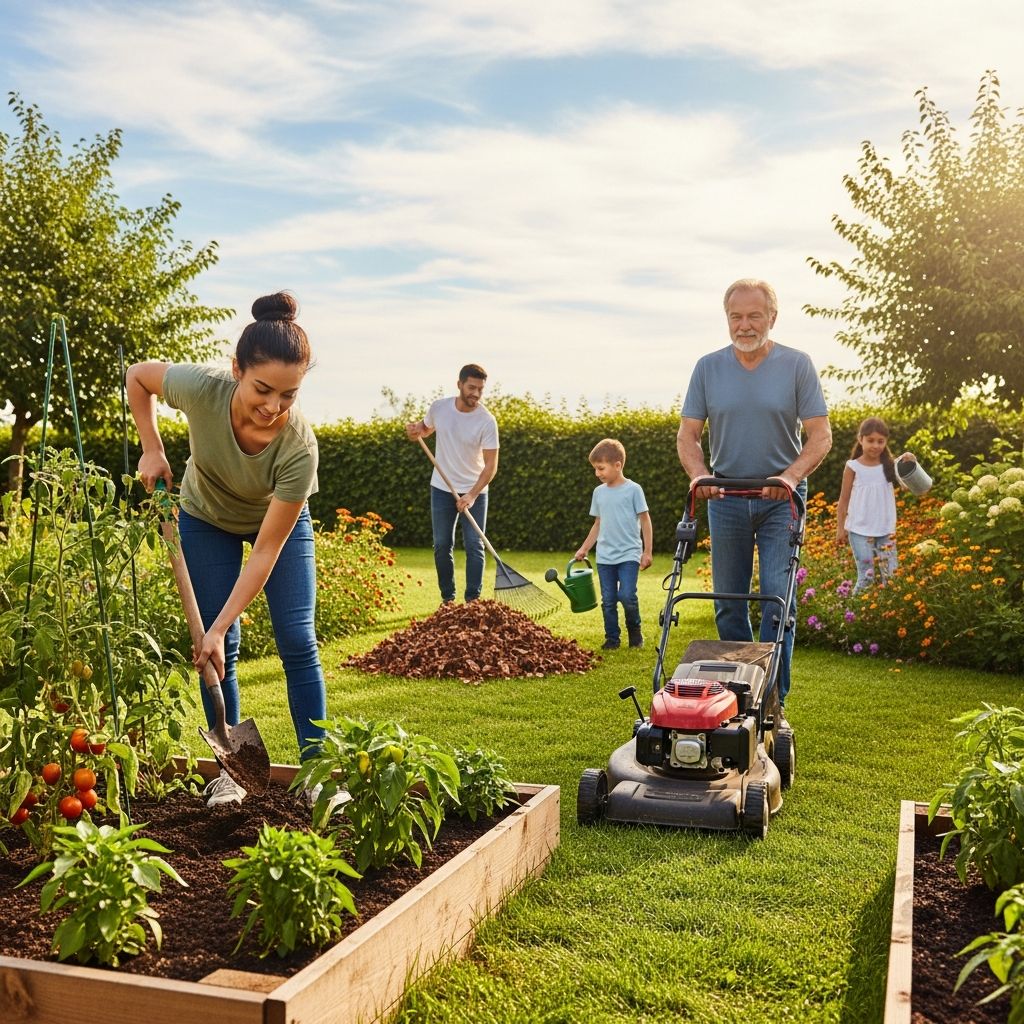
When most people think about exercise, they envision a gym membership, treadmills, and weight machines. Yet one of the most effective and enjoyable forms of physical activity exists right outside your door—in your garden or yard. Gardening and yard work provide authentic exercise opportunities that strengthen your body, improve your cardiovascular health, and deliver mental wellness benefits. The best part? It’s accessible, affordable, and comes with the added reward of beautiful landscaping or fresh produce.
Gardening Burns Calories Like Traditional Exercise
One of the most compelling reasons to consider gardening as legitimate exercise is its calorie-burning potential. Research demonstrates that gardening activities match or exceed the energy expenditure of conventional exercise routines. A 30-minute gardening session for a person weighing 155 pounds can burn approximately 167 calories, which exceeds the calorie burn from water aerobics at 149 calories. Different gardening tasks deliver varying intensity levels:
- Planting seedlings or raking your lawn: 149 calories in 30 minutes, equivalent to water aerobics or Hatha yoga
- Weeding for 30 minutes: 172 calories, surpassing moderate calisthenics
- Digging and spading garden soil: 186 calories per 30 minutes, matching skateboarding or playing softball
- Mowing the lawn with a push mower: 205 calories, comparable to disco dancing
According to guidelines from the 2019 UK Chief Medical Officers’ Physical Activity Guidelines, adults should engage in at least 150 minutes of moderate physical activity each week. A 2021 study by Harvard Medical School found that 30 minutes of gardening can burn a comparable number of calories to a variety of sports. Depending on your weight, gardening can burn between 135 and 189 calories, placing it on par with other moderate exercises like walking, cycling, or yoga. The intensity of gardening rivals calisthenics—a form of strength training using body weight with minimal equipment—and proves even more demanding than casual badminton or volleyball.
Full-Body Strength and Muscle Development
Gardening provides comprehensive strength training that engages multiple muscle groups simultaneously. Unlike isolated gym exercises targeting specific areas, garden work demands coordinated effort from your entire body. The major muscle groups activated during gardening include your legs, buttocks, shoulders, stomach, arms, neck, and back.
Specific gardening tasks strengthen distinct muscle groups while building functional fitness:
- Shoveling soil and digging work your core, arms, and legs while combining weightlifting with aerobic exercise
- Carrying watering cans builds arm and shoulder strength while improving grip strength
- Pulling weeds strengthens arms, legs, and core muscles through repetitive motion
- Pushing a wheelbarrow engages multiple muscle groups and builds endurance
- Raking leaves activates shoulders, arms, and core muscles
As Anastasia Hancock from GoodGym explains, “Gardening is strength, cardio and conditioning all in one – it’s a full-body workout. But when you are gardening, you don’t really notice what your muscles are doing. It’s not like lifting weights or being on a treadmill, where all you are thinking is, ‘this hurts’ or ‘this is boring’. Yet, after every session, you can definitely feel the workout.” This effortless quality makes gardening particularly appealing—you receive substantial fitness benefits while engaging in an activity that feels natural rather than strenuous.
Cardiovascular Health and Endurance Benefits
Beyond muscle strengthening, gardening significantly improves cardiovascular health. Tasks that elevate your heart rate promote better circulation and cardiovascular endurance. Raking leaves, pushing a lawnmower, or carrying mulch raise your heart rate, strengthening your cardiovascular system. Even lighter activities like planting flowers or watering encourage movement and help reduce sedentary time.
Related Stories



Regular gardening meets the American exercise guidelines for aerobic activity. Research indicates that 30 minutes daily of moderate exercise such as gardening lowers blood pressure and cholesterol levels, helps prevent diabetes and heart disease, and prevents or slows osteoporosis. Meeting the 150 minutes per week of aerobic activity recommendation offers substantial health benefits including lower risk of premature death, coronary heart disease, stroke, hypertension, type 2 diabetes, and depression.
Flexibility, Joint Mobility, and Balance
Gardening naturally incorporates flexibility training through its inherent movements. Bending, stretching, and reaching while tending plants maintain and improve joint mobility and flexibility. These movements prove especially important for older adults and individuals with conditions like arthritis, as they help preserve range of motion and reduce joint stiffness.
For elderly gardeners, the benefits extend beyond simple flexibility. Studies show that gardening activities increase hand strength and pinch force while improving self-esteem. Improved balance and stronger muscles reduce the risk of falls, a significant health concern for aging populations. Research even suggests that gardening may lower the risk of dementia—in one study, daily gardening was associated with a 36 percent decrease in dementia for both men and women.
Disease Prevention and Long-Term Health Outcomes
The health benefits of regular gardening extend well beyond immediate physical fitness. At higher activity levels, gardening and comparable exercise can reduce risks of colon and breast cancer, and other diseases. Common gardening tasks lower the risk of high cholesterol, high blood pressure, coronary heart disease, stroke, Type 2 diabetes, obesity, osteoporosis, and depression.
Research demonstrates that gardening provides disease prevention benefits comparable to or exceeding traditional exercise programs. The combination of physical exertion, outdoor exposure, and mental engagement creates a synergistic effect that protects against multiple chronic conditions. As gardeners mature, these benefits continue accumulating, proving that it’s never too late to start gardening for health.
Mental Health and Emotional Wellness
Beyond physical fitness, gardening delivers substantial mental health benefits. Connecting with nature has clear psychological advantages. Research shows that gardening can reduce stress and anxiety, providing relief from the pressures of daily life. Being outdoors and tending to plants fosters mindfulness and creates a sense of accomplishment, especially when observing the tangible results of your efforts.
The sensory aspects of gardening contribute to its therapeutic qualities. The smell of fresh basil in summer sun, the feel of soil in your hands, and the visual beauty of growing plants engage your senses in calming ways. Being outdoors in fresh air and soaking up vitamin D boosts mood and promotes relaxation. The satisfaction of growing food or beautifying a space adds to the overall sense of accomplishment and purpose.
Dr. Lauriane Chalmin-Pui, former RHS Wellbeing Fellow and lead author of research on gardening’s health benefits, states: “Gardening every day has the same positive impact on wellbeing as undertaking regular, vigorous exercise like cycling or running. Nevertheless, it is like effortless exercise because it doesn’t feel as strenuous as going to the gym.” This psychological ease makes gardening sustainable—people are more likely to continue activities they enjoy rather than ones they view as chores.
Nutritional Benefits of Growing Your Own Food
Beyond the direct physical benefits of gardening, growing your own fruits and vegetables can encourage a more varied and healthy diet. When you invest time cultivating produce, you’re more likely to consume it. Homegrown vegetables typically contain higher nutrient levels than store-bought alternatives and lack pesticide residues. This combination of regular physical activity with improved nutritional intake creates a comprehensive approach to wellness.
Accessibility for All Fitness Levels
A significant advantage of gardening as exercise is its universal accessibility. Gardening can be adapted to different fitness levels, making it an accessible way to stay active at any age. Whether tending to a small flower bed or managing a large vegetable garden, these activities contribute to a healthier lifestyle. Someone recovering from injury can engage in light watering and planting, while athletic individuals can undertake more demanding tasks like digging and heavy landscaping.
This flexibility means gardening accommodates people with varying mobility levels, chronic conditions, or fitness backgrounds. It’s a natural and cheaper alternative to gym memberships, eliminating financial barriers that prevent many people from exercising regularly. Unlike gym environments that can feel intimidating to beginners, gardening occurs in a familiar, personal space where you can work at your own pace.
Seasonal Yard Work as Extended Exercise
Yard maintenance tasks throughout the seasons provide ongoing exercise opportunities. Spring digging and soil preparation, summer weeding and watering, fall leaf raking, and winter pruning create year-round physical activity. Each season brings different tasks that engage various muscle groups and energy systems, preventing workout monotony while maintaining consistent physical activity.
Cost-Effective Fitness Solution
Gardening offers a significant economic advantage compared to traditional fitness programs. Unlike gym memberships requiring monthly fees and expensive equipment, gardening requires minimal investment. Basic tools like a spade, rake, and watering can cost substantially less than gym equipment or memberships. “Gardening is a good way to exercise and keep active without spending money on a gym,” as fitness volunteers note. This affordability makes gardening an excellent option for budget-conscious individuals seeking sustainable physical activity.
Important Safety Considerations
While gardening provides excellent exercise benefits, proper technique prevents injury. The RHS recommends that you consult a doctor before undertaking exercise if you have health issues. Like all other sports, gardening can cause injuries when exercises are not done correctly. Using proper form when lifting, bending, and stretching protects your joints and muscles. Warming up before intense gardening and cooling down afterward reduces injury risk. Appropriate tools sized for your body and well-maintained equipment also contribute to safe gardening.
Making Gardening Part of Your Fitness Routine
To maximize gardening’s health benefits, approach it with intentionality. Schedule regular gardening sessions rather than sporadic activity. Aim for at least 150 minutes of moderate gardening weekly to meet physical activity guidelines. Mix different gardening tasks to engage various muscle groups and maintain cardiovascular intensity. Gradually increase the difficulty and duration of tasks as your fitness improves.
Combine gardening with other activities to create a balanced fitness program. Walking between garden beds, incorporating strength training through heavy tasks like digging, and maintaining consistent activity throughout seasons creates comprehensive fitness. Track your gardening time and intensity to ensure you’re meeting exercise recommendations.
Frequently Asked Questions About Gardening as Exercise
Q: How much time must I spend gardening to receive fitness benefits?
A: According to UK Chief Medical Officers’ guidelines, 30 minutes of moderate gardening daily or 150 minutes weekly delivers significant health benefits including improved cardiovascular health, reduced disease risk, and better mental wellness.
Q: Is gardening sufficient as my only exercise?
A: Yes, regular gardening meeting the 150-minute weekly guideline can serve as your primary form of physical activity. However, combining it with other exercises creates a more balanced fitness routine addressing all aspects of health.
Q: What gardening tasks burn the most calories?
A: Tasks like mowing with a push mower (205 calories in 30 minutes), digging and spading (186 calories in 30 minutes), and weeding (172 calories in 30 minutes) burn the most calories compared to lighter activities like planting or watering.
Q: Can elderly people benefit from gardening exercise?
A: Absolutely. Gardening is especially beneficial for older adults, improving balance, muscle strength, hand grip, and self-esteem while reducing fall risk and potentially lowering dementia risk by up to 36 percent.
Q: Are there any health risks associated with gardening?
A: While gardening is generally safe, improper technique can cause injuries. Always consult a doctor before starting exercise if you have health issues, use proper form when lifting and bending, and warm up before strenuous gardening.
Q: How does gardening compare to traditional gym workouts?
A: Gardening provides comparable or superior calorie burn and strength benefits to many traditional exercises while offering mental health advantages and cost savings. It engages all major muscle groups in a full-body workout that feels less strenuous than gym-based exercise.
Q: Can I use gardening to meet my weekly exercise requirements?
A: Yes, 150 minutes of moderate gardening weekly meets the physical activity guidelines recommended by health authorities, providing all associated health benefits of regular exercise.
References
- Why gardening is great exercise for both body and mind — Royal Horticultural Society (RHS). 2024. https://www.rhs.org.uk/advice/health-and-wellbeing/articles/why-gardening-is-great-exercise-for-your-body
- Growing Healthier Together: The Benefits of Gardening for Body and Mind — Harvard School of Public Health. 2024. https://hsph.harvard.edu/mahalingaiah-lab/news/growing-healthier-together-the-benefits-of-gardening-for-body-and-mind/
- Gardening Gains: Turn yard work into a workout — University of Illinois Extension. 2024. https://extension.illinois.edu/podcasts/wellness-wake-call/gardening-gains-turn-yard-work-workout
- How to Add Gardening to Your Exercise Program — GardenTech. 2024. https://www.gardentech.com/blog/gardening-and-healthy-living/gardening-for-exercise-and-enjoyment
- Garden Themed Workout: Ways To Exercise While Gardening — Gardening Know How. 2024. https://www.gardeningknowhow.com/garden-how-to/lifestyle/garden-themed-workout.htm
- Gardening is Exercise — National Gardening Association. 2024. https://garden.org/learn/articles/view/126/Gardening-is-Exercise/
Similar Articles








Read full bio of medha deb