Gardner Syndrome: Causes, Symptoms, Diagnosis & Treatment
Understanding Gardner syndrome: A hereditary condition causing colon polyps and extracolonic tumors.
Understanding Gardner Syndrome
Gardner syndrome is a rare, inherited condition that represents a subtype of familial adenomatous polyposis (FAP), characterized by the development of hundreds to thousands of abnormal growths in the colon and rectum. This hereditary disorder significantly elevates the risk of colorectal cancer and presents with various extracolonic manifestations that distinguish it from classic FAP. Individuals with Gardner syndrome typically develop multiple adenomatous polyps beginning in their teenage years, with the condition progressing to affect nearly all patients by their mid-thirties. Unlike sporadic colon polyps that develop randomly with age, Gardner syndrome represents a systematic predisposition to polyp formation due to an inherited genetic mutation.
The condition acquired its name to describe the extracolonic features—manifestations appearing outside the colon—that accompany the intestinal polyp development. These include benign skin tumors, dental abnormalities, bone lesions, and distinctive eye findings that serve as clinical markers of the syndrome. Understanding this comprehensive spectrum of features is essential for proper diagnosis, surveillance, and management of affected individuals and their families.
What Causes Gardner Syndrome?
Gardner syndrome results from mutations in the APC (adenomatous polyposis coli) gene, which functions as a tumor suppressor gene responsible for controlling cell growth and division. When this gene is mutated, cells lose their ability to properly regulate growth, leading to the uncontrolled formation of polyps throughout the digestive tract. The mutation follows an autosomal dominant inheritance pattern, meaning that inheriting just one mutated copy of the APC gene from either parent is sufficient to develop the syndrome.
This genetic mutation is inherited from a parent who carries the same mutation, giving children of affected individuals a 50% chance of inheriting the condition. Approximately one-third of Gardner syndrome cases arise from new mutations occurring spontaneously in affected individuals without a family history, while the remaining cases demonstrate clear hereditary patterns. The presence of the APC mutation triggers a cascade of cellular changes that predispose to malignant transformation, making early detection and intervention critical for preventing cancer development.
Key Features and Symptoms
Gastrointestinal Manifestations
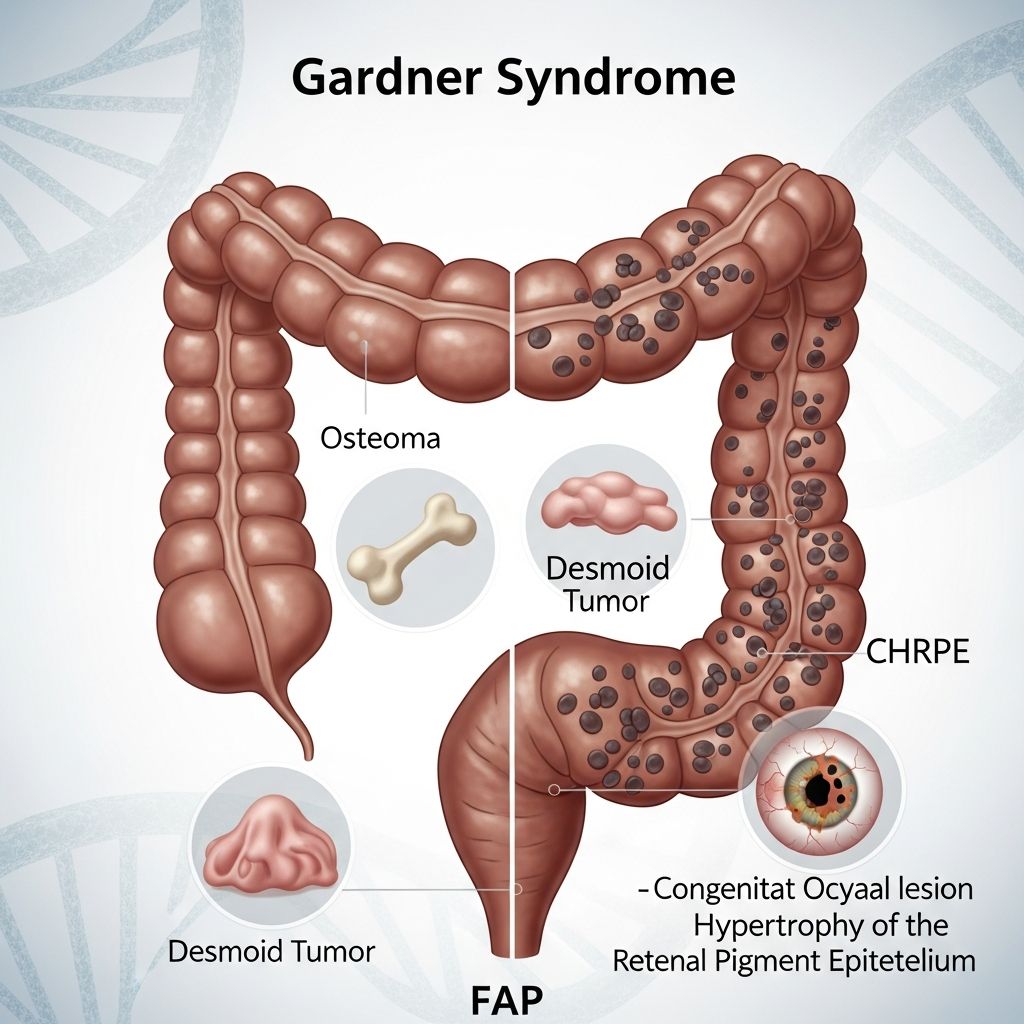
The hallmark feature of Gardner syndrome is the development of numerous adenomatous polyps in the colon and rectum, typically appearing by the teenage years or early adulthood. Patients may develop anywhere from hundreds to thousands of these polyps, creating a carpet-like appearance of the intestinal lining. Many individuals experience no symptoms from the polyps themselves, though some may notice blood in stool, changes in bowel habits, or abdominal discomfort as polyp burden increases.
Beyond colon polyps, Gardner syndrome patients frequently develop polyps in the small intestine, stomach, and duodenum. These upper gastrointestinal polyps can occasionally progress to malignancy, requiring dedicated surveillance protocols. The cumulative cancer risk approaches 100% without intervention, making prophylactic surgical management the standard of care.
Extracolonic Features
Gardner syndrome distinguishes itself through numerous non-colonic manifestations that serve as diagnostic markers:
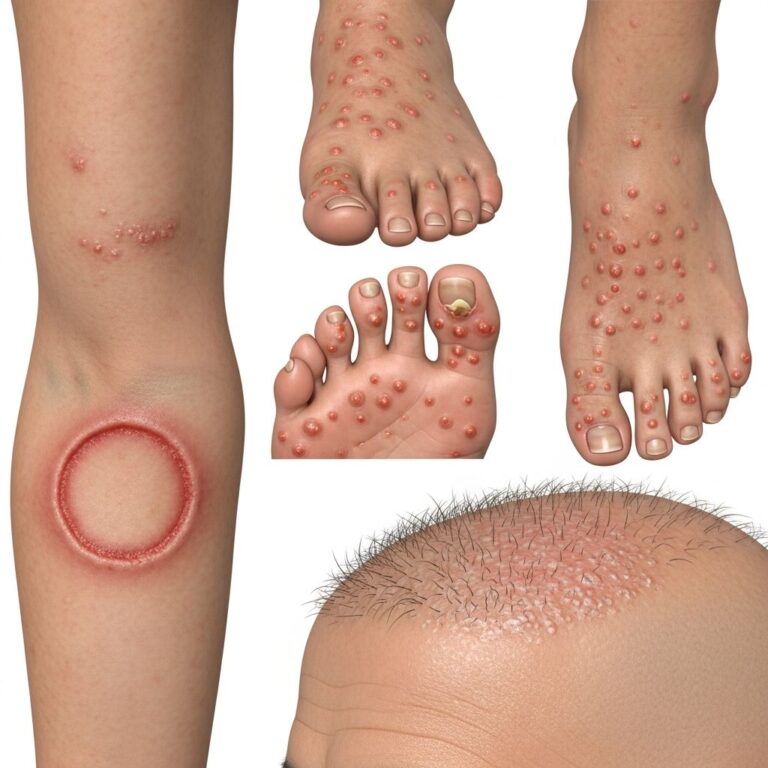
- Dermatologic findings: Multiple benign skin tumors including epidermoid cysts, fibromas, and lipomas develop in many patients, often appearing before gastrointestinal symptoms emerge
- Dental abnormalities: Supernumerary teeth (extra teeth), impacted or missing teeth, and odontomas (benign tooth tumors) occur frequently
- Ocular manifestations: Congenital hypertrophy of the retinal pigment epithelium (CHRPE) appears as pigmented lesions in the fundus of the eye and serves as a non-invasive diagnostic marker
- Bone abnormalities: Osteomas (benign bone tumors) develop on the jaw and skull, occasionally causing facial deformities
- Desmoid tumors: These benign but locally aggressive soft tissue tumors arise in a significant percentage of patients, potentially complicating surgical management
Related Stories



Diagnosis and Screening
Clinical Evaluation
Diagnosis of Gardner syndrome begins with a comprehensive personal and family history assessment, examining three generations for patterns of early-onset cancers and multiple relatives affected with colorectal or other malignancies. The presence of extracolonic features such as skin cysts, dental anomalies, or osteomas raises suspicion for the syndrome. Physical examination may reveal multiple skin lesions, dental irregularities, or bone abnormalities characteristic of the condition.
Genetic Testing
Genetic testing provides definitive diagnosis by identifying APC gene mutations through DNA analysis of blood or saliva samples. Positive genetic testing confirms the diagnosis and allows for predictive testing of at-risk family members. Genetic counseling should accompany testing to help patients understand inheritance patterns, cancer risks, and management implications.
Colonoscopy and Surveillance
Colonoscopy serves as the primary screening tool for identifying and characterizing colonic polyps in suspected cases. Diagnosis of Gardner syndrome is confirmed by the presence of at least 100 adenomatous polyps in the colon and rectum. Once diagnosed, patients require regular colonoscopic surveillance to monitor polyp development and assess for dysplasia. Children from families with confirmed Gardner syndrome should begin colonoscopy screening by age 10 to detect early polyp development.
Additional Imaging Studies
Upper endoscopy examines the stomach and duodenum for gastric and duodenal polyps requiring surveillance. Imaging studies including CT or MRI may evaluate for desmoid tumors and other extraintestinal manifestations. Ophthalmologic examination documenting retinal pigment epithelial lesions can serve as a non-invasive confirmatory finding supporting the diagnosis.
Comparing Gardner Syndrome with Other Hereditary Syndromes
| Feature | Gardner Syndrome | Classic FAP | Lynch Syndrome |
|---|---|---|---|
| Polyp Count | Hundreds to thousands | Hundreds to thousands | Few or no polyps |
| Cancer Risk | ~100% without treatment | ~100% without treatment | ~42% by age 80 |
| Extracolonic Features | Extensive (skin, bone, teeth, eyes) | Minimal or absent | Multiple cancer types |
| Age of Onset | Teens to early 30s | Teens to early 30s | Later onset |
| Gene Mutation | APC | APC | Mismatch repair genes |
Management and Treatment Strategies
Surgical Management
Prophylactic colectomy (surgical removal of the colon) represents the standard of care for patients with Gardner syndrome, typically performed in the late teenage years or early twenties before cancer development. This preventive approach dramatically reduces colorectal cancer risk to near zero. The surgeon may perform a total colectomy with ileal pouch-anal anastomosis (creating a pouch from the small intestine to maintain bowel continuity) or total proctocolectomy with permanent ileostomy, depending on patient factors and surgeon expertise.
Surveillance After Colectomy
Even after colectomy, patients require lifelong surveillance due to the remaining adenomatous polyp predisposition in other gastrointestinal sites. Upper endoscopy performed every one to two years monitors for gastric and duodenal polyps that may require surveillance or removal. Significant polyp burden in the small intestine may necessitate additional interventions or monitoring protocols.
Management of Extracolonic Manifestations
Desmoid tumors require careful management as they can become locally aggressive and complicate surgical planning. Treatment approaches range from observation for asymptomatic lesions to targeted medical therapy or surgical resection for symptomatic or progressive disease. Regular imaging surveillance monitors tumor development and response to therapy.
Skin lesions typically require cosmetic removal if desired but do not pose significant medical risk. Dental abnormalities may require orthodontic evaluation and management by dental specialists. Ophthalmologic examination documents retinal findings, though CHRPE itself does not impact vision.
Frequently Asked Questions About Gardner Syndrome
Q: What is the difference between Gardner syndrome and familial adenomatous polyposis?
A: Gardner syndrome is technically a subtype of FAP characterized by the presence of extracolonic manifestations including skin cysts, dental abnormalities, bone tumors, and eye findings. Classic FAP refers to the gastrointestinal features alone. Both conditions result from APC mutations and share similar cancer risks and management approaches, but Gardner syndrome’s additional features serve as useful diagnostic markers.
Q: At what age do symptoms typically appear?
A: Polyps generally begin appearing during teenage years, with most patients developing significant polyp burden by their mid-thirties. Some extracolonic features like skin cysts or dental abnormalities may appear earlier. Screening should begin by age 10 in at-risk family members.
Q: How is Gardner syndrome inherited?
A: Gardner syndrome follows an autosomal dominant inheritance pattern, meaning a single mutated APC gene copy inherited from either parent is sufficient to cause the condition. Children of affected individuals have a 50% chance of inheriting the mutation.
Q: What is the cancer risk without treatment?
A: Without intervention, the risk of developing colorectal cancer approaches 100% in patients with Gardner syndrome. However, prophylactic colectomy performed before cancer development reduces this risk to nearly zero.
Q: Do I need surveillance after colectomy surgery?
A: Yes, lifelong surveillance is necessary even after colectomy to monitor for polyp development in remaining gastrointestinal sites, particularly the stomach and duodenum. Regular upper endoscopy, typically performed every one to two years, allows early detection and management of upper tract polyps.
Q: Can genetic testing predict which family members are affected?
A: Genetic testing identifies the specific APC mutation in affected family members, allowing predictive testing of at-risk relatives. Relatives who carry the mutation require the same surveillance and management protocols as diagnosed patients.
Living with Gardner Syndrome
Individuals diagnosed with Gardner syndrome benefit from a comprehensive, multidisciplinary care approach involving gastroenterology, surgery, genetics, dermatology, dental specialists, and other professionals as needed. Regular communication with healthcare providers ensures appropriate surveillance and timely intervention. Genetic counseling helps patients understand their condition, inheritance implications, and cancer risks, supporting informed decision-making about medical management.
Support groups and patient organizations provide valuable resources for individuals and families navigating Gardner syndrome, offering emotional support and practical guidance. Living with a hereditary cancer syndrome can create psychological stress, making mental health support and patient education essential components of comprehensive care.
References
- Ocular manifestations of familial adenomatous polyposis (Gardner syndrome) — National Center for Biotechnology Information (NCBI). 2005. https://pubmed.ncbi.nlm.nih.gov/15763201/
- Detecting and managing hereditary colorectal cancer syndromes in clinical practice — Cleveland Clinic Journal of Medicine. 2012. https://www.ccjm.org/content/ccjom/79/11/787.full.pdf
- Familial Adenomatous Polyposis (FAP): Symptoms, Diagnosis, Risks — Cleveland Clinic. 2023. https://my.clevelandclinic.org/health/diseases/16993-familial-adenomatous-polyposis-fap
- Understanding hereditary colorectal cancer risk and prevention strategies — American Cancer Society. 2024. https://www.cancer.org/research/cancer-facts-statistics/hereditary-cancer-syndromes.html
- APC gene mutations and cancer predisposition — National Institutes of Health (NIH). 2024. https://www.ncbi.nlm.nih.gov/gene/324
Similar Articles








Read full bio of Sneha Tete